TL;DR
Volatility measures the magnitude and speed of price changes in a market. High volatility means large, rapid price swings that create both opportunity and risk, while low volatility means small, slow price changes. Understanding and adapting to volatility regimes is essential for proper position sizing, stop-loss placement, and strategy selection.
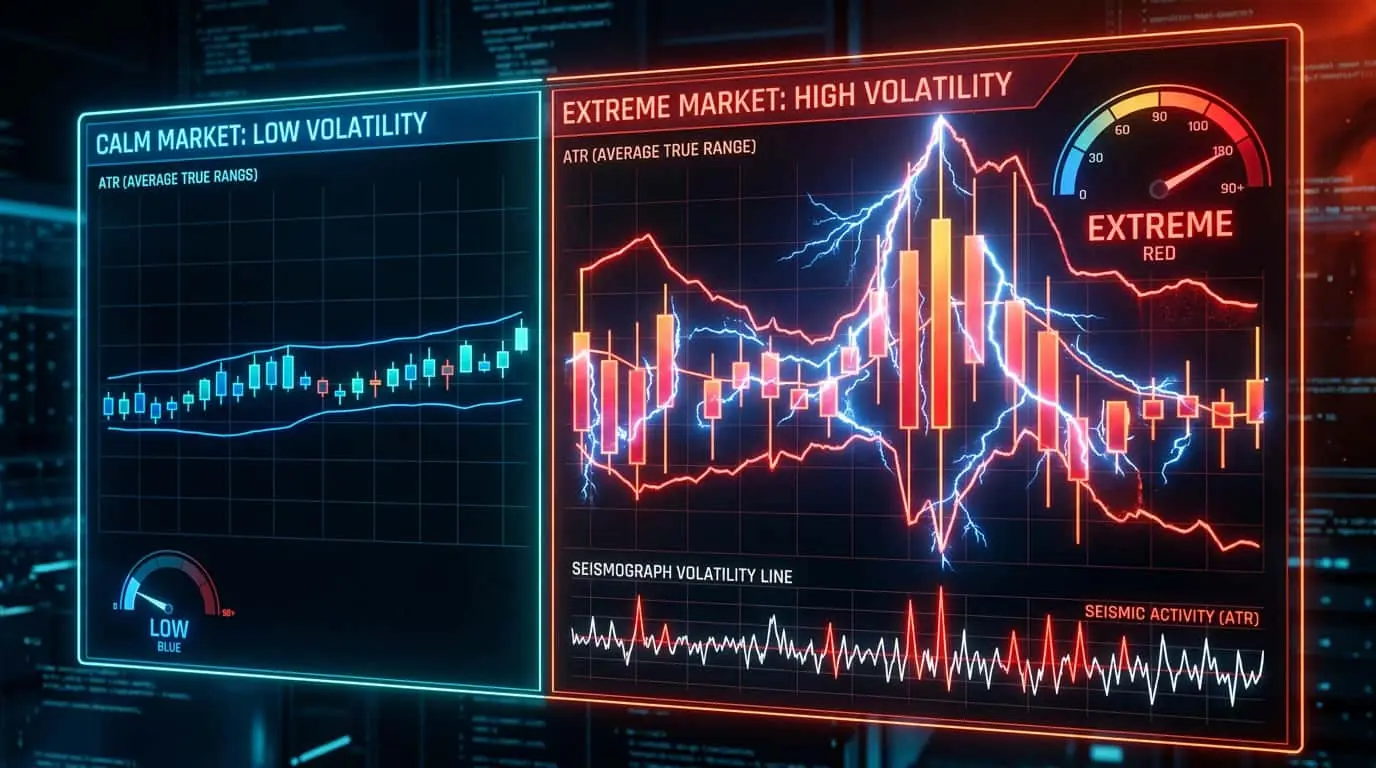
Volatility is a statistical measure of the dispersion of returns for a given security or market index over a specific time period. In simpler terms, it quantifies how much and how fast prices move. A market with high volatility experiences large price swings -- moving 2-3% in a single session is common. A market with low volatility drifts slowly, perhaps moving only 0.2-0.3% per day. Volatility is often misunderstood as being synonymous with risk, but this is an oversimplification. Volatility is directionless -- it measures the magnitude of movement, not the direction. A market that rises 3% in a day is just as volatile as one that falls 3%. For traders, volatility is neither inherently good nor bad; it is a market condition that must be understood and adapted to. High volatility creates wider profit opportunities but also wider loss exposure. Low volatility reduces risk per trade but also limits profit potential and can lead to death by a thousand cuts through repeated small losses and commissions. The key insight is that volatility is not constant -- it cycles between periods of expansion (high volatility) and contraction (low volatility). This cyclical nature is one of the most reliable patterns in financial markets. Low-volatility periods inevitably give way to high-volatility explosions, and high-volatility periods eventually calm back to normality. Successful traders adapt their approach to the current volatility regime rather than applying a one-size-fits-all strategy.
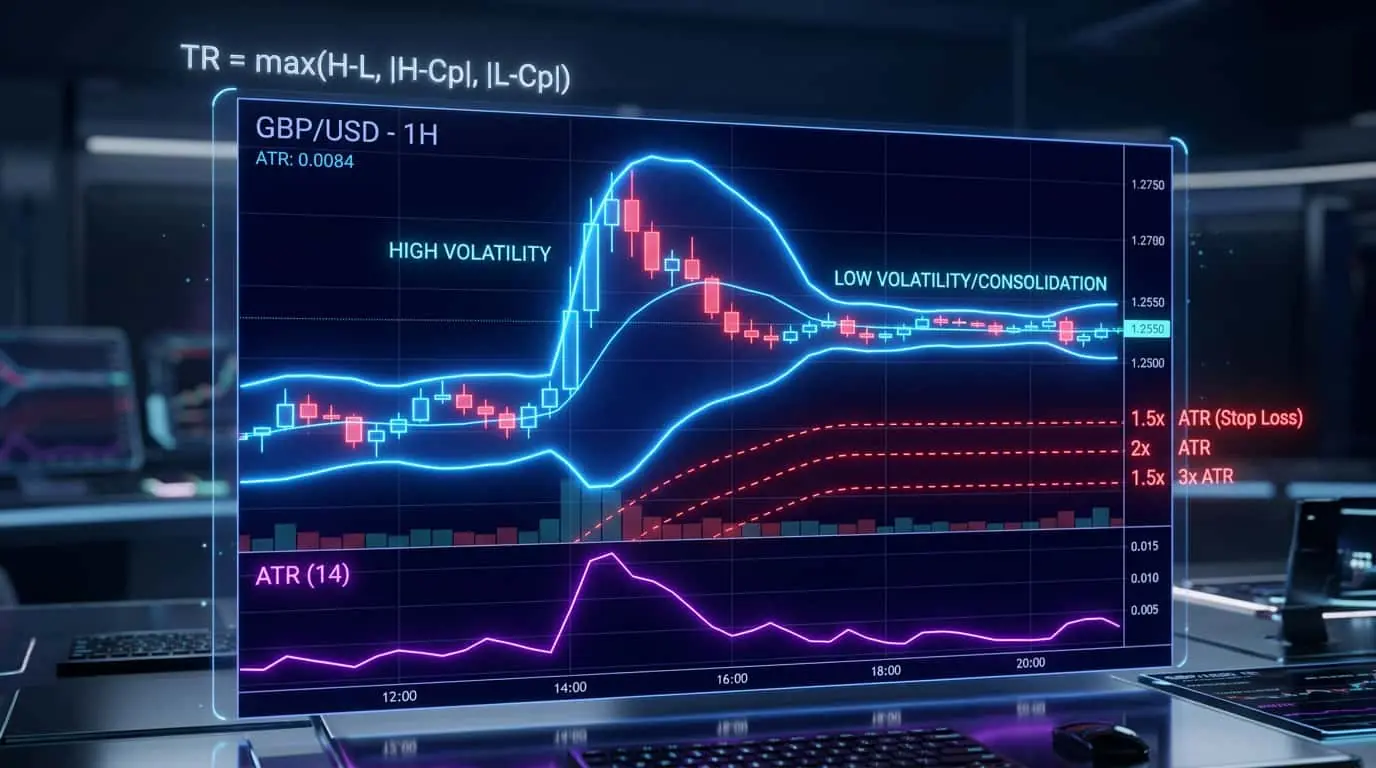
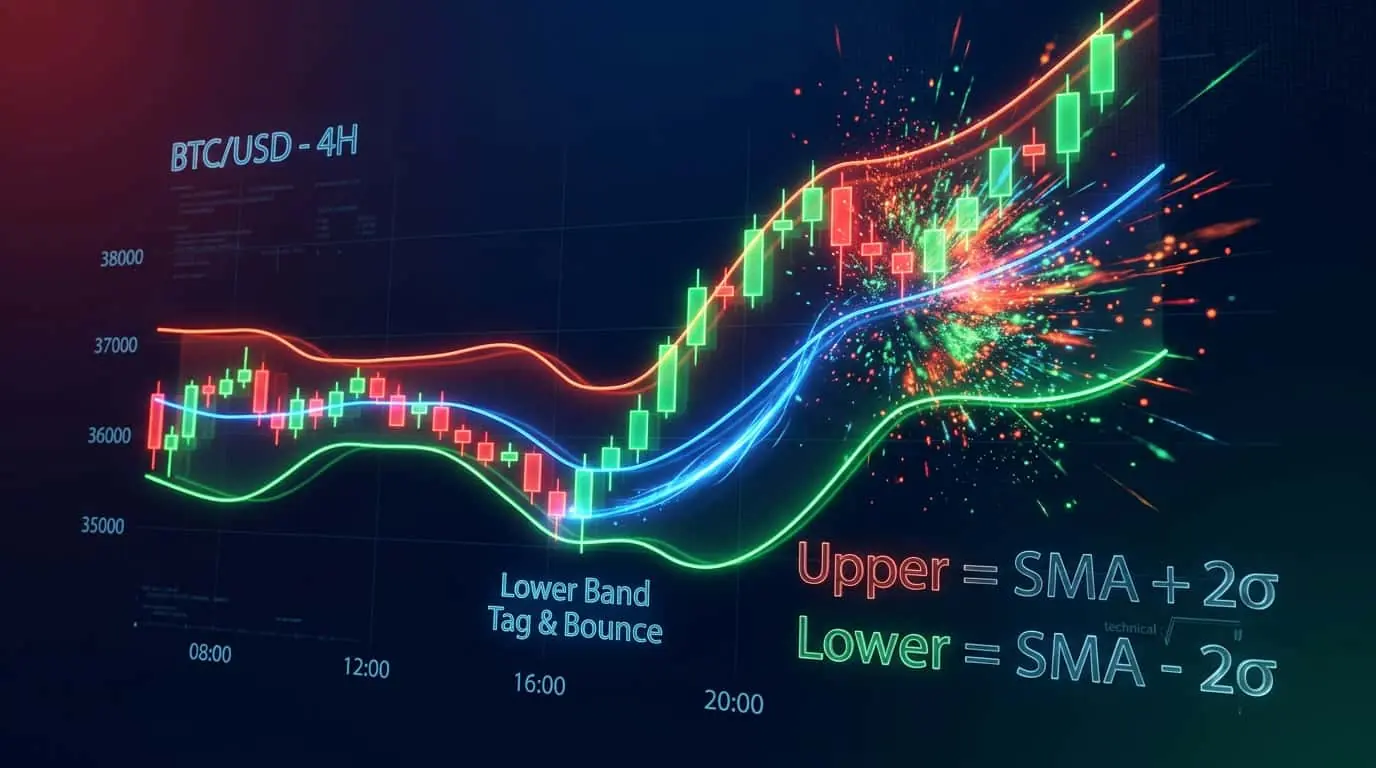
Several tools exist for measuring volatility, each providing a different perspective on market conditions. Average True Range (ATR) is the most practical volatility measure for active traders. Developed by J. Welles Wilder, ATR calculates the average range of price bars over a specified period (commonly 14 bars), accounting for gaps. If the 14-period ATR on the ES 5-minute chart is 3.5 points, that means each 5-minute bar moves an average of 3.5 points from its high to its low. ATR adapts to the current timeframe and instrument, making it universally applicable. Standard deviation measures the dispersion of closing prices around their mean. One standard deviation contains approximately 68% of price data, two standard deviations contain about 95%. Bollinger Bands use standard deviation to create dynamic bands around a moving average, visually showing when prices are statistically extended. Narrowing Bollinger Bands signal decreasing volatility and often precede explosive moves. The VIX (CBOE Volatility Index), often called the 'fear gauge,' measures the implied volatility of S&P 500 options over the next 30 days. A VIX reading below 15 indicates low expected volatility (complacent markets), 15-25 indicates moderate volatility, and above 25 indicates high volatility (fearful markets). The VIX is forward-looking, reflecting what the options market expects volatility to be, not what it has been. VIX readings above 30-40 often coincide with market bottoms because extreme fear tends to mark capitulation points.
ATR = SMA of True Range over N periods, where TR = max(High - Low, |High - Previous Close|, |Low - Previous Close|)TR — True Range: the greatest of current range or gap from previous close
N — Lookback period, typically 14 bars
SMA — Simple Moving Average (some implementations use EMA)
| Volatility Measure | What It Measures | Typical Use | Advantage |
|---|---|---|---|
| ATR (Average True Range) | Average bar range over N periods | Stop loss placement, position sizing | Adapts to any timeframe and instrument |
| Standard Deviation | Dispersion of closes around the mean | Statistical analysis, Bollinger Bands | Mathematically precise, statistical significance |
| VIX | 30-day implied volatility of S&P 500 | Market regime assessment, sentiment gauge | Forward-looking, reflects expectations |
| Historical Volatility | Annualized standard deviation of returns | Options pricing, strategy comparison | Comparable across instruments and timeframes |
| Bollinger Band Width | Distance between upper and lower bands | Identifying volatility contractions | Visual, easy to interpret on charts |
Markets cycle through distinct volatility regimes that fundamentally change how price behaves and which trading strategies are effective. Recognizing the current regime is one of the most valuable skills a trader can develop. Low-volatility regimes are characterized by small daily ranges, narrow Bollinger Bands, low ATR readings relative to recent history, and a VIX below 15. Price tends to trend slowly and steadily, with shallow pullbacks. Mean-reversion strategies struggle because the overshoots they depend on are too small, while trend-following strategies can work but produce small profits per trade. Position sizes can be larger because stops are tighter, but the risk is that low volatility compresses your stop losses so close that normal noise triggers them. High-volatility regimes feature large daily ranges, expanding Bollinger Bands, elevated ATR, and VIX above 25. Price makes sharp directional moves followed by aggressive reversals. Trend-following strategies can produce outsized wins when they catch a move, but false breakouts and whipsaws are more common. Mean-reversion strategies can be highly profitable because price frequently overshoots and snaps back. Position sizes must be reduced because the same dollar-based stop loss now sits much closer to entry in ATR terms. Transitional periods -- when volatility is shifting from one regime to another -- are the most dangerous. The Bollinger Band squeeze (bands narrowing to an extreme) often precedes a major volatility expansion. Traders who position for the squeeze breakout can capture large moves, but the direction is unknown in advance, requiring careful risk management.
Pro Tip
Create a simple volatility dashboard: compare the current 14-period ATR to its 50-period and 200-period moving averages. When ATR is below both moving averages, you are in a low-volatility regime. When above both, high-volatility. When crossing between them, transitional. Adjust your position sizing and strategy selection based on this regime assessment.
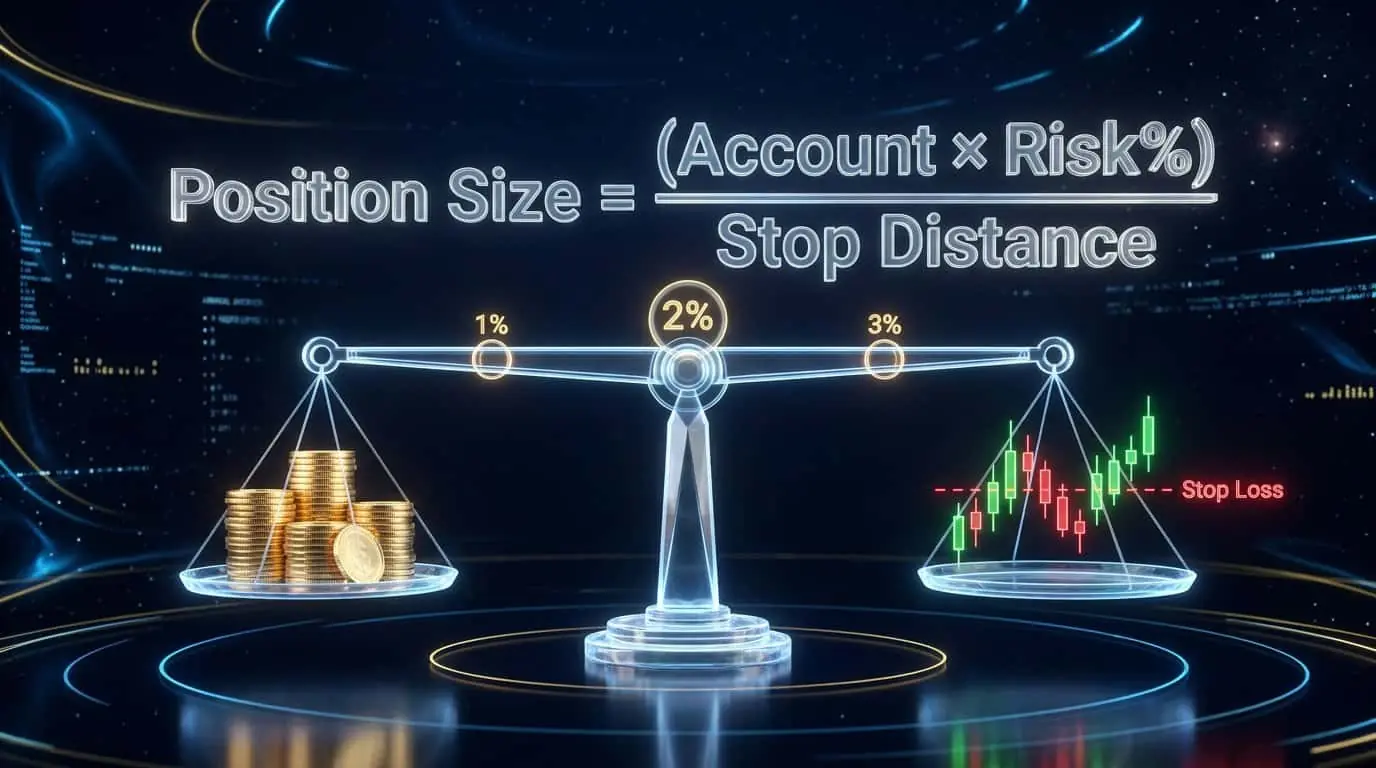
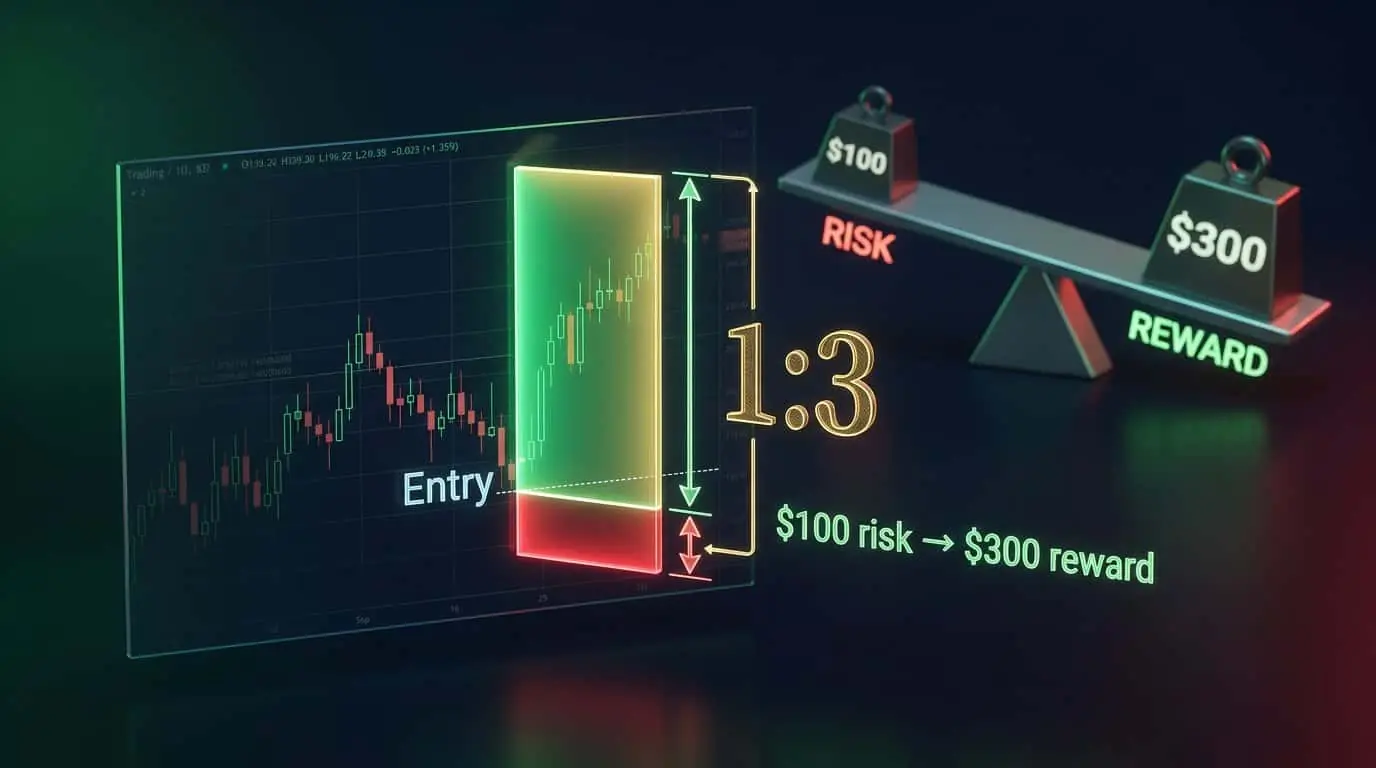
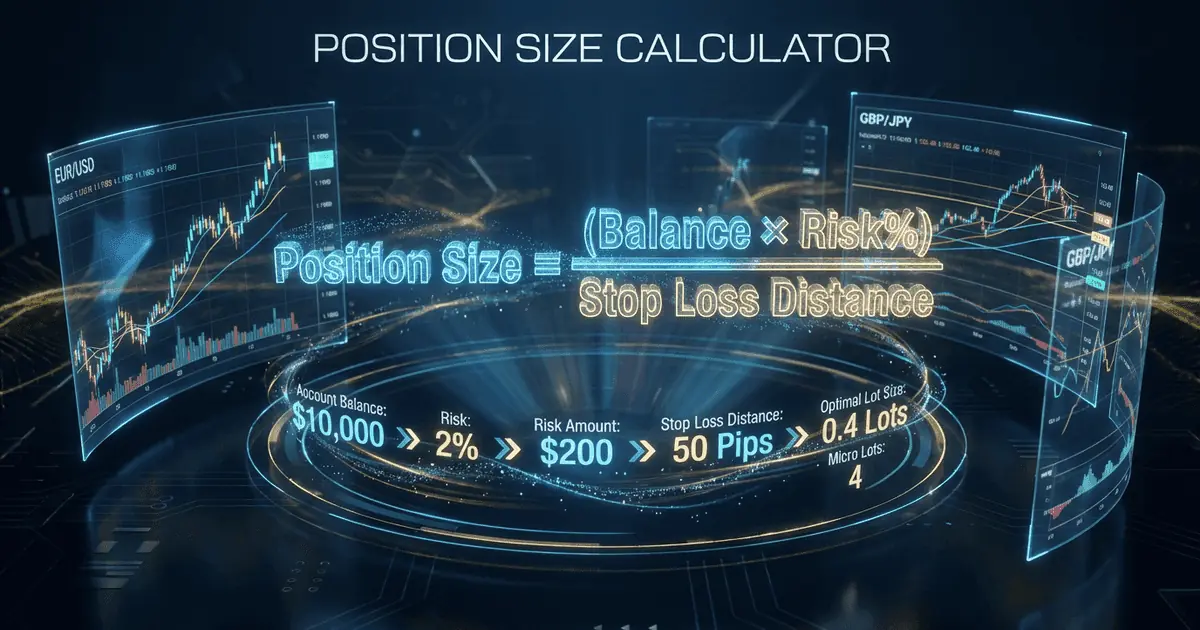
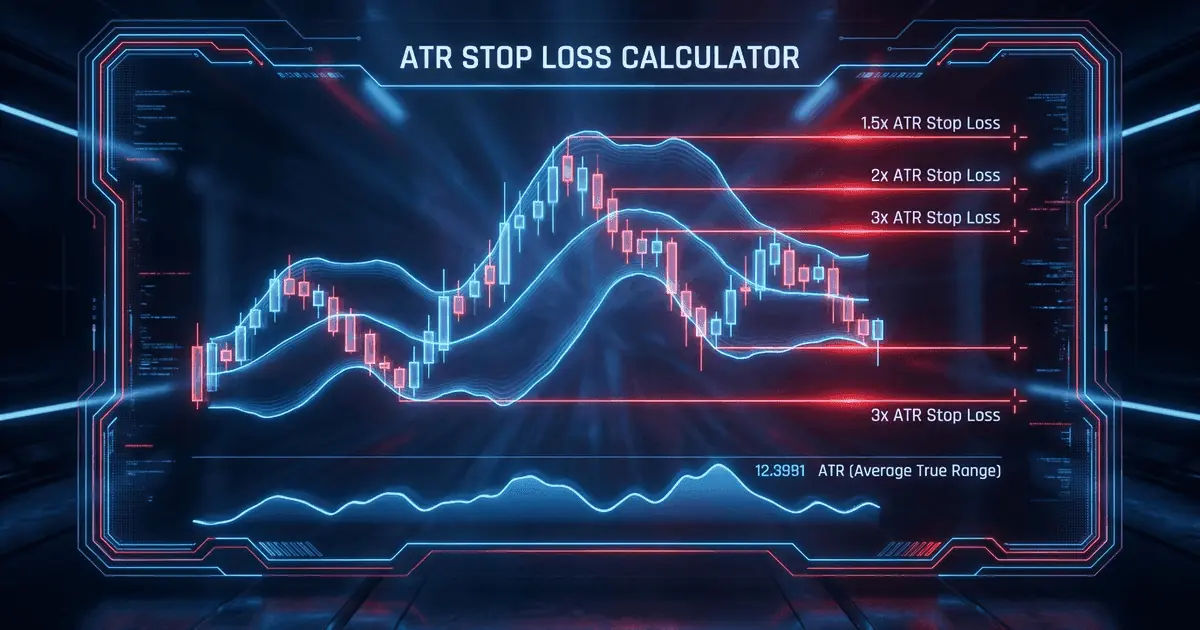
The single biggest error traders make with volatility is applying a fixed strategy without adjusting for current conditions. A 10-point stop loss on the ES is conservative when daily ATR is 80 points but dangerously tight when ATR contracts to 20 points -- yet it represents a vastly different risk in dollar terms in each scenario. ATR-based stop losses automatically adapt to current volatility. Instead of using a fixed 10-point stop, use a 2x ATR stop. When ATR is 5 points (low volatility), your stop is 10 points. When ATR is 15 points (high volatility), your stop is 30 points. This keeps your stop at a consistent 'distance' in volatility terms, reducing the probability of being stopped out by normal noise regardless of the current regime. Position sizing must inversely adjust to volatility. When stops are wider (high volatility), position sizes must be smaller to maintain the same dollar risk. If your risk per trade is $500 and your stop is 2 ATR, then: at 5-point ATR (stop = 10 points = $500 on ES), you trade 1 contract. At 15-point ATR (stop = 30 points = $1,500 on ES), you trade 0.33 contracts, which on ES means you either skip the trade or move to Micro E-mini contracts (MES) where 1 contract = $5 per point. Profit targets should also scale with volatility. Targeting 20 points of profit when ATR is 80 points is conservative; targeting 20 points when ATR is 15 points is aggressive. Use reward-to-risk ratios (2:1, 3:1) rather than fixed point targets so that both your risk and reward automatically scale to the current environment.
While the VIX is technically a measure of S&P 500 options implied volatility, it serves as a broad market sentiment indicator that is useful for all futures traders. The VIX has a well-documented inverse relationship with equity markets: when stocks fall sharply, the VIX spikes, and vice versa. This relationship is driven by the increased demand for protective put options during market declines, which inflates implied volatility. For ES and NQ traders, the VIX provides an additional layer of context. A VIX below 15 suggests complacency and a market that is likely to experience small, steady gains with occasional minor pullbacks. Trading strategies during low-VIX environments should focus on buying dips in uptrends with tight stops. A VIX between 20-30 indicates elevated uncertainty and typically coincides with choppy, two-sided markets that are difficult for trend-following strategies. A VIX above 30 signals fear and often accompanies waterfall declines, but also marks the zone where markets frequently find at least temporary bottoms. The VIX term structure (the relationship between near-term and longer-term VIX futures) provides additional information. When near-term VIX is higher than longer-term VIX (backwardation), the market expects volatility to decrease from current elevated levels. When near-term VIX is lower than longer-term (contango, the normal state), the market expects current calm to persist. Shifts from contango to backwardation are significant warning signals that precede market stress.
| VIX Range | Market Regime | Trading Implications |
|---|---|---|
| Below 15 | Low volatility, complacent | Small ranges, buy-the-dip works, trend slowly higher, tight stops |
| 15-20 | Normal volatility | Standard conditions, most strategies function as designed |
| 20-25 | Elevated uncertainty | Wider stops needed, reduce size, choppy two-sided action |
| 25-35 | High fear | Large daily ranges, significant opportunity but high risk, reduce position size 50%+ |
| Above 35 | Crisis / capitulation | Extreme moves, potential major bottom formation, only experienced traders should participate |
Pro Tip
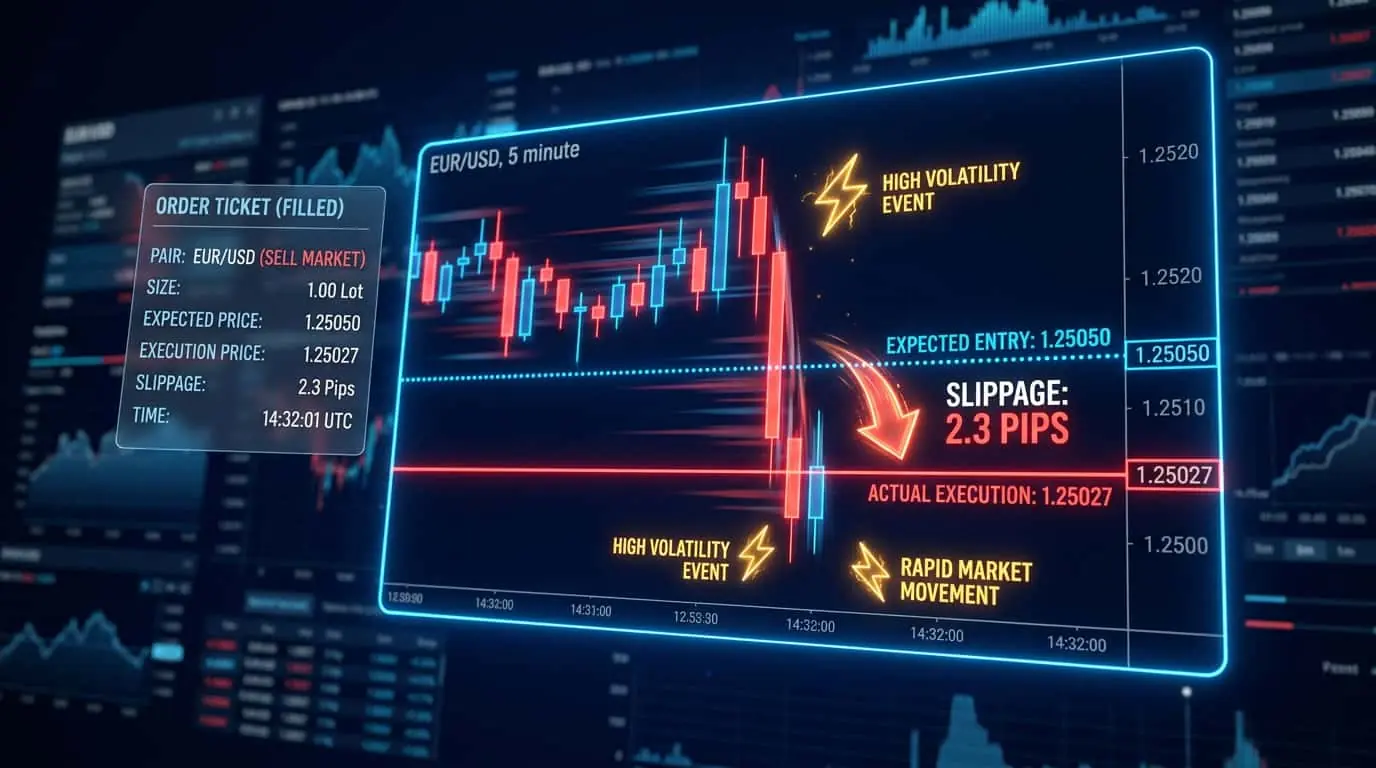
When the VIX is above 25, automatically cut your position size in half compared to your normal sizing. The larger moves create the illusion of bigger profit opportunity, but the whipsaw risk and slippage during high-VIX environments make normal position sizes dangerously large.
Mistake
Using fixed-point stop losses regardless of current volatility
Correction
Use ATR-based stops (e.g., 2x ATR) that automatically adjust to market conditions. A 10-point stop is appropriate when ATR is 5 but will be stopped out by noise when ATR is 20.
Mistake
Maintaining the same position size during high-volatility periods
Correction
When volatility doubles, your dollar risk per trade doubles if you keep the same position size and ATR-based stop. Reduce position size inversely to ATR increases to maintain consistent dollar risk.
Mistake
Interpreting low volatility as low risk
Correction
Low volatility often precedes high-volatility explosions. The Bollinger Band squeeze is one of the most reliable patterns in trading: when bands narrow to extremes, a large move is imminent. Prepare for volatility expansion during calm periods, do not become complacent.