TL;DR
Take profit is a predetermined price level at which you exit a winning trade to secure gains. It enforces discipline by removing emotions from exit decisions and is essential for calculating risk-reward ratios.
Take profit is a predetermined price level at which a trader exits a winning position to secure gains. It is an order that automatically closes a trade when the price reaches a specified target, ensuring profits are locked in before the market can reverse. Take profit orders work as the mirror image of stop losses: while stop losses limit downside, take profit orders secure upside. Together, they form a complete trade management framework that defines both the risk and the reward of every trade before entry. Without predetermined take profit levels, traders face two psychological traps: greed (holding too long, watching profits evaporate as the market reverses) and fear (closing too early, leaving significant profits on the table). A take profit order removes both of these emotional biases by automating the exit process. The take profit distance, combined with the stop loss distance, defines the trade's risk-reward ratio, making it an essential component of expectancy calculation.
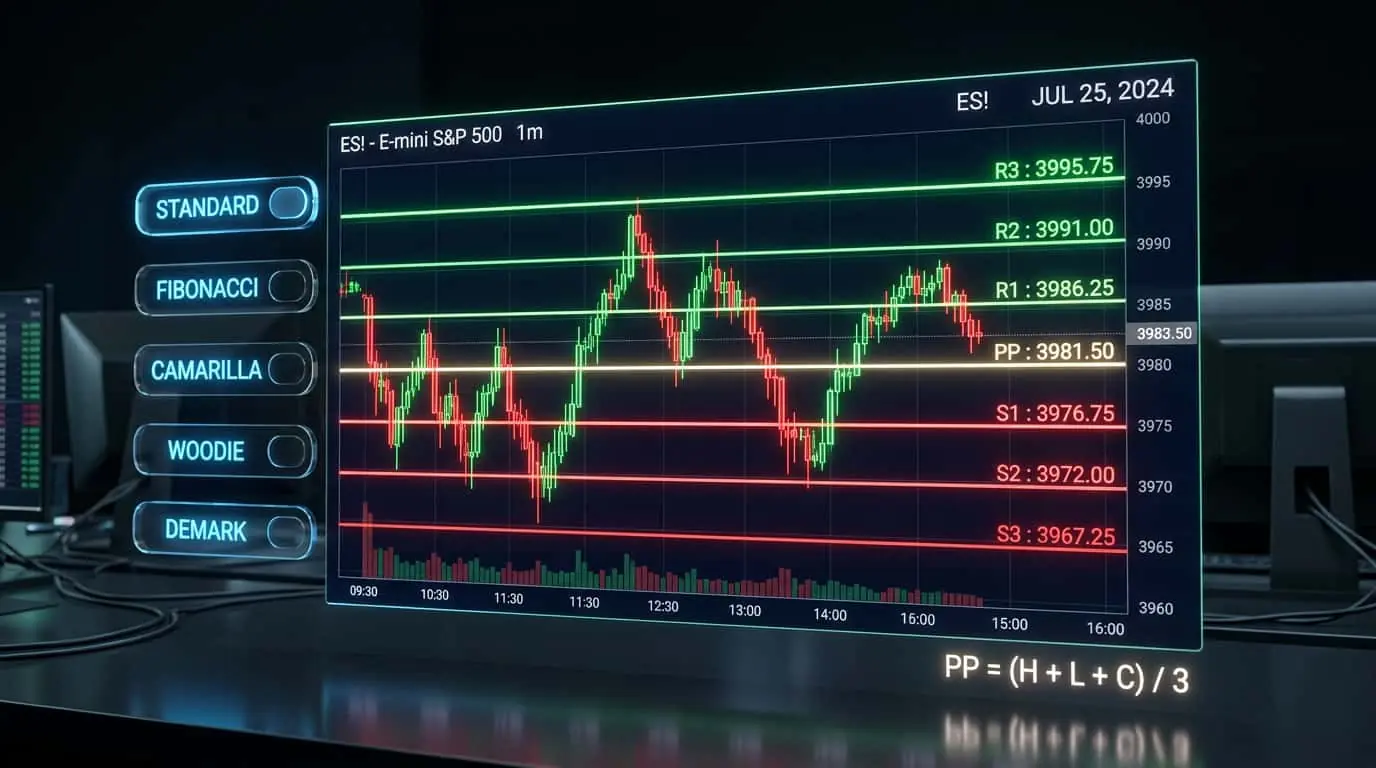
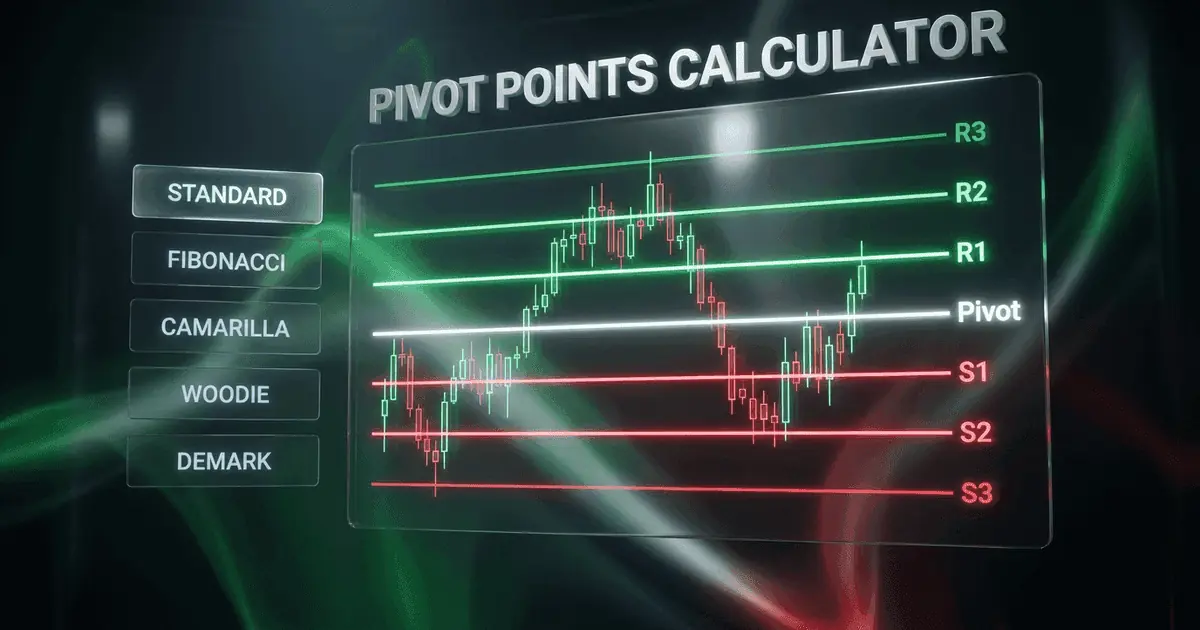
There are several proven methods for determining take profit levels, each with distinct advantages. The support and resistance method sets targets at key price levels identified through chart analysis. For long trades, take profit is set just below a resistance level; for shorts, just above support. This method is reliable because these levels represent areas where selling or buying pressure is likely to emerge. The Fibonacci extension method uses Fibonacci ratios (1.272, 1.618, 2.618) projected from a swing move to identify potential reversal zones. Fibonacci levels are widely watched by institutional and retail traders, making them self-fulfilling to some degree. The R-multiple method sets take profit at a fixed multiple of the risk. If your stop loss is 20 pips away, a 2R target would be 40 pips in profit. This method is simple, consistent, and directly tied to your risk-reward ratio. Pivot point targets use daily, weekly, or monthly pivot levels as natural take profit zones.
| Method | How It Works | Best For |
|---|---|---|
| Support/Resistance | Exit at key price levels from chart analysis | Discretionary traders, swing trading |
| Fibonacci Extensions | Project targets at 1.272, 1.618, 2.618 of a swing | Technical traders, harmonic patterns |
| R-Multiple | Set target at 2R, 3R, or other fixed multiple of risk | Systematic traders, simplicity |
| Pivot Points | Use daily/weekly pivot levels as targets | Day traders, intraday setups |
| ATR-Based | Set target at 2-3x ATR from entry | Volatility-adaptive approaches |
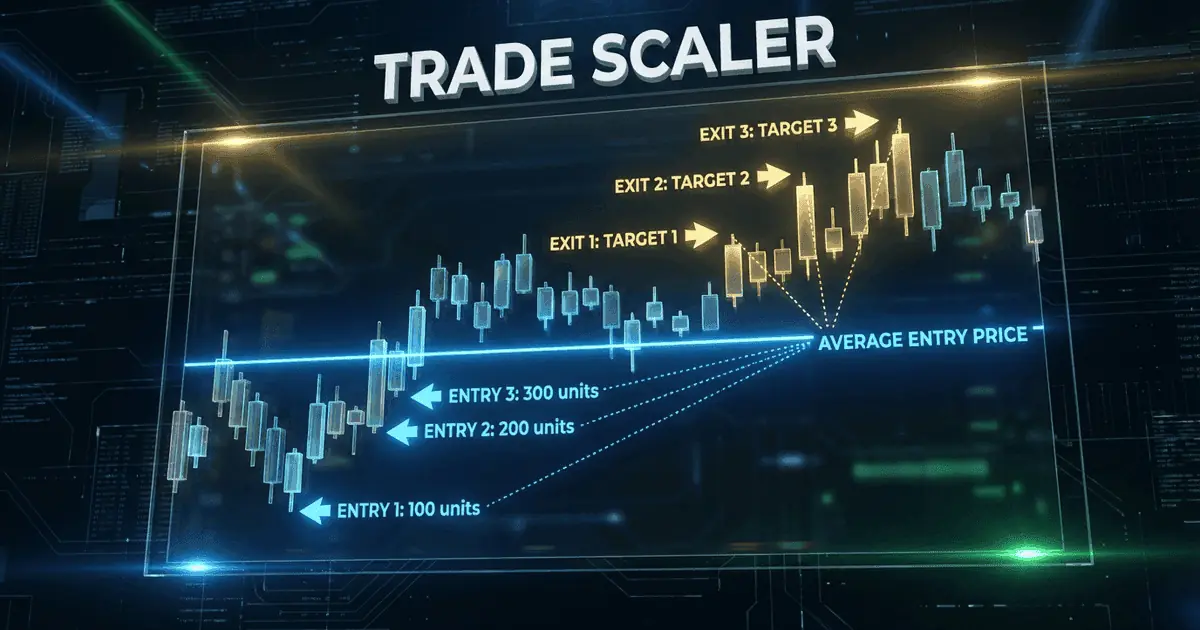
Many experienced traders do not exit their entire position at a single take profit level. Instead, they use a partial take profit (scaling out) strategy that closes portions of the position at different levels. A common approach is the 1/3 scaling method: close one-third of the position at 1R (and move the stop to breakeven), close another third at 2R, and let the final third run with a trailing stop. This approach captures some profit early while maintaining exposure to larger moves. The psychological benefit is significant: by banking partial profits, you transform the remaining position into a risk-free trade (since the stop is at breakeven), which reduces stress and allows you to hold through pullbacks. However, partial exits reduce your average R:R because the early exits dilute the overall reward. Over a large sample of trades, a full-position exit at a fixed target may produce better mathematical results, but partial exits may be easier to execute consistently because of the psychological relief they provide.
Pro Tip
If you find yourself consistently closing trades too early out of fear, try the 1/3 scaling method. Banking early partial profits gives you confidence to let the remaining position run, which often captures the bigger move.
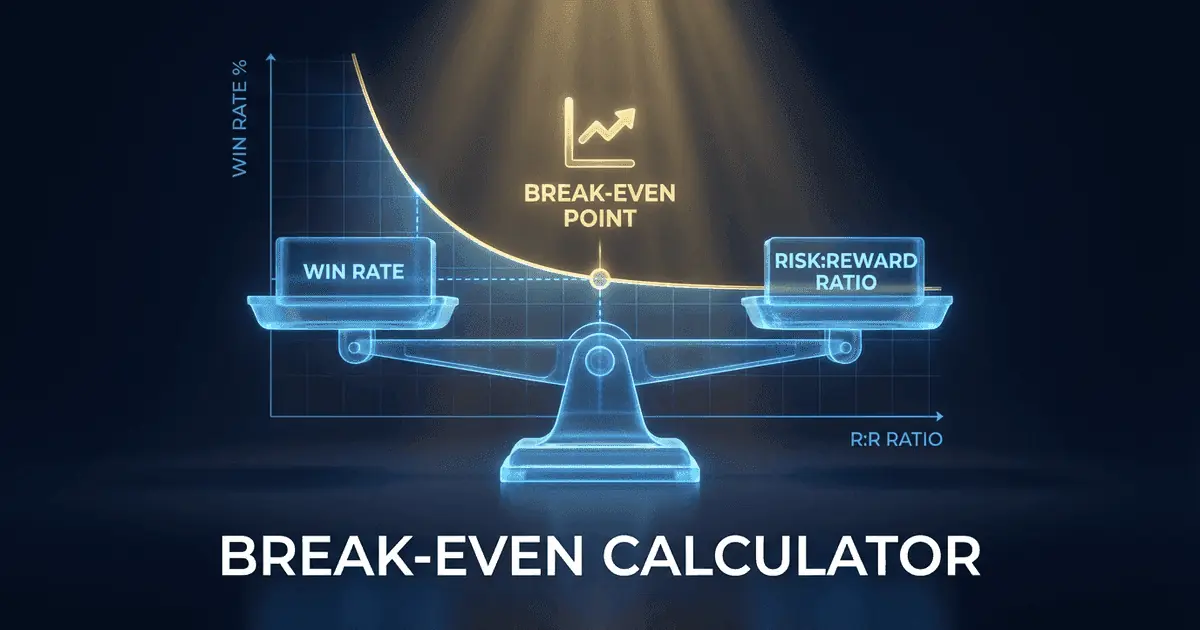
The take profit level directly determines your risk-reward ratio, which in turn determines the minimum win rate needed for profitability. Setting your take profit at 2x your stop loss distance creates a 1:2 R:R, requiring only a 33.3% win rate to break even. Setting it at 3x creates a 1:3 R:R, requiring only 25%. The challenge is that as you increase the take profit distance, the probability of the price reaching your target decreases. There is always a trade-off between reward size and probability of being hit. A 1:1 R:R target will be reached more often than a 1:3 target, but the 1:3 target produces larger individual profits. The optimal take profit distance depends on your strategy's characteristics, market conditions, and the specific setup. Backtesting different take profit levels on your strategy will reveal the optimal distance for maximizing expectancy. What works for one strategy may not work for another.
Required Win Rate = 1 / (1 + R:R) = 1 / (1 + TP Distance / SL Distance)R:R — The reward-to-risk ratio
TP Distance — Distance from entry to take profit
SL Distance — Distance from entry to stop loss
While take profit orders are essential for most trading styles, certain strategies may benefit from not using a fixed target. Trend following strategies, for example, are designed to capture large moves that can extend far beyond any predetermined target. These strategies typically use trailing stops instead of fixed take profit levels, allowing profitable trades to run indefinitely until the trend reverses. The logic is that trend following profits come from occasional massive winners (10R-50R+) that more than compensate for frequent small losses. A fixed take profit at 3R would cap the upside and destroy the strategy's mathematical edge. Momentum strategies also sometimes perform better without fixed targets, using volume or momentum indicators to signal exits instead. The decision between fixed targets and trailing exits should be based on backtesting data. Test your strategy with fixed targets at various R-multiples, with trailing stops, and with a combination of both to find the approach that maximizes expectancy.
Pro Tip
If your backtesting shows that your best trades regularly exceed 3R, consider using a trailing stop instead of a fixed take profit. Capping winners at 3R when they regularly run to 5R or more significantly reduces your strategy's profitability.
NinjaTrader 8 provides several built-in methods for managing take profit orders. The most popular is ATM (Advanced Trade Management) strategies, which allow you to predefine take profit levels, stop losses, and scaling rules before entering a trade. With ATM, you can create templates like a 2R fixed target, a 3-stage scaling plan (close 50% at 1R, 25% at 2R, trail the rest), or a volatility-based target using ATR multiples. Once configured, ATM strategies execute automatically, removing the need for manual order management during fast-moving markets. In NinjaScript, you can programmatically set take profit levels using SetProfitTarget(CalculationMode.Ticks, 40) for a fixed 40-tick target, or use dynamic targets based on indicators: SetProfitTarget(CalculationMode.Price, Pivots(PivotRange.Daily, HLCCalculationMode.CalcFromIntradayData, 0, 0, 0, 20).R1[0]) to target the daily R1 pivot level. The Strategy Analyzer lets you optimize take profit distances by testing ranges (e.g., 20-100 ticks in 5-tick increments) across historical data, showing you exactly which target distance maximizes net profit, profit factor, or any other metric for your specific strategy and instrument. Combining NinjaTrader's Market Replay feature with different take profit levels allows you to visually replay historical sessions and observe how your targets would have performed in real market conditions, including the psychological impact of watching price approach but not quite reach your target before reversing.
Pro Tip
Create multiple ATM strategy templates in NinjaTrader for different market conditions: a tight target (1.5R) for choppy/range-bound days, a standard target (2-3R) for normal trending days, and a trailing exit for strong trend days. Select the appropriate template based on the day's ATR and market structure before your first trade.
Mistake
Not setting a take profit and hoping the trade will run forever
Correction
Every trade needs a planned exit. If you prefer letting winners run, use a trailing stop instead of an open-ended approach. Having no exit plan leads to watching profits evaporate.
Mistake
Closing trades before they reach the target out of fear
Correction
If you cannot hold to your target, try using partial exits: close half at 1R and let the rest run. This banks some profit while allowing the trade to reach its full potential.