
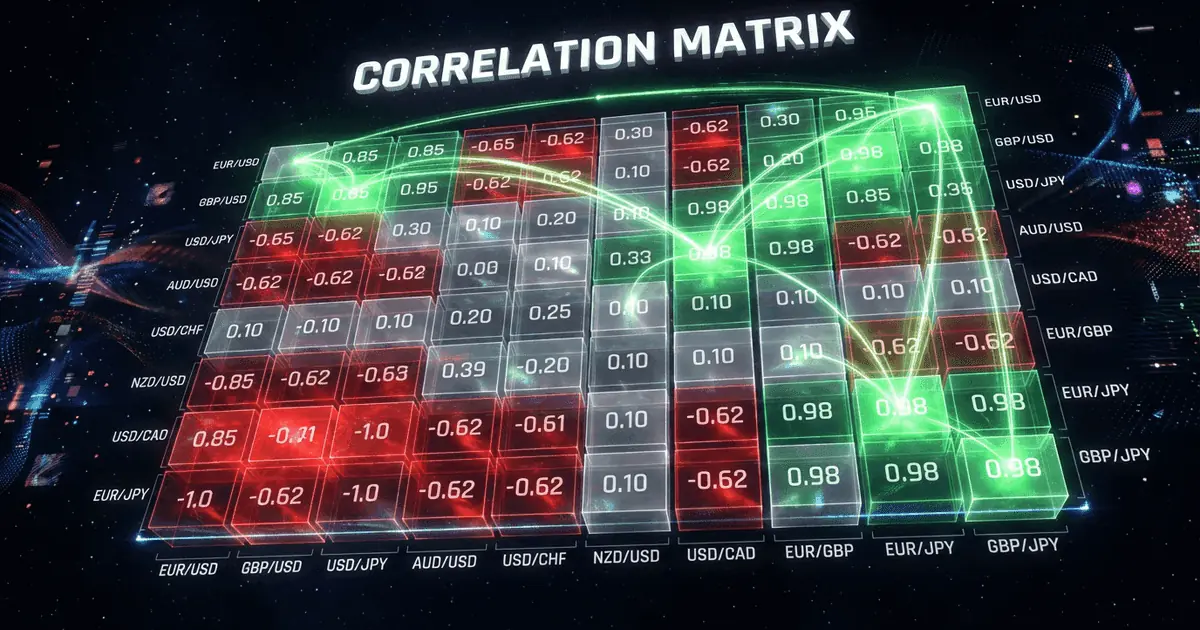
Visualize how pairs move together. Avoid doubling your risk by trading perfectly correlated assets.
⚠️ Strong correlation detected
Trading EUR/USD and GBP/USD simultaneously in the same direction is practically the same as doubling your position. Watch your cumulative risk!
| EUR/USD | GBP/USD | USD/CHF | USD/JPY | AUD/USD | USD/CAD | NZD/USD | XAU/USD | DXY | SPX | |
|---|---|---|---|---|---|---|---|---|---|---|
| EUR/USD | - | 89 | -91 | -23 | 71 | -88 | 78 | 42 | -98 | 31 |
| GBP/USD | 89 | - | -87 | -18 | 76 | -82 | 72 | 38 | -91 | 28 |
| USD/CHF | -91 | -87 | - | 42 | -68 | 83 | -71 | -52 | 92 | -21 |
| USD/JPY | -23 | -18 | 42 | - | 31 | 22 | 18 | -38 | 51 | 45 |
| AUD/USD | 71 | 76 | -68 | 31 | - | -72 | 92 | 68 | -78 | 58 |
| USD/CAD | -88 | -82 | 83 | 22 | -72 | - | -74 | -45 | 89 | -32 |
| NZD/USD | 78 | 72 | -71 | 18 | 92 | -74 | - | 55 | -81 | 52 |
| XAU/USD | 42 | 38 | -52 | -38 | 68 | -45 | 55 | - | -62 | 15 |
| DXY | -98 | -91 | 92 | 51 | -78 | 89 | -81 | -62 | - | -28 |
| SPX | 31 | 28 | -21 | 45 | 58 | -32 | 52 | 15 | -28 | - |
Imagine: you have a long trade on EUR/USD and another long on GBP/USD. You think you have diversified your risk with two separate trades. Fatal mistake.
EUR/USD and GBP/USD have an average correlation of +89%. This means they move in the same direction 89% of the time. You don't have two trades — you have one single trade with double the size.
Correlation is a fundamental concept every trader must master in order to:
Both assets move in the same direction. When A rises, B rises too.
Example: EUR/USD and GBP/USD (+89%)
Movements are independent. No predictable relationship between the two.
Example: EUR/USD and USD/JPY (-23%)
Assets move in opposite directions. When A rises, B falls.
Example: EUR/USD and USD/CHF (-91%)
Here is a classic scenario that costs many traders dearly:
Actual risk: ~1.89%
You think you are risking 2% maximum (1% + 1%), but if the dollar strengthens, both trades lose together. Your effective risk is nearly doubled.
Golden rule: Never have more than 1-2% risk on assets correlated above 70%.
The DXY is composed of ~57% EUR. When the dollar rises (DXY up), EUR/USD mechanically falls. Trading both is the same as doubling your USD position.
Australia and New Zealand are geographic neighbors and economically linked. Their currencies almost always move together. Choose one or the other, not both.
Gold is priced in dollars. When the dollar weakens, gold rises (and vice versa). This is why gold is often used as a hedge against dollar weakness.
The yen is a "safe haven" currency. When markets are in "risk-on" mode, the JPY weakens (USD/JPY rises) and indices rise. In "risk-off" mode, the JPY strengthens and indices fall.
Canada is a major oil exporter. When oil rises, the CAD strengthens (USD/CAD falls). Watch oil prices to anticipate CAD movements.
Use inversely correlated pairs to reduce your risk.
Example:
Long EUR/USD + Long USD/CHF = near-neutral exposure. Useful for protecting a position during a news event.
Use correlated pairs to confirm a signal.
Example:
Long signal on EUR/USD? Check if GBP/USD also shows strength. If so, the signal is more reliable (broad USD weakness).
When two correlated pairs diverge, an opportunity exists.
Example:
EUR/USD is rising but GBP/USD is stalling? GBP is relatively weak. Possible opportunity to short GBP/USD or short EUR/GBP.
Important: The values in this matrix are historical averages. Actual correlations vary:
Use this matrix as a guide, not as absolute truth. Always verify recent correlations.
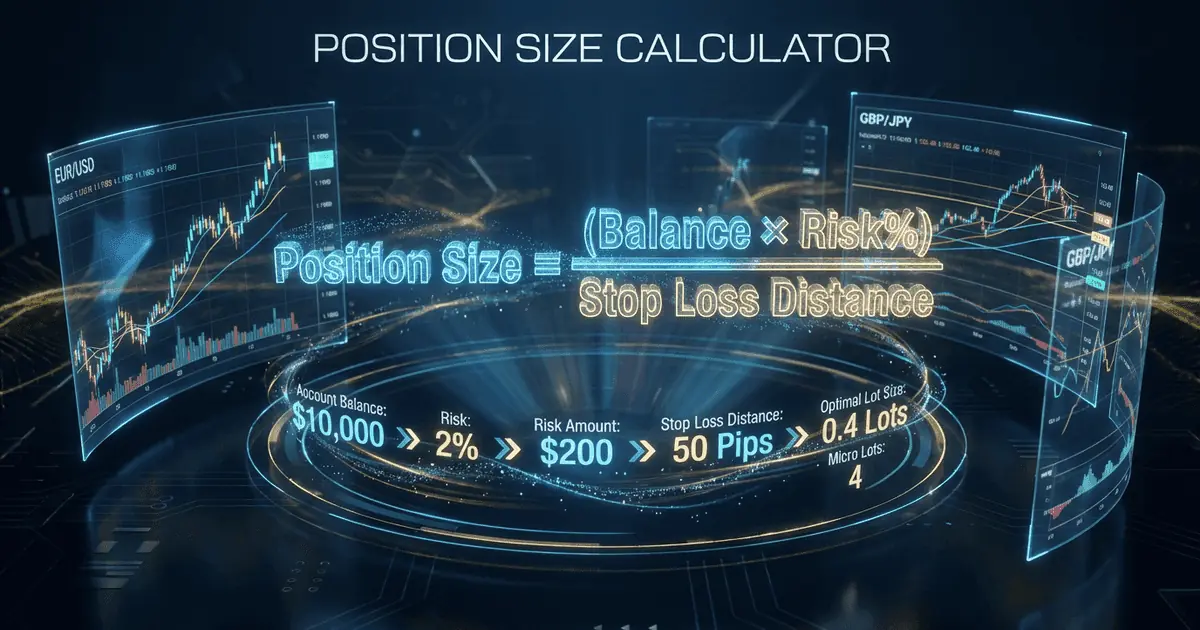
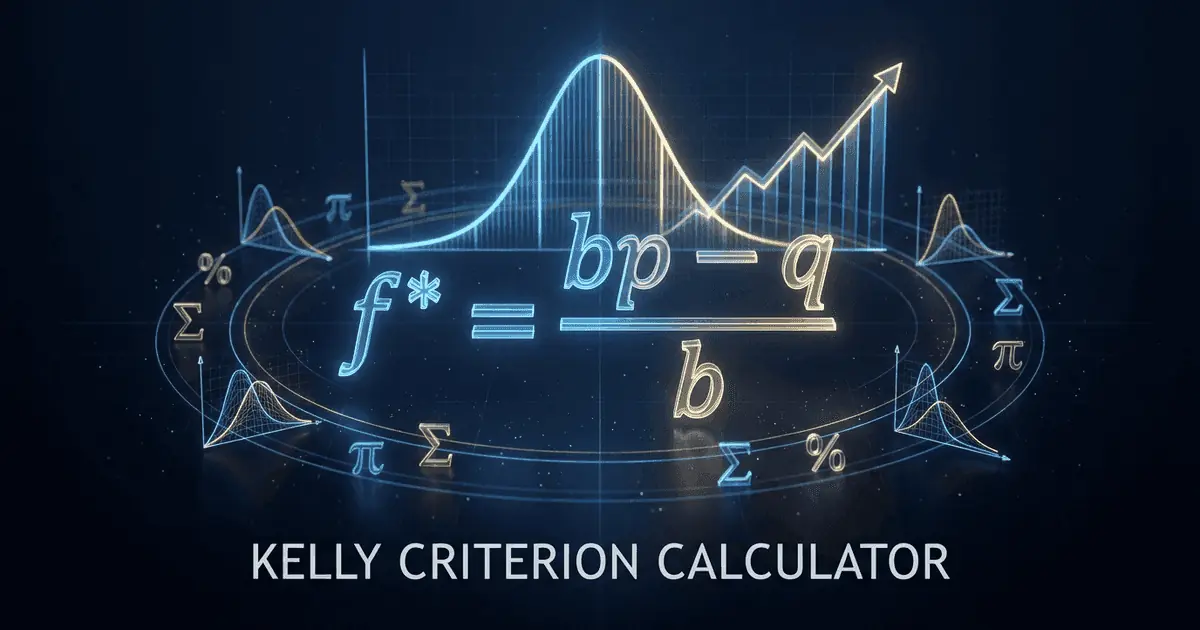
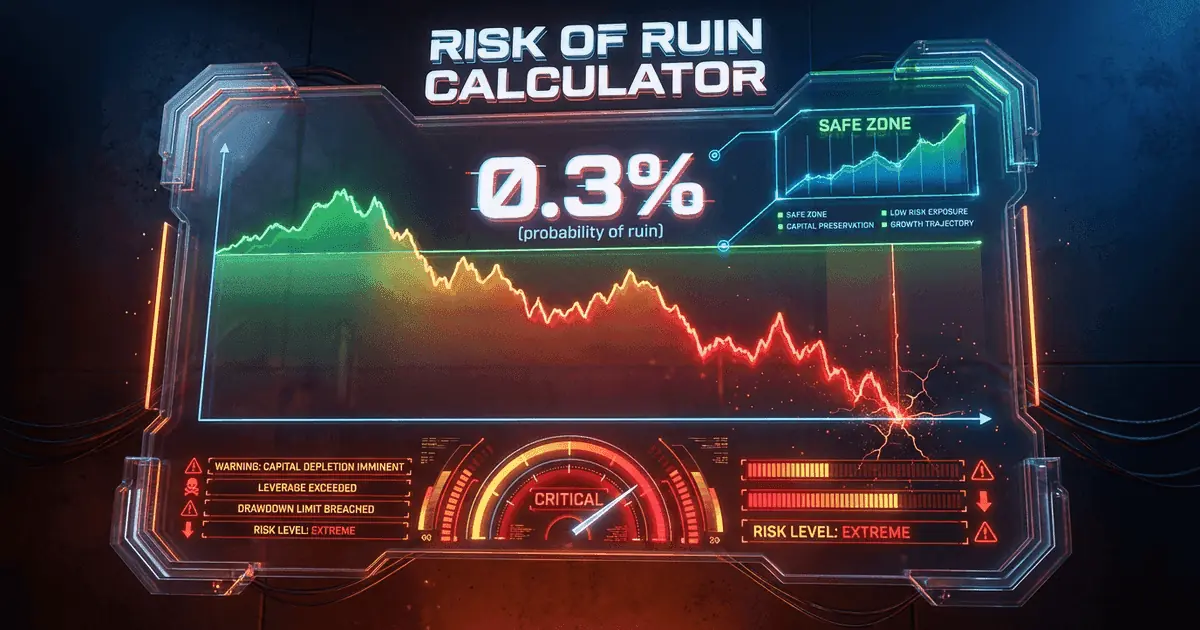






True diversification means trading assets that do not move together. Now that you understand correlations, build a robust portfolio.
Discover our premium NinjaTrader 8 indicators — precision-coded tools that do the heavy lifting for you.
Browse IndicatorsLoading reviews...
Loading reviews