
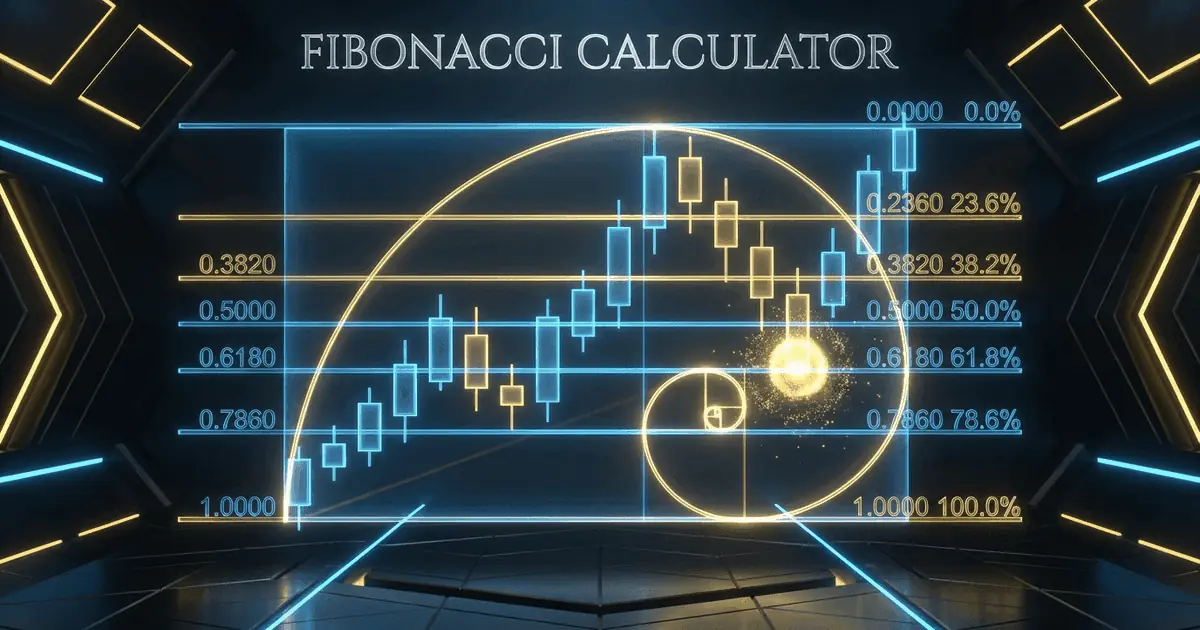
Instantly calculate Fibonacci retracement and extension levels to identify support zones, resistance, and price targets.
200.0 pips
1.10000 → 1.12000
The golden ratio (phi = 1.618...) appears everywhere in nature: seashell spirals, leaf arrangements, human body proportions. In trading, this ratio captures the natural balance between buyers and sellers. The 61.8% level is statistically the most reliable for reversals.
Leonardo Fibonacci, a 13th-century Italian mathematician, introduced to Europe a revolutionary numerical sequence he discovered while studying Arabic mathematics. This sequence -- 0, 1, 1, 2, 3, 5, 8, 13, 21, 34, 55, 89... -- where each number is the sum of the two preceding ones, turned out to be one of the most fundamental patterns in the universe.
What makes this sequence extraordinary is the ratio between consecutive numbers. Divide any number by its predecessor (e.g., 89/55 = 1.618) and you get approximately the Golden Ratio, or golden number. This ratio of 1.618 (and its inverse 0.618) appears in galaxy spirals, the arrangement of flower petals, the proportions of the Parthenon, and even the ratio of your finger joints.
The application to trading appeared in the 20th century when technical analysts noticed that financial markets -- reflections of collective human behavior -- naturally followed these proportions. Price corrections often stop at Fibonacci levels as if an invisible force held them back. This force is the mass psychology of millions of traders who, consciously or not, respect these natural proportions.
Fibonacci retracements measure how far the price can correct before resuming its initial trend. Imagine a rubber band: the more you stretch it (the initial movement), the more it can bounce back (the retracement) before potentially heading back in the original direction.
If retracements tell you where to enter, extensions tell you where to exit. Once the price has retraced and resumes its trend, Fibonacci extensions project how far the move can go beyond the initial swing high/low.
The 127.2% level is the first realistic target after a breakout. The 161.8% (Golden Extension) is often the optimal level for taking profits -- far enough to maximize gain, not too far to avoid being greedy. The 200% and beyond extensions are for exceptional moves and very strong trends.
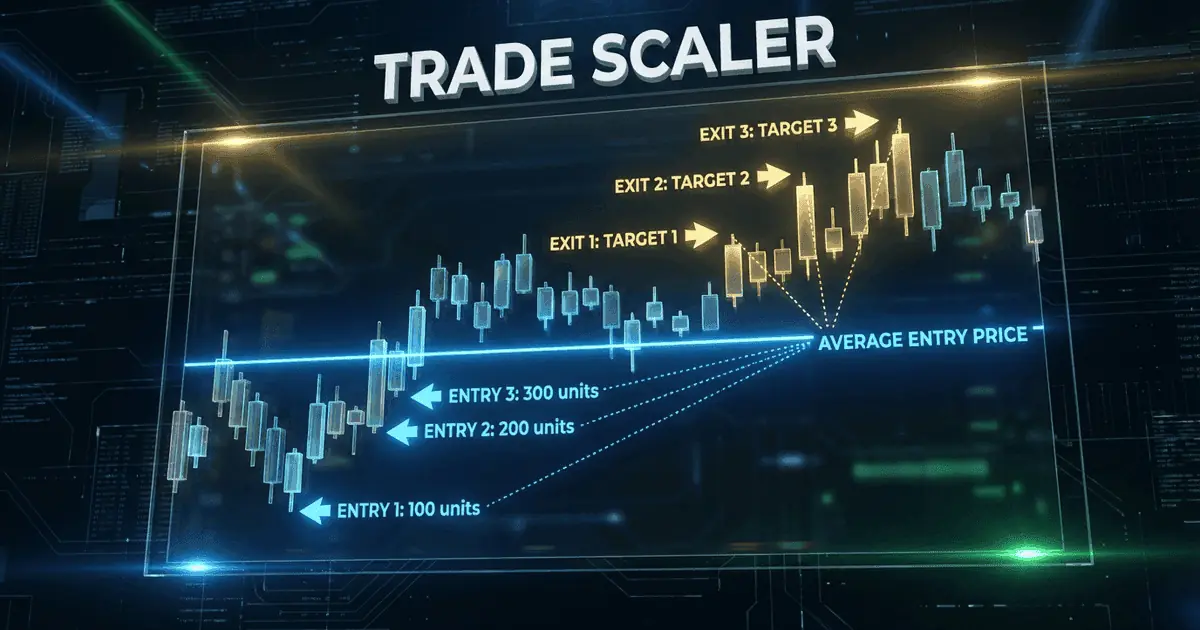
A powerful technique is to take partial profits at each extension level: 50% of the position at 127.2%, 30% at 161.8%, and let 20% run toward 200% or more with a trailing stop. This locks in gains while capturing extended moves.
The accuracy of the drawing determines the reliability of the levels. Too many traders draw Fibonacci approximately and then wonder why the levels don't work. Here is the professional method:
Use candle bodies rather than wicks for extreme points -- wicks often represent temporary excesses while bodies show where price was actually accepted. However, on very clean moves with significant wicks, using the wicks can be more accurate.
An isolated Fibonacci level is just a probability. But when that level coincides with other technical factors, it becomes a high-probability zone. This is called confluence.
The most powerful confluences include: a Fibonacci level that aligns with horizontal support/resistance, an important moving average (50 or 200 periods), a psychological level (round numbers like 1.1000), a trend line, or a Fibonacci from another timeframe.
The multi-timeframe approach is particularly effective. Draw Fibonacci on the Weekly, Daily, and H4. Zones where multiple levels converge (for example, the 61.8% of the Weekly near the 38.2% of the Daily) are institutional zones where major players place their orders.
In practice, note your confluence zones on your chart. When price approaches a zone with 2-3 aligned factors, watch for reversal signs on a lower timeframe to time your entry.
There are two schools of thought for entering on Fibonacci levels: the aggressive entry and the conservative entry. Each has its advantages.
Place a limit order directly on the Fibonacci level (e.g., 61.8%). Advantage: you won't miss the trade if price bounces quickly. Disadvantage: sometimes price passes through the level without bouncing.
Wait for confirmation: candlestick pattern (pin bar, engulfing), RSI divergence, or price structure. Advantage: better success rate. Disadvantage: sometimes you enter at a worse price or miss the trade.
The hybrid method combines both: place a small position (1/3) as a limit order on the level, and add (2/3) if you get confirmation. This guarantees participation in the move while optimizing your average entry price.
The major advantage of Fibonacci for risk management is that it provides clear invalidation levels. If you enter at the 61.8%, your logical stop is below the 78.6% or below the 100% (the swing low/high).
This structure naturally creates a good risk/reward. Entering at 61.8% with a stop below 78.6% and a target at 127.2% offers a ratio of approximately 2:1. With a target at 161.8%, you can reach 3:1 or more.
Important rule: if the price closes significantly below the Fibonacci level where you entered (not just a wick), the scenario is likely invalidated. Do not average down hoping the next level will hold -- respect your stop and look for a new opportunity.
Fibonacci ratios work on all markets because they measure human behavior, not the specific characteristics of an asset. However, certain nuances exist.
In Forex, levels are very well respected due to the massive participation of institutions that use these same tools. Major pairs like EUR/USD show particularly clean reactions at key levels.
In cryptocurrencies, movements are more volatile and can easily pass through multiple levels. Favor higher timeframes (H4+) and confluence zones to filter out noise.
In stocks and indices, Fibonacci excels at corrections within established trends. Pullbacks on stocks in strong uptrends often find support at the 38.2% or 50% before resuming.
Fibonacci retracements and extensions are not a magic solution, but a structured framework for analyzing markets. They give you objective levels for planning your trades instead of making impulsive decisions.
The true power of Fibonacci lies in its combination with other elements of analysis. Use it to identify zones of interest, then confirm with price action, indicators, and market context. This methodical approach transforms Fibonacci from a simple drawing tool into a robust trading system.
Start by drawing Fibonacci on your historical charts. Observe how price reacted at different levels. With practice, you will develop an intuition for the most reliable configurations and highest-probability zones. It is this accumulated experience, combined with Fibonacci's timeless mathematical ratios, that will make the difference in your trading.
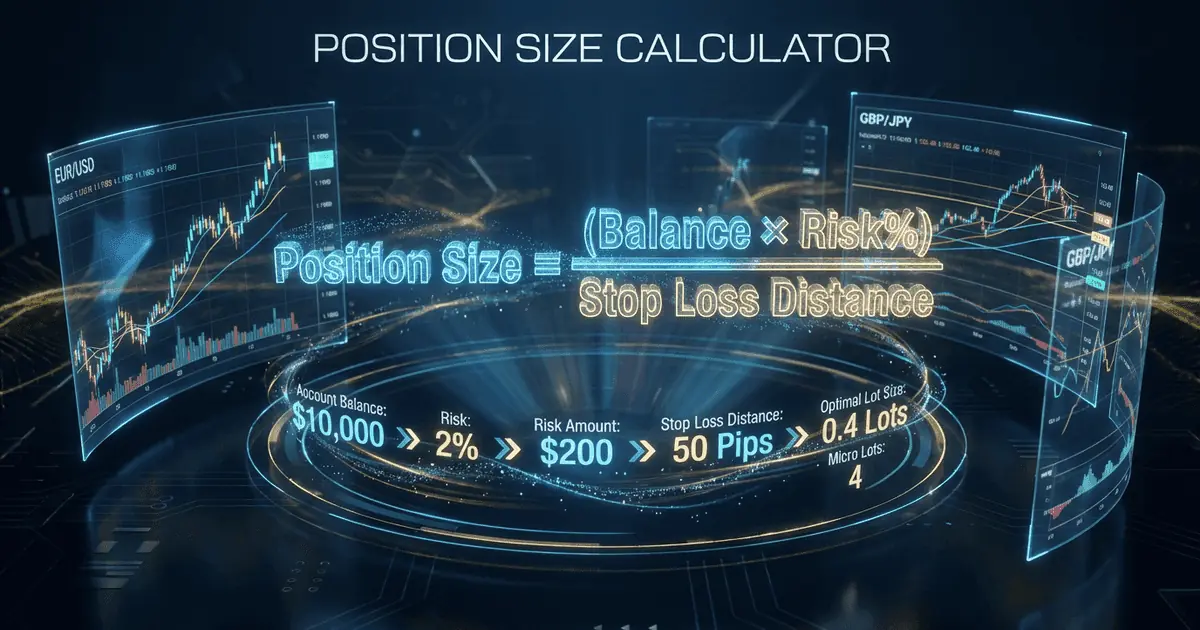
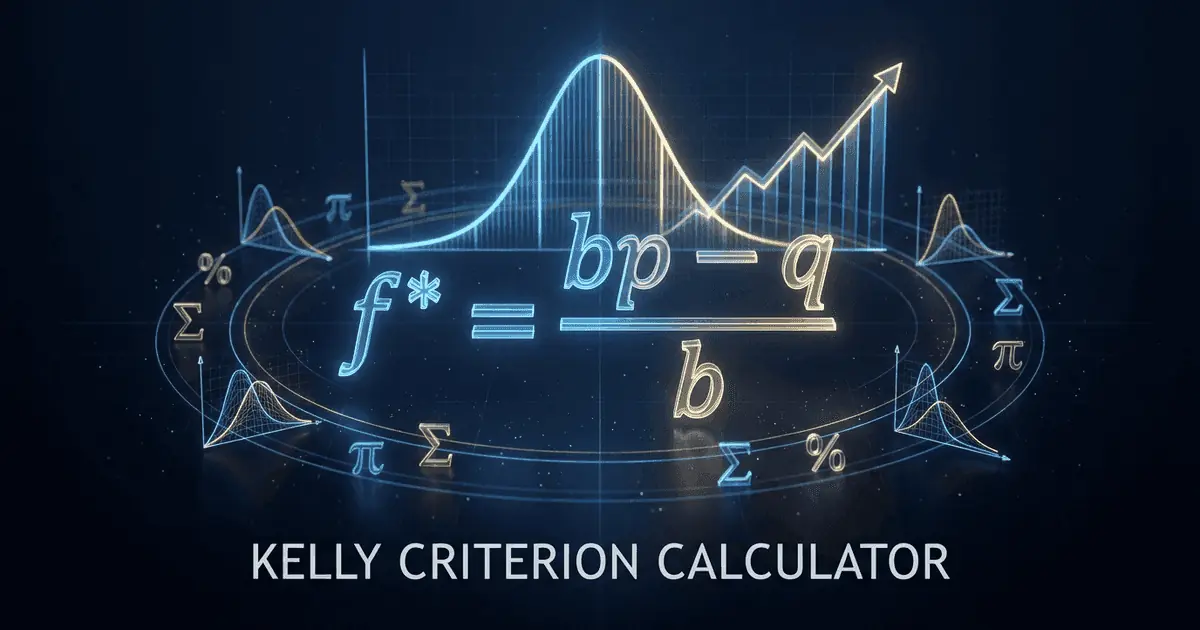
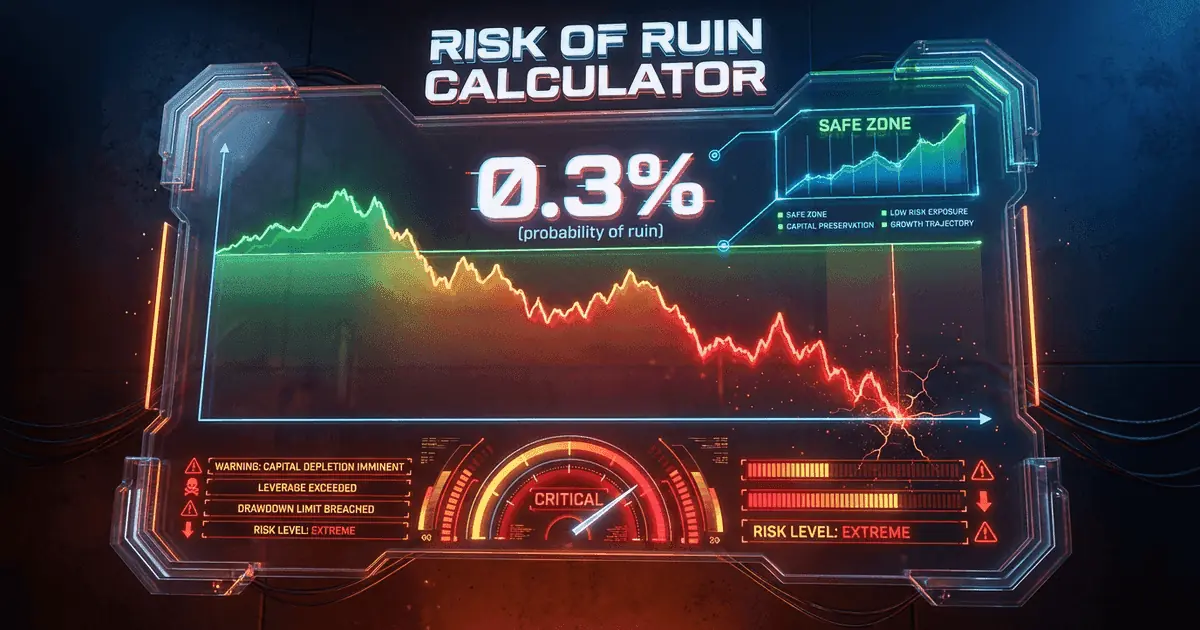



Discover our other tools to optimize your trading
Discover our premium NinjaTrader 8 indicators — precision-coded tools that do the heavy lifting for you.
Browse IndicatorsLoading reviews...
Loading reviews