
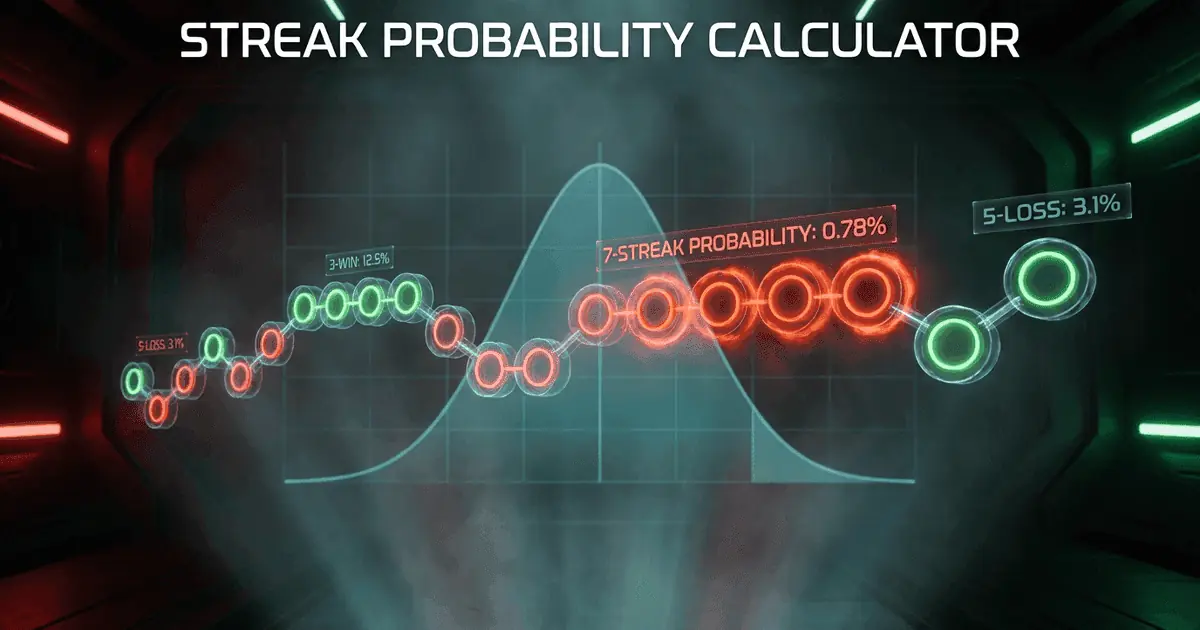
Calculate the probability of consecutive winning or losing streaks to better prepare yourself psychologically.
Your trade success rate
Number of trades over the analyzed period
Number of consecutive trades to analyze
55%
45.0%
5.03%
99.30%
1.85%
83.27%
| Streak | P(Win Streak) | P(at least 1 Win) | P(Loss Streak) | P(at least 1 Loss) |
|---|---|---|---|---|
| 2 trades | 30.25% | >99.99% | 20.25% | >99.99% |
| 3 trades | 16.64% | >99.99% | 9.11% | >99.99% |
| 4 trades | 9.15% | >99.99% | 4.10% | 98.28% |
| 5 trades | 5.03% | 99.30% | 1.85% | 83.27% |
| 6 trades | 2.77% | 93.05% | 0.83% | 54.71% |
| 7 trades | 1.52% | 76.36% | 0.37% | 29.67% |
| 8 trades | 0.84% | 54.25% | 0.17% | 14.49% |
| 9 trades | 0.46% | 34.60% | 0.08% | 6.73% |
| 10 trades | 0.25% | 20.61% | 0.03% | 3.05% |
| 11 trades | 0.14% | 11.79% | 0.02% | 1.37% |
With your win rate of 55%, here is the potential drawdown based on your risk per trade:
| Losing Streak | Probability | DD @ 1% | DD @ 2% | DD @ 3% | DD @ 5% |
|---|---|---|---|---|---|
| 2 losses | 20.25% | -2.0% | -4.0% | -5.9% | -9.8% |
| 3 losses | 9.11% | -3.0% | -5.9% | -8.7% | -14.3% |
| 5 losses | 1.85% | -4.9% | -9.6% | -14.1% | -22.6% |
| 7 losses | 0.37% | -6.8% | -13.2% | -19.2% | -30.2% |
| 10 losses | 0.03% | -9.6% | -18.3% | -26.3% | -40.1% |
DD = Drawdown. The compounded drawdown is slightly less than (risk x number of losses) because each loss reduces the calculation base.
These thresholds assume you are following your system without deviation. Tilt can turn a normal streak into a catastrophe.
Nothing tests a trader's psychology more than a consecutive losing streak. Even with a profitable system, these streaks are inevitable and can feel endless when you're in the middle of one. Understanding their probability helps normalize them and stay rational.
The human brain is poorly wired for trading. After 3 losses, we start to doubt. After 5, some abandon their system. After 7, revenge trading often sets in. Yet statistically, these streaks don't necessarily mean something is wrong.
Knowing the probabilities in advance allows you to prepare mentally. When you know that a 5-loss streak has an X% chance of occurring, you can accept it as a normal cost of doing business, not as a sign of impending catastrophe.
The basic calculation is simple: the probability of n consecutive independent events is p^n, where p is the probability of each event. For 5 losses with a 45% chance of losing (55% win rate), it's 0.45^5 = 1.85%.
But that's only the "per attempt" probability. Over 100 trades, you have about 96 "attempts" to start a streak of 5. The probability of at least one streak becomes 1 - (1-0.0185)^96 ≈ 83%. Suddenly, what seemed rare becomes almost certain.
This is why traders are often surprised by streaks: they think about the instantaneous probability, not the cumulative probability over their trading period.
Interestingly, winning and losing streaks have the same mathematics (reversed) but very different psychological impacts. A 5-win streak creates euphoria and potentially overconfidence. A 5-loss streak creates fear and doubt.
The appropriate response in both cases is the same: stay faithful to your system and your risk management. Neither euphoria nor fear should dictate your trading decisions.
Your risk per trade should be calibrated to survive probable losing streaks. The general rule is to be able to comfortably withstand a streak of 10-15 losses without your capital or your psychology suffering fatally.
This simplified calculation does not account for compounding (each loss reduces the base), but gives a rough estimate.
How do you distinguish a normal streak from a real problem with your system? Here are some indicators:
Professional traders have protocols for managing losing streaks. Here are the most common approaches:
After X consecutive losses (e.g., 5), stop trading for the day/week. This prevents tilt and allows time for objective analysis.
Reduce your position size by 25% after each loss. Return to normal size after 2 consecutive wins. This protects capital during difficult streaks.
After 5+ losses, review each trade objectively. Was it a good setup according to your rules? Was the execution correct? Separate process quality from outcome.
Record your emotional state before and after each trade. Identify whether losses are affecting your judgment. Recognizing tilt is the first step to avoiding it.
Winning and losing streaks are the price of admission to trading. They cannot be avoided, only managed. The key is to anticipate them, budget for them in your trading plan, and stay disciplined when they occur.
This calculator helps you quantify what seems unquantifiable. By transforming uncertainty into concrete probabilities, you can shift from emotional reaction to rational response.
Remember: your next losing streak is not a sign that you are a bad trader. It's a reminder that trading is a game of probabilities, and that variance is part of the game. Your job is to survive long enough for the probabilities to work in your favor.
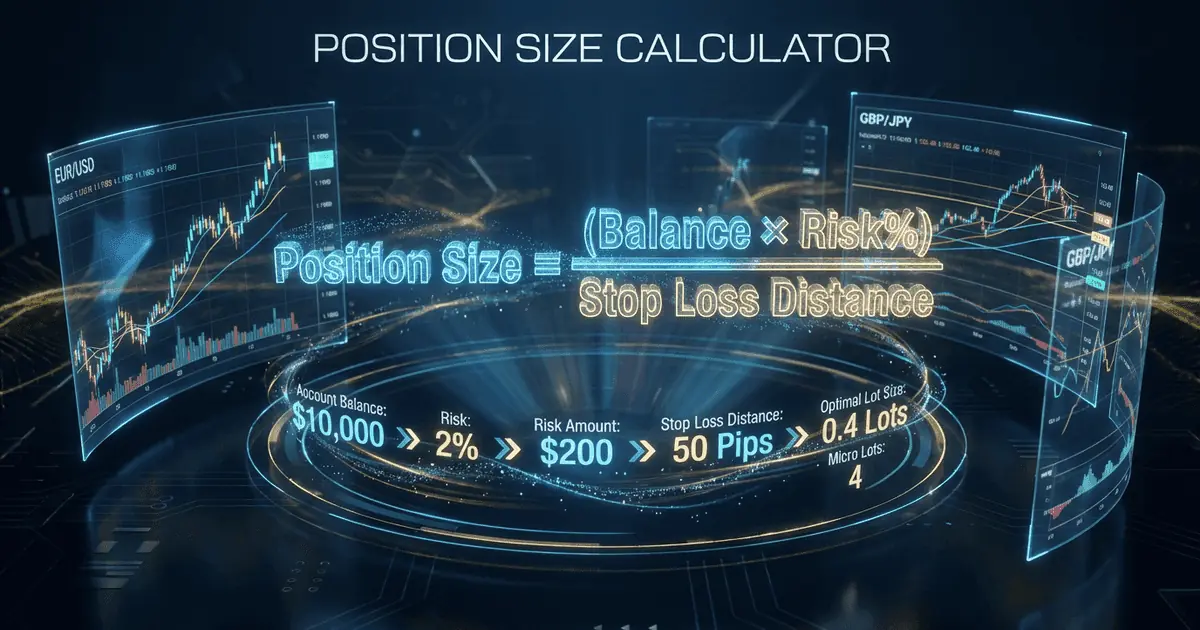
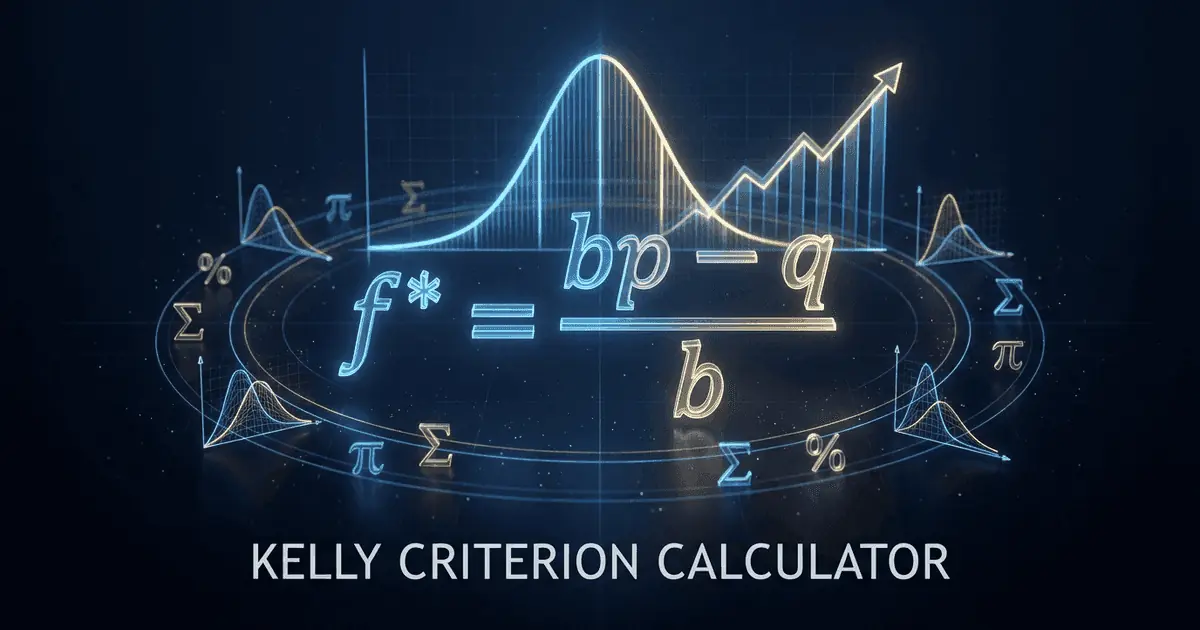





Discover our other statistics and money management tools
Discover our premium NinjaTrader 8 indicators — precision-coded tools that do the heavy lifting for you.
Browse IndicatorsLoading reviews...
Loading reviews