
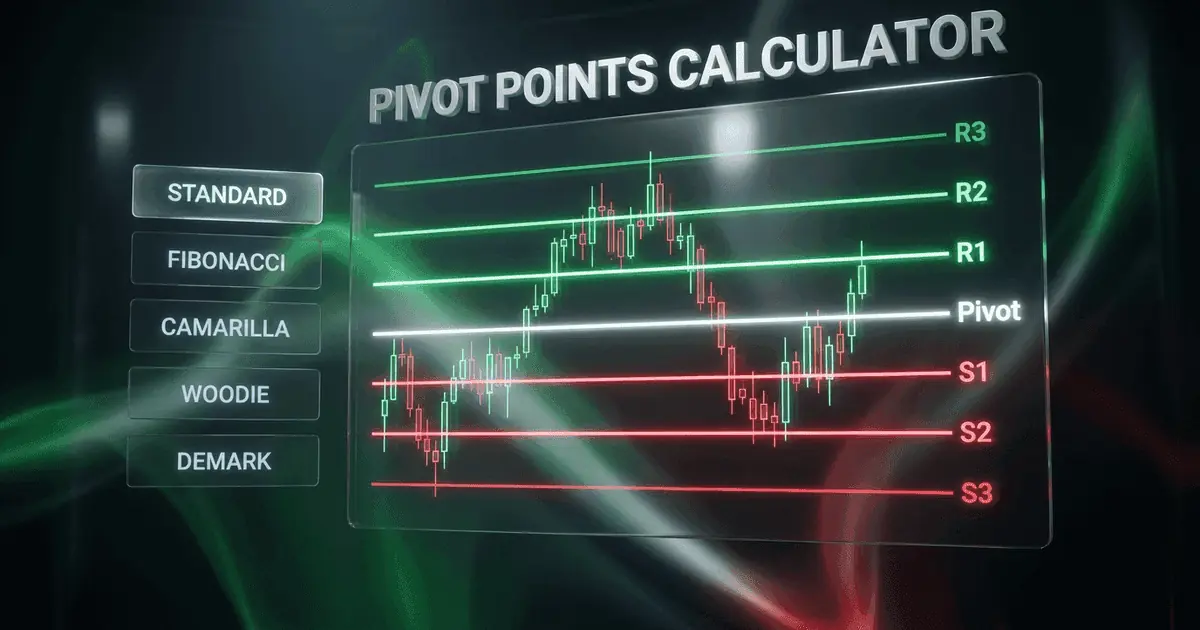
Calculate key support and resistance levels using 5 different methods: Standard, Fibonacci, Camarilla, Woodie, and DeMark.
Slightly Bullish
Between Pivot and R1
The most widely used method. Simple and effective. These levels are watched by the majority of traders, creating a self-fulfilling prophecy.
Combines pivots with Fibonacci ratios (38.2%, 61.8%). Excellent for traders who already use Fibonacci in their analysis.
4 S/R levels with reversal logic (S3/R3) and breakout logic (S4/R4). Very popular for scalping and intraday day trading.
Gives more weight to the closing price. Levels are closer to the close, better reflecting end-of-session sentiment.
Adaptive based on the Open/Close relationship. Better captures the bullish or bearish dynamics of the previous candle.
Pivot Points were developed by floor traders in Chicago during the 1930s-1950s, long before the computer age. These traders, who operated in the pits of the Chicago Mercantile Exchange, needed a quick way to calculate support and resistance levels for the upcoming day.
Using only the previous day's High, Low, and Close, they could mentally calculate a central level (the pivot) and the surrounding S/R levels. This simplicity was crucial: in the chaos of the trading pits, decisions had to be made in seconds, not minutes.
Today, even with all our sophisticated tools, Pivot Points remain among the most widely used indicators by institutional traders. Why? Because they are universal, objective, and - crucially - everyone watches the same levels, creating zones of collective action.
The central pivot point is much more than a simple average. It is the "equilibrium point" of the market - the price around which the market gravitated during the previous session. The Standard formula (High + Low + Close) / 3 captures the essence of that session in a single number.
The position of the opening price relative to the pivot immediately sets the tone for the day. A gap above the pivot suggests an initial bullish bias. A gap below suggests a bearish bias. This initial positioning often influences the entire session.
Professional traders use the pivot as a "judge": above the pivot, they look for buying opportunities toward R1, R2. Below it, they favor selling toward S1, S2. This is not an absolute rule, but a powerful directional filter.
Each resistance level represents a zone where selling pressure is likely to increase. R1 is the first obstacle - if price breaks through it with conviction, it has a good chance of reaching R2. R3 is typically reached only during highly directional days.
How price reacts at each level is informative. A sharp rejection at R1 suggests that sellers are active and the bullish move is fading. Conversely, a consolidation below R1 followed by a clean breakout indicates sustained buying interest.
Statistically, under normal market conditions, price reaches R1 or S1 on about 70% of days. It reaches R2 or S2 on about 30% of days. R3 or S3 are hit during exceptionally volatile days, often following major news or events.
Supports act as a "floor" where buyers are likely to step in. S1 is the first test of bearish conviction. If price bounces at S1, it is often a good intraday buying point with a tight stop below the level.
A break of S1 changes the dynamic. The level that was support becomes resistance - this is the polarity principle. Many traders wait for a retest of S1 from below to enter short, targeting S2.
S3 often represents a "capitulation" or "panic selling" zone. When price reaches S3, contrarian traders begin looking for reversal signals for counter-trend buys. It is risky but potentially very profitable if the timing is right.
Camarilla deserves special attention because its logic is different. Developed by Nick Scott in 1989, it is based on the principle that price tends to revert toward the previous day's close (mean reversion).
S3 and R3 are reversal levels: when price reaches S3, you look for buys. When it reaches R3, you look for sells. The idea is that these levels mark an excessive extension of the move.
S4 and R4 are breakout levels: if price breaks R4, it is a signal to follow the bullish move (not to sell). The reverse applies for S4 to the downside. These breaks indicate a strong trending day where mean reversion does not work.
This reversal/breakout duality makes Camarilla a complete system for day trading: you know when to play the range and when to follow the trend.
Pivot Points become more powerful when combined with other forms of analysis. The confluence of multiple factors on a single level significantly increases the probability of a reaction.
Fibonacci + Pivots: If a 61.8% Fibonacci retracement coincides with an S1 or R1 level, it is a very high-probability zone. Institutional traders watch these clusters closely.
Moving Averages + Pivots: The convergence of a pivot with a key moving average (50 or 200 period) creates a "double-reinforced" level. Price tends to react more strongly.
Volume Profile + Pivots: When a pivot level coincides with a POC (Point of Control) or an HVN (High Volume Node), you have a zone where historically many transactions took place. These zones act as magnets for price.
While daily pivots are popular among day traders, weekly and monthly pivots are the favorites of institutional traders. These levels are calculated the same way but using the OHLC data from the previous week or month.
A monthly pivot represents the equilibrium of an entire month of activity - it is a major level that hedge funds and banks watch closely. When price approaches a monthly pivot, expect a significant reaction and potentially a shift in market behavior.
The best approach is multi-timeframe: use weekly and monthly pivots to identify major zones, then daily pivots to fine-tune the timing of your entries. If a daily pivot coincides with a weekly pivot, you have a high-quality setup.
In an increasingly complex trading world with algorithms, AI, and sophisticated indicators, Pivot Points remain remarkably relevant. Their strength lies in their simplicity and universality.
Every day, millions of traders - from retail scalpers to institutional desks - watch the same pivot levels. This collective attention creates real reactions at these levels, making pivots a self-fulfilling prophecy.
Start with Standard pivots on your preferred market. Observe how price reacts at each level over several weeks. Note the patterns that repeat. Over time, you will develop an intuition for the most reliable setups. It is this experience, combined with the objectivity of mathematical levels, that will turn Pivot Points into a powerful tool in your trading arsenal.
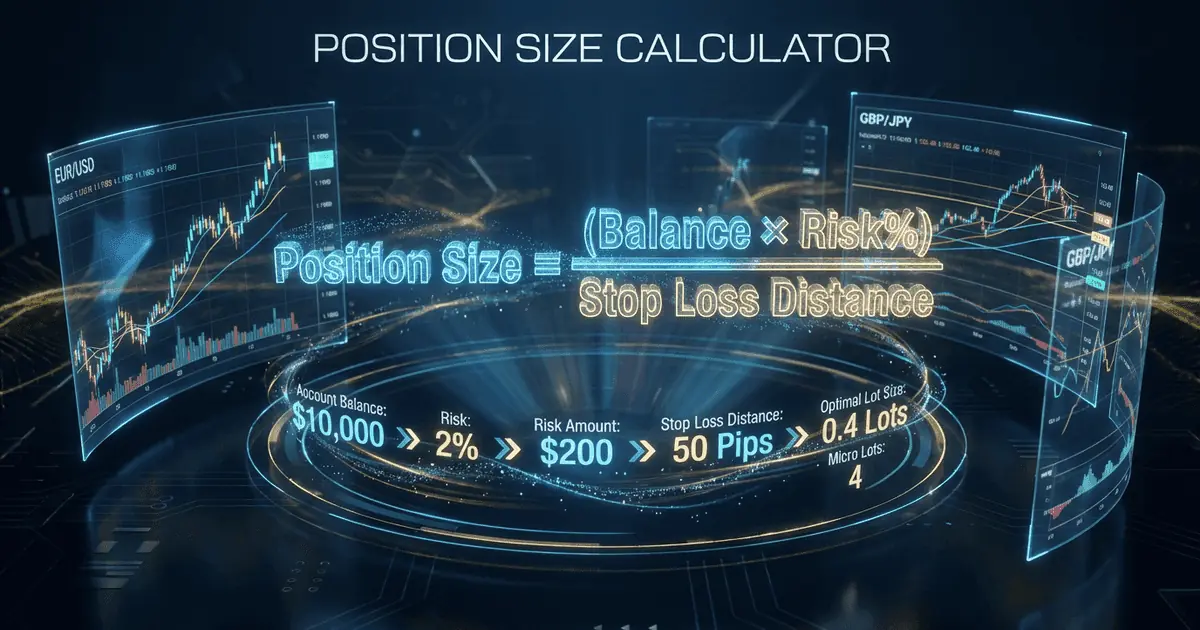


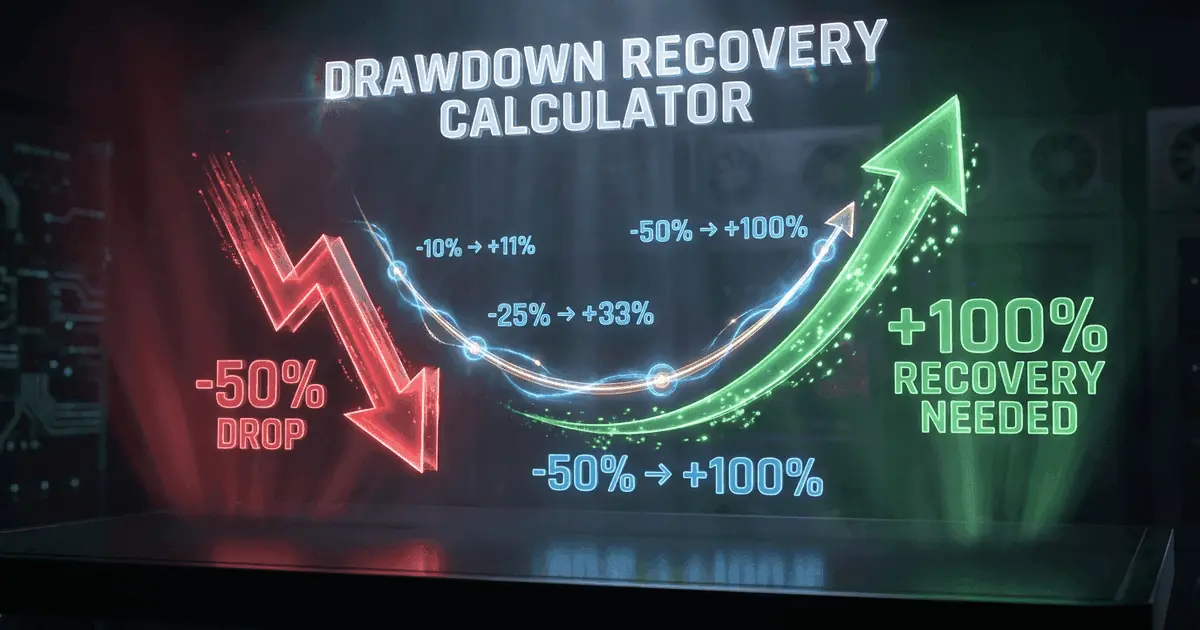

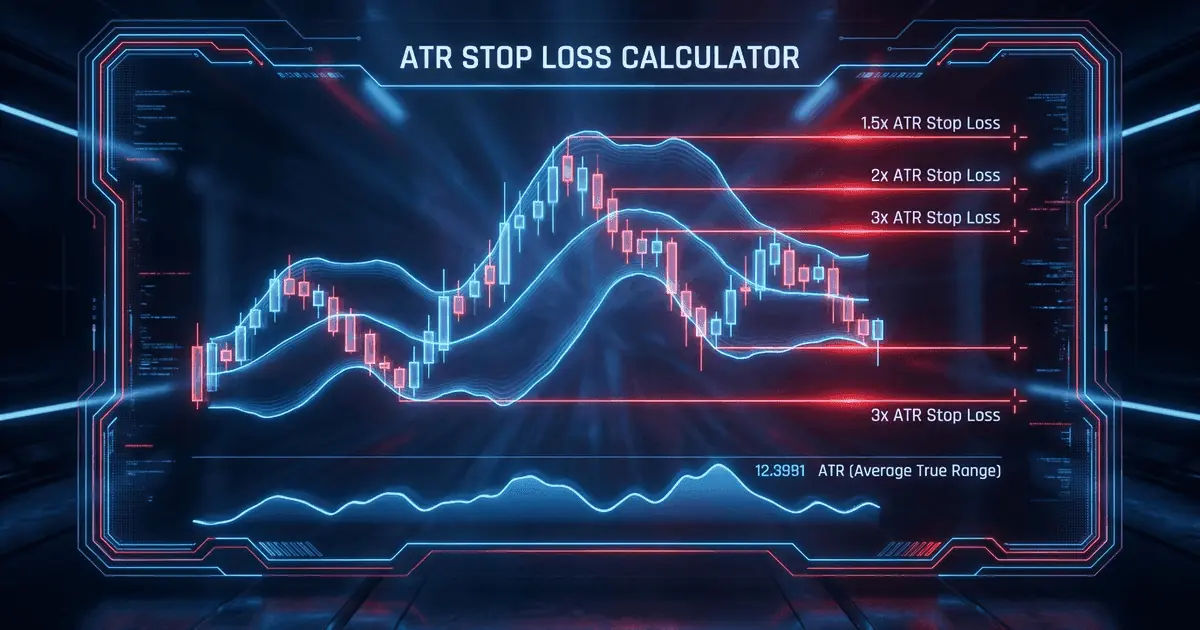







Discover our other calculators for more effective trading
Discover our premium NinjaTrader 8 indicators — precision-coded tools that do the heavy lifting for you.
Browse IndicatorsLoading reviews...
Loading reviews