
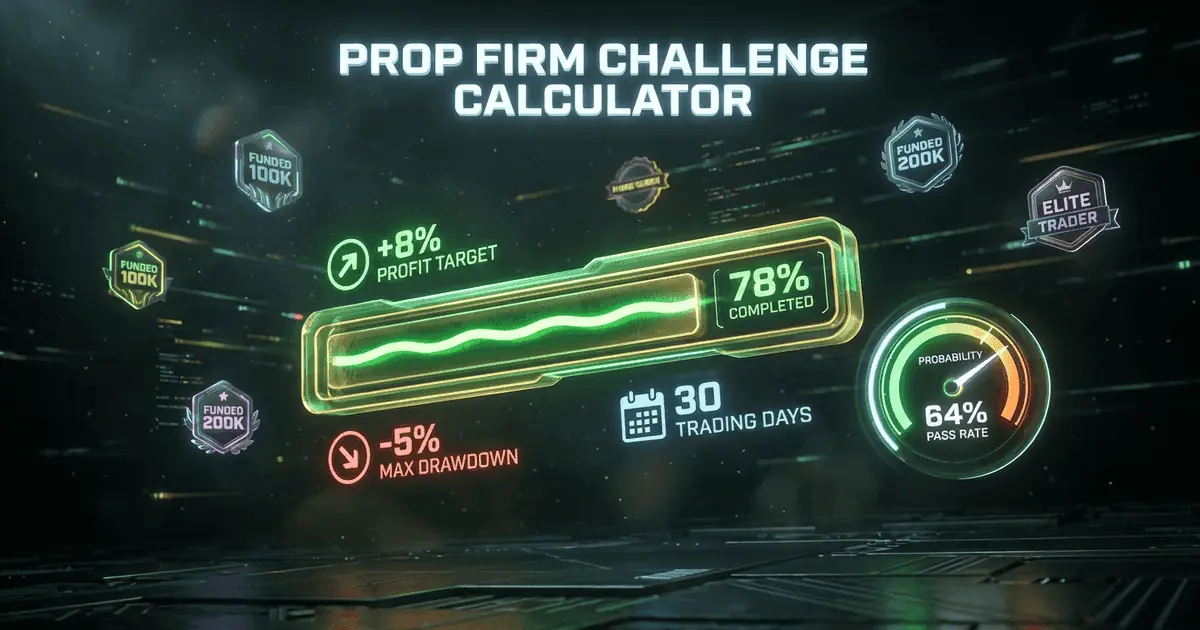
Calculate your real chances of passing a Prop Firm challenge. Stop guessing, trust the mathematics.
+50%
per R risked10
max consecutive lossesBased on 5,000 simulations
Hitting the max drawdown
Verdict:Critical configuration! Mathematically, you have more chances of losing than winning. Do NOT start this challenge without adjusting your parameters.
This calculator uses a simplified Monte Carlo simulation. Real results depend on many factors: your discipline, the quality of your setups, market conditions, and your psychology. Use these numbers as a guide, not a guarantee.
The mathematical truth that Prop Firms don't tell you
You've probably seen the ads: "Manage up to $200,000 in capital!", "Keep 80% of the profits!". Prop Firms like FTMO, The Funded Trader, or MyForexFunds promise a shortcut to professional trading. But there is a truth their marketing doesn't mention: the vast majority of traders fail the challenge.
The numbers vary by source, but estimates suggest that 75% to 90% of traders don't pass the first phase. It's not because they are bad traders. It's because they don't understand the mathematics of the challenge.
This calculator exists for a simple reason: to give you the statistical truth before paying the challenge fee. If your probability of success is 30%, are you really ready to pay $500 for a one-in-three chance?
A Prop Firm challenge is a barrier game. You have two invisible lines:
The trap? These two lines are not symmetrical. Here's why:
The Prop Firm makes money on challenge fees. The more you fail, the more profitable it is for them.
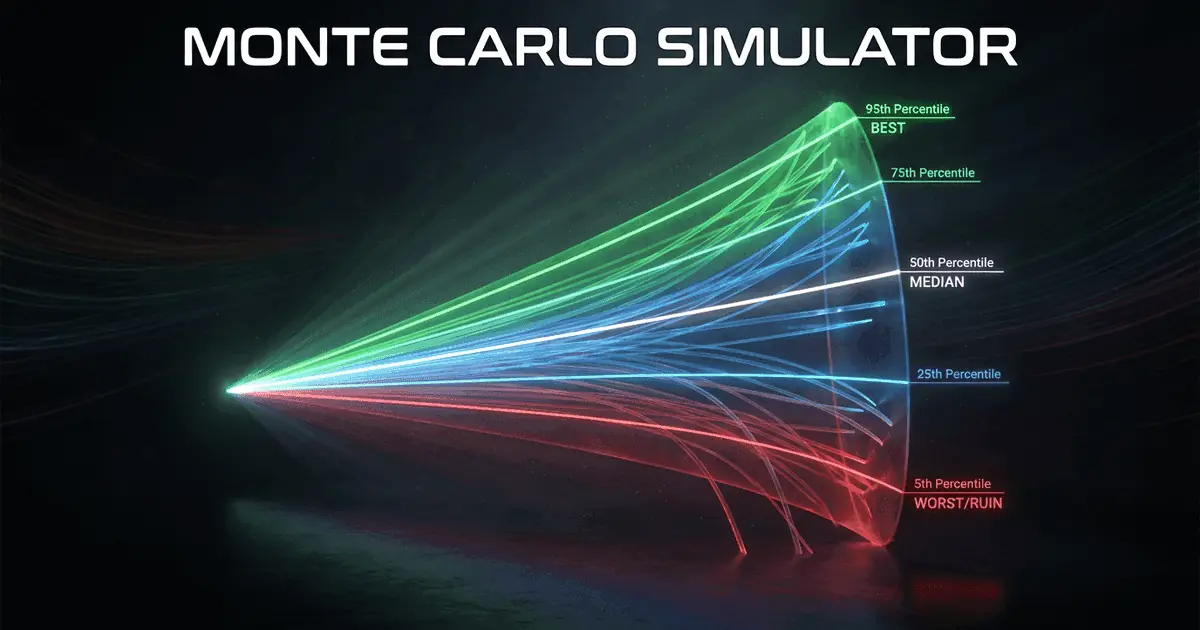
The calculator simulates your challenge 5,000 times with your parameters. For each simulation:
Simulations per calculation
The most important and most overlooked variable.
Impact on the challenge
Your percentage of winning trades.
Impact on the challenge
How much you win when you win.
Impact on the challenge
It's counter-intuitive because it seems 'too small'. But with 0.5% risk and 10% max DD, you can absorb 20 consecutive losses. This resilience is your life insurance. Prop Firm pros never exceed 0.5%.
With a 2:1 R:R and 40% win rate, you're profitable. With a 1:1 R:R and the same win rate, you lose money. The R:R is the multiplier of your edge. Look for setups that naturally offer 2R or more.
NFP, FOMC, CPI... These events create spikes that can hit your drawdown in seconds. Many traders have lost their challenge on a single news spike. Avoid the 30 minutes before and after announcements.
Revenge trading is the #1 killer of challenges. After 2 losses, take a minimum 24-hour break. Your brain is no longer in an optimal state for decision-making. This simple rule will save you.
Don't pay for a challenge before having 100+ trades on demo with accurate statistics. If your simulator shows 40% chance of success, you need to improve your stats before paying.
| Prop Firm | Profit Target | Max DD | Daily DD | Difficulty* |
|---|---|---|---|---|
| FTMO | 10% | 10% | 5% | Moderate |
| The Funded Trader | 10% | 10% | 5% | Moderate |
| MyForexFunds | 8% | 12% | 5% | Easy |
| True Forex Funds | 8% | 8% | 4% | Hard |
| Funded Next | 10% | 10% | 5% | Moderate |
*Difficulty is subjective and based on the Target/DD ratio. Always verify the current rules on the Prop Firm's website.
Prop Firms are neither a scam nor an easy shortcut to wealth. They are businesses that sell a service - access to capital in exchange for a share of the profits. Like any service, it is profitable for some and costly for others.
The difference between traders who succeed and those who fail often comes down to one thing: understanding probabilities. Winners don't start a challenge hoping to get lucky. They calculate their statistics, optimize their parameters, and only invest when the math is in their favor.
Use this calculator as your mandatory checkpoint. If your probability is below 60%, work on your statistics on demo first. If it's above 70%, you have a real chance. Above 80%? The challenge becomes a statistical formality.
The question is not "can I succeed?". It's "what is the probability that I succeed, and is it high enough to justify the investment?".
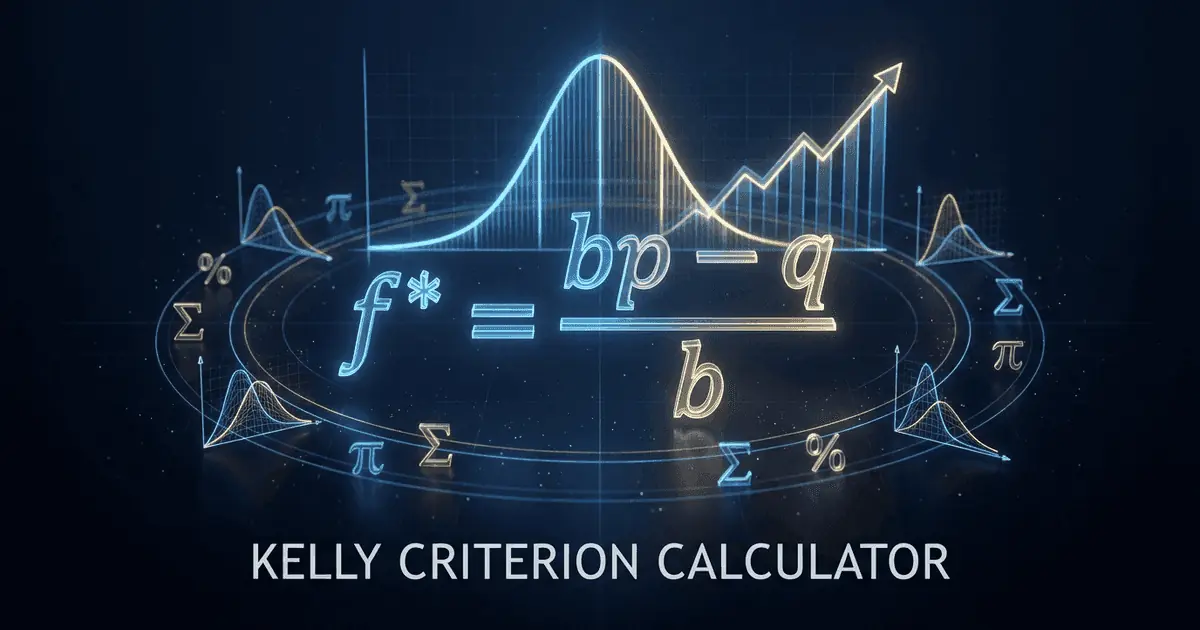
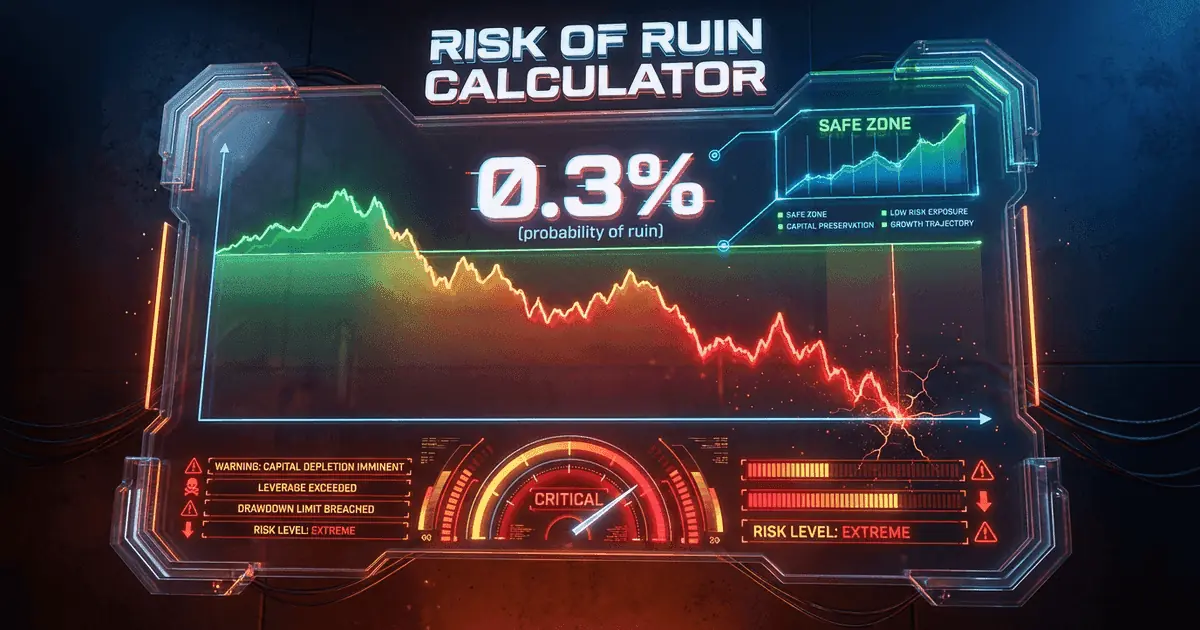
Before starting a challenge, use our other tools to refine your strategy and maximize your chances of success.
Discover our premium NinjaTrader 8 indicators — precision-coded tools that do the heavy lifting for you.
Browse Indicators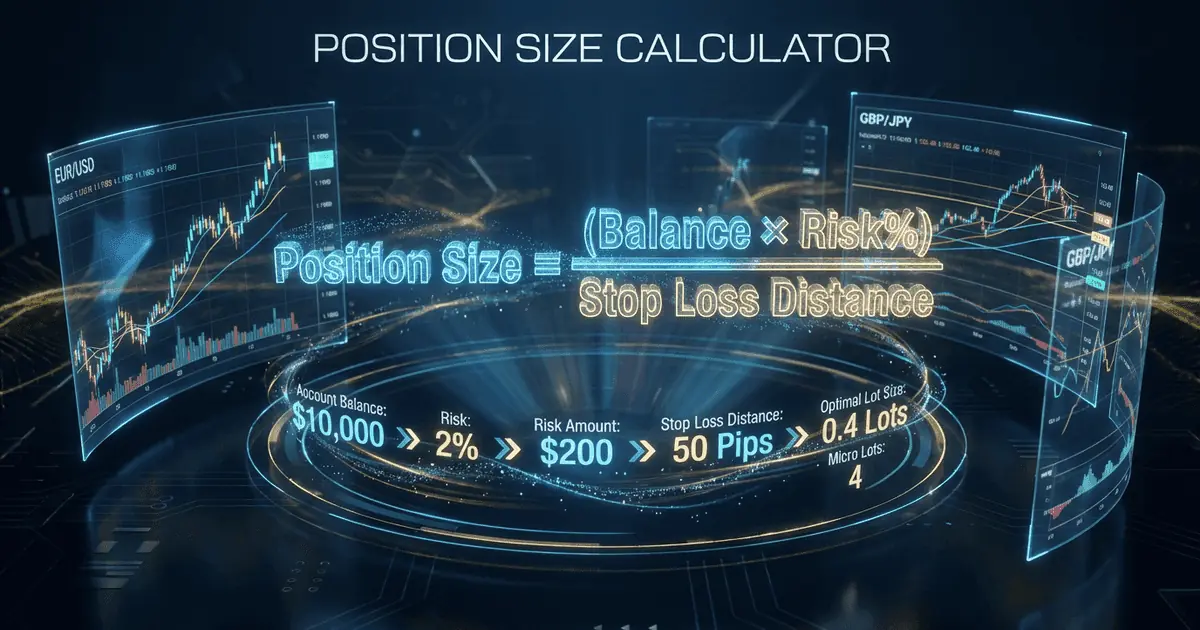

Loading reviews...
Loading reviews