TL;DR
Prop trading (proprietary trading) is a model where firms provide traders with capital in exchange for a share of profits. Modern prop firms like FTMO and Topstep offer funded accounts after traders pass evaluation challenges that test profitability and risk management discipline.
Prop trading (proprietary trading) is a model where a firm provides traders with capital to trade in exchange for a share of the profits. In the modern retail context, prop firms (such as FTMO, Topstep, or Apex Trader Funding) offer funded accounts to traders who pass evaluation challenges, allowing them to trade with the firm's capital while keeping 70-90% of the profits they generate. The prop trading model has democratized access to significant trading capital. Traders who cannot afford to fund large accounts themselves can now trade with $50,000 to $300,000+ in capital after passing an evaluation. This model has grown explosively since 2019, with dozens of prop firms now competing for trader clients. The key to understanding prop trading is recognizing that the evaluation is primarily a test of risk management, not trading skill. Most traders who fail do so because of poor position sizing and drawdown management, not because they cannot identify profitable setups.
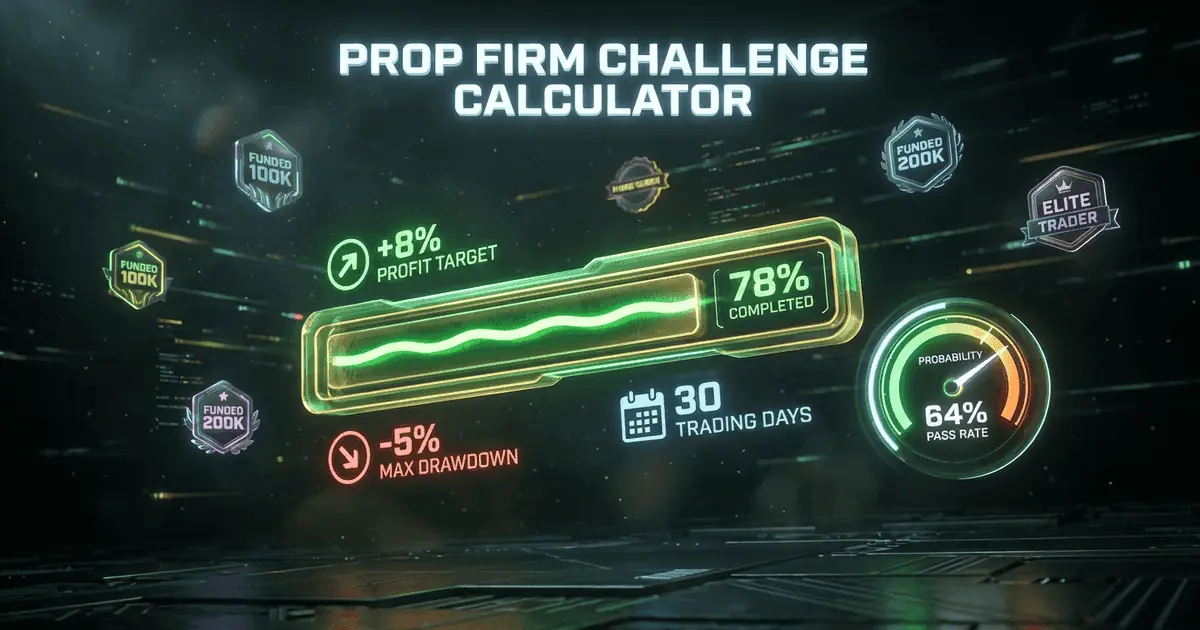
Modern prop trading typically follows a structured evaluation process. The first phase (Challenge or Evaluation) requires traders to reach a profit target (typically 8-10% of account value) while respecting strict risk rules within a specified timeframe (usually 30-45 days). The second phase (Verification) has a lower profit target (typically 5%) with the same or slightly relaxed risk rules, confirming consistency. After passing both phases, the trader receives a funded account and begins trading with the firm's capital. Evaluation fees typically range from $100 to $500+ depending on account size, and some firms offer free retries or discounts on re-evaluations. Common risk rules include maximum drawdown limits (5-10%), daily loss limits (2-5%), minimum trading days requirements (10+), and restrictions on holding positions overnight or during news events.
| Evaluation Phase | Profit Target | Max Drawdown | Daily Loss Limit | Timeframe |
|---|---|---|---|---|
| Phase 1 (Challenge) | 8-10% | 5-10% | 2-5% | 30-45 days |
| Phase 2 (Verification) | 4-5% | 5-10% | 2-5% | 60 days |
| Funded Account | No target | 5-10% | 2-5% | Unlimited |
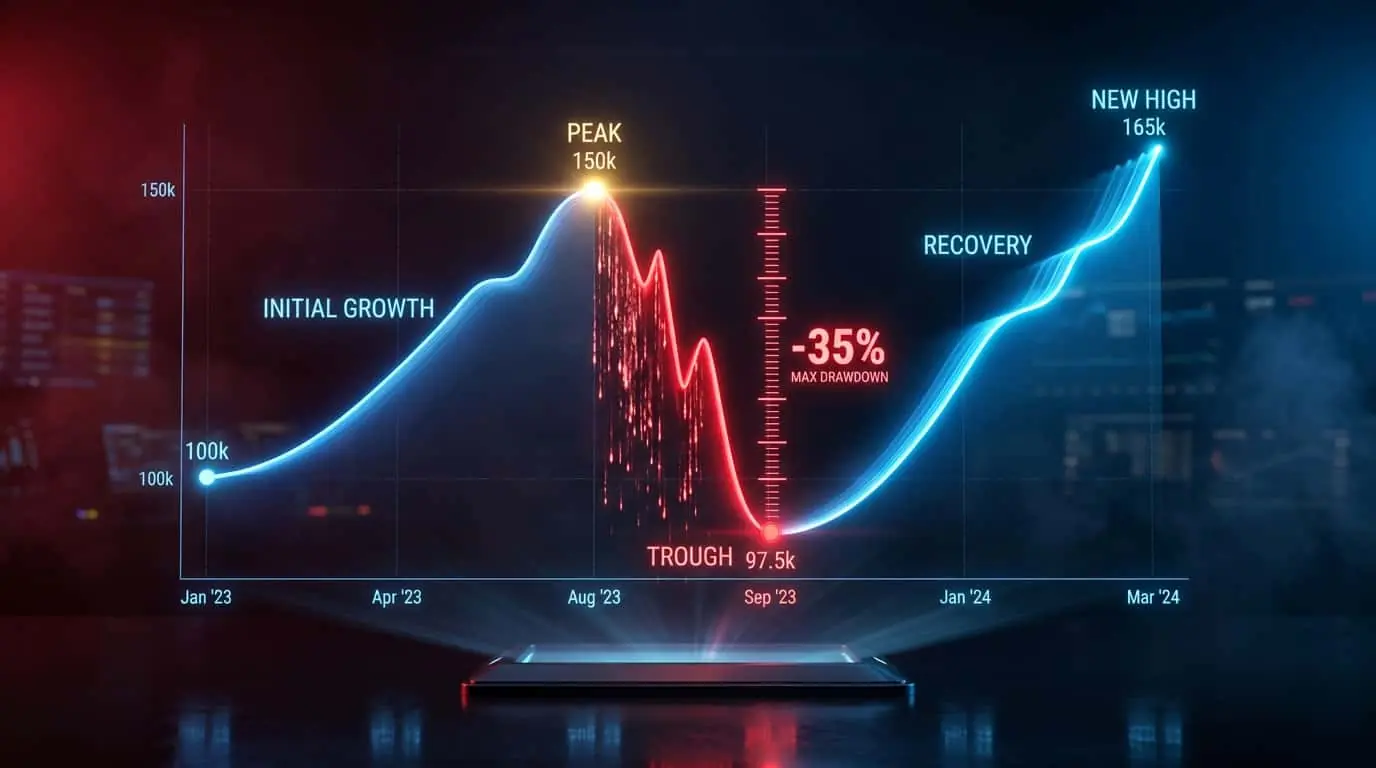
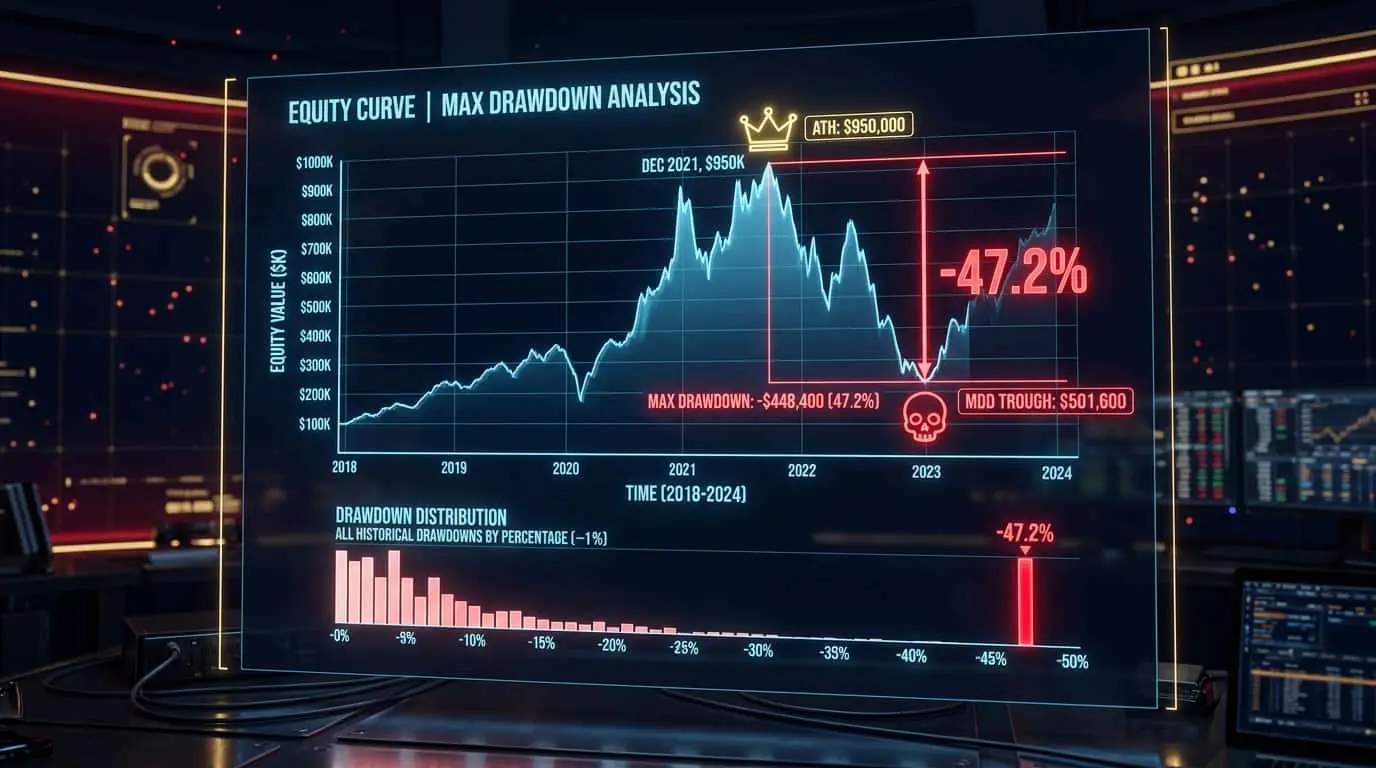
Understanding prop firm rules is critical because violating any single rule results in immediate account termination. The maximum drawdown rule limits how much your account can decline from its peak equity (trailing) or starting balance (static). This is the rule that eliminates the most traders because a few bad days can push you past the limit. The daily loss limit prevents you from losing more than a set amount in any single day, forcing you to stop trading when emotions run high. Minimum trading day requirements (typically 5-10 days) prevent traders from reaching the target with one lucky trade. Consistency rules (used by some firms) require that no single day accounts for more than 30-40% of your total profit, preventing lottery-style gambling. Some firms restrict trading during major news events, requiring all positions to be flat within a specified window around high-impact announcements.
Pro Tip
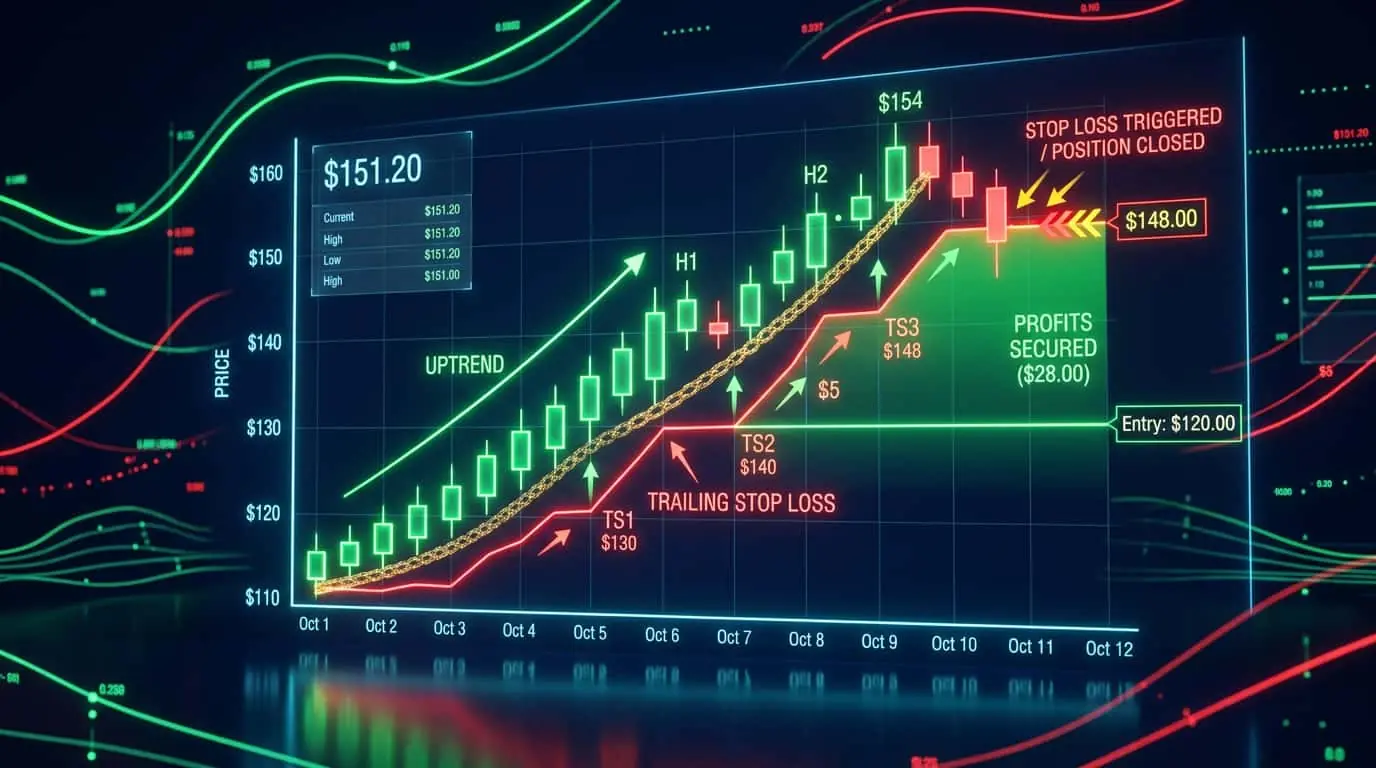
The trailing drawdown rule is the most dangerous. If your account peaks at +$2,000 and then falls to -$500 from that peak, you have used $2,500 of your drawdown limit. Early profits can actually work against you by raising the floor. Plan your risk around the trailing drawdown, not just the profit target.
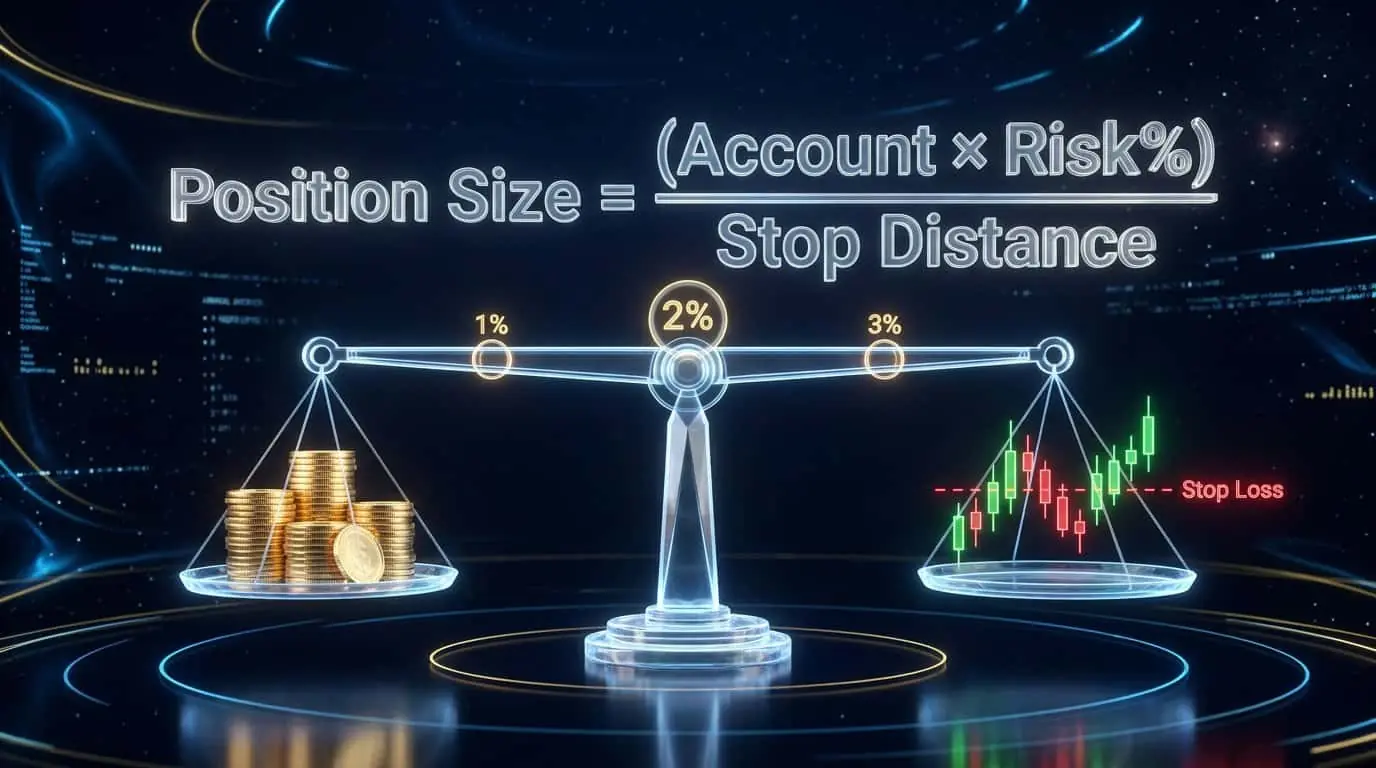
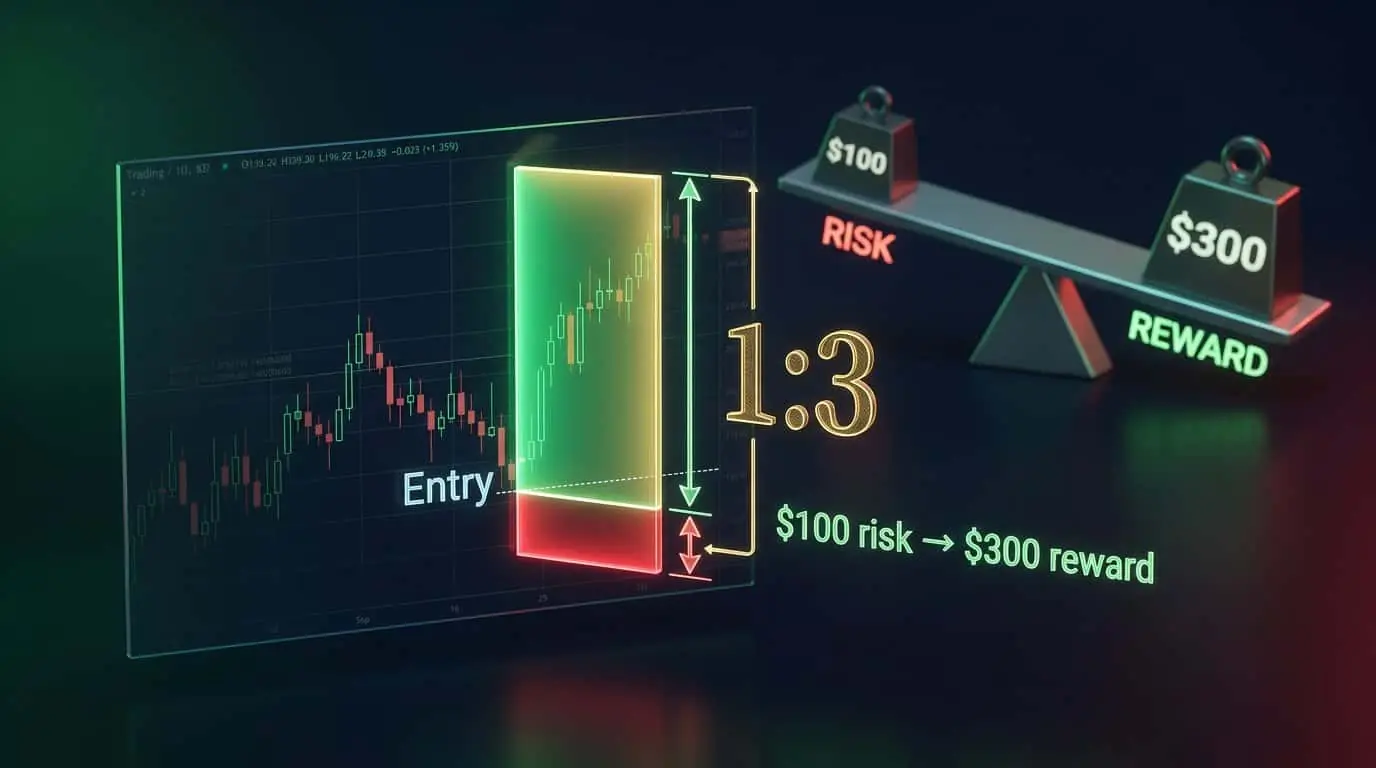
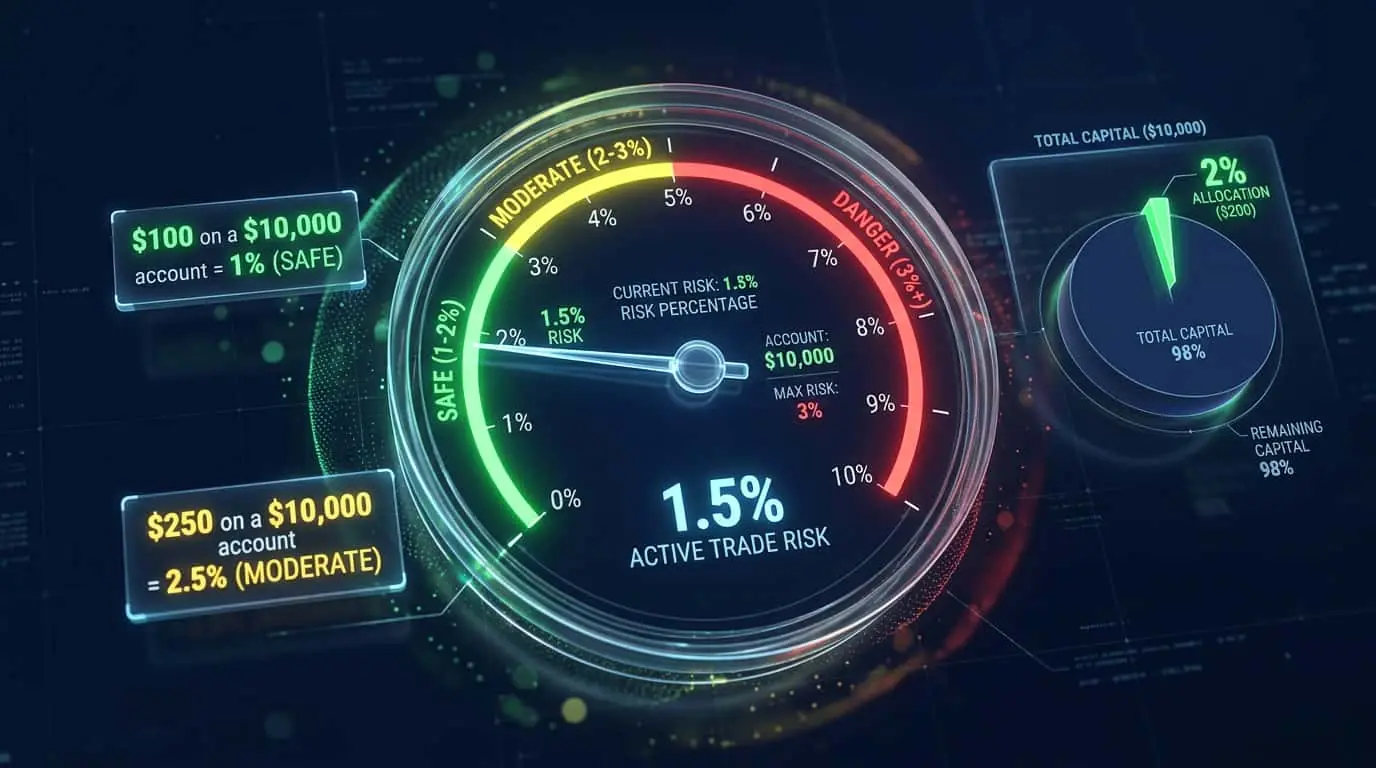
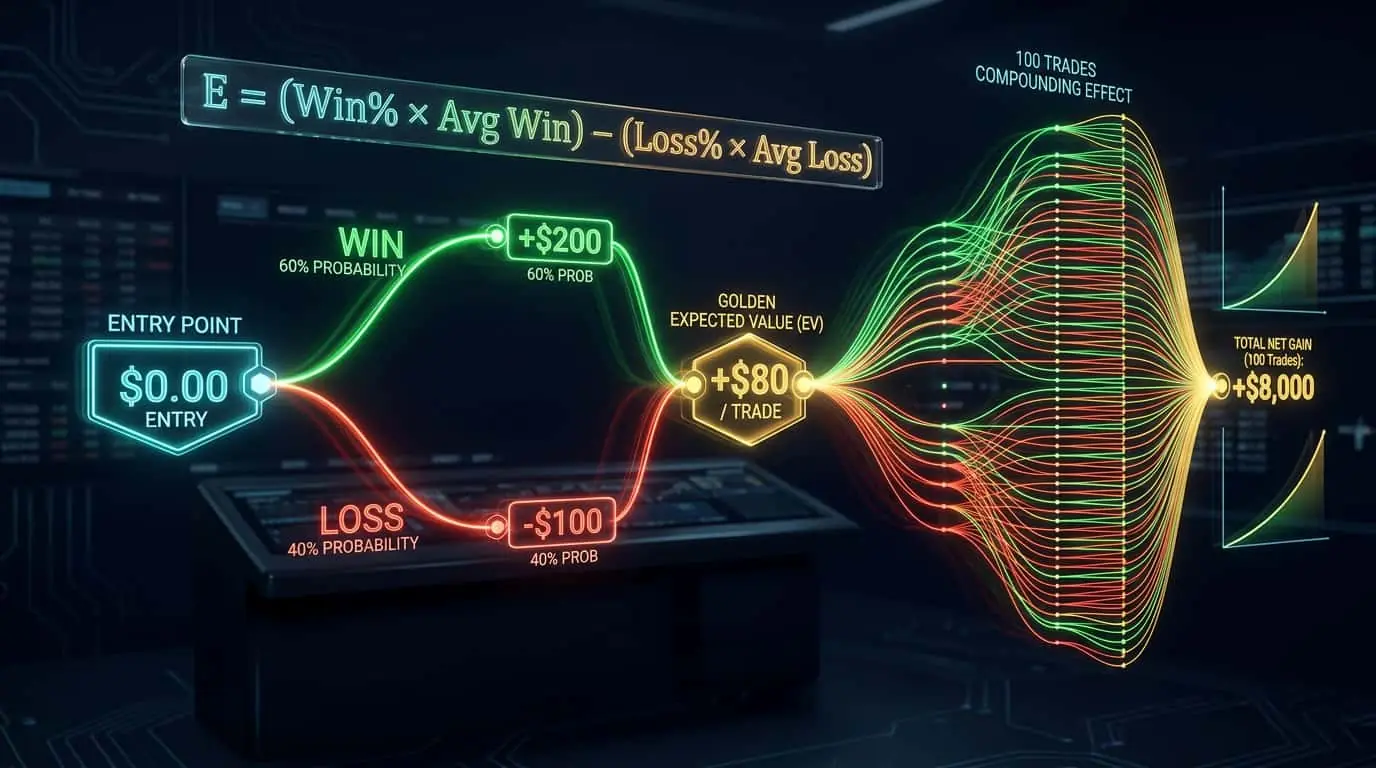
Passing a prop firm evaluation requires a fundamentally different approach than personal account trading. The primary goal is not to maximize profit but to reach the target without violating risk rules. This means using conservative position sizing (0.5-1% risk per trade rather than 2%), targeting a 1:2 or better risk-reward ratio, and being patient with trade frequency. Calculate exactly how many trades at your average R:R and win rate it takes to reach the target, and pace yourself accordingly. For a $50,000 account with an 8% target ($4,000), risking 0.5% per trade ($250) with a 1:2 R:R and 45% win rate, the expected profit per trade is (0.45 x $500) - (0.55 x $250) = $87.50. You would need approximately 46 trades to reach the target. Over 30 trading days, that is about 1.5 trades per day. This pace is achievable without rushing or taking low-quality setups.
Not all prop firms are created equal. Key factors to compare include the drawdown type (trailing vs. static, real-time vs. end-of-day), profit split percentage, evaluation cost and re-evaluation policy, payout frequency and minimum withdrawal, permitted instruments and trading hours, and the firm's reputation and track record. Trailing real-time drawdown is the strictest; static end-of-day drawdown is the most lenient. A higher profit split (90%) means less to the firm but often comes with stricter rules. Some firms offer instant funding (no evaluation) but with lower starting capital and higher fees. The trading community has documented experiences with most major prop firms, so research reviews and payout histories before committing. Legitimate prop firms have transparent rules, a history of payouts, and responsive customer support.
| Factor | More Favorable | Less Favorable |
|---|---|---|
| Drawdown type | Static, end-of-day | Trailing, real-time |
| Profit split | 80-90% to trader | 50-70% to trader |
| Re-evaluation | Free retry or discounted | Full price re-evaluation |
| Payout frequency | Bi-weekly or on-demand | Monthly with minimum threshold |
| Instruments | Futures, forex, indices, commodities | Limited to specific markets |
| Scaling plan | Account growth based on performance | Fixed account size |
Before pursuing a prop firm funded account, it is essential to run the numbers and determine whether the economics make sense for your situation. The key question is: what is the expected return on investment (ROI) of prop firm evaluations versus trading your own capital? Consider a trader who wants a $100,000 funded account. The evaluation fee might be $400. If the pass rate is 10% (optimistic for most traders), the expected cost to get funded is $400 / 0.10 = $4,000 in evaluation fees. Once funded with an 80% profit split, the trader keeps 80% of profits. If they generate $5,000 per month on the funded account, they keep $4,000 per month. Compare this to trading their own $4,000 (the evaluation cost): at the same skill level, $4,000 of personal capital generates far less absolute profit because the position sizes must be much smaller. This illustrates the core value proposition of prop trading: access to capital that dramatically increases absolute returns. However, the math changes if the trader already has significant capital. A trader with $100,000 of personal capital keeping 100% of profits might be better off than trading $100,000 of prop capital and keeping only 80%. The break-even point is: Personal Capital x 100% = Prop Capital x Profit Split. For an 80% split, prop trading is economically superior when the prop account is more than 1.25x your personal capital. For a 70% split, the threshold is 1.43x. The ongoing costs of prop trading also include the emotional overhead of strict rules, the risk of losing the funded account during drawdowns, and the time spent on re-evaluations. Some traders find that the pressure of drawdown limits causes them to trade more conservatively than they would on their own account, reducing their potential returns. Others find that the discipline imposed by prop firm rules actually improves their trading.
| Scenario | Capital Traded | Profit Split | Monthly Gross | Monthly Net to Trader |
|---|---|---|---|---|
| Personal $10,000 | $10,000 | 100% | $500 | $500 |
| Prop $50,000 (80%) | $50,000 | 80% | $2,500 | $2,000 |
| Prop $100,000 (80%) | $100,000 | 80% | $5,000 | $4,000 |
| Prop $150,000 (70%) | $150,000 | 70% | $7,500 | $5,250 |
| Personal $50,000 | $50,000 | 100% | $2,500 | $2,500 |
Pro Tip
Calculate your expected cost to get funded by dividing the evaluation fee by your estimated pass rate. If you have failed 5 evaluations, your historical pass rate is 0%, and you should focus on improving your strategy before spending more money on evaluations.
Successful prop traders often scale their income by managing multiple funded accounts simultaneously or by qualifying for scaling programs that increase account size based on performance. Many prop firms allow traders to hold multiple accounts (2-5 or more), effectively multiplying their buying power and profit potential. A trader who passes evaluations for three $50,000 accounts is effectively trading $150,000 with three separate drawdown limits, providing diversification of risk across accounts. The scaling approach works as follows: start with a single evaluation at the smallest account size available ($25,000-$50,000) to minimize cost and risk. Once you have proven you can pass the evaluation and trade the funded account profitably, purchase evaluations for larger accounts or multiple accounts. Most firms offer scaling programs where consistent profitability over 3-6 months qualifies you for account size increases (e.g., from $50,000 to $100,000 to $150,000 without additional evaluation fees). The key to managing multiple prop accounts is having a systematized trading approach. Discretionary traders who rely on feel and intuition find it difficult to manage more than one or two accounts simultaneously. Systematic traders who follow strict rules can replicate their approach across multiple accounts efficiently, sometimes using trade copying software to execute the same trades on all accounts simultaneously. However, be aware that some prop firms explicitly prohibit trade copying between accounts or require disclosure. Always read the terms of service carefully before implementing a multi-account strategy. The income potential at scale is significant: a trader managing five $100,000 accounts with a 5% monthly return at an 80% profit split generates 5 x $5,000 x 0.80 = $20,000 per month, a figure that would require $400,000-$500,000 of personal capital to replicate without leverage.
Mistake
Using aggressive position sizing to reach the profit target quickly
Correction
Aggressive sizing increases the risk of hitting the drawdown limit before reaching the target. Use 0.5-1% risk per trade and pace yourself over the full evaluation period. The target is achievable with consistent, moderate-sized trades.
Mistake
Ignoring the trailing drawdown mechanism and treating it like static drawdown
Correction
Trailing drawdown raises the floor as your equity grows. Early profits raise the floor, making subsequent drawdowns more dangerous. Understand exactly how your firm calculates trailing drawdown and factor it into every trading decision.