TL;DR
Position sizing determines how many units to trade based on your account size, risk tolerance, and stop loss distance. It is the single most important risk management technique because it ensures no single trade can cause catastrophic damage to your portfolio.
Position sizing is the process of determining how many units of an asset to buy or sell based on your account size and risk tolerance. It is the single most important risk management technique in trading, ensuring that no single trade can cause catastrophic damage to your portfolio. Unlike entry signals or chart patterns, position sizing directly controls how much money you stand to lose on any given trade. Professional traders consistently rank position sizing as more important than trade selection, and many attribute their long-term survival in the markets primarily to disciplined position sizing rather than superior analysis. The fundamental principle is simple: every trade should risk the same percentage of your account, regardless of how confident you feel about the setup. This creates a mathematical framework where your account can withstand inevitable losing streaks without suffering irreversible damage.
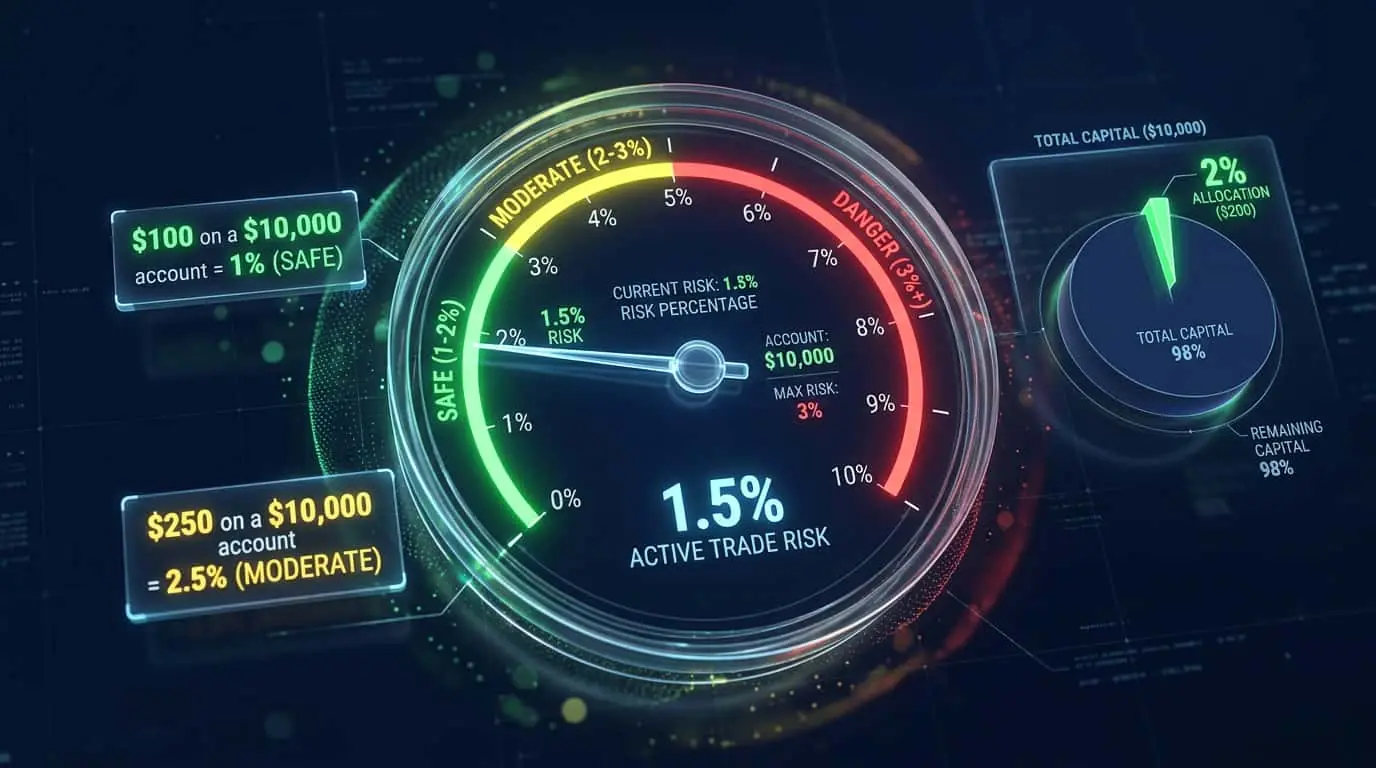
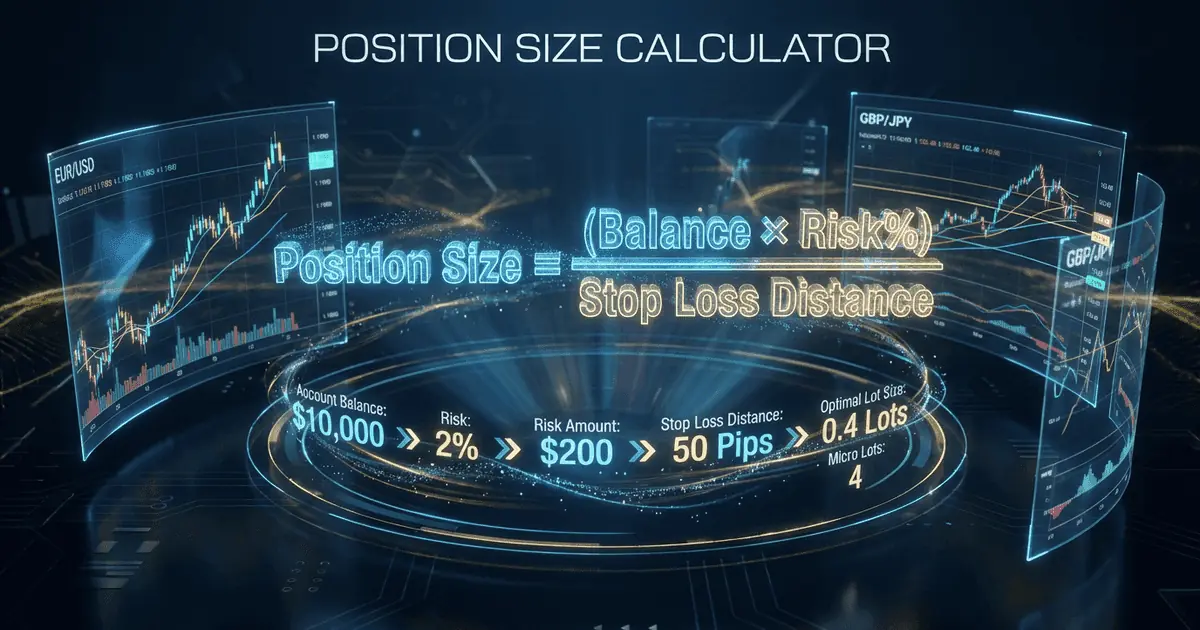
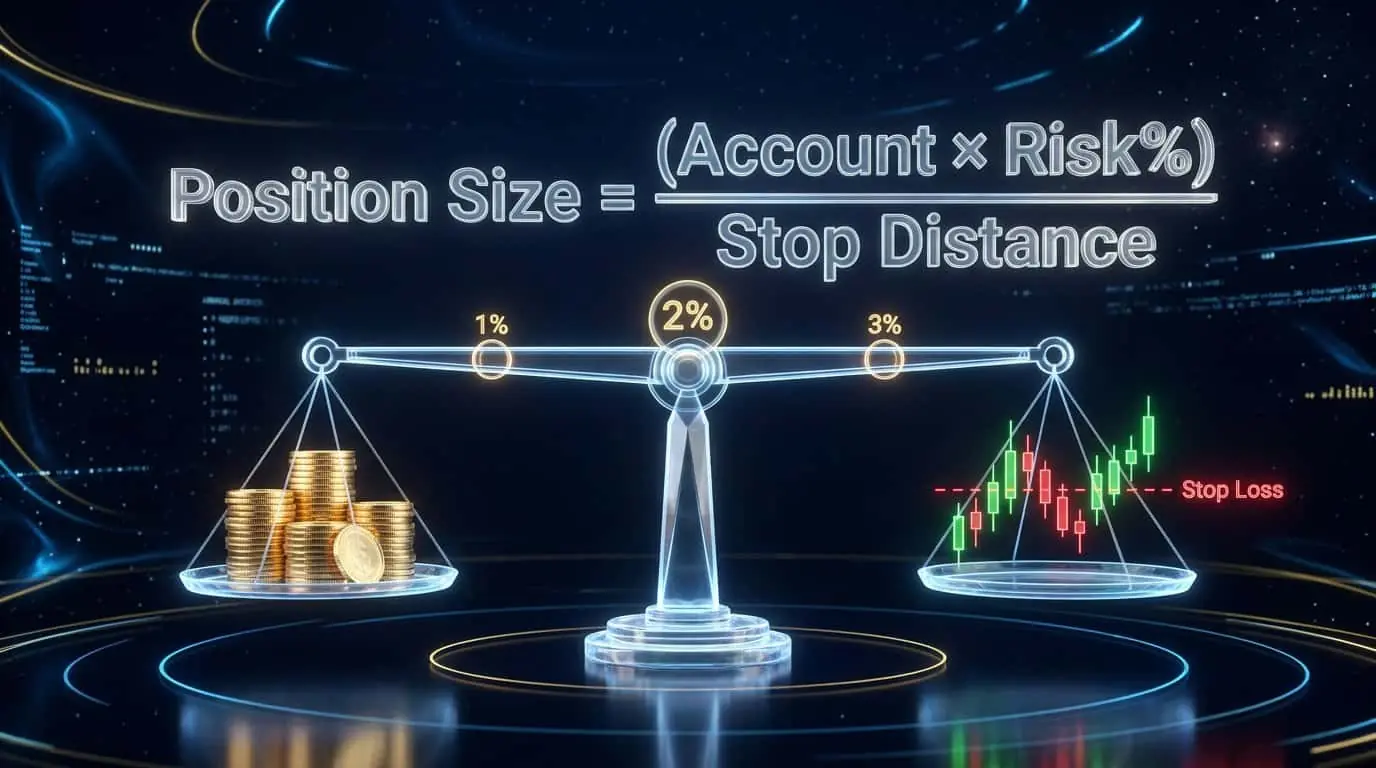
The standard position sizing formula is straightforward and should be calculated before every trade. It connects three key variables: your account balance, the percentage you are willing to risk, and the distance from your entry price to your stop loss. By fixing the risk percentage (typically 1-2% for most traders), the formula automatically adjusts your position size based on the volatility of the trade. A wider stop loss results in a smaller position, while a tighter stop loss allows a larger position. This self-adjusting mechanism is what makes the formula so powerful. It ensures you risk the same dollar amount regardless of whether you are trading a volatile instrument with a 50-point stop or a calm instrument with a 10-point stop.
Position Size = (Account Balance x Risk %) / Stop Loss DistanceAccount Balance — Total equity in your trading account
Risk % — Percentage of account risked per trade (typically 1-2%)
Stop Loss Distance — Distance from entry price to stop loss in price units (points, pips, or dollars per share)
Pro Tip
Always calculate position size before entering a trade, never after. If you enter first and calculate later, you are gambling, not trading.
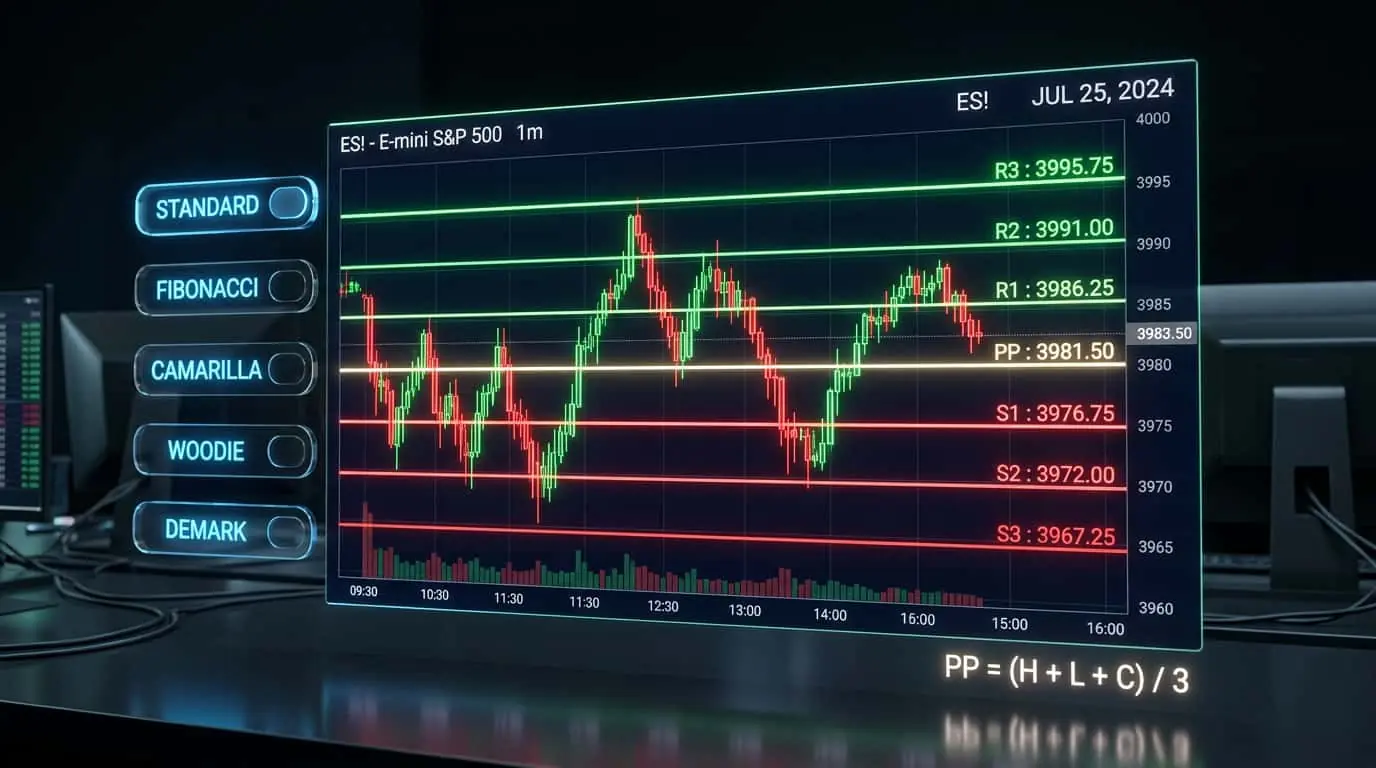
To illustrate how position sizing works in real trading, consider a futures trader with a $25,000 account who risks 2% per trade ($500). They see a setup on the E-mini S&P 500 (ES) with a stop loss 10 points away. Since each ES point is worth $50 per contract, the risk per contract is 10 x $50 = $500. The position size is $500 / $500 = 1 contract. Now suppose the same trader sees a setup on Crude Oil (CL) with a stop loss 20 ticks away. Each CL tick is worth $10 per contract, so the risk per contract is 20 x $10 = $200. The position size is $500 / $200 = 2.5 contracts, rounded down to 2 contracts. Notice how the position size automatically adjusts to keep the dollar risk constant. The ES trade uses 1 contract because the stop is wide, while the CL trade uses 2 contracts because the stop is tighter. This is the power of formula-based position sizing: it normalizes risk across different instruments and setups.
| Account Size | Risk % | Dollar Risk | Stop Distance | Position Size |
|---|---|---|---|---|
| $10,000 | 1% | $100 | 10 pips | 1 mini lot (10,000 units) |
| $25,000 | 2% | $500 | 10 pts (ES) | 1 contract |
| $50,000 | 1% | $500 | 25 ticks (CL) | 2 contracts |
| $100,000 | 0.5% | $500 | 50 pips | 1 standard lot |
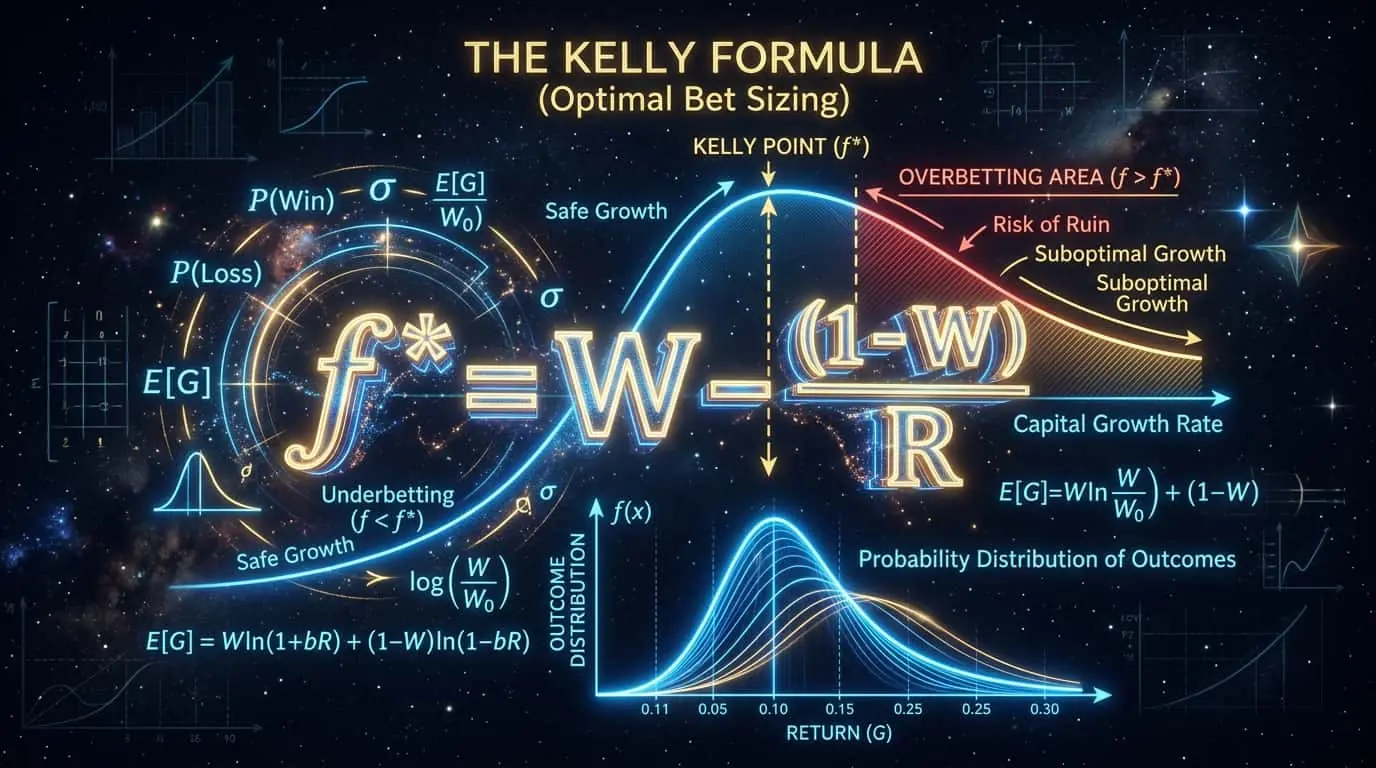
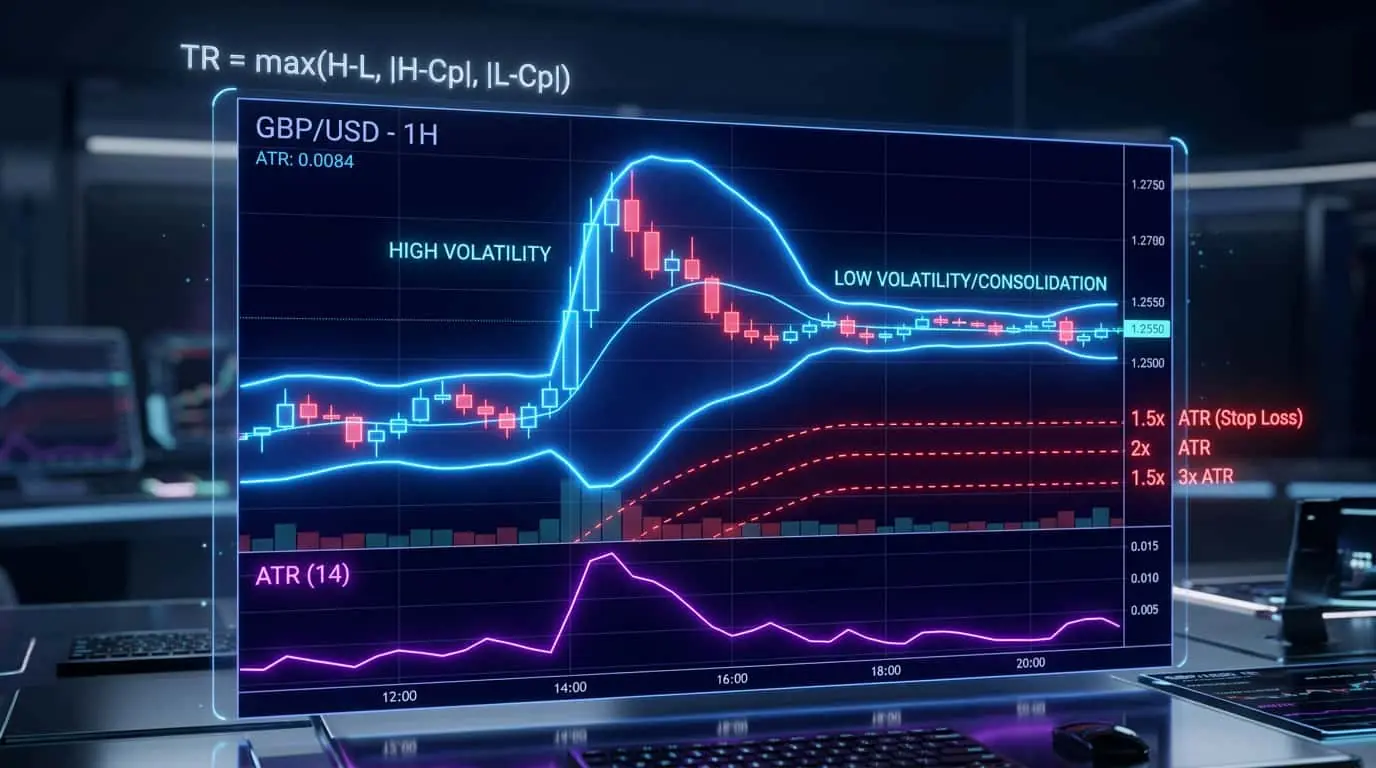
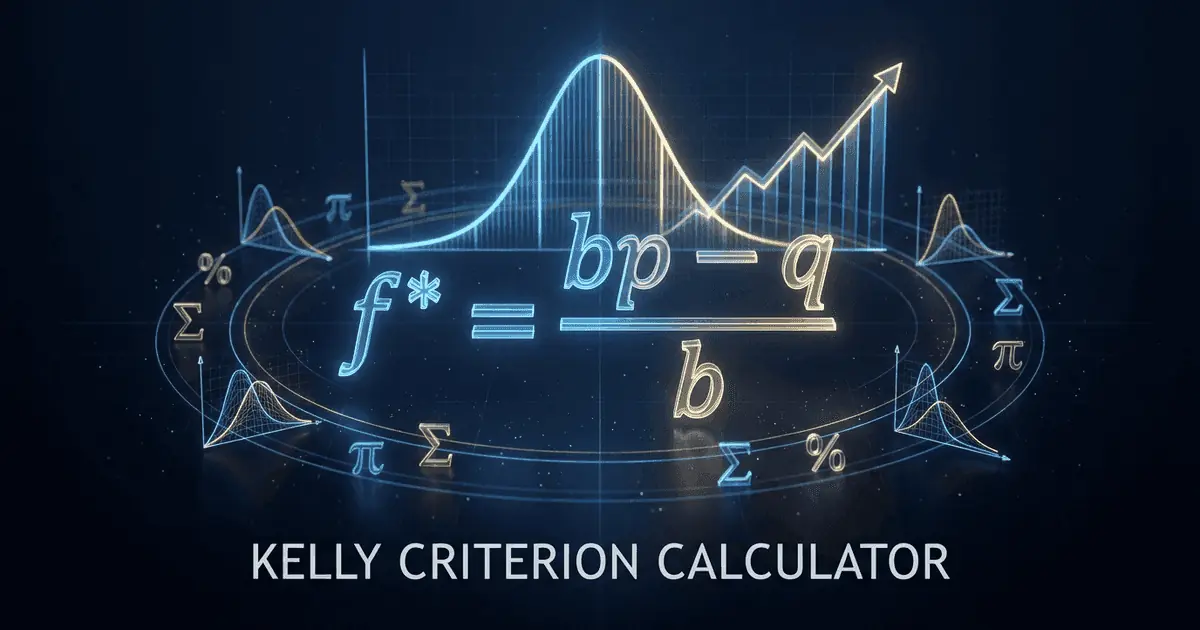
The fixed fractional method (risking a constant percentage per trade) is the most common and recommended approach, but several other position sizing methods exist. Fixed ratio position sizing, developed by Ryan Jones, adjusts position size based on a delta parameter and is designed for futures traders who want to increase contracts as their account grows. The percent volatility method uses the Average True Range (ATR) to size positions based on current market volatility. The Kelly Criterion calculates the mathematically optimal bet size based on your win rate and payoff ratio. Equal dollar position sizing simply allocates the same dollar amount to each trade regardless of risk, which is simpler but less precise. For most retail traders, the fixed fractional method offers the best balance of simplicity and effectiveness. It naturally scales positions up as your account grows and scales down during drawdowns, creating a built-in recovery mechanism.
Pro Tip
Start with 1% risk per trade when learning. You can increase to 2% once you have a proven track record of at least 100 trades with positive expectancy.
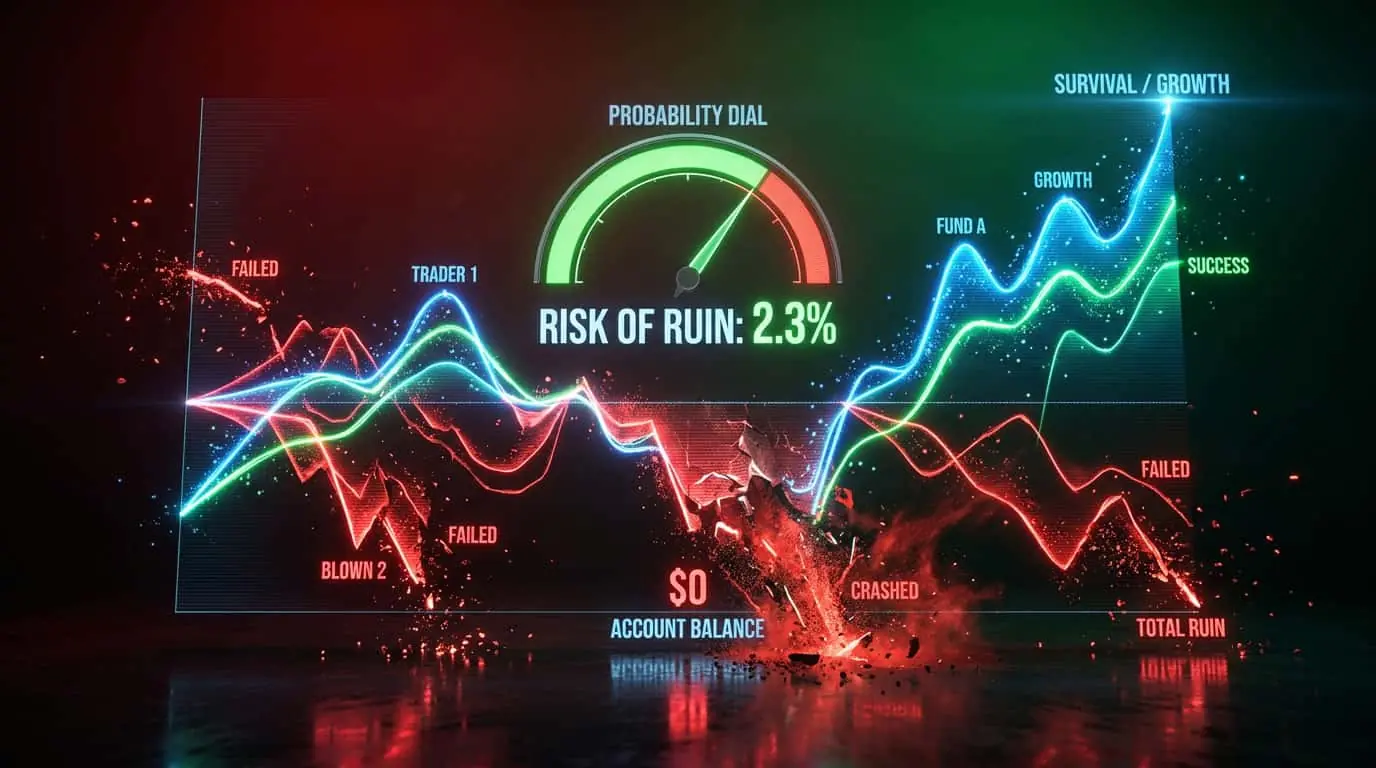
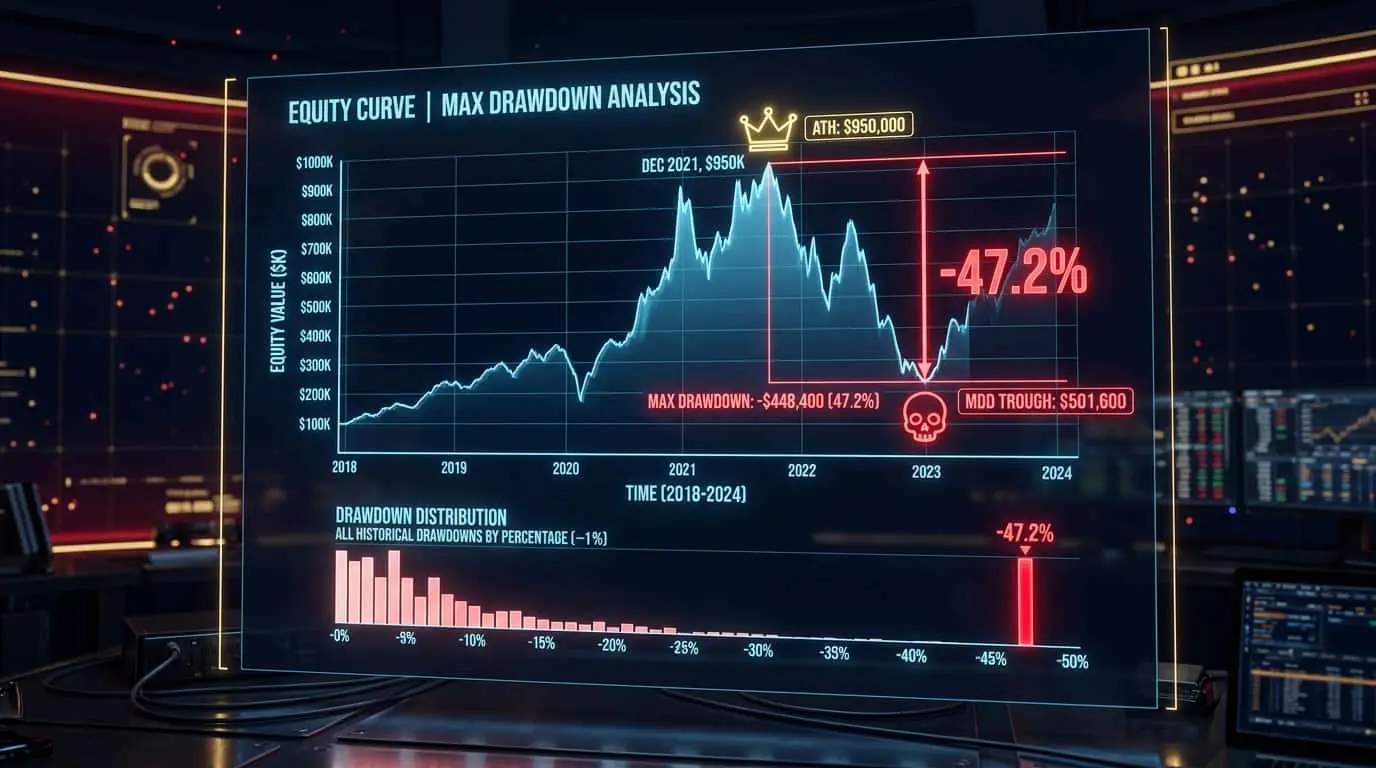
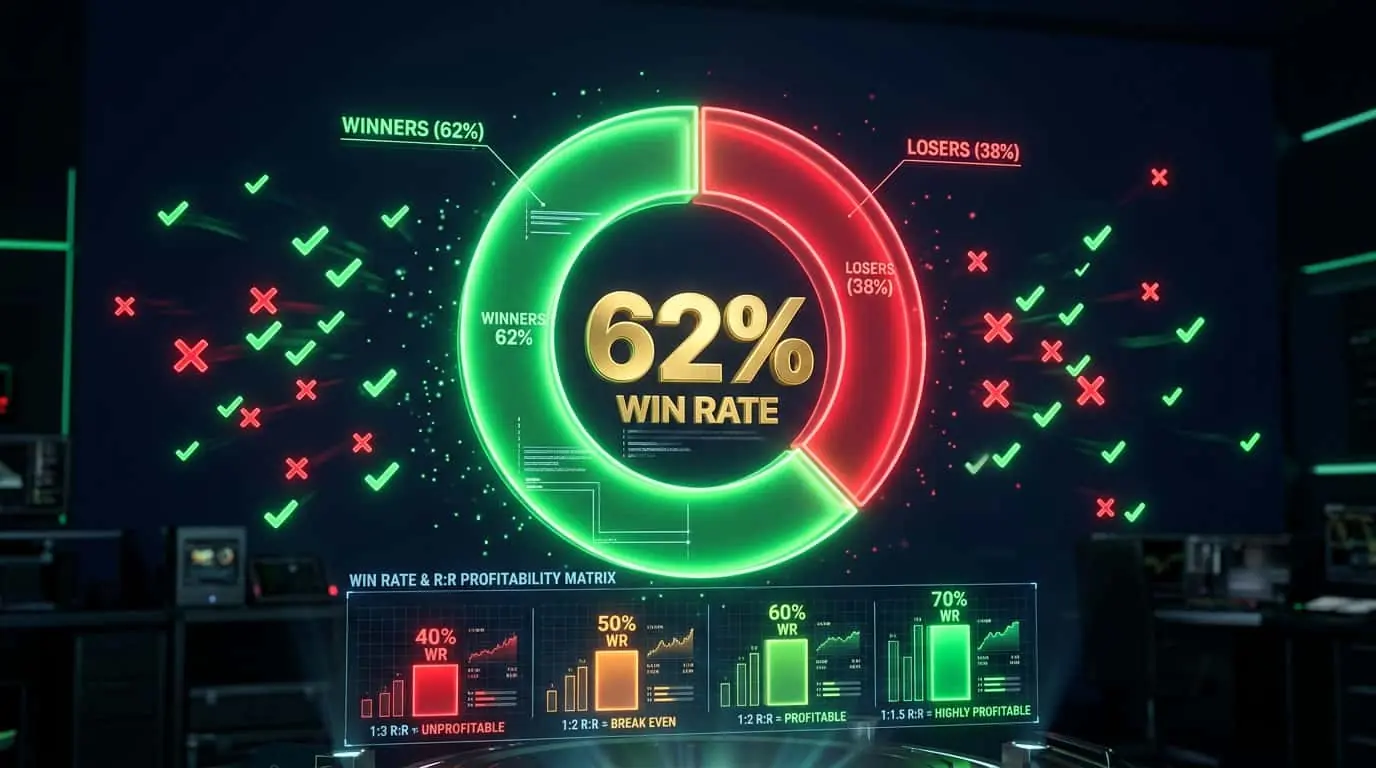
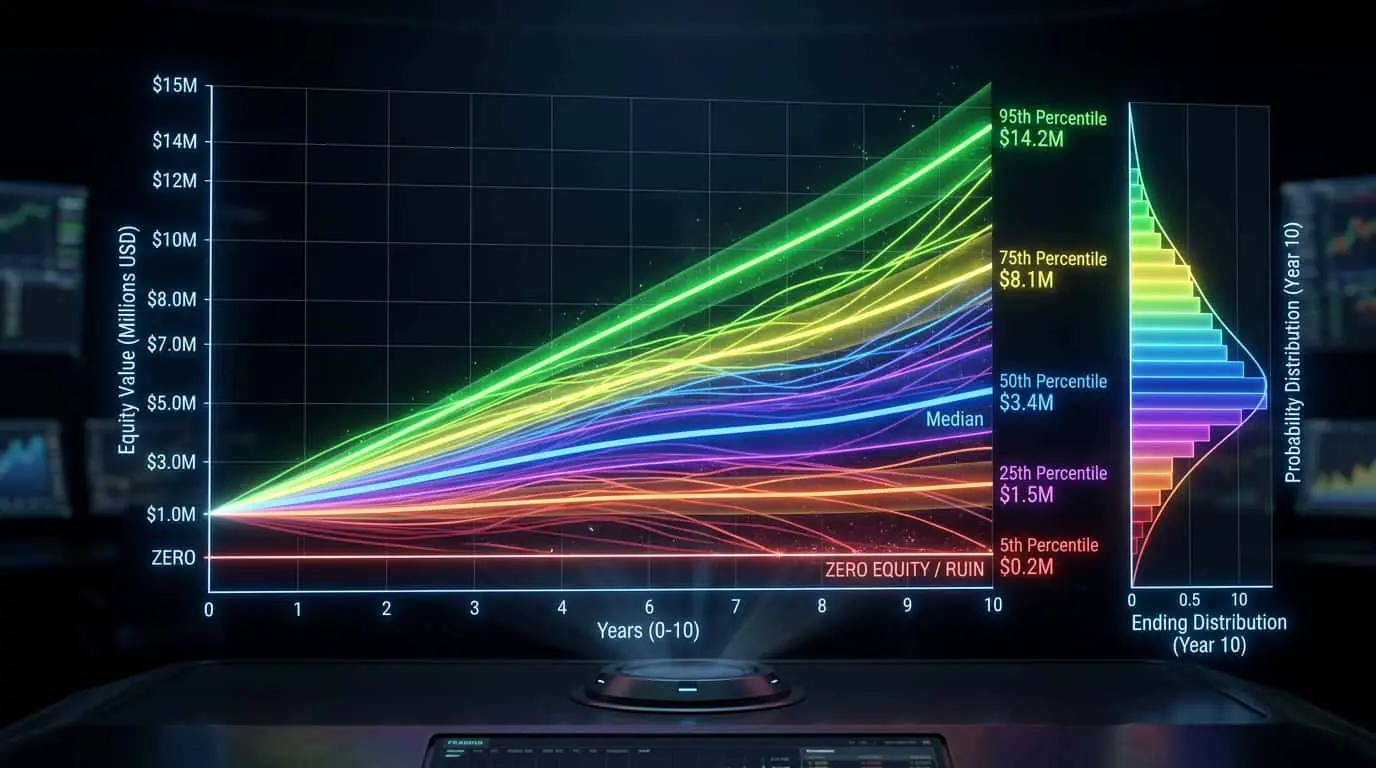
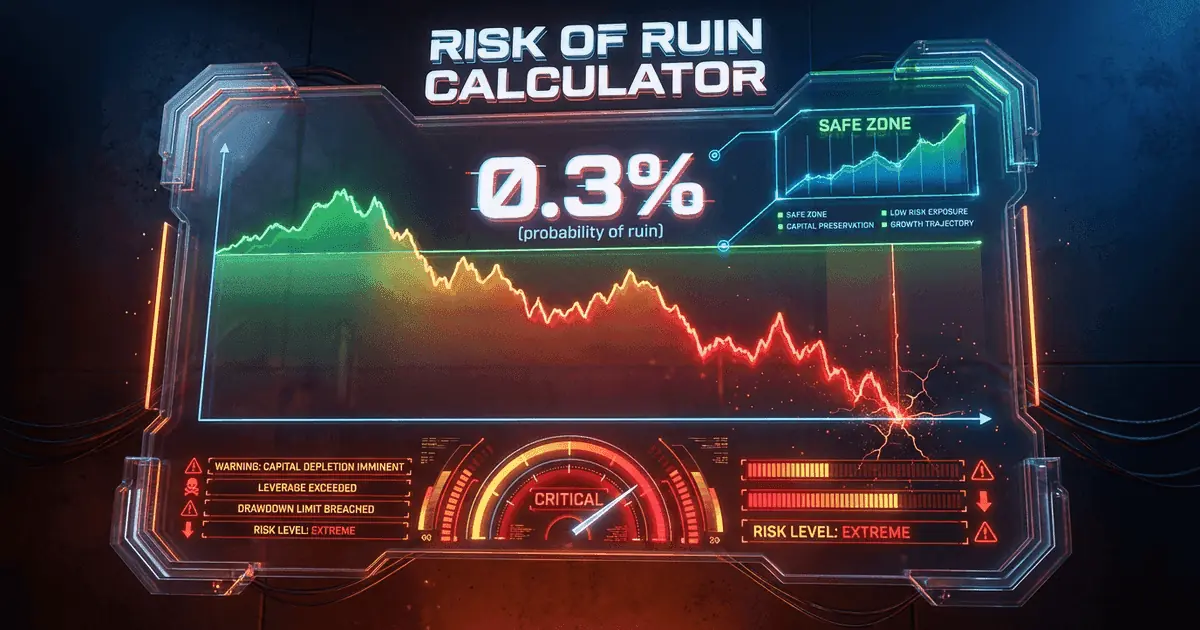
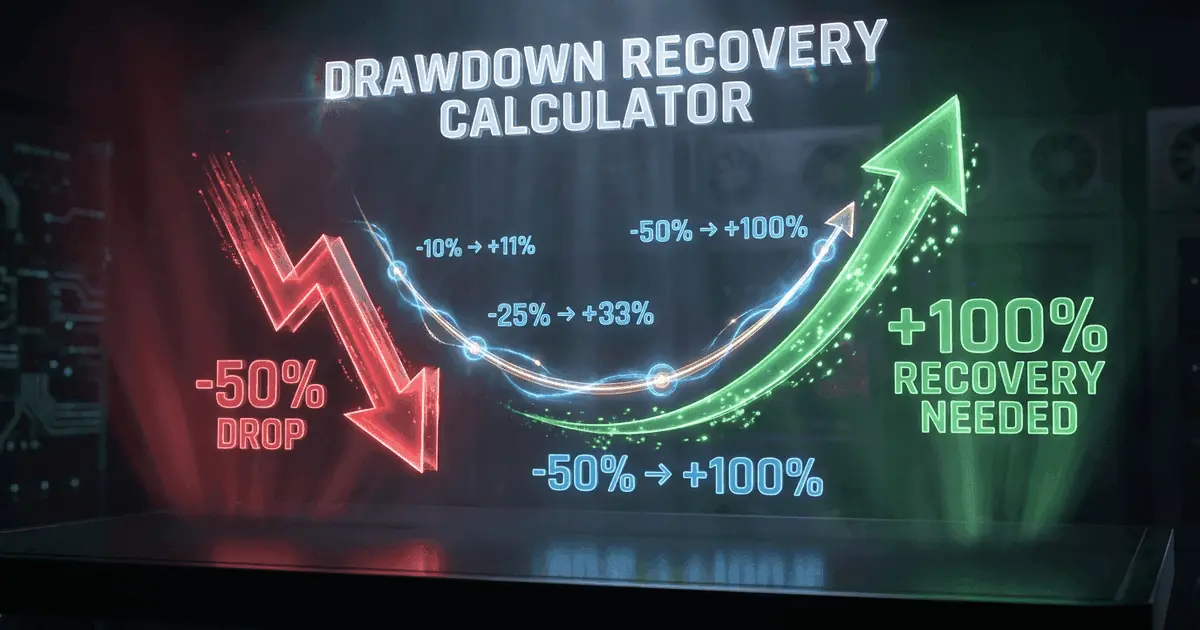
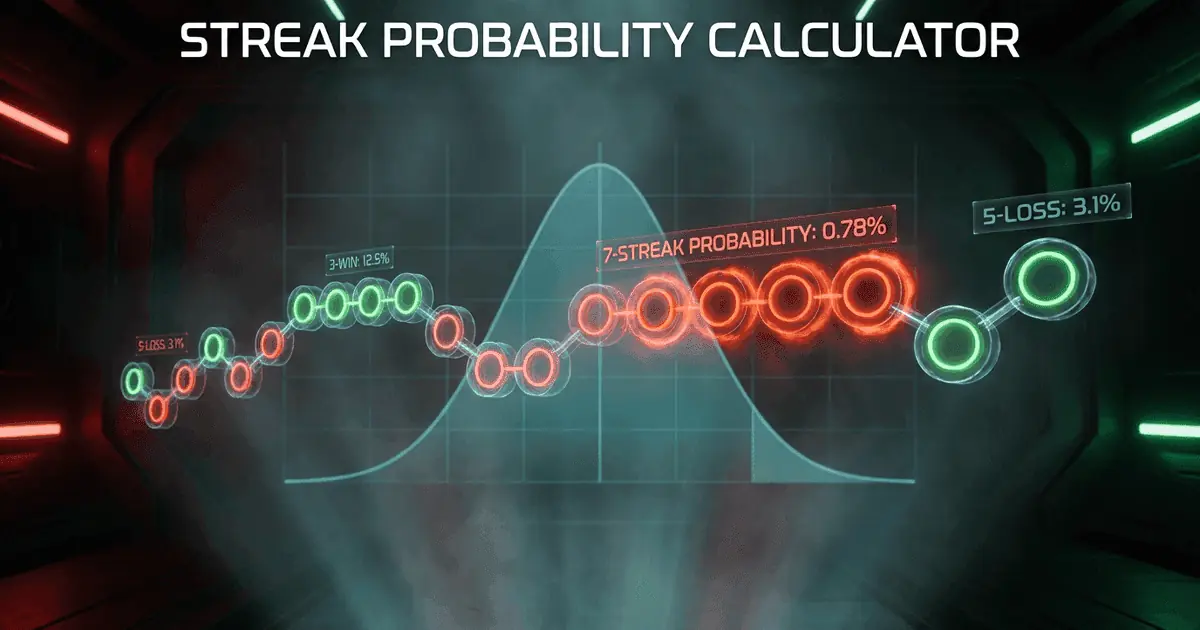
The true power of position sizing is revealed through the mathematics of consecutive losses. Every trading strategy experiences losing streaks, and the question is whether your account can survive them. With 2% risk per trade, a 10-trade losing streak costs approximately 18.3% of your account (due to compounding). With 5% risk per trade, the same streak costs 40.1%. With 10% risk, it costs 65.1%. The probability of a 10-trade losing streak depends on your win rate: at 50% win rate, it occurs roughly once every 1,024 trades. At 40% win rate, it happens approximately once every 169 trades. This means that over a career of thousands of trades, long losing streaks are not just possible but inevitable. Position sizing ensures that when these streaks occur, they cause discomfort but not destruction. The asymmetry of losses makes this even more critical: a 20% drawdown requires a 25% gain to recover, while a 50% drawdown requires a 100% gain.
| Risk per Trade | 5-Trade Losing Streak | 10-Trade Losing Streak | 15-Trade Losing Streak |
|---|---|---|---|
| 1% | -4.9% | -9.6% | -14.0% |
| 2% | -9.6% | -18.3% | -26.1% |
| 3% | -14.1% | -26.3% | -36.7% |
| 5% | -22.6% | -40.1% | -53.7% |
| 10% | -41.0% | -65.1% | -79.4% |
Account size significantly affects position sizing possibilities. A $5,000 account risking 1% has only $50 at risk per trade, which may not be enough to trade some instruments (especially futures where a single ES contract requires a minimum stop loss value of $50-100). This forces smaller accounts to either trade micro contracts, use forex micro lots, or accept a higher risk percentage. Conversely, a $500,000 account risking 1% has $5,000 at risk, allowing multiple contracts on any instrument. The key principle is that your risk percentage should never be adjusted upward just because your account feels small. If you cannot properly size a position at 1-2% risk, you should trade a smaller instrument or a different market rather than increase your risk percentage. Many traders start with micro futures (MES, MNQ) or forex micro lots specifically because these instruments allow proper position sizing on smaller accounts. As your account grows, you can transition to full-size contracts while maintaining the same risk percentage.
Pro Tip
If your account is too small to trade a full contract at 1-2% risk, trade micro futures or forex micro lots instead of increasing your risk percentage. Never compromise your risk rules to fit a position.
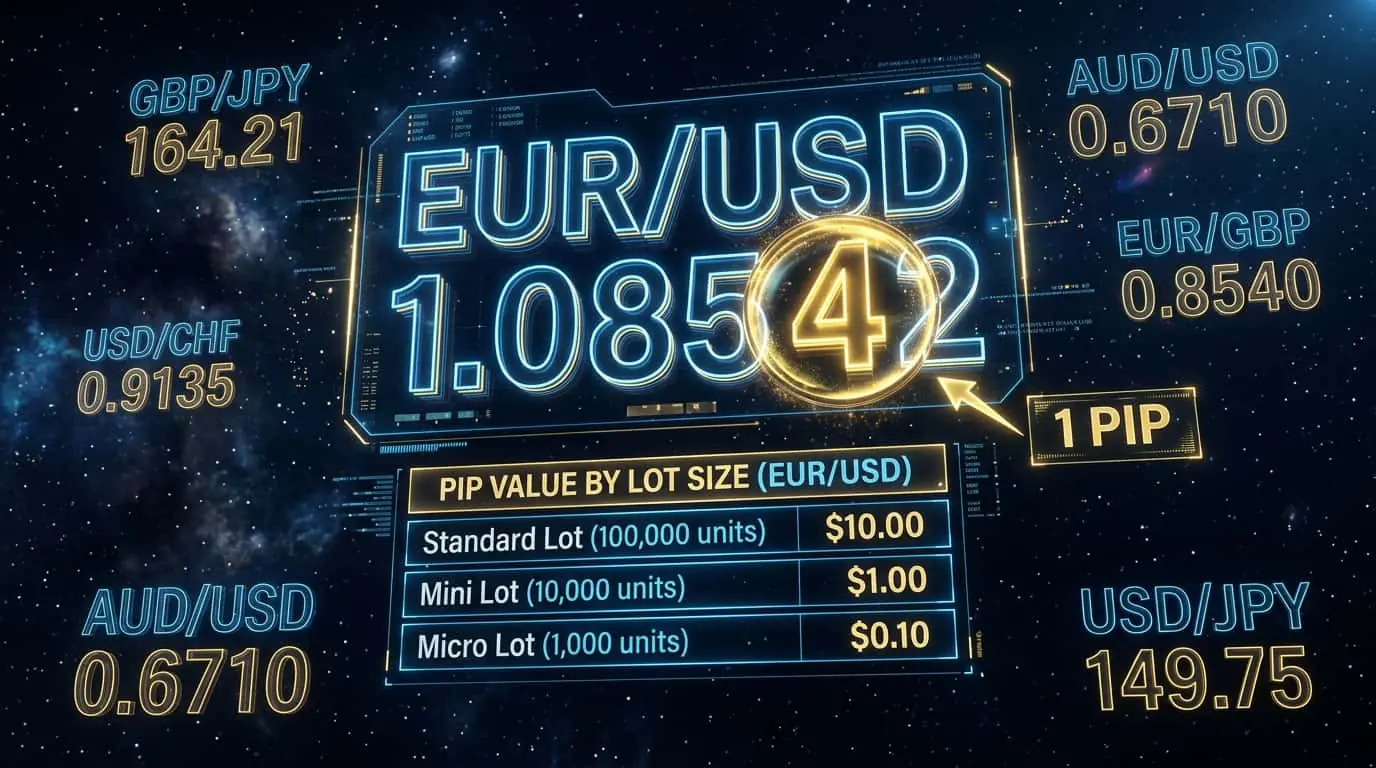
The most dangerous position sizing mistake is using a fixed lot size regardless of stop distance. A trader who always trades 1 lot of EUR/USD takes vastly different risks depending on whether their stop is 20 pips or 100 pips away. Another common error is increasing position size after a winning streak due to overconfidence, or decreasing it after losses due to fear. Both behaviors violate the consistent risk principle. Some traders also confuse leverage with position sizing. Having 1:100 leverage available does not mean you should use it. Leverage determines how much buying power you have; position sizing determines how much of that buying power you should use. Perhaps the most subtle mistake is adjusting position size based on conviction. Even if you feel extremely confident about a trade, increasing your size to 5% or 10% risk violates your risk management framework and exposes you to outsized losses when that high-conviction trade fails, which it inevitably will.
Mistake
Using a fixed lot size regardless of stop distance
Correction
Calculate position size for every trade using the formula: (Account x Risk%) / Stop Distance. Wider stops require smaller positions.
Mistake
Increasing risk percentage after a winning streak
Correction
Keep your risk percentage constant. The fixed fractional method automatically increases dollar risk as your account grows, so you do not need to manually increase the percentage.
Mistake
Trading instruments too large for your account size
Correction
If you cannot properly size a position at 1-2% risk, switch to micro contracts (MES, MNQ) or forex micro lots instead of compromising your risk rules.