TL;DR
Support is a price level where buying pressure prevents further decline, while resistance is a price level where selling pressure prevents further advance. Together, they form the foundation of technical analysis and define the structure of any market.
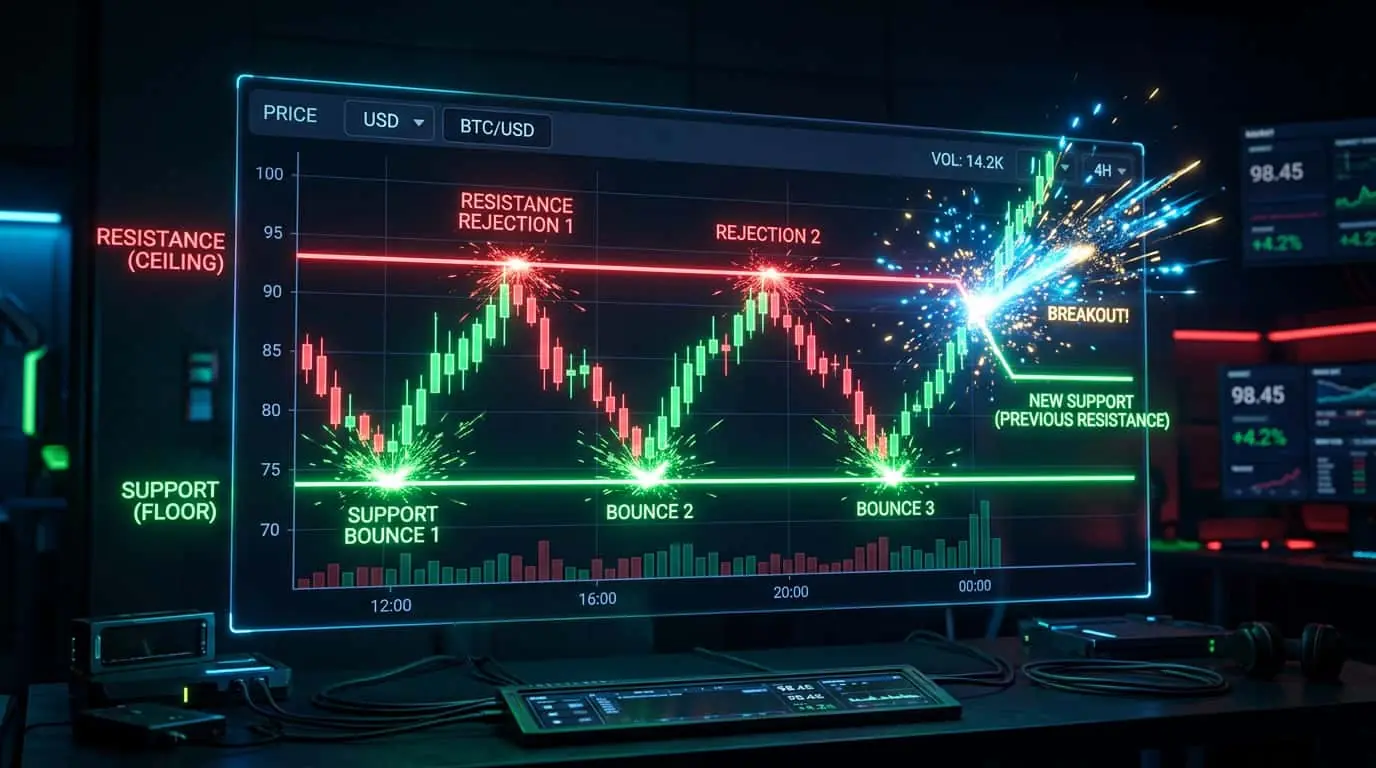
Support and resistance are the most fundamental concepts in technical analysis. A support level is a price where a downtrend is expected to pause or reverse due to a concentration of buying interest. Think of it as a floor that prevents price from falling further. A resistance level is a price where an uptrend is expected to pause or reverse due to a concentration of selling interest, acting as a ceiling above price. These levels form because of market memory: traders remember previous price points where significant buying or selling occurred and tend to act similarly when price returns to those levels. Institutional traders, algorithms, and retail traders all watch key support and resistance levels, which creates a self-reinforcing dynamic. Understanding support and resistance is essential because virtually every other technical analysis concept, from trendlines to chart patterns to indicator signals, is built upon these fundamental principles.
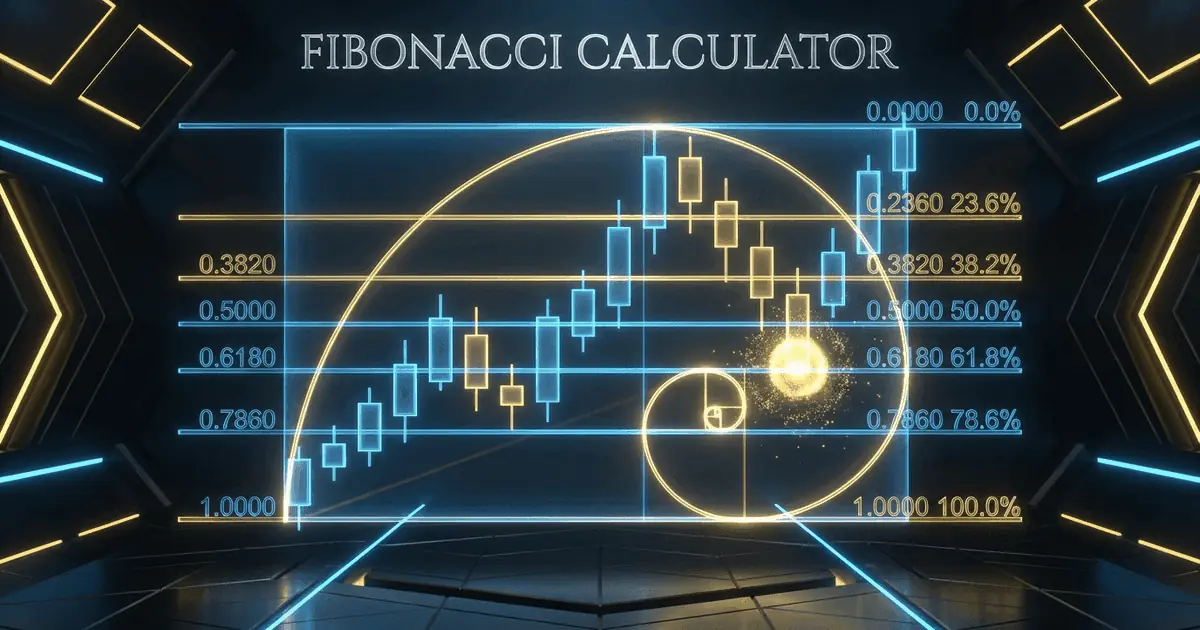
Support and resistance come in several forms, each with different characteristics and reliability. Horizontal levels are the most straightforward, formed by previous swing highs and swing lows where price has reversed in the past. Dynamic levels move with price and include trendlines, moving averages, and Bollinger Bands. Psychological levels are round numbers (such as $100, $50,000, or 1.1000 in forex) where traders tend to cluster orders. Fibonacci levels use mathematical ratios to project potential support and resistance zones. Volume-based levels are identified through volume profile analysis, which shows price levels where the most trading activity occurred. Each type has merit, and the strongest support and resistance zones are those where multiple types converge, creating what traders call confluence.
| Type | Example | Reliability |
|---|---|---|
| Horizontal | Previous swing high/low | High, especially on higher timeframes |
| Dynamic | 50-day moving average | Moderate, adapts to current price action |
| Psychological | Round numbers ($100, $1,000) | Moderate, self-fulfilling from order clustering |
| Fibonacci | 61.8% retracement level | Moderate to high when combined with other types |
| Volume-based | High volume node on profile | High, represents actual trading interest |
Identifying reliable support and resistance levels requires practice and a systematic approach. Start by looking at the chart from left to right and marking horizontal lines at prices where price has reversed multiple times. The more times price has reacted at a level, the stronger that level becomes. Pay attention to the quality of touches, meaning was there a clear reversal or just a minor pause. Levels that produced strong, sharp reversals are more significant than those that merely slowed price temporarily. Timeframe matters enormously: a support level visible on a weekly chart is far more significant than one only visible on a 5-minute chart because it reflects decisions from more market participants over a longer period. When identifying levels, think in terms of zones rather than exact prices, as support and resistance are areas, not precise lines.
Pro Tip
Start your analysis on the weekly or daily chart to identify major levels, then zoom into your trading timeframe. The levels that are visible on higher timeframes will produce the strongest reactions and the most reliable trading setups.
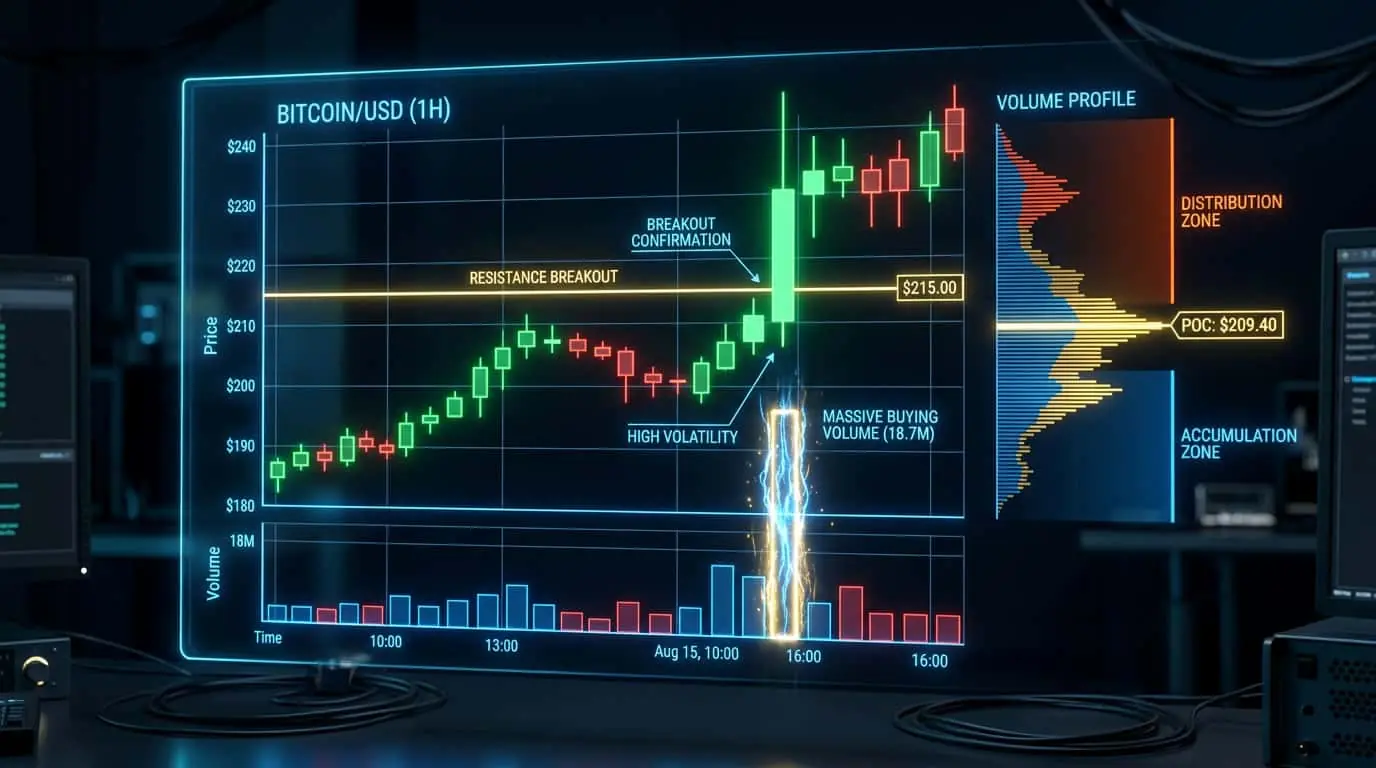
One of the most powerful concepts in support and resistance analysis is role reversal, also known as the polarity principle. When a support level breaks, it often becomes a new resistance level. Conversely, when a resistance level breaks, it often becomes a new support level. This happens because of market psychology. Traders who bought at a support level and are now underwater after the break will look to sell when price returns to that level to minimize their loss. This selling pressure converts the former support into resistance. The same dynamic works in reverse for broken resistance becoming support. Role reversal setups are among the most reliable trade entries in technical analysis because they combine a clear technical level with strong psychological dynamics. The best role reversal trades occur when price breaks through a level cleanly, then returns to retest it before continuing in the breakout direction.
Not all support and resistance levels are created equal. Understanding how to measure the strength of a level helps you prioritize which levels to trade and which to skip. Several quantitative factors determine level strength. First, the number of touches: a level tested four times is substantially stronger than one tested twice. Each successful test validates the level as a place where real buying or selling interest exists. Second, timeframe visibility: a level that appears on the weekly chart is stronger than one visible only on the 15-minute chart because it reflects more market participants and larger capital flows. Third, recency: recent levels where the market memory is fresh tend to produce stronger reactions than levels from months or years ago. Fourth, volume at the level: if high volume accompanied the previous reaction at a level, more orders were filled there, and more market participants are anchored to that price. Fifth, the sharpness of the prior reaction: a V-shaped reversal from a level indicates stronger conviction than a gradual turn. You can assign a simple scoring system: give each factor a score from 1-3 and add them up. Levels scoring 12 or higher out of 15 are A-grade levels worthy of your best setups. Levels scoring below 8 are C-grade levels that should only be traded with strong confirmation from other indicators.
| Strength Factor | Weak (1 point) | Moderate (2 points) | Strong (3 points) |
|---|---|---|---|
| Number of touches | 2 touches | 3 touches | 4+ touches |
| Timeframe visible | 5-15 min only | 1H-4H chart | Daily/weekly chart |
| Recency | Over 6 months ago | 1-6 months ago | Within past month |
| Volume at level | Below average volume | Average volume | Above average volume |
| Reaction sharpness | Gradual turn | Moderate reversal | V-shaped, sharp reversal |
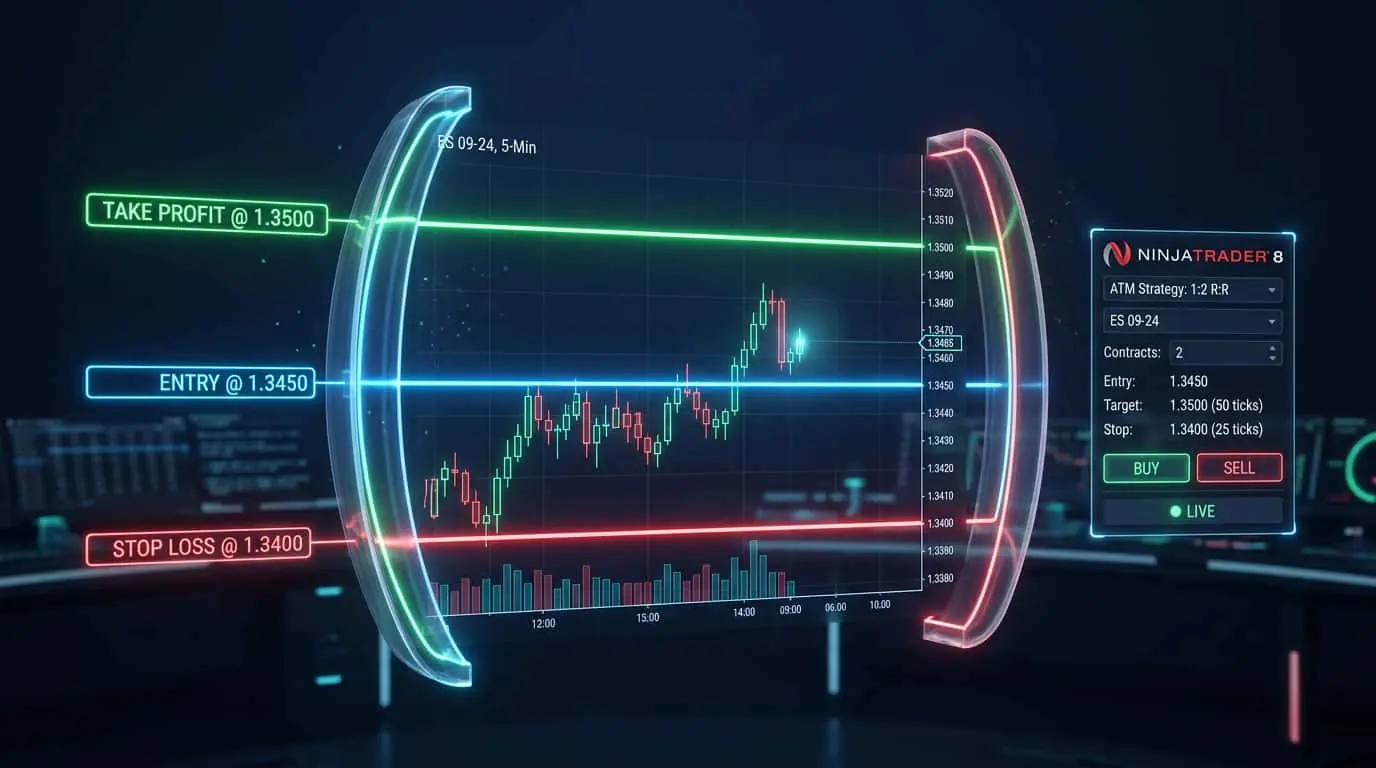
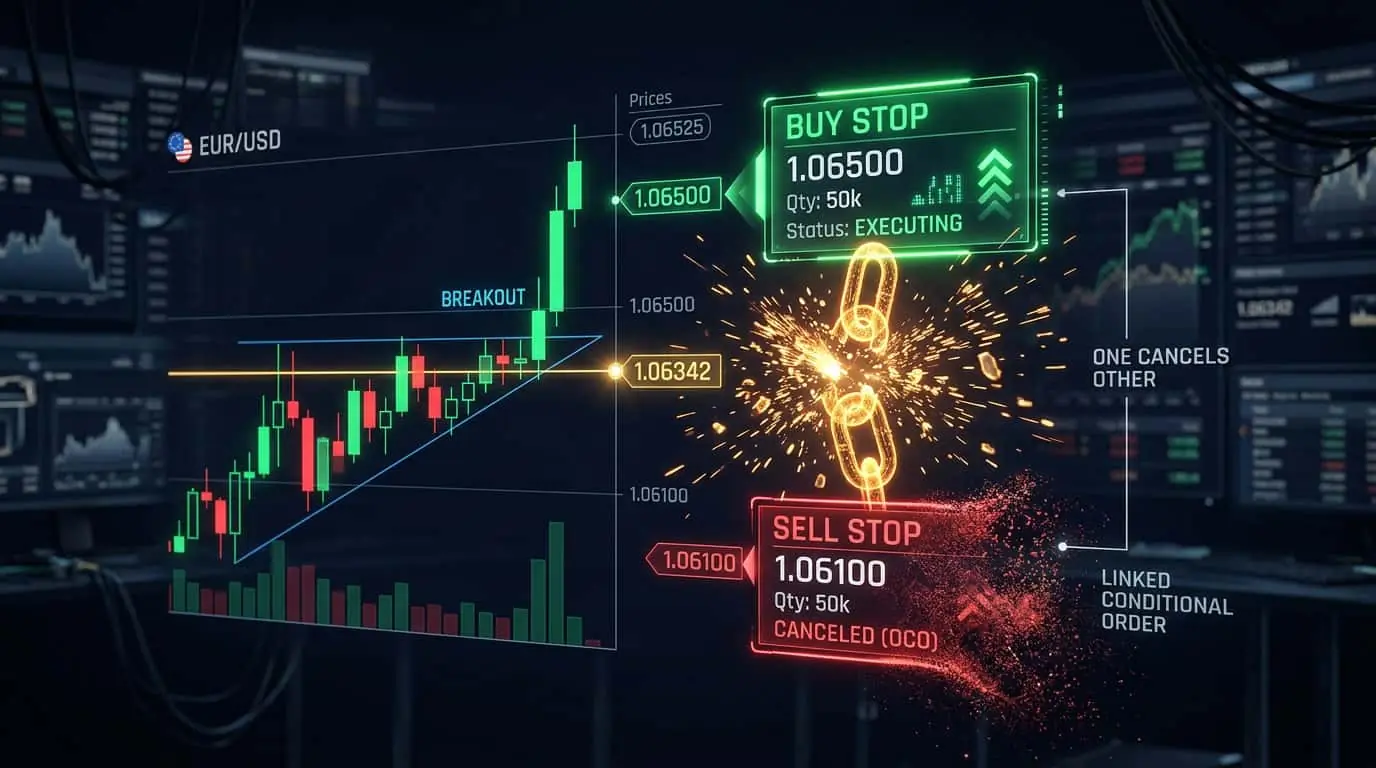
There are two primary approaches to trading support and resistance: bounce trading and breakout trading. Bounce trading involves entering trades when price reaches a level and shows signs of reversal. For example, buying at support with a stop loss just below the level, or selling at resistance with a stop loss just above. This approach works best in range-bound markets. Consider ES futures trading in a range between support at 5,000 and resistance at 5,050. Price drops to 5,002 and forms a bullish engulfing candle on the 15-minute chart with above-average volume. You enter long at 5,003, stop at 4,995 (8 points risk, $400 per contract), target 5,045 (42 points reward, $2,100). That is a 5.25:1 reward-to-risk ratio. Breakout trading involves entering when price breaks through a level with conviction, expecting the move to continue. The key is distinguishing between genuine breakouts and false breakouts. Genuine breakouts typically show increased volume (at least 150% of 20-bar average), strong momentum candles with closes near their extremes, and often a clean retest of the broken level before continuing. False breakouts, where price briefly breaks a level then reverses back, occur approximately 60-70% of the time in range-bound conditions, which is why volume confirmation is non-negotiable. The most reliable entry is the breakout-retest: wait for the break, wait for the pullback to retest the broken level from the other side, then enter when the retest holds.
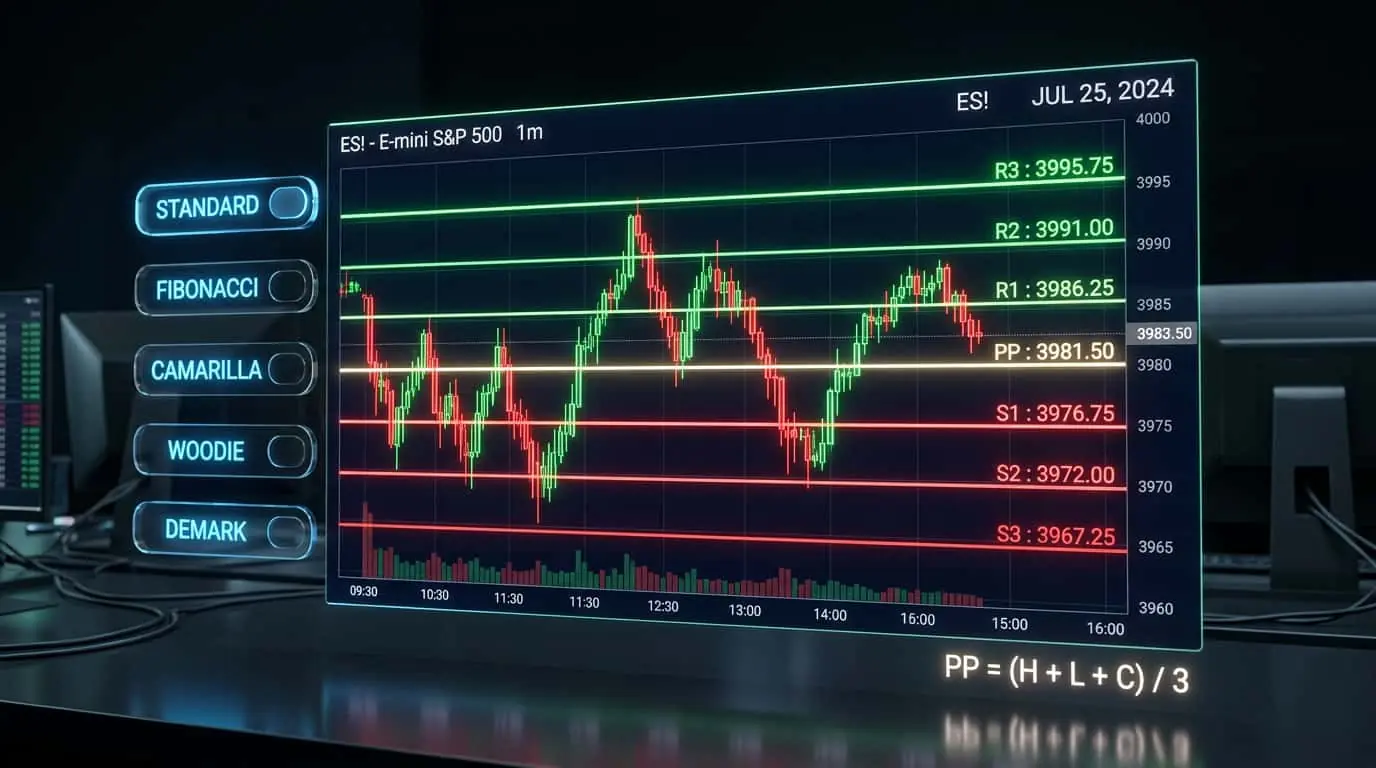
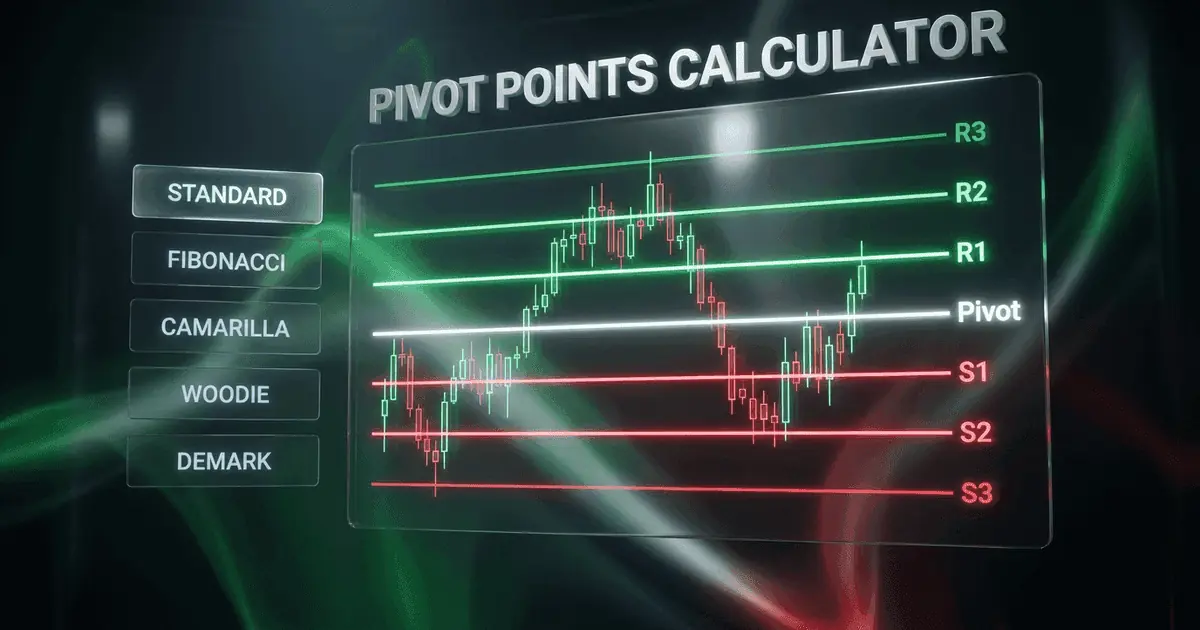
NinjaTrader 8 provides several tools for identifying and trading support and resistance levels effectively. The horizontal line drawing tool lets you mark key levels directly on your chart. For a more systematic approach, NinjaTrader's built-in PriorDayOHLC indicator automatically plots the previous day's open, high, low, and close as horizontal lines, which serve as natural support and resistance for intraday trading. The CurrentDayOHL indicator plots the current session's open, high, and low as they develop. For volume-based support and resistance, NinjaTrader's VolumeProfile indicator displays volume by price, revealing high-volume nodes that act as magnets and low-volume nodes where price moves quickly. You can also use NinjaTrader's OrderFlowCumulativeDelta to see whether buyers or sellers are more aggressive at a given level, adding conviction to your support/resistance analysis. For automated strategies, you can code support and resistance detection in NinjaScript by tracking swing highs and lows using the Swing indicator: double lastSwingHigh = Swing(7).SwingHigh[0] identifies the most recent swing high, which is a natural resistance level. Combining multiple NinjaTrader tools, such as PivotPoints, VolumeProfile, and manually drawn levels, creates a layered support/resistance framework that highlights the highest-probability zones. Color-code your levels by strength: green for A-grade, yellow for B-grade, and gray for C-grade levels.
Pro Tip
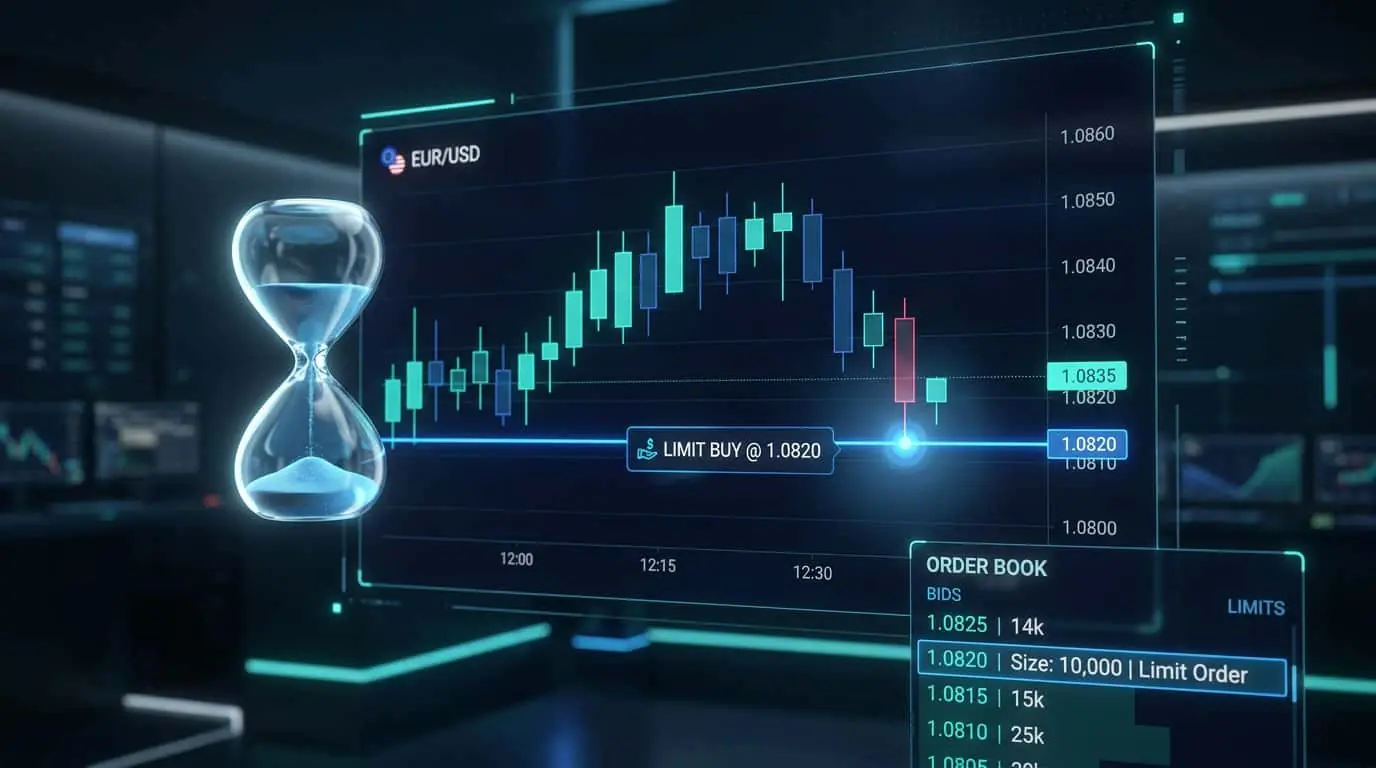
In NinjaTrader, use the Chart Trader panel to place limit orders directly at your support and resistance levels. This ensures you do not miss entries when price reaches your level quickly, and it removes the emotional hesitation that causes many traders to miss setups at key levels.
Mistake
Drawing too many support and resistance lines on a chart
Correction
Focus on the 3-5 most significant levels that are clearly visible. Too many lines create confusion and analysis paralysis. Only mark levels where price has reacted strongly and repeatedly.
Mistake
Treating support and resistance as exact prices
Correction
Support and resistance are zones, not exact prices. Allow for some overshoot (a few ticks or pips) and wait for price action confirmation before entering trades at these levels.