TL;DR
Trading discipline is the ability to consistently follow your trading plan, rules, and risk management parameters regardless of emotional impulses. It is the single most important trait separating consistently profitable traders from those who blow up their accounts.
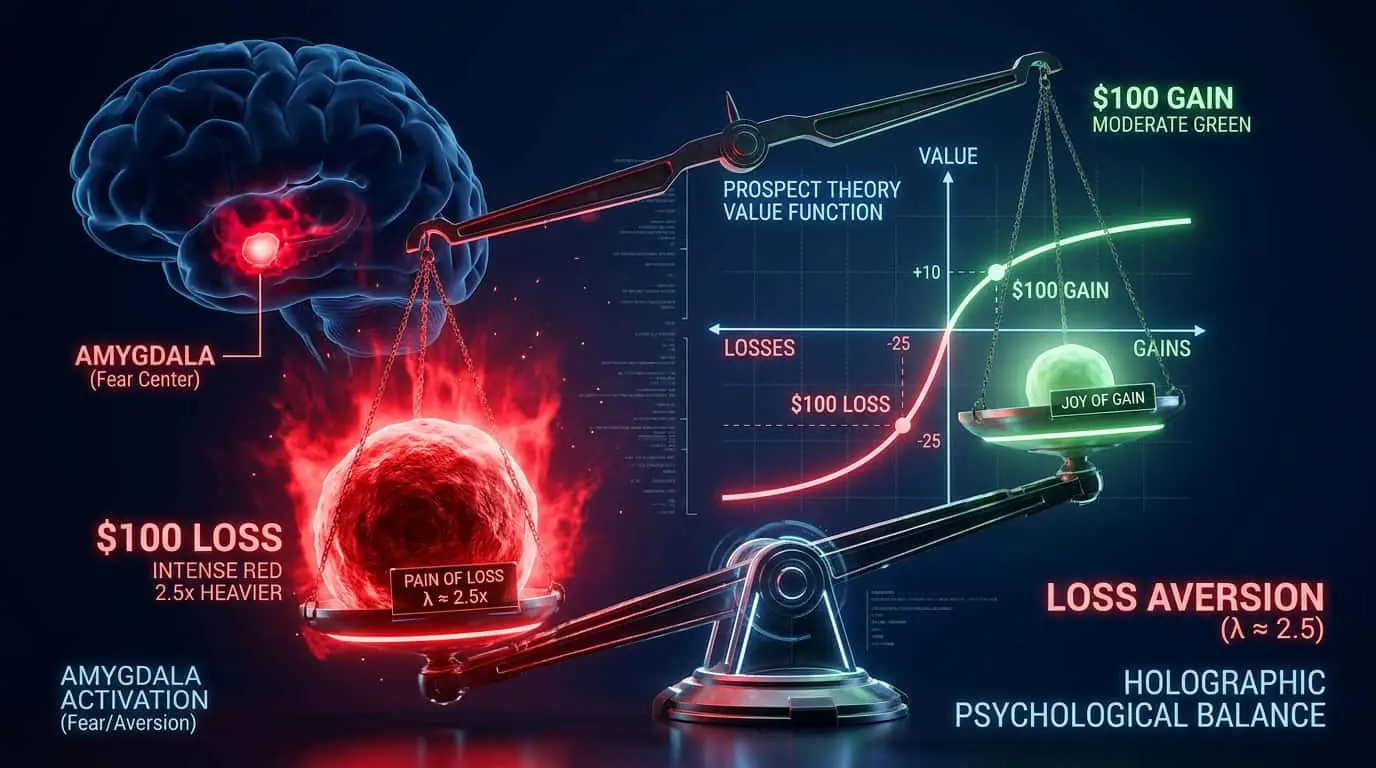
Trading discipline is the practice of adhering to a predefined set of rules, processes, and risk parameters with unwavering consistency, trade after trade, day after day. It is not about suppressing emotions entirely -- that is neither possible nor desirable. Instead, discipline means acknowledging emotional impulses (fear, greed, excitement, frustration) and choosing to act according to your plan rather than reacting to those impulses. The concept is deceptively simple: follow your rules. In practice, it is the hardest skill in trading to master. Research from behavioral finance, notably the work of Daniel Kahneman and Amos Tversky on prospect theory, shows that humans are neurologically wired to make irrational decisions under uncertainty. We feel the pain of losses roughly twice as intensely as the pleasure of equivalent gains. This asymmetry creates powerful urges to deviate from rational strategies -- cutting winners short, letting losers run, increasing size after a loss, or skipping setups after a string of failures. Trading discipline is the counterforce to these biases. A disciplined trader executes the same process whether they are on a ten-trade winning streak or recovering from a painful drawdown. They take the same position sizes, use the same stop-loss placement methodology, and follow the same entry criteria. The outcome of any single trade is irrelevant to how they execute the next one.
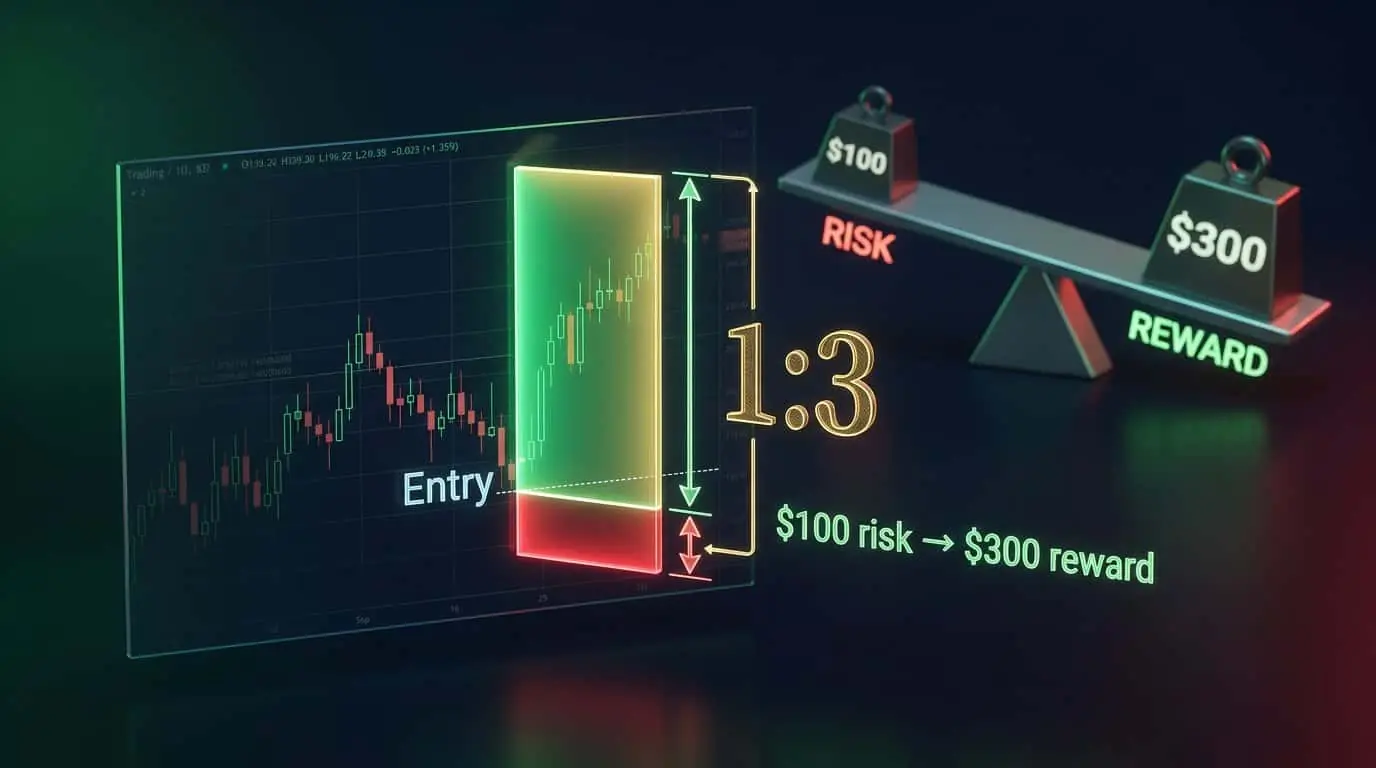
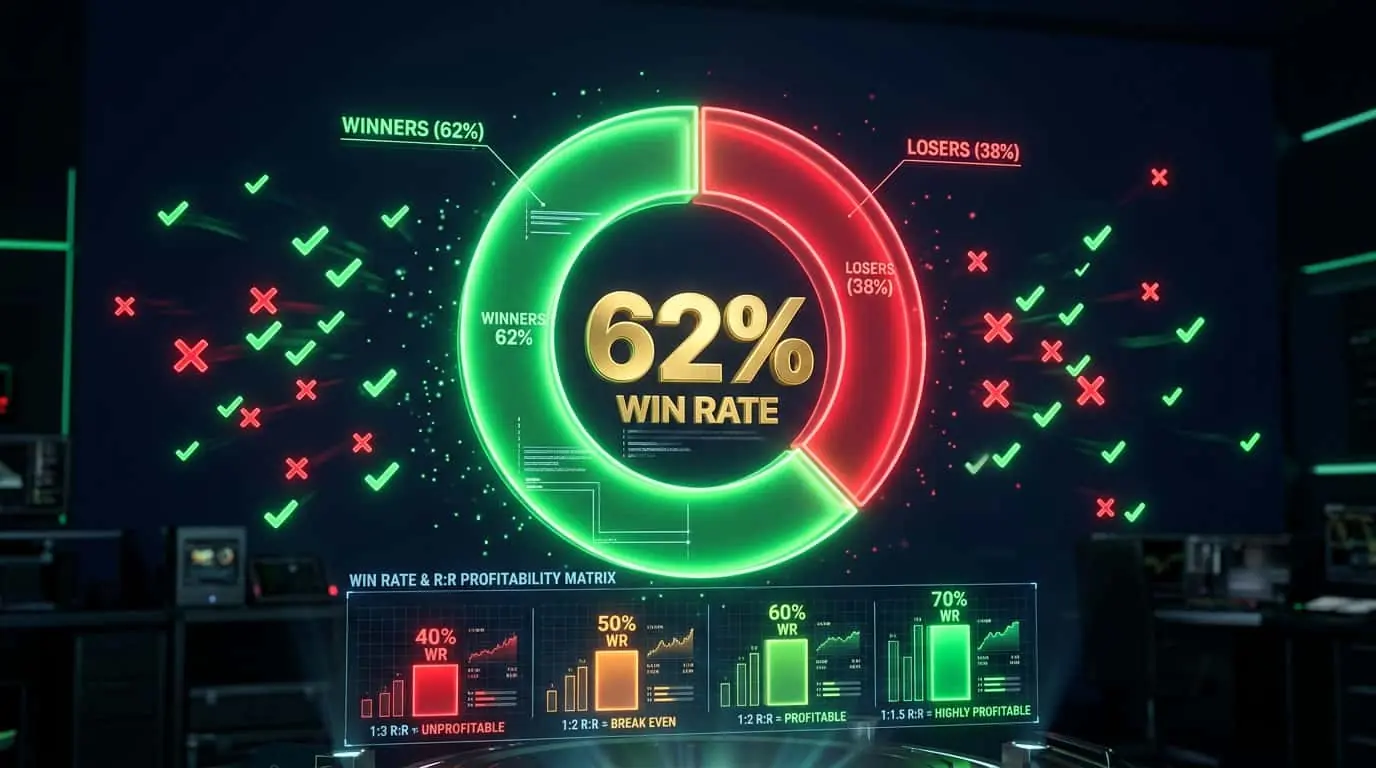
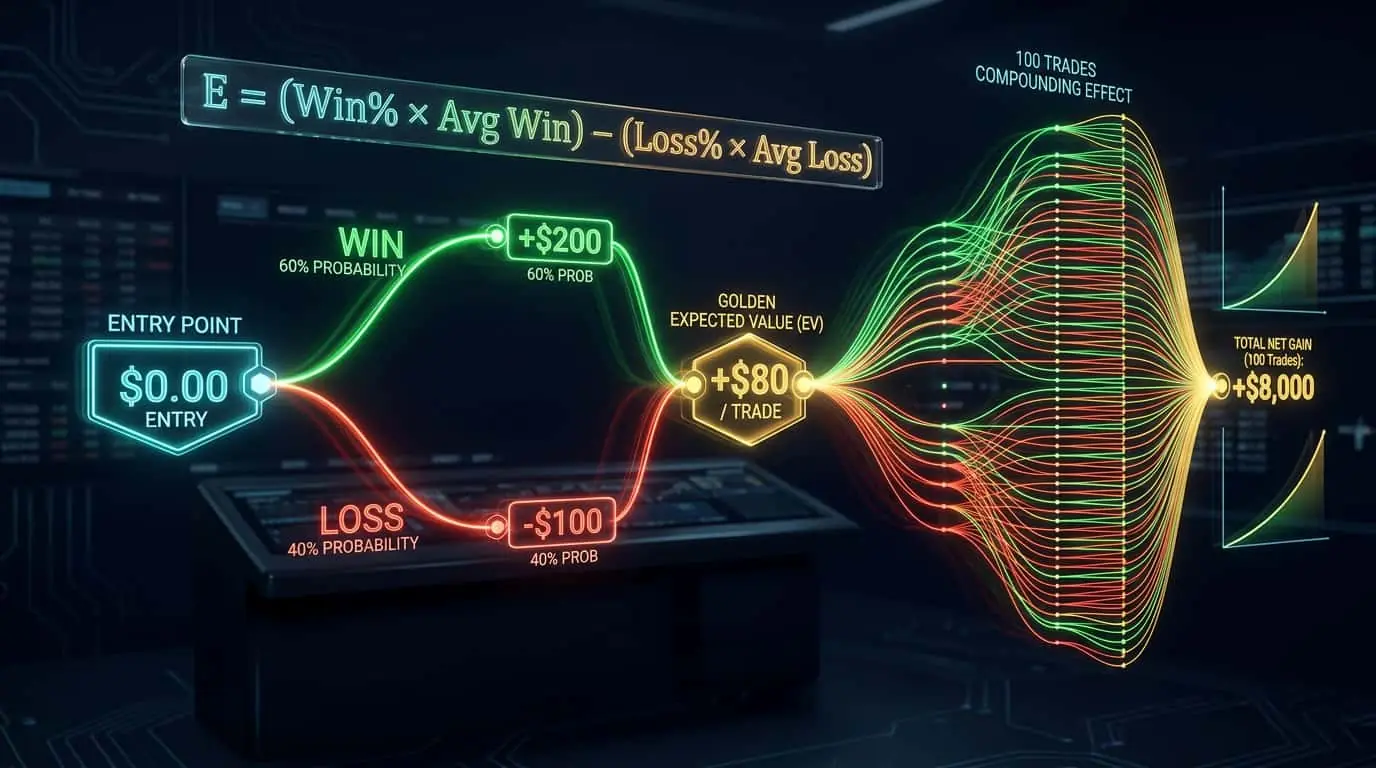
Many traders spend years searching for the perfect strategy, indicator, or system, believing that profitability is a function of finding the right edge. While having a positive-expectancy strategy is necessary, it is not sufficient. A mediocre strategy executed with iron discipline will outperform a brilliant strategy executed inconsistently. Consider a strategy with a 55% win rate and a 1.5:1 reward-to-risk ratio. Over 100 trades, this system has a clear mathematical edge. But if a trader deviates on just 15-20 of those trades -- taking profits too early, moving stops, skipping entries, or doubling down -- the edge evaporates. The strategy did not fail; the trader failed the strategy. Mark Douglas, in his seminal book 'Trading in the Zone,' argued that trading is fundamentally a probability game. Each trade is a unique event with an uncertain outcome, but over a large sample, the probabilities play out. Discipline is what allows you to reach that large sample size without destroying your account along the way. Professional trading firms understand this intimately. Prop firms enforce strict daily loss limits, position size rules, and drawdown thresholds not because their traders lack skill, but because they know that even skilled traders are vulnerable to emotional deviation. The rules create an external discipline framework that protects capital during inevitable psychological weak points.
Pro Tip
Track your 'discipline score' alongside your P&L. After each trade, rate yourself 1-10 on how well you followed your plan. Over time, you will notice that your highest-discipline periods correlate with your best performance -- regardless of market conditions.
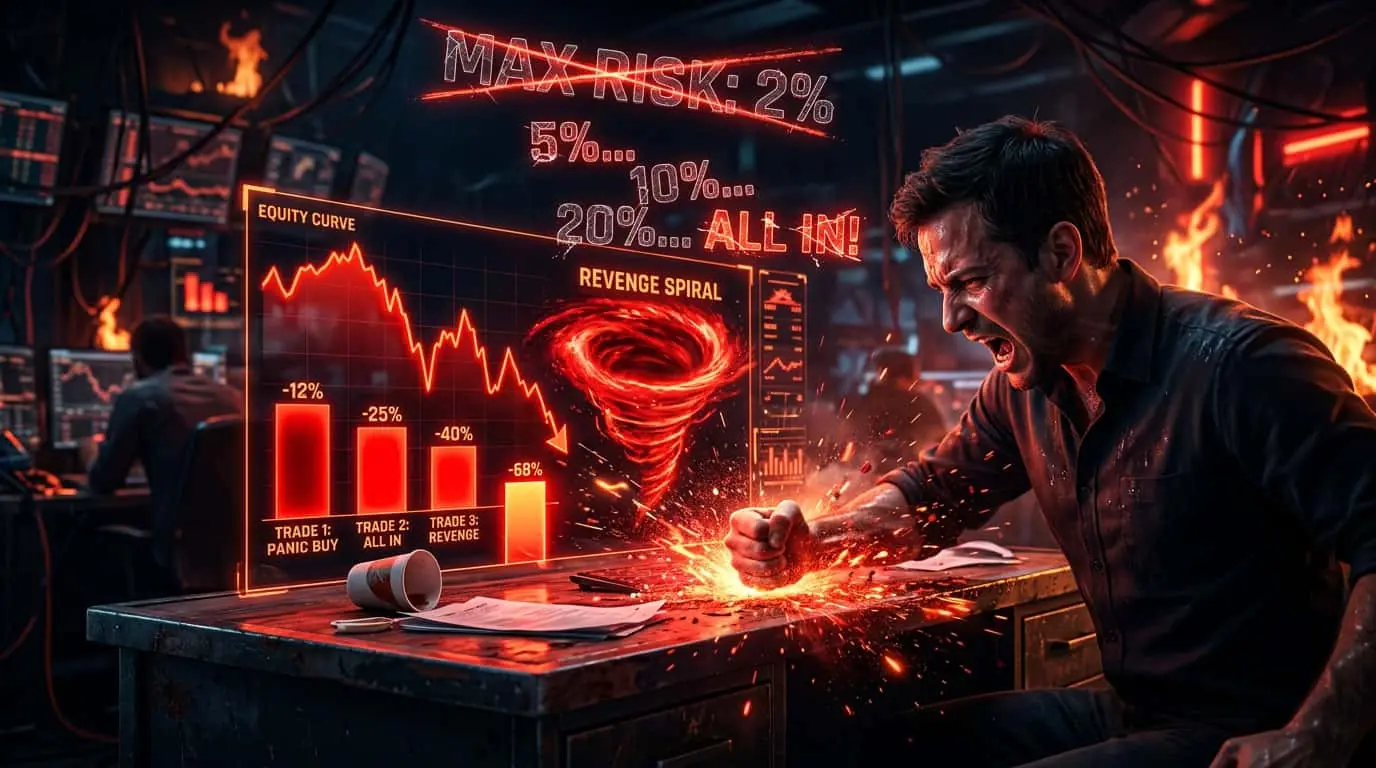
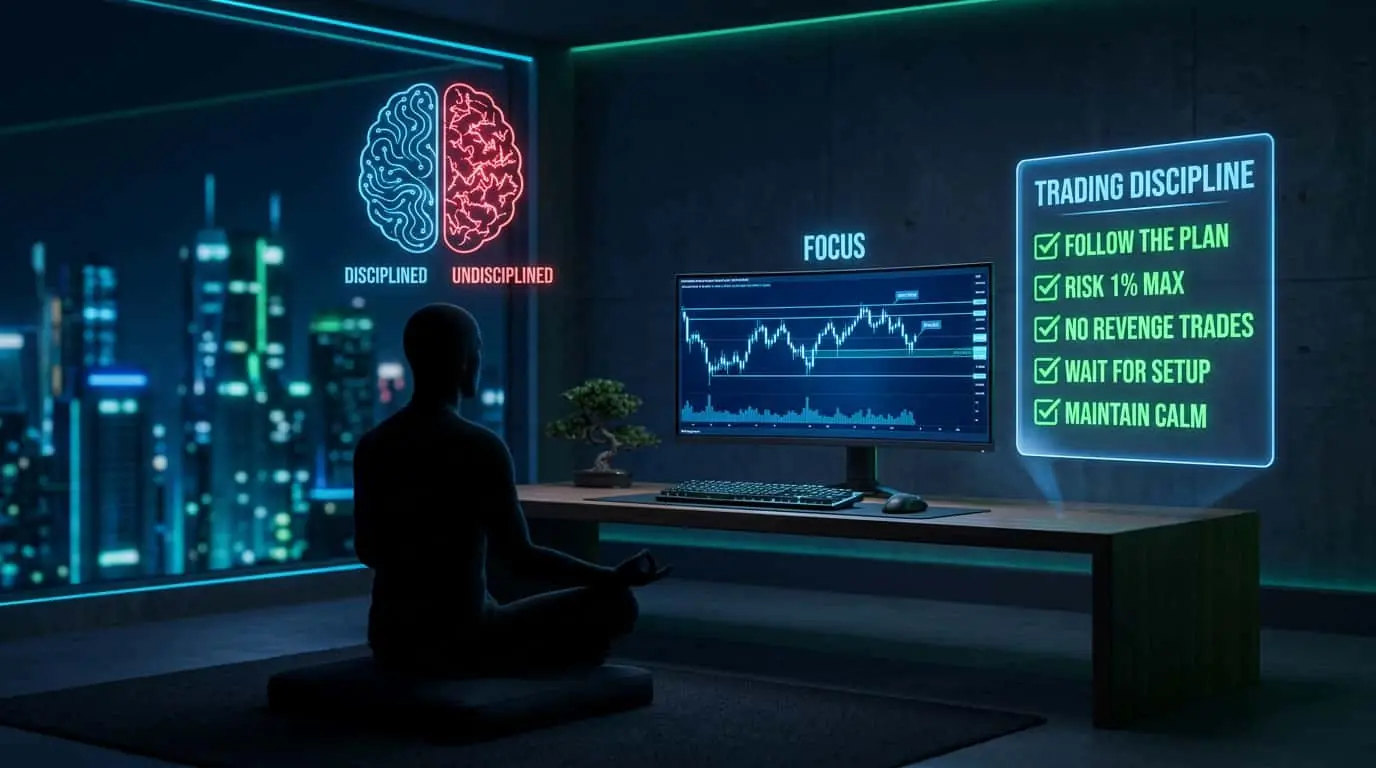
Understanding why discipline breaks down requires a basic grasp of how the brain processes trading decisions. Two systems compete for control: the limbic system (fast, emotional, reactive) and the prefrontal cortex (slow, rational, deliberate). During calm market conditions, the prefrontal cortex governs decision-making, and following rules feels easy. But when the market moves sharply against you, when a large profit evaporates, or when you miss a trade that would have been a huge winner, the limbic system activates a fight-or-flight response. Cortisol floods the brain, the heart rate spikes, and the prefrontal cortex is effectively hijacked. In this state, traders make their worst decisions: revenge trading, abandoning stop losses, quadrupling position sizes, or freezing and failing to act at all. Research by neuroscientist Antoine Bechara has shown that damage to the emotional processing centers of the brain does not improve decision-making -- it impairs it. Emotions are essential inputs. The goal of discipline is not to eliminate emotions but to create a structured decision-making process that functions even when emotions are running high. This is why pre-trade checklists, automated stop losses, and physical routines (deep breathing, stepping away from the screen) are so effective. They shift decision-making from the overwhelmed limbic system back to the prefrontal cortex.
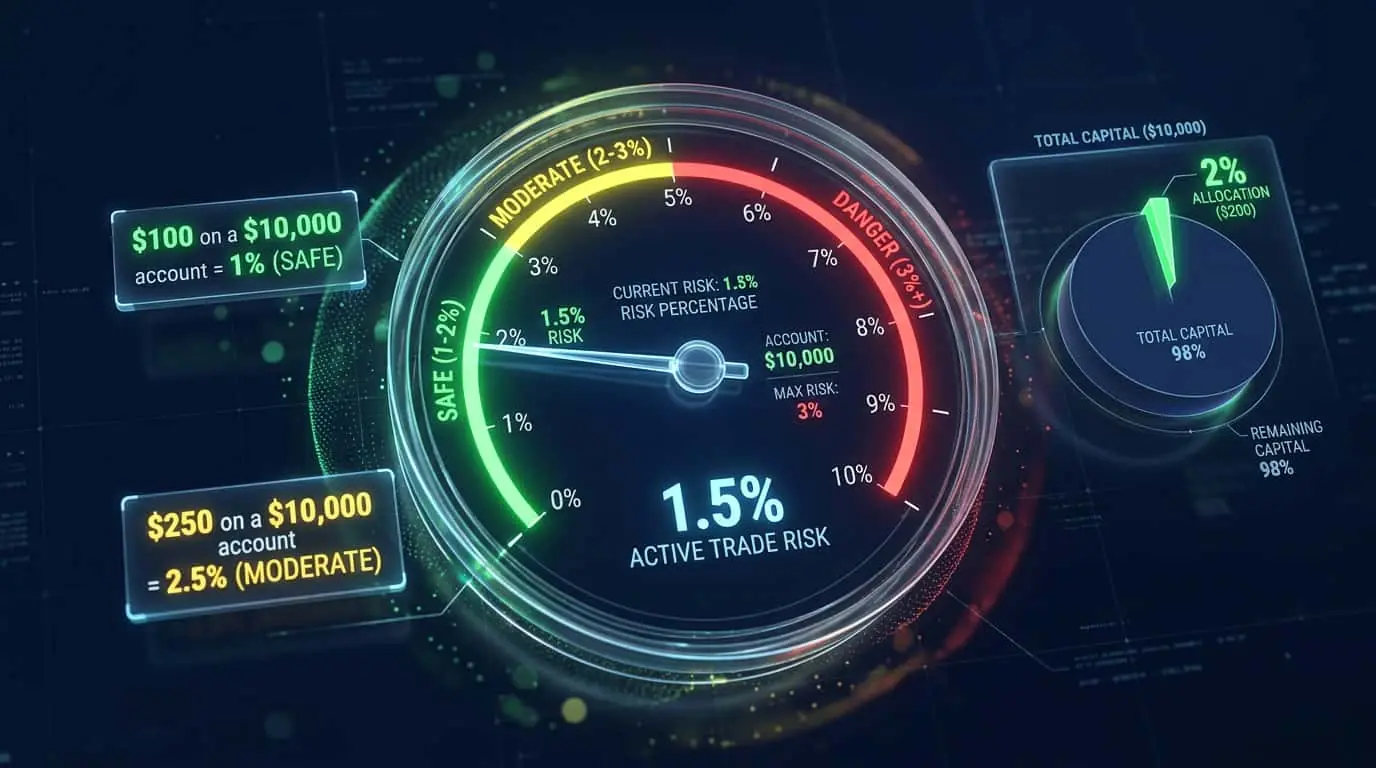
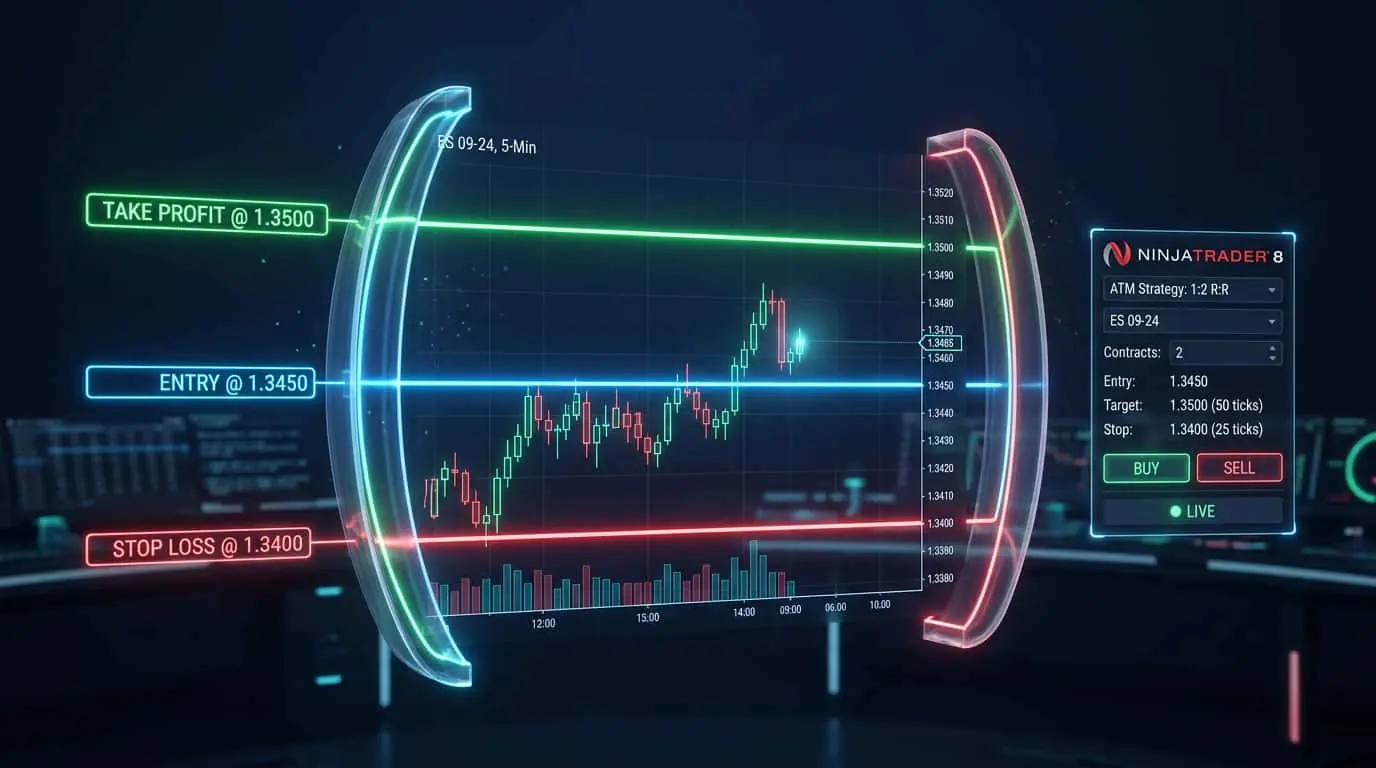
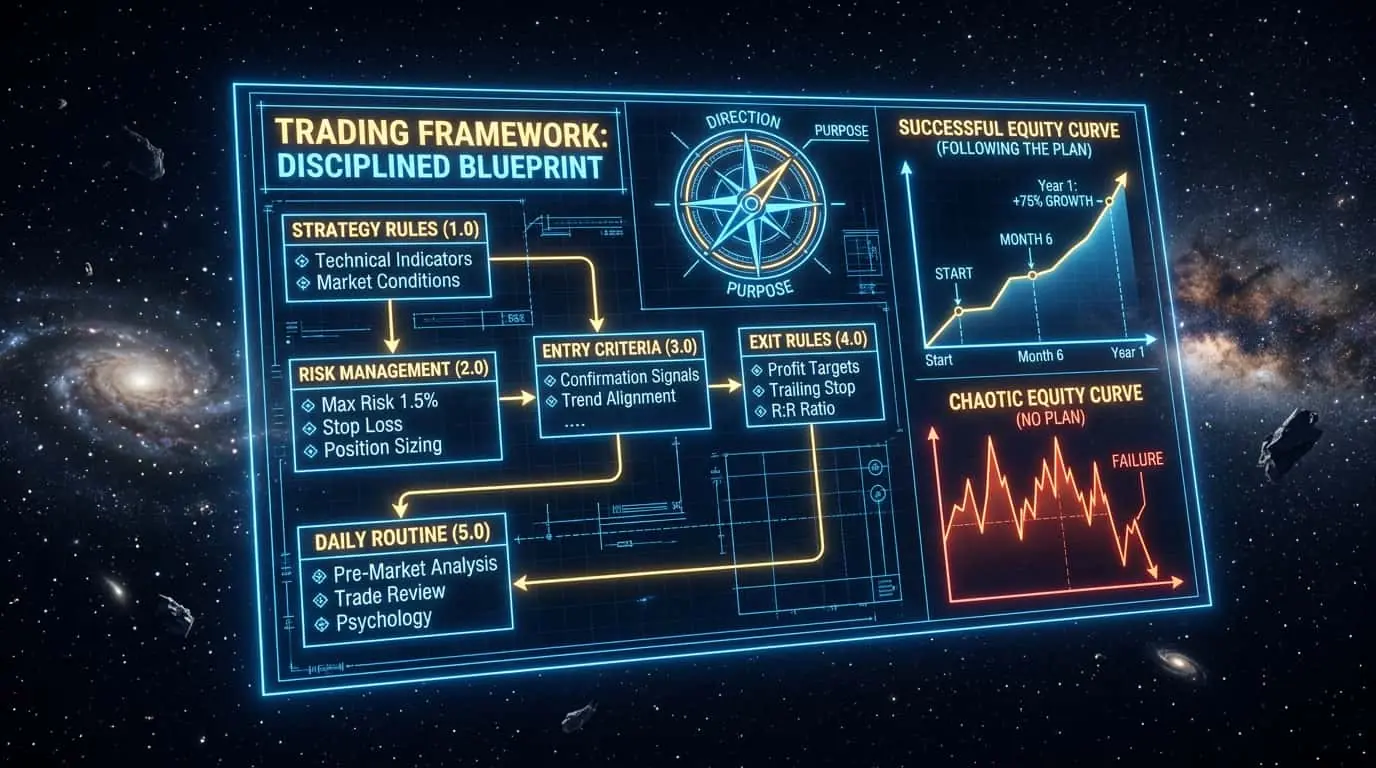
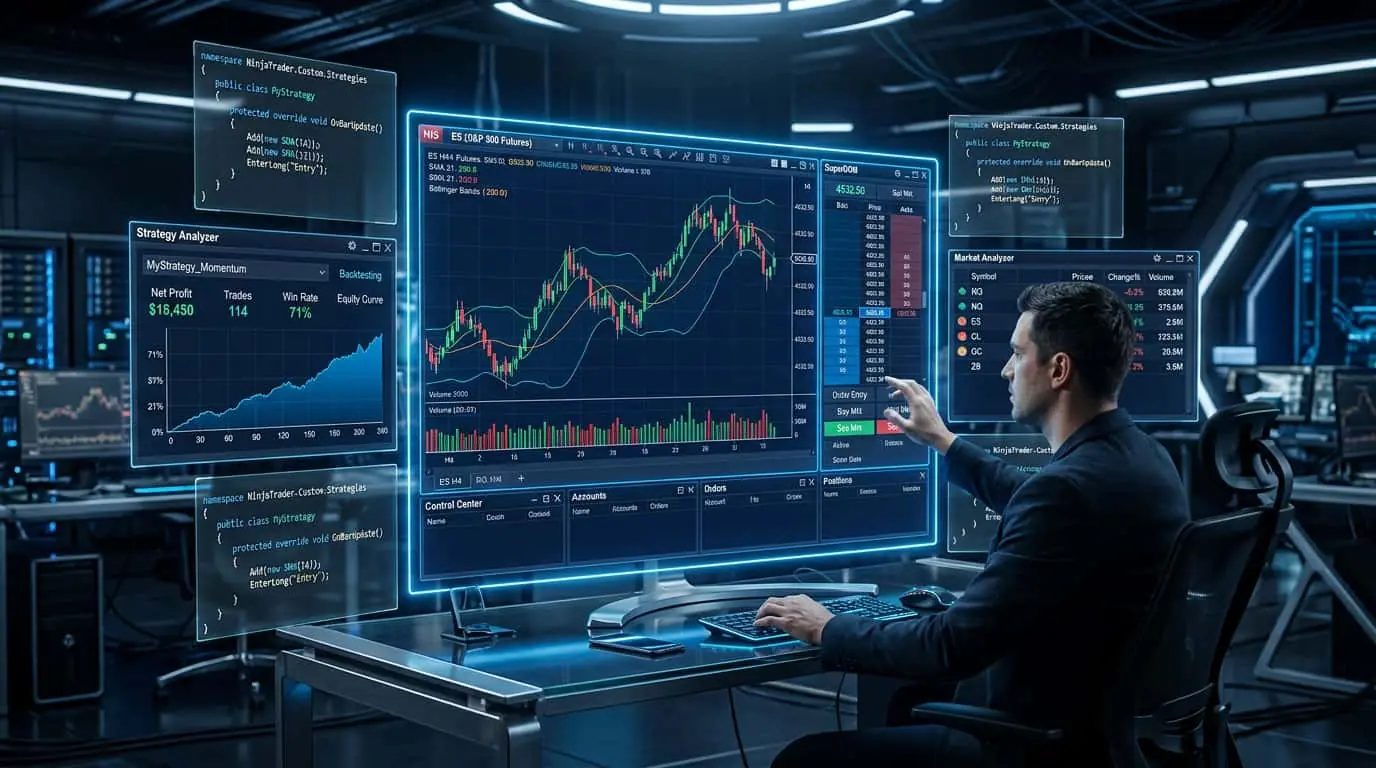
Discipline is not an innate personality trait -- it is a skill that can be developed through deliberate practice and structural support. The most effective approach combines internal habits with external constraints that make it harder to deviate from your plan. Start with a written trading plan that specifies every decision point: what markets you trade, what timeframes you use, what setups qualify as entries, how you size positions, where you place stops and targets, and when you stop trading for the day. The more specific the plan, the less room for improvised decisions in the heat of the moment. Implement a pre-market routine that prepares you mentally before the session opens. This might include reviewing your plan, checking the economic calendar, marking key levels on your charts, and setting alerts. A consistent routine activates the prefrontal cortex and puts you in a rule-following mindset before the emotional chaos of live markets begins. Use technology as a discipline enforcer. Hard stop losses in NinjaTrader's ATM strategies execute your exit plan even when your emotions scream to 'give it more room.' Daily loss limits in your broker settings lock you out before you can revenge trade a bad day into a catastrophe. Automated position sizing calculators ensure you never risk more than your plan allows.
| Discipline Tool | What It Does | Why It Works |
|---|---|---|
| Written Trading Plan | Documents every rule and decision point | Eliminates improvisation under stress |
| Pre-Market Checklist | Structured routine before market open | Activates rational brain before emotions engage |
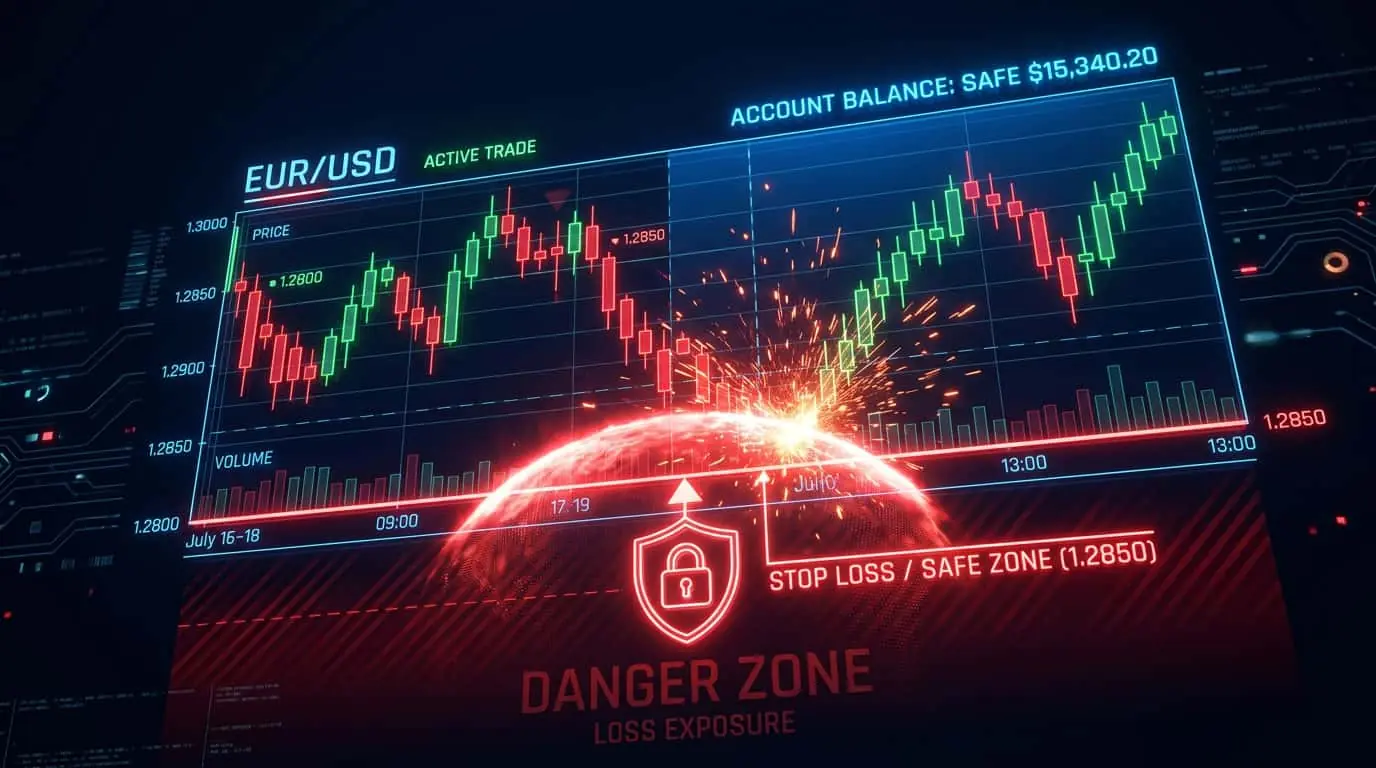
| Hard Stop Losses (ATM) | Automatic exit at predetermined level | Removes temptation to move stops |
| Daily Loss Limit | Locks you out after max daily loss | Prevents revenge trading spirals |
| Trading Journal | Records trades, emotions, and adherence | Creates accountability and pattern recognition |
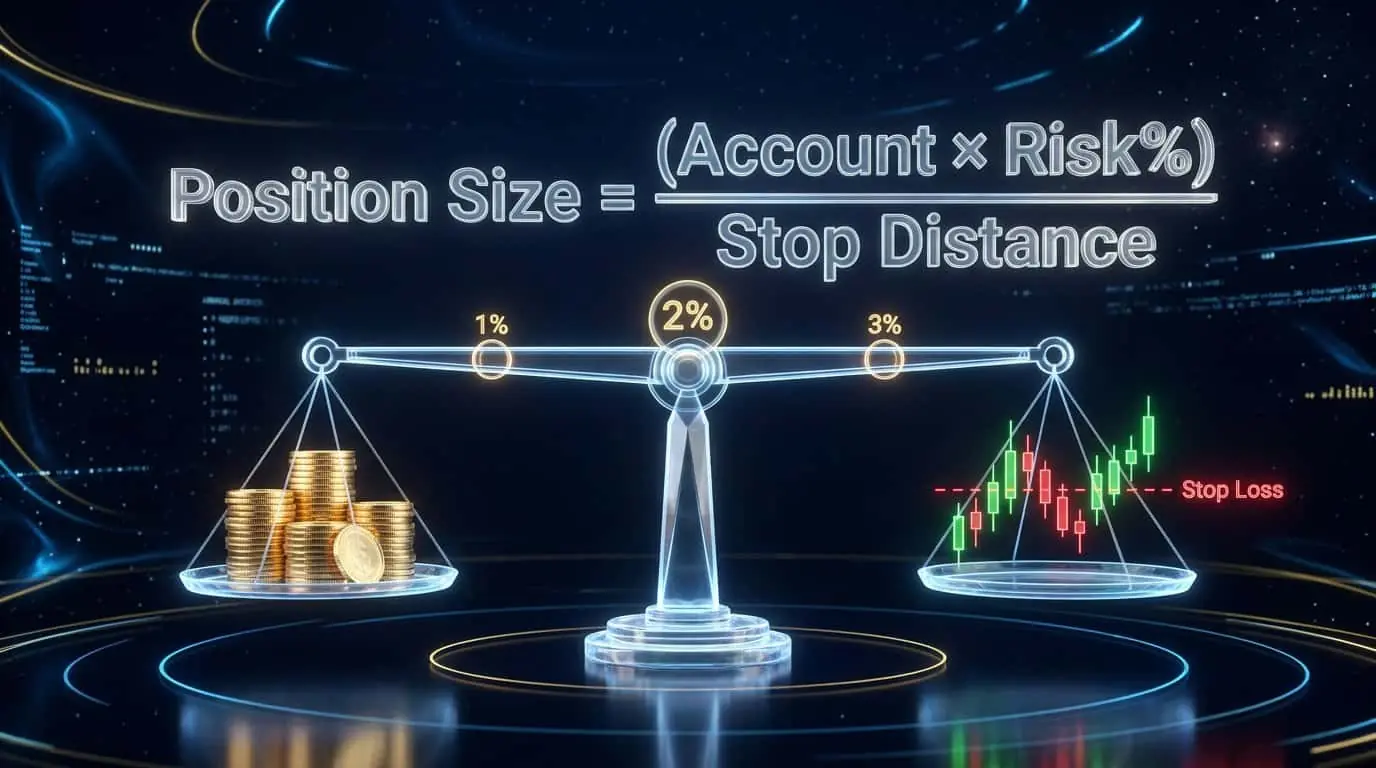
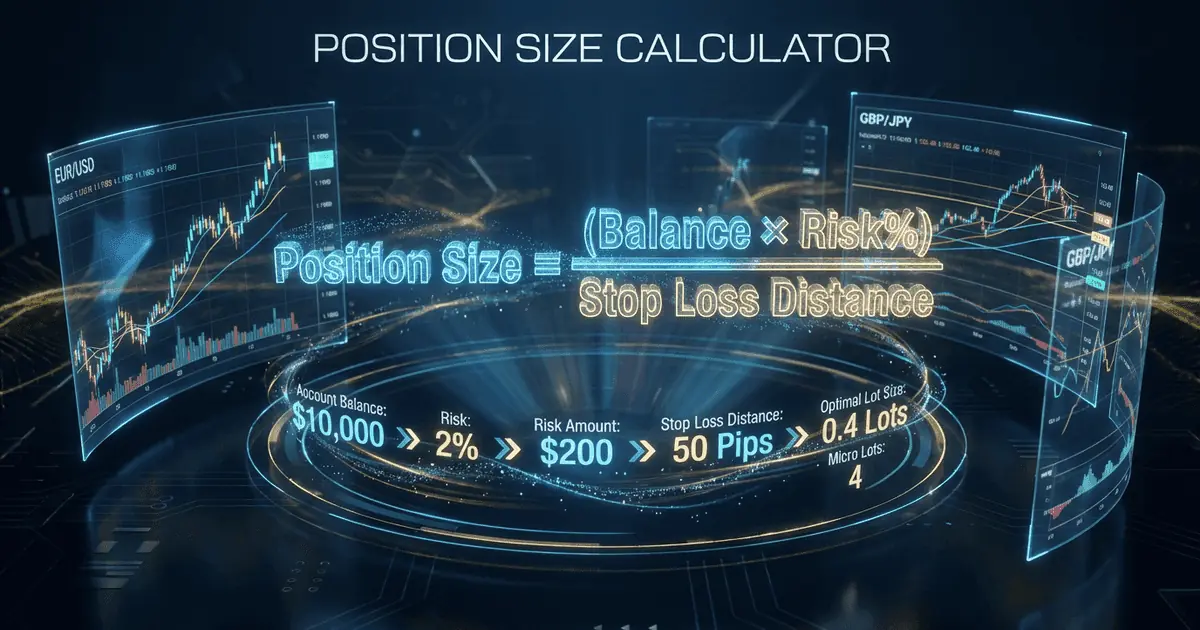
| Position Size Calculator | Computes size based on risk rules | Prevents emotional over-sizing |
Pro Tip
Set your daily loss limit at 2-3x your average daily profit target. If your target is $500/day, stop trading after losing $1,000-$1,500. This gives you enough room for normal losing days while preventing catastrophic sessions.
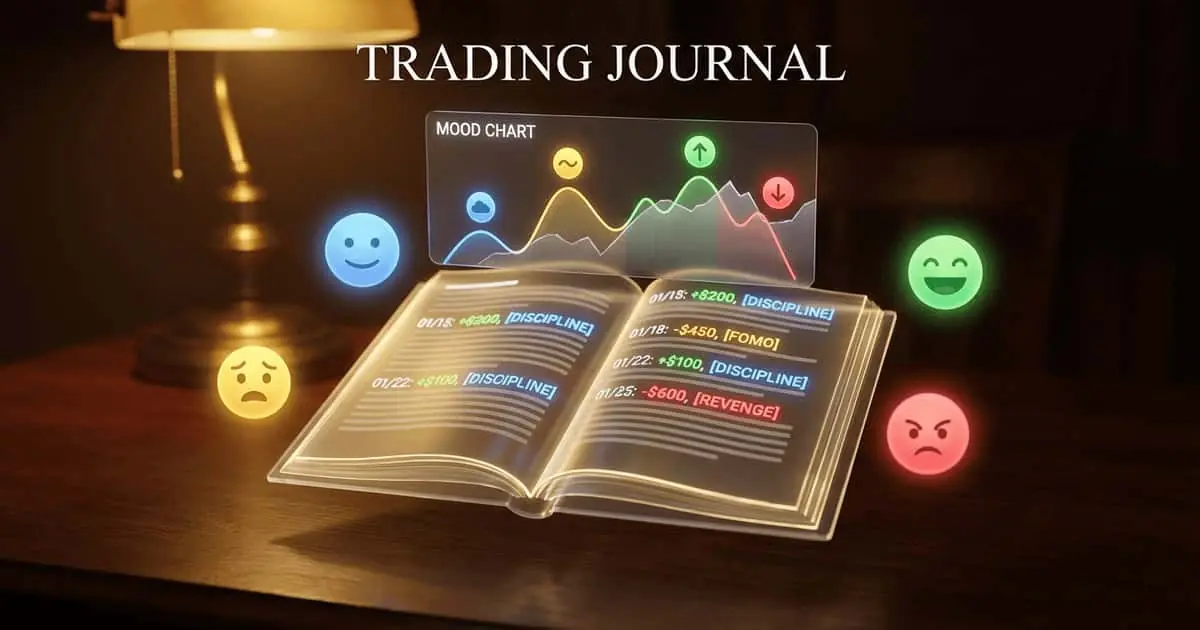
A trading journal is the single most powerful discipline-building tool available to traders, yet the majority of retail traders do not keep one. The journal serves two functions: accountability and pattern recognition. When you know that every trade will be recorded and reviewed, you are far less likely to take impulsive trades that violate your rules. The act of writing 'I deviated from my plan because I was frustrated about the previous loss' creates a level of self-awareness that mental notes cannot match. Over time, your journal reveals patterns in your discipline failures. You might discover that you always break rules on Fridays, after large wins, during news events, or when trading a particular instrument. These patterns are invisible without data. Once identified, you can create targeted interventions: avoiding trading on Friday afternoons, implementing a mandatory break after a big win, or sitting out news releases entirely. The best trading journals record not just entries, exits, and P&L, but also emotional state before and during the trade, the specific setup or reason for entry, whether the trade followed all plan rules, and any deviations with explanations. Review your journal weekly, looking for discipline trends rather than just financial results. A week of small losses with perfect plan adherence is infinitely more valuable than a week of lucky profits from random trades, because the disciplined losses are building a foundation for sustained profitability.
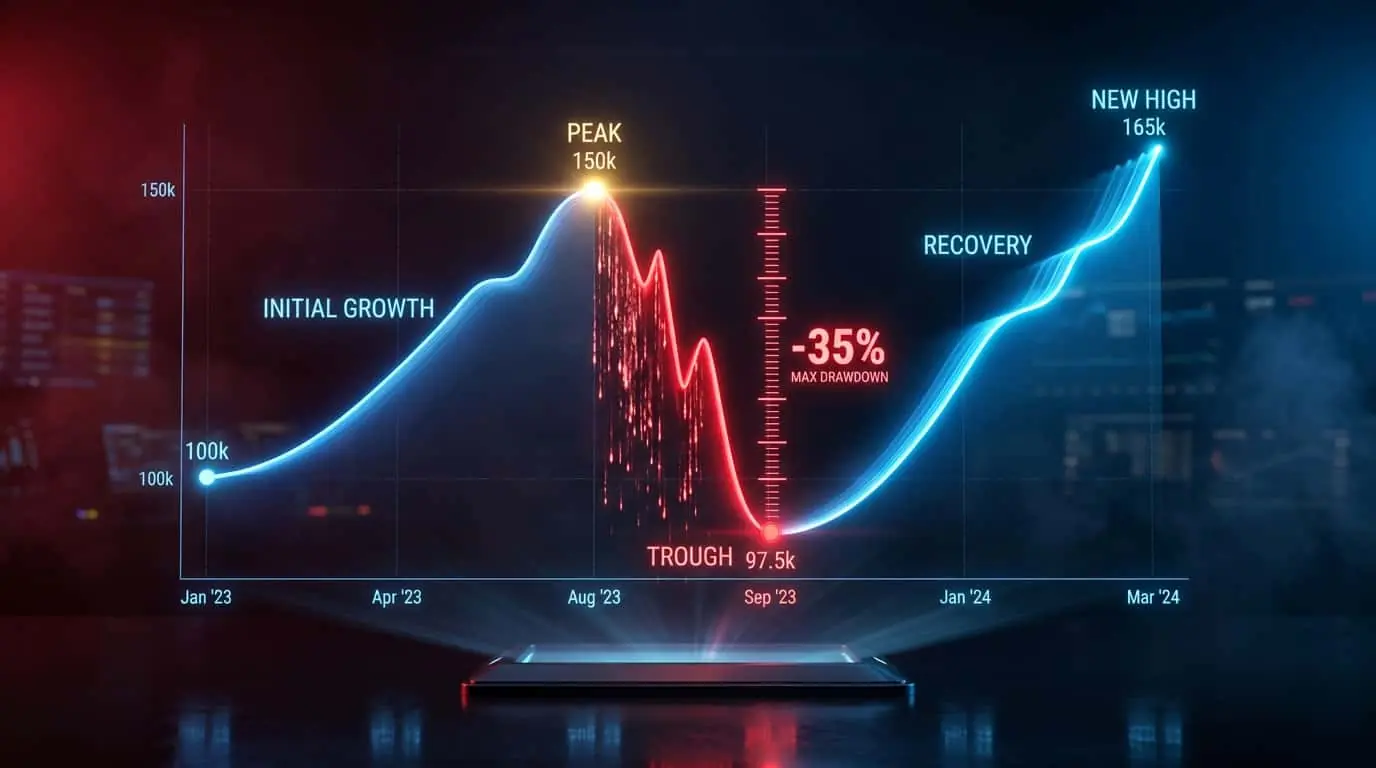
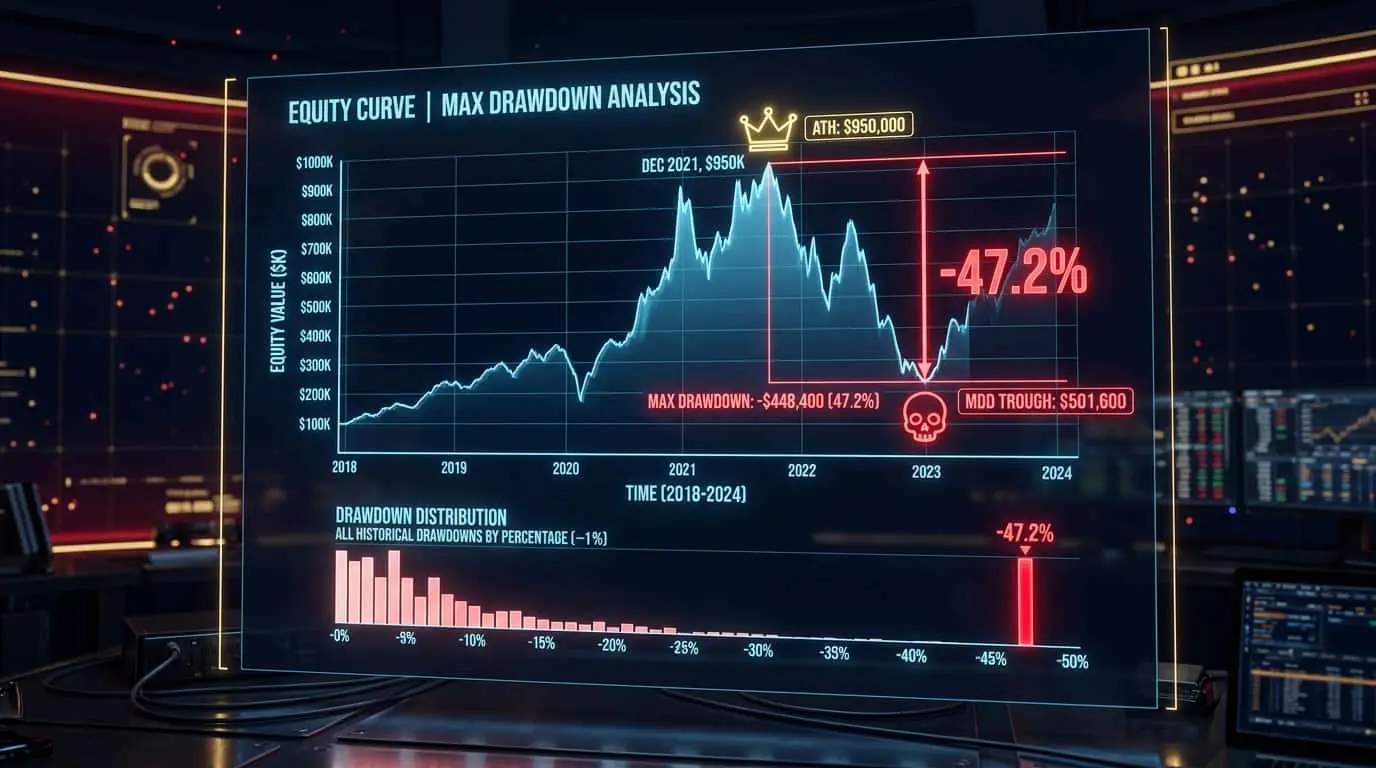
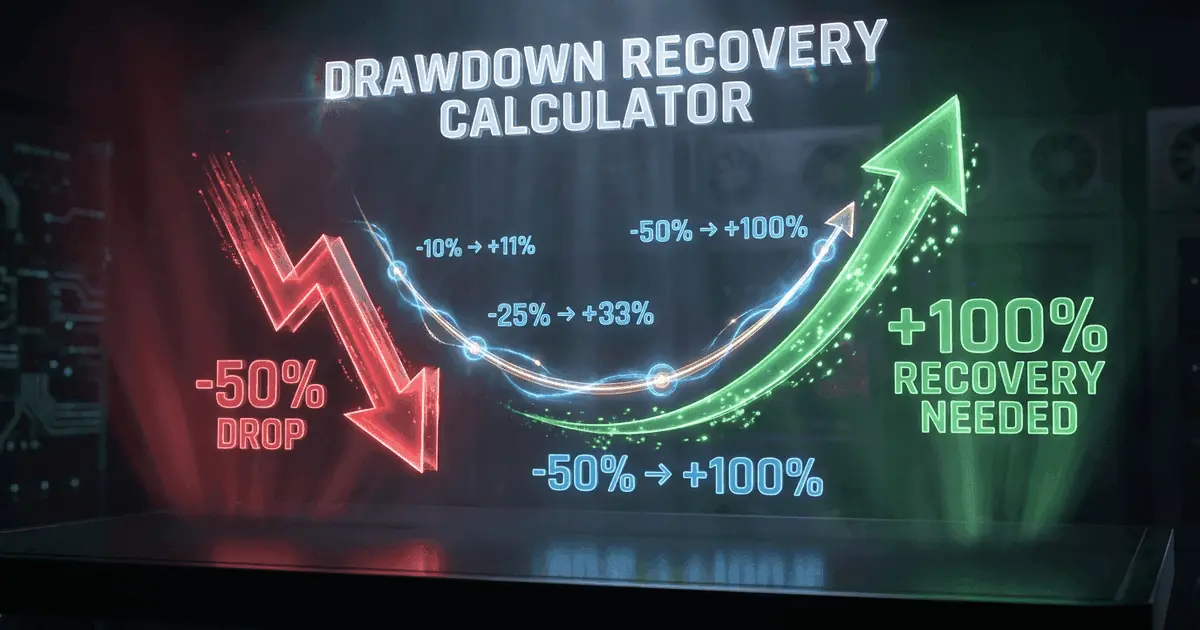
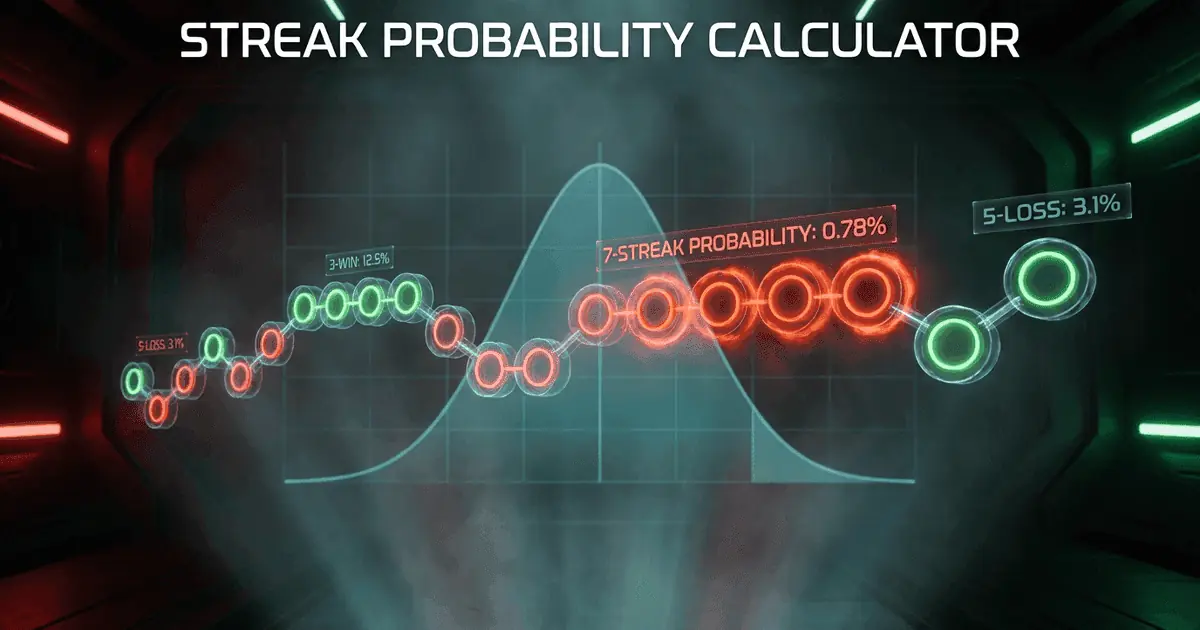
The ultimate test of trading discipline comes during drawdowns. When your account is declining and nothing seems to work, maintaining discipline requires extraordinary mental fortitude. This is precisely when most traders abandon their strategies, increase risk in desperate attempts to recover, or quit trading altogether. Understanding the mathematics of drawdowns helps maintain discipline during these periods. A strategy with a 55% win rate will experience runs of 5 or more consecutive losses roughly 1.8% of the time -- rare but inevitable over thousands of trades. A 60% win rate strategy will still see 4-loss streaks about 2.6% of the time. These losing streaks are not evidence that your strategy is broken; they are statistical certainties that your plan should already account for. The key discipline practices during drawdowns are: maintain your standard position size (do not increase to 'make it back'), continue taking every valid setup (do not become overly selective out of fear), review your recent trades for execution errors versus normal variance, and if your drawdown hits a predetermined threshold (e.g., 10-15% of account), take a mandatory break of 2-3 days to reset psychologically. Some of the worst trading catastrophes in history -- from individual retail accounts to institutional blowups like Nick Leeson at Barings Bank -- resulted not from bad strategies but from the complete abandonment of discipline during losing periods. The discipline to accept losses, maintain risk limits, and trust the process is what keeps temporary drawdowns from becoming permanent account destruction.
Pro Tip
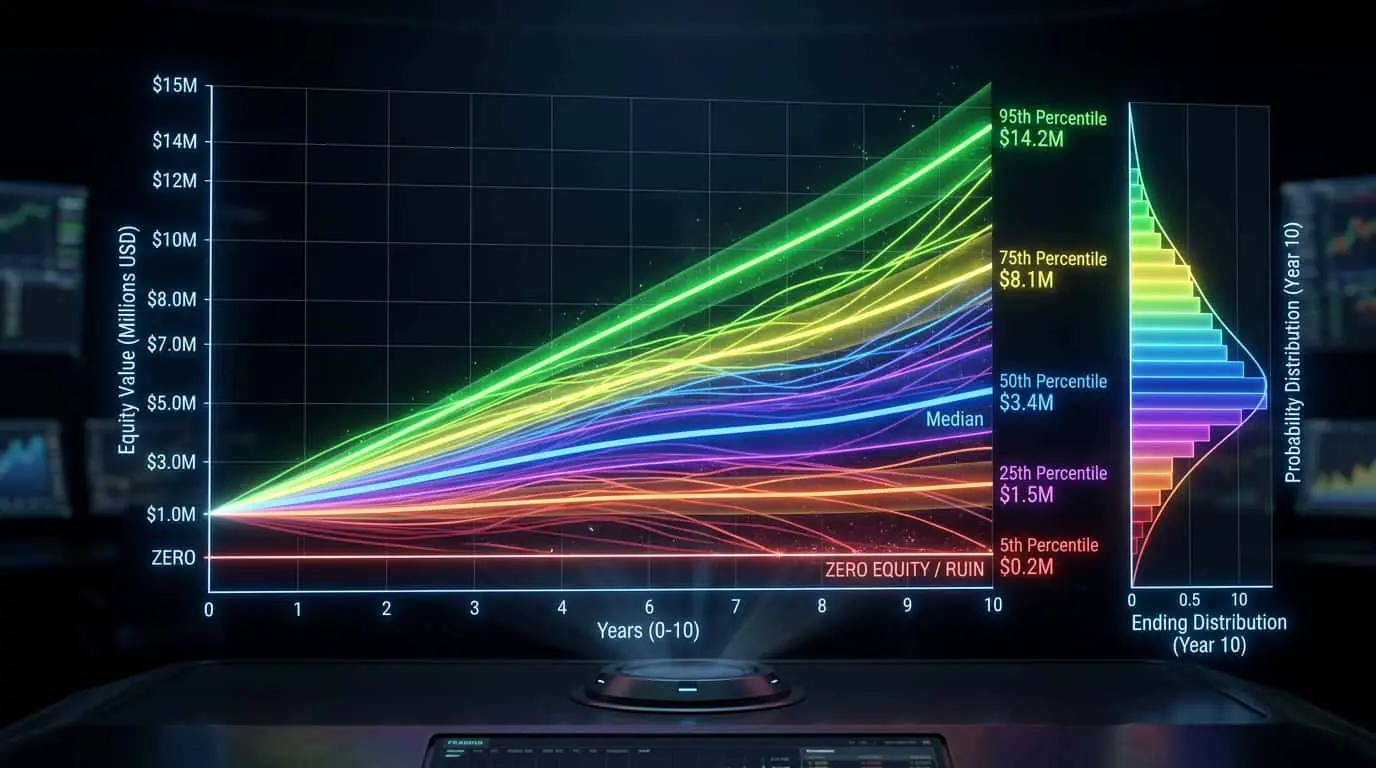
Before you start trading a strategy live, run a Monte Carlo simulation to understand its expected worst-case drawdown. When you know in advance that a 15% drawdown is statistically likely, experiencing it feels less like a crisis and more like an expected event.
Mistake
Relying on willpower alone to maintain discipline
Correction
Use structural enforcement: hard stop losses, automated position sizing, daily loss limits, and a trading journal. Willpower is a depleting resource; systems are not.
Mistake
Abandoning a proven strategy during a normal drawdown
Correction
Run Monte Carlo simulations before going live so you know the expected worst-case drawdown. If your drawdown is within statistical norms, maintain your process and trust the math.
Mistake
Confusing discipline with rigidity
Correction
Discipline means following your plan, but your plan should include rules for adaptation (e.g., reducing size during high volatility, avoiding trading during major news). Adapting within your rules is disciplined; changing rules mid-trade is not.