TL;DR
A margin call is a demand from your broker to deposit additional funds or close positions when your account equity falls below the required maintenance margin. It is a warning that your account is at risk of forced liquidation. Proper position sizing and leverage management prevent margin calls.
A margin call is a demand from a broker for a trader to deposit additional funds or close positions when the account equity falls below the required maintenance margin level. It occurs when trading losses reduce the account balance to a point where it can no longer support the open positions, and it serves as a warning that the account is at risk of forced liquidation. In the context of leveraged trading (forex, futures, CFDs), margin is the collateral required to hold open positions. When you open a leveraged position, a portion of your account is set aside as used margin. The remaining funds constitute your free margin. If unrealized losses eat into your free margin and then your used margin, the broker issues a margin call. A margin call fundamentally means that your risk management has failed. Traders who use proper position sizing, stop losses, and conservative leverage should never experience a margin call under normal market conditions.
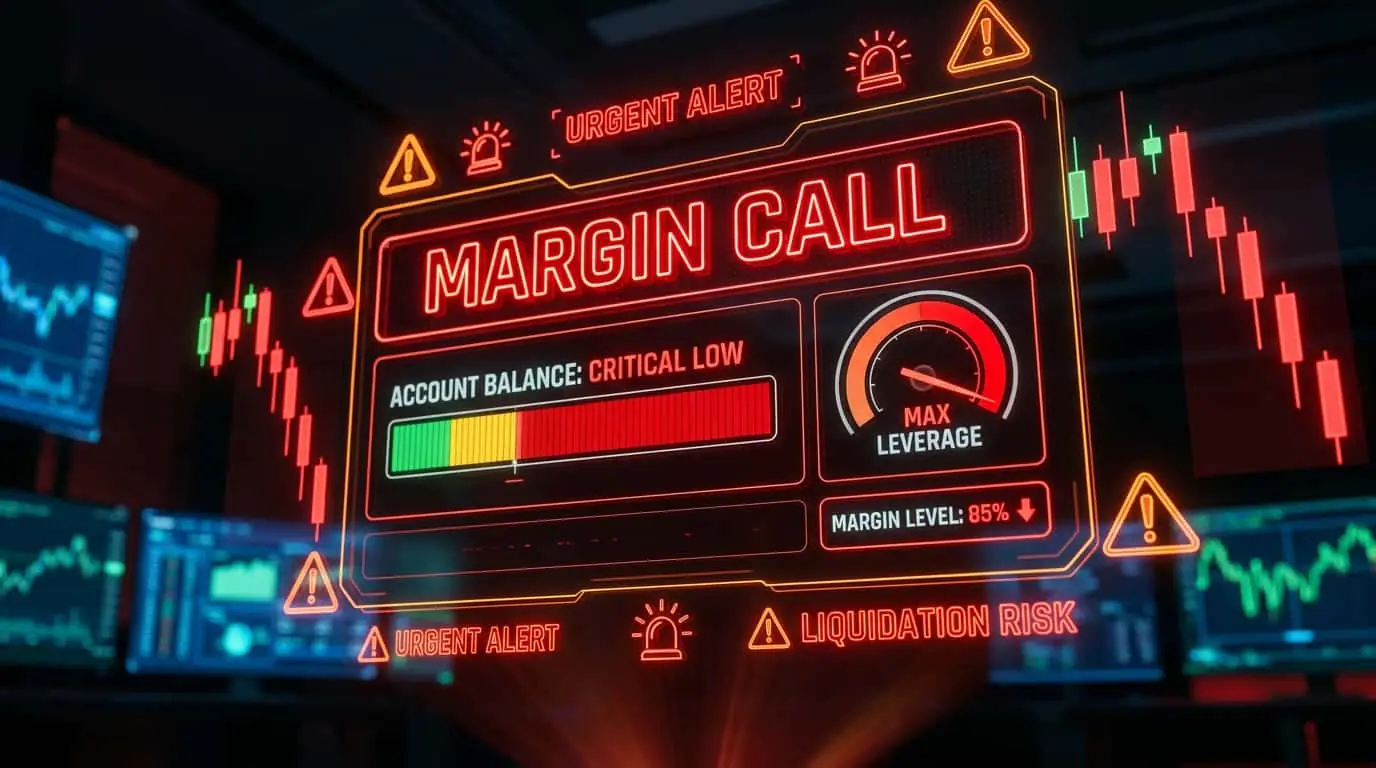
To understand margin calls, you must understand the margin system. When you open a leveraged position, the broker requires a percentage of the total position value as collateral (initial margin). For example, with 1:50 leverage, the initial margin requirement is 2% of the position value. A $100,000 position requires $2,000 in margin. The maintenance margin is the minimum equity level required to keep positions open, typically lower than the initial margin. Your margin level is calculated as (Equity / Used Margin) x 100. If your equity is $5,000 and used margin is $4,000, your margin level is 125%. Most brokers issue margin calls when the margin level drops to 100% (equity equals used margin) and begin forced liquidation (stop-out) at 50% margin level (equity is half of used margin). These thresholds vary by broker and jurisdiction.
Margin Level = (Account Equity / Used Margin) x 100Account Equity — Account balance plus/minus unrealized profits/losses
Used Margin — Total margin currently held as collateral for open positions
| Margin Level | Status | What Happens |
|---|---|---|
| Above 200% | Healthy | Full trading capability, ample free margin |
| 100-200% | Warning zone | Limited ability to open new positions |
| 100% | Margin call | Broker demands additional funds or position closure |
| 50% | Stop-out | Broker begins forced liquidation of positions |
| Below 50% | Critical | Positions being liquidated at market prices |
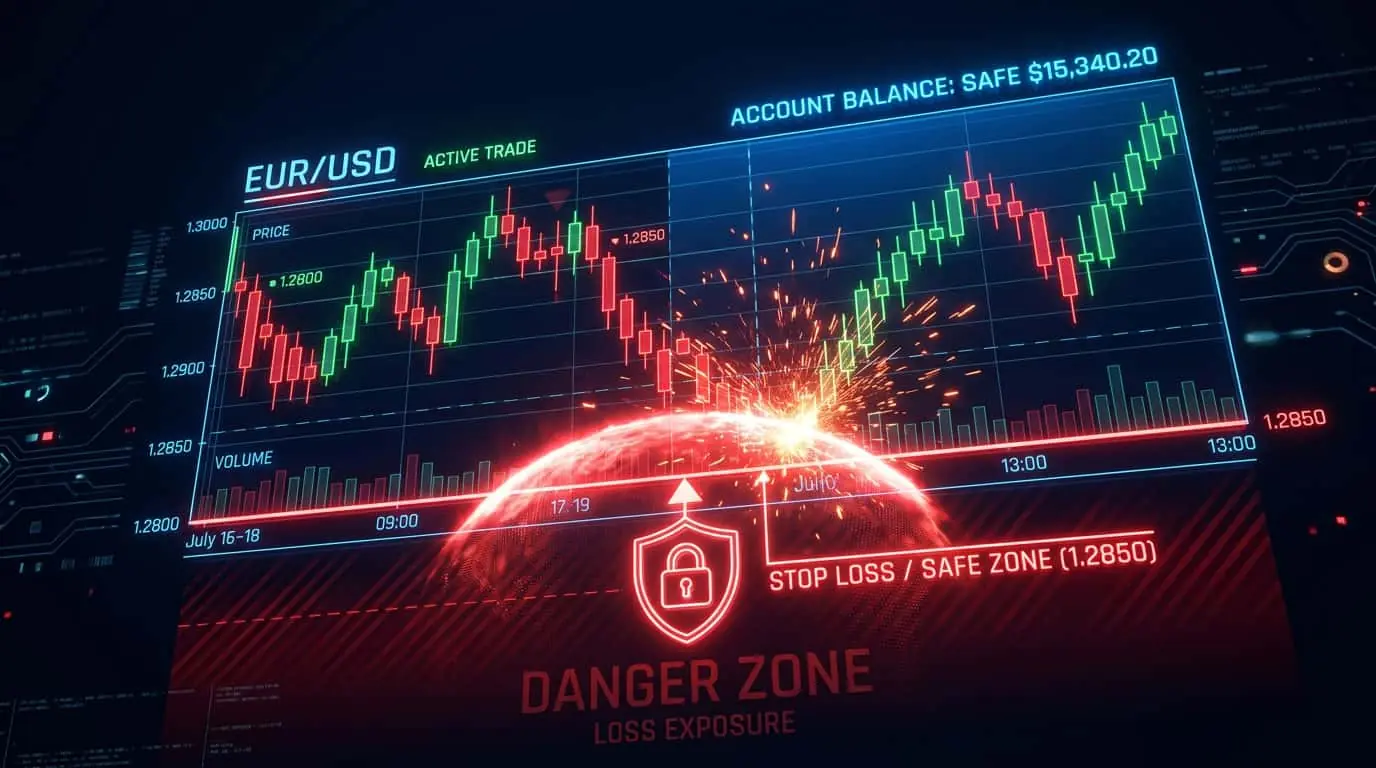
Consider a forex trader with a $10,000 account who opens a 2-lot (200,000 units) EUR/USD position at 1.1000. With 1:50 leverage, the required margin is $4,000 (2% of $200,000). The trader's free margin is $6,000. If EUR/USD moves against the trader, every pip costs $20 (for 2 standard lots). A 250-pip adverse move would create a $5,000 unrealized loss, reducing equity to $5,000. The margin level would be ($5,000 / $4,000) x 100 = 125%. If the pair moves 300 pips against the trader, the unrealized loss is $6,000, equity drops to $4,000, and the margin level hits exactly 100% ($4,000 / $4,000), triggering a margin call. If the trader does not deposit additional funds or close positions, and the market continues moving against them, the broker will begin force-closing positions when the margin level reaches the stop-out threshold (typically 50%), meaning at $2,000 equity.
Pro Tip
A margin call is not a normal part of trading. If you receive a margin call, it means your position is far too large for your account, your stop losses are too wide or nonexistent, or you are using too much leverage. Fix the root cause, do not just add more funds.
Futures margin works differently from forex margin. In futures, the initial margin is set by the exchange (e.g., CME) and represents a good-faith deposit, not a percentage of the position value. For example, the initial margin for one E-mini S&P 500 (ES) contract might be $12,650, while the maintenance margin is $11,500. If a trader's account equity drops below the maintenance margin, they receive a margin call and must bring the account back to the initial margin level. Futures margin calls are typically issued at the end of the trading day (EOD) based on settlement prices. Intraday margin requirements are often lower (as low as $500 per ES contract with some brokers), which allows day traders to use higher leverage during market hours. However, if positions are held past the session close, the full overnight margin requirement applies. This transition from intraday to overnight margin catches many new futures traders off guard.
| Futures Margin Type | Amount (ES Example) | When Applied |
|---|---|---|
| Initial margin | $12,650 | Required to open a new position |
| Maintenance margin | $11,500 | Minimum to keep position open overnight |
| Intraday margin | $500-$2,000 | During market hours only (broker-dependent) |
| Span margin | Varies | Portfolio margining for complex positions |
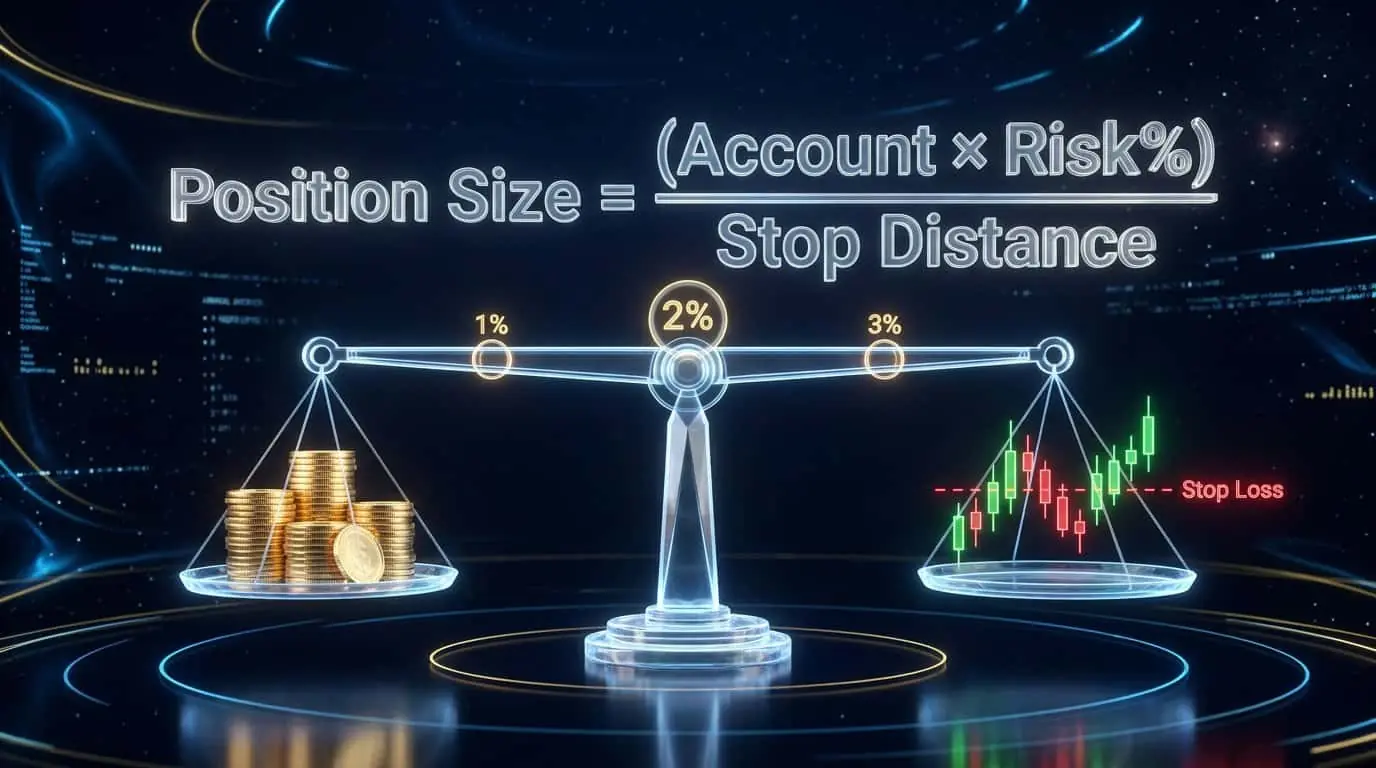
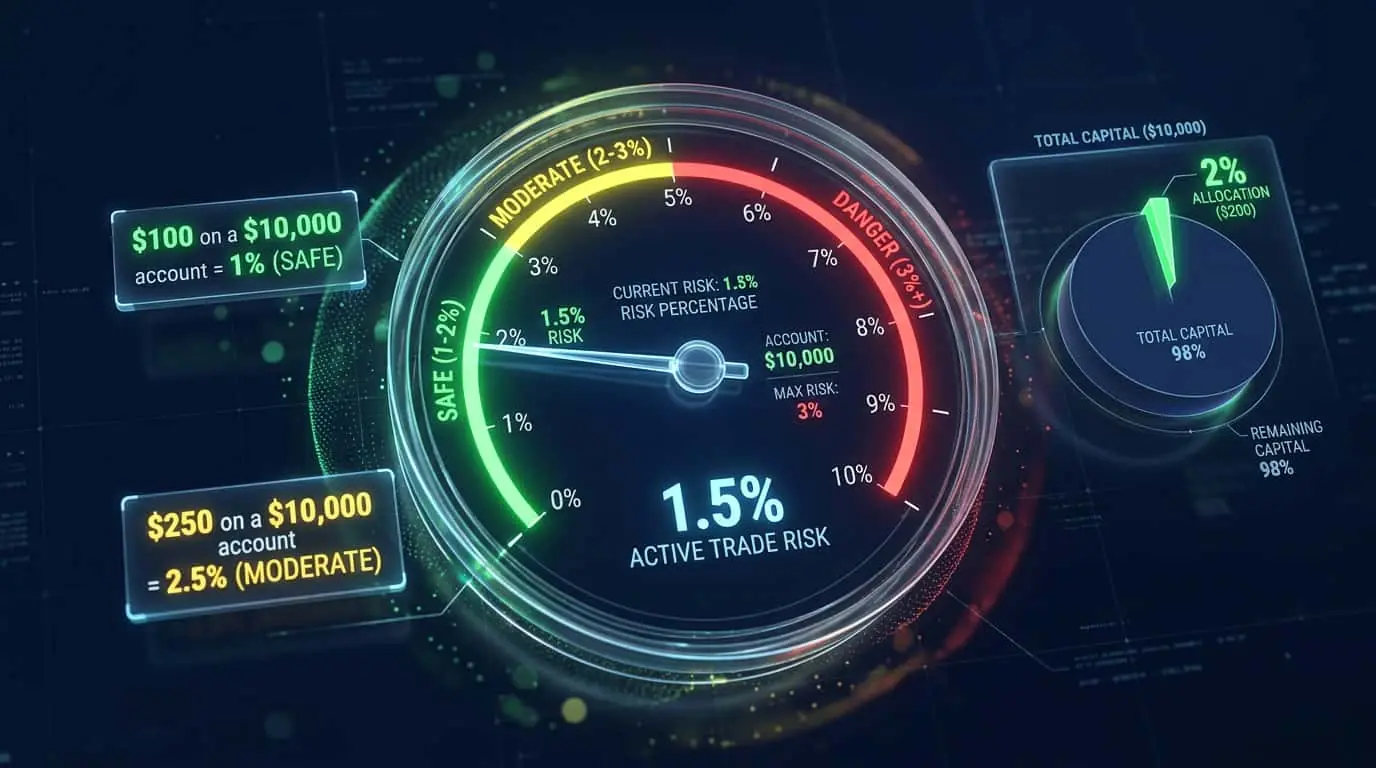
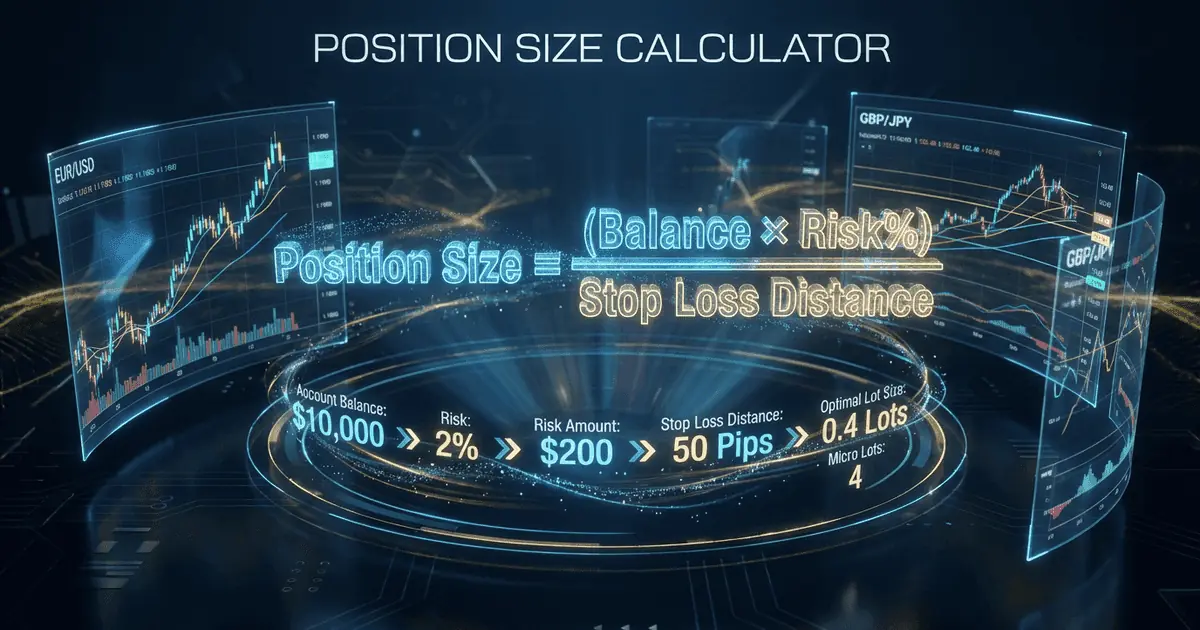
Preventing margin calls comes down to three fundamental practices. First, use proper position sizing: never risk more than 1-2% of your account on a single trade, and ensure your total position exposure does not use more than 20-30% of your available margin. Second, always use stop losses: a stop loss ensures that your loss is limited to a predefined amount, preventing the kind of runaway losses that lead to margin calls. Third, use conservative leverage: just because your broker offers 1:500 leverage does not mean you should use it. Professional forex traders rarely use effective leverage above 1:10, even if their broker allows 1:100 or more. Additionally, monitor your margin level regularly and be aware of events that can cause rapid price movements (economic data releases, central bank decisions, earnings reports). If you are holding positions through high-impact events, reduce your exposure or widen your free margin to absorb potential volatility.
Pro Tip
Calculate your margin level before entering any trade. If the trade would bring your margin level below 200%, the position is too large for your account. Reduce the size until your margin level remains comfortably above 200% even in the worst-case scenario.
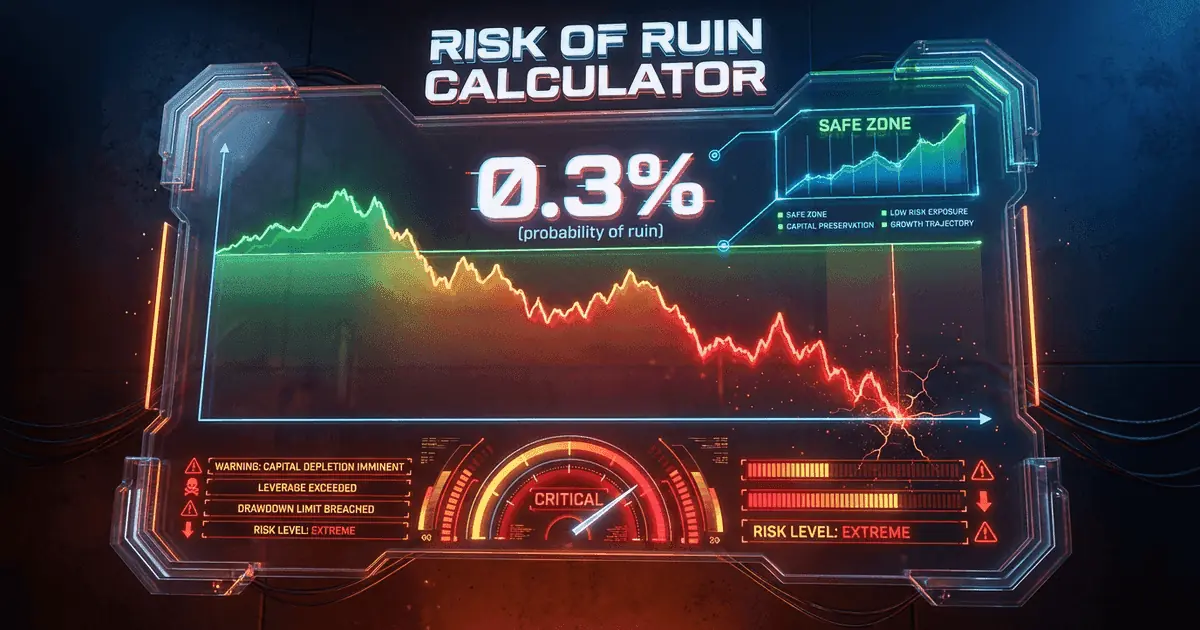
The most dangerous margin calls occur during black swan events — extreme, unexpected market moves that overwhelm normal risk controls. The Swiss National Bank's removal of the EUR/CHF floor on January 15, 2015 caused a 30% move in minutes, triggering margin calls across the entire retail forex industry. Multiple brokers became insolvent because client accounts went negative faster than positions could be liquidated. The 2020 oil futures crash, which sent WTI crude to negative $37.63 per barrel, similarly caught traders with insufficient margin. During these events, stop losses may not execute at the expected price due to gaps and illiquidity, and margin calls can result in account balances going negative. To protect against black swan events, traders should maintain margin levels well above the minimum (300%+ is prudent for overnight positions), avoid holding concentrated positions in a single instrument, and verify whether their broker offers negative balance protection. Some regulated brokers in the EU and Australia are required by law to offer negative balance protection, meaning clients cannot lose more than their deposit. In the US, futures traders do not have this protection and can owe their broker money if positions are liquidated at prices worse than their account balance covers.
Mistake
Depositing more funds to meet a margin call without closing losing positions
Correction
Adding funds to a losing position is throwing good money after bad. Close the losing positions, reassess your strategy, and only re-enter with proper position sizing.
Mistake
Using maximum leverage because the broker allows it
Correction
Available leverage is a ceiling, not a recommendation. Professional traders use far less leverage than the maximum. Keep effective leverage at 1:5 to 1:10 regardless of what your broker offers.