TL;DR
Maximum drawdown (MDD) is the largest peak-to-trough decline in account equity over a specific period. It represents the worst-case loss scenario a strategy has experienced or is likely to experience. MDD is the primary risk metric used by prop firms and institutional traders.
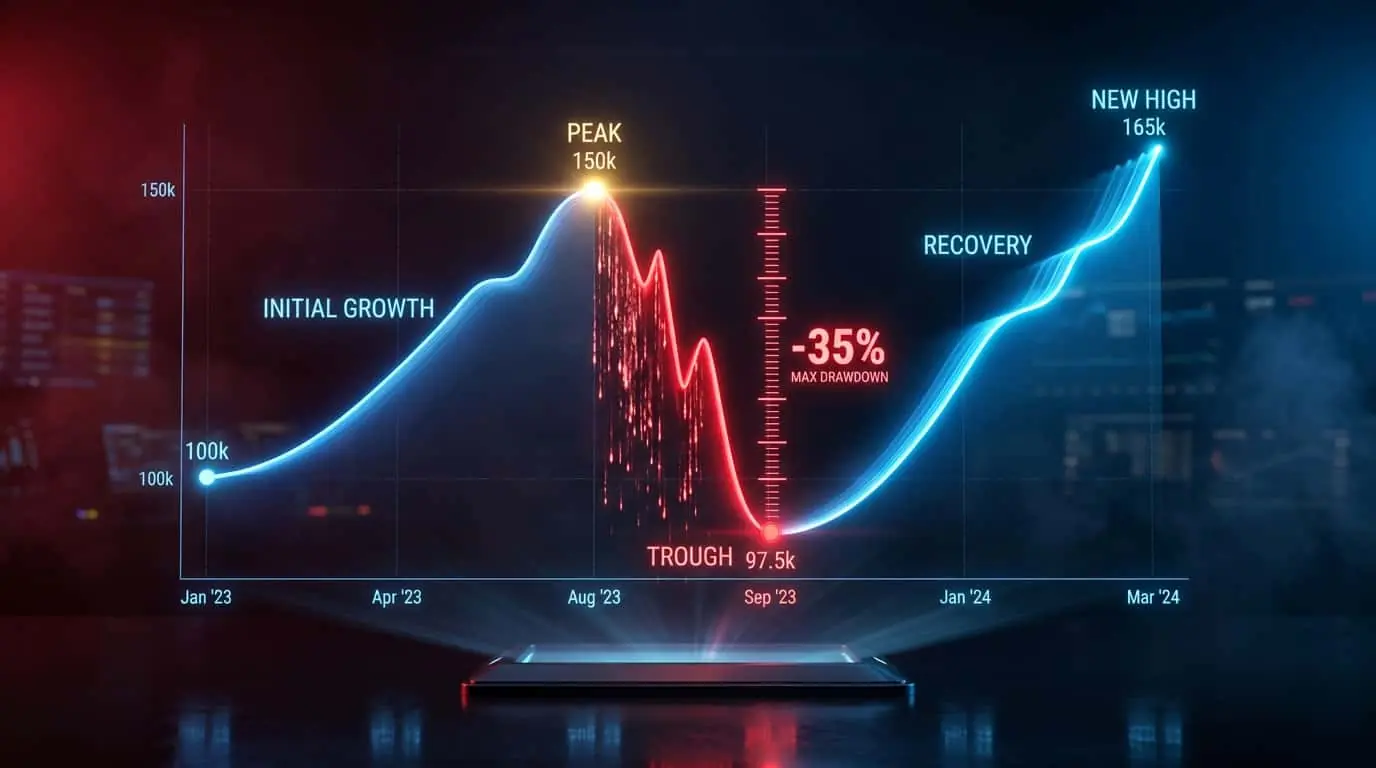
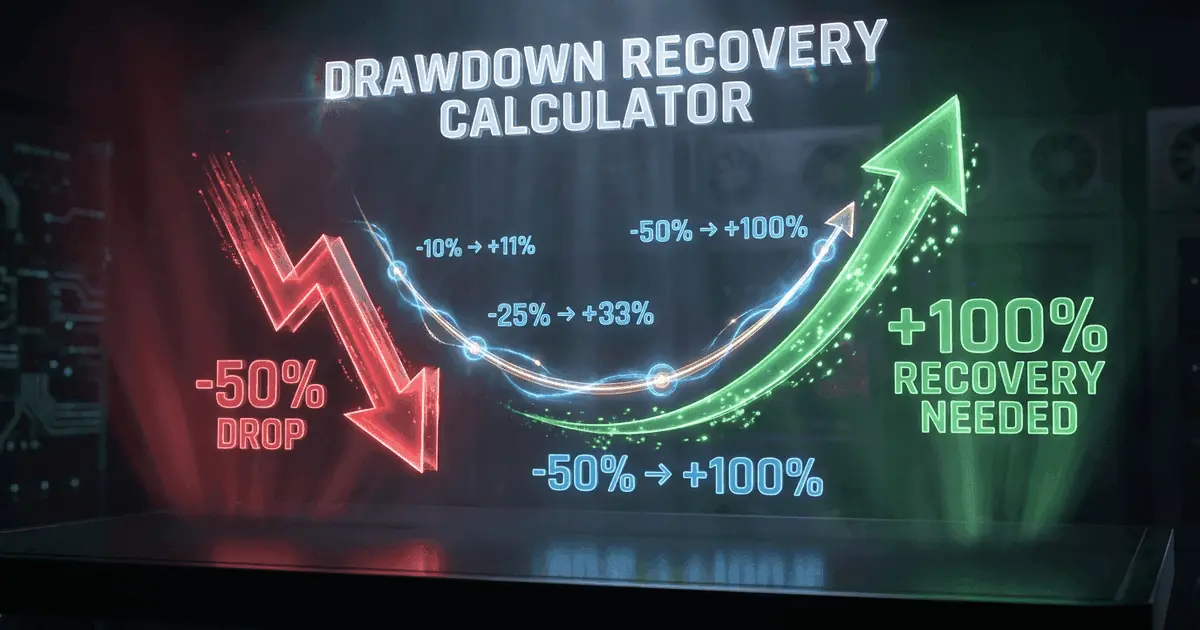
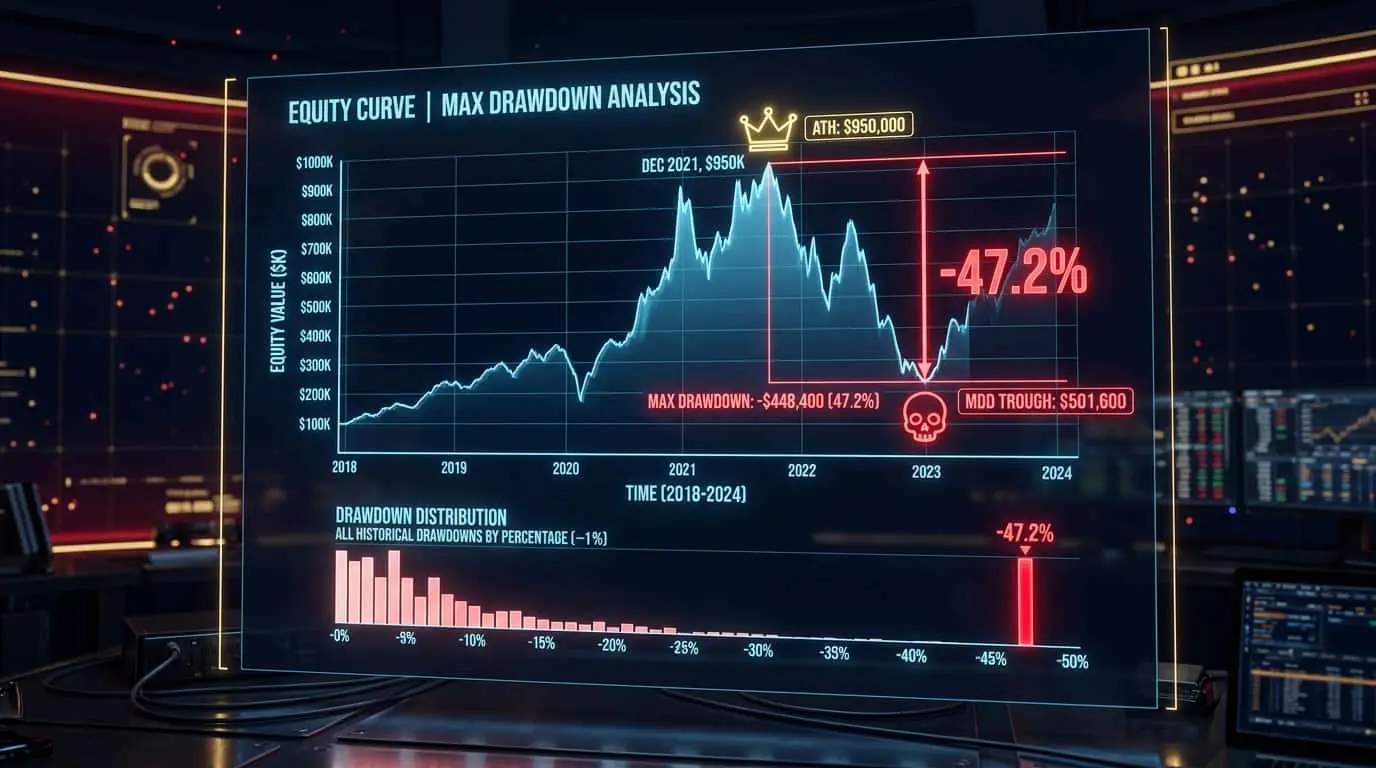
Maximum drawdown (MDD) is the largest peak-to-trough decline in the value of a trading account or portfolio, measured as a percentage from the highest equity point to the lowest point before a new equity high is established. It represents the worst-case loss scenario that has occurred (historical MDD) or could occur (projected MDD) for a given strategy. MDD is widely considered the single most important risk metric in trading because it captures the worst pain a trader will endure. While average drawdown tells you what to expect on a typical day, maximum drawdown tells you the worst-case scenario you must be prepared to survive. Prop firms, hedge funds, and institutional investors use MDD as their primary criterion for evaluating and comparing strategies because two strategies with identical returns can have dramatically different risk profiles based on their maximum drawdowns.
Calculating MDD requires tracking the equity curve over time and identifying the largest decline from any peak to the subsequent trough. For each point in time, you compare the current equity to the highest equity achieved up to that point. The drawdown at any point is the percentage decline from the running maximum. The maximum drawdown is simply the largest of all these drawdown values. In practice, you maintain a running high-water mark (the highest equity level seen so far) and calculate the drawdown at each point as the percentage difference between the current equity and the high-water mark. The MDD is the largest drawdown value observed over the entire period. Many trading platforms (including NinjaTrader's Strategy Analyzer) calculate MDD automatically as part of the strategy performance report.
MDD = max[(Peak_i - Trough_i) / Peak_i] for all peak-trough pairsPeak_i — Each local equity high (high-water mark) over the period
Trough_i — The lowest equity point following each peak before a new high is made
Maximum drawdown is used in several key ratios that evaluate strategy quality. The Calmar ratio divides annualized return by maximum drawdown: a Calmar ratio of 2.0 means the strategy earns 2% for every 1% of maximum drawdown risk. The Sterling ratio uses the average of the worst drawdowns rather than just the single worst. The return/MDD ratio (also called the MAR ratio) is perhaps the simplest and most widely used: it is the total return divided by the maximum drawdown. A strategy that returns 50% with a 10% MDD has a return/MDD of 5.0, which is exceptional. The same 50% return with a 40% MDD has a return/MDD of 1.25, which is mediocre. These ratios allow direct comparison between strategies with different return levels and risk profiles.
| Metric | Formula | Good Value | Excellent Value |
|---|---|---|---|
| Calmar Ratio | Annual Return / MDD | > 1.0 | > 3.0 |
| MAR Ratio | Total Return / MDD | > 2.0 | > 5.0 |
| Sterling Ratio | Annual Return / Avg(Worst Drawdowns) - 10% | > 0.5 | > 1.0 |
| Ulcer Index | RMS of drawdowns over period | < 10 | < 5 |
Pro Tip
When comparing strategies, always look at return relative to MDD rather than return alone. A strategy making 30% with a 5% MDD is far superior to one making 60% with a 40% MDD.
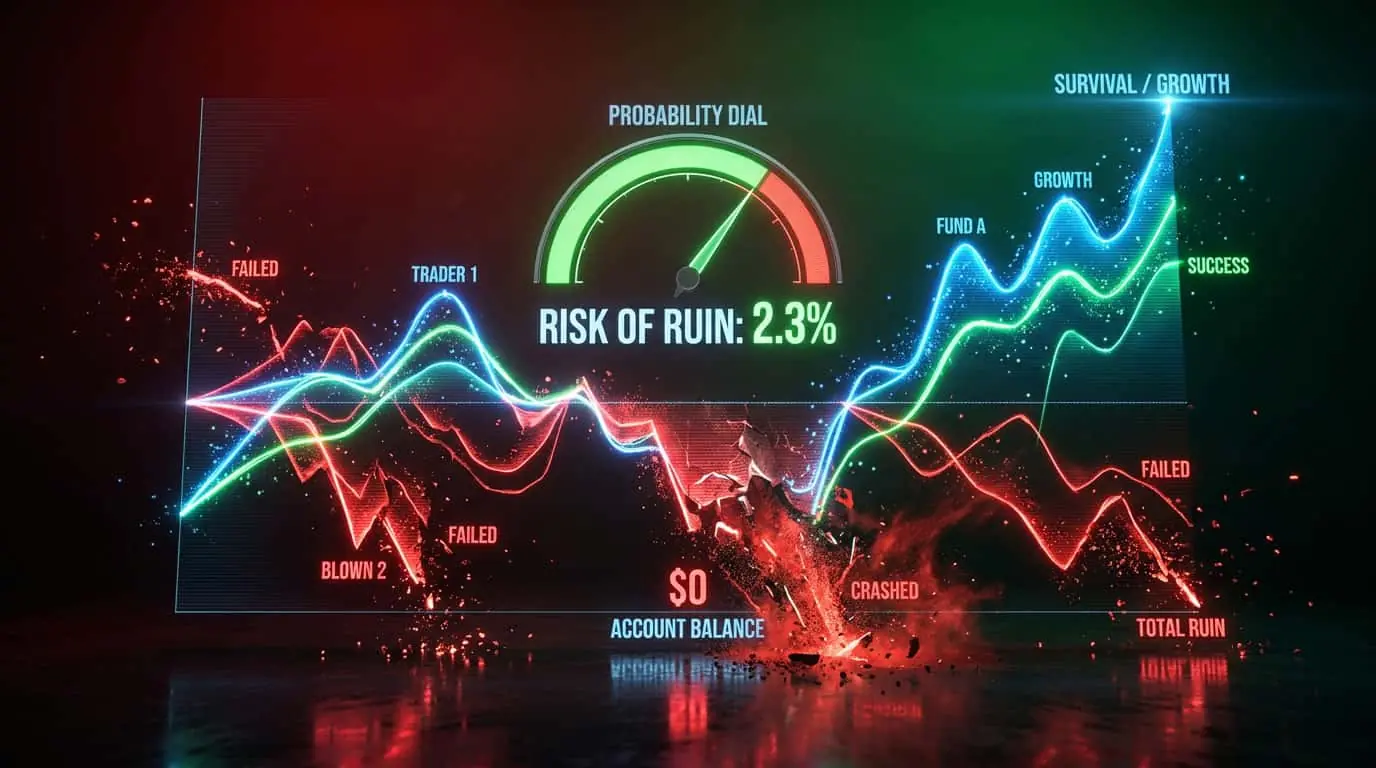
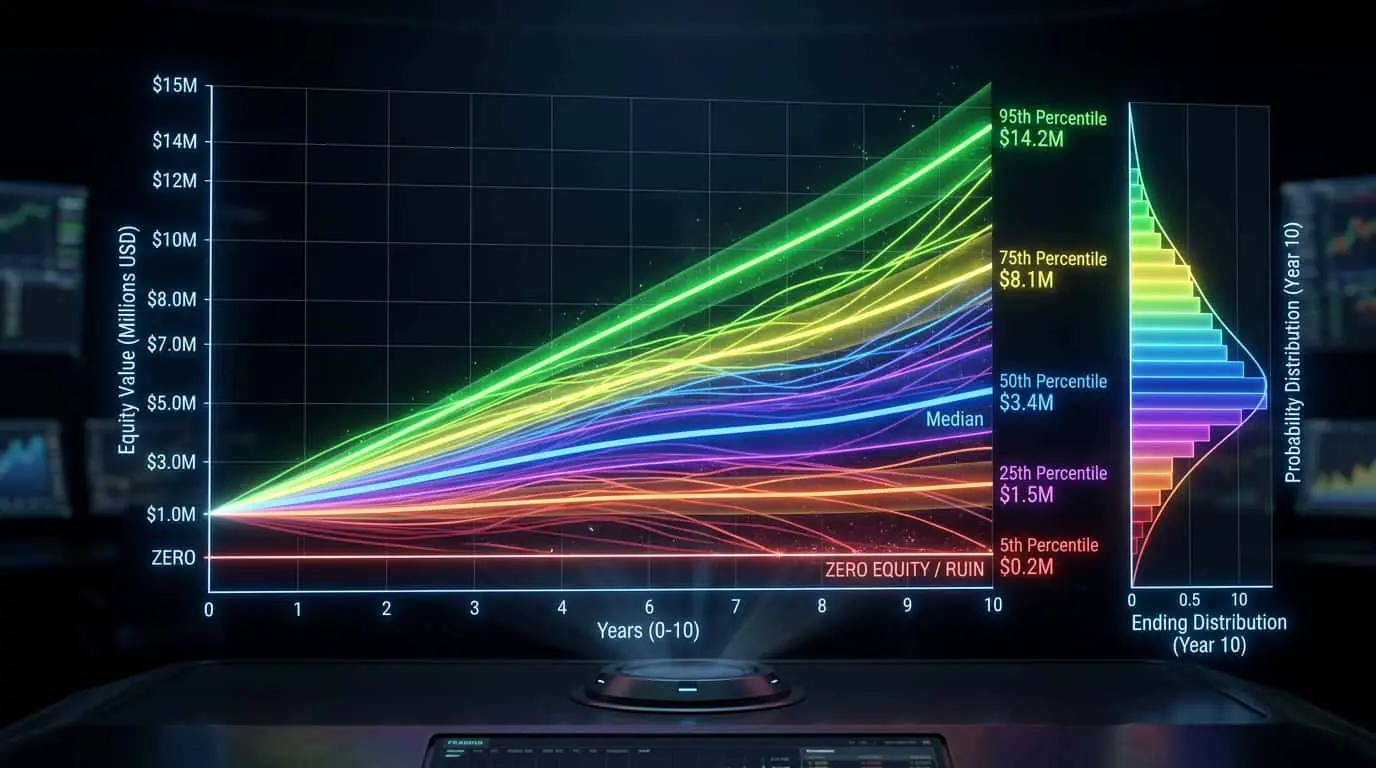
A critical distinction exists between historical MDD (what has happened) and expected MDD (what could happen). Historical MDD is simply a fact from your backtest or live trading record. Expected MDD is a projection, usually derived from Monte Carlo simulation, that estimates the range of possible maximum drawdowns based on your strategy's characteristics. Historical MDD almost always underestimates future MDD because your backtest or track record represents only one possible path through the trade sequence. Monte Carlo simulation shuffles your trades thousands of times to reveal the full distribution of possible outcomes. At the 95th percentile, the expected MDD is typically 1.5 to 2.5 times the historical MDD. This means if your backtest shows a 15% MDD, you should prepare for a real-world MDD of 22-37%. Sizing your account and risk based on the historical MDD alone is dangerous because you are almost certainly underestimating the worst case.
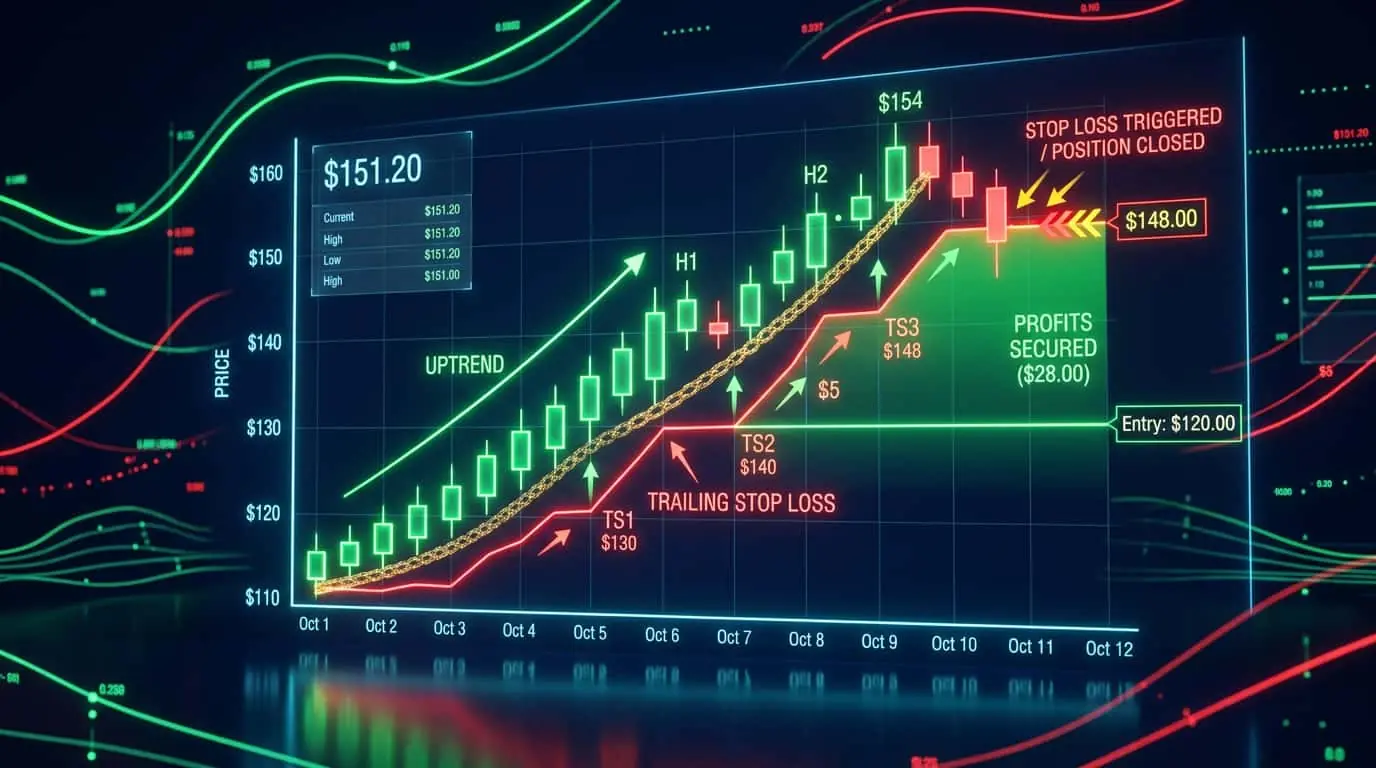
Prop firms use maximum drawdown as their primary risk control because it is the most straightforward measure of how much capital a trader can lose. Most prop firm evaluations impose strict MDD limits, typically 5-10% of the account value. Violating this limit results in immediate account termination. Prop firm MDD rules come in two forms: static and trailing. Static MDD sets the floor at the starting balance minus the allowed drawdown (e.g., $50,000 start - $3,000 MDD = $47,000 floor that never changes). Trailing MDD sets the floor relative to the highest equity achieved (e.g., if the account reaches $52,000, the floor moves to $49,000). Trailing MDD is more restrictive because profits do not create permanent cushion. Understanding these mechanics is essential for any trader pursuing prop firm funding.
| Prop Firm Rule | Starting Balance | MDD Limit | Floor Level |
|---|---|---|---|
| Static $3K MDD | $50,000 | $3,000 | Always $47,000 |
| Trailing $2.5K MDD | $50,000 (peak $53,000) | $2,500 | Moves to $50,500 |
| Static 6% MDD | $100,000 | $6,000 | Always $94,000 |
| Trailing 5% MDD | $100,000 (peak $108,000) | $5,400 | Moves to $102,600 |
Pro Tip
When trading a prop firm account with trailing MDD, plan your exit strategy before entering each trade. Calculate the worst-case impact on your trailing floor and ensure you can survive the trade even if it hits your stop loss.
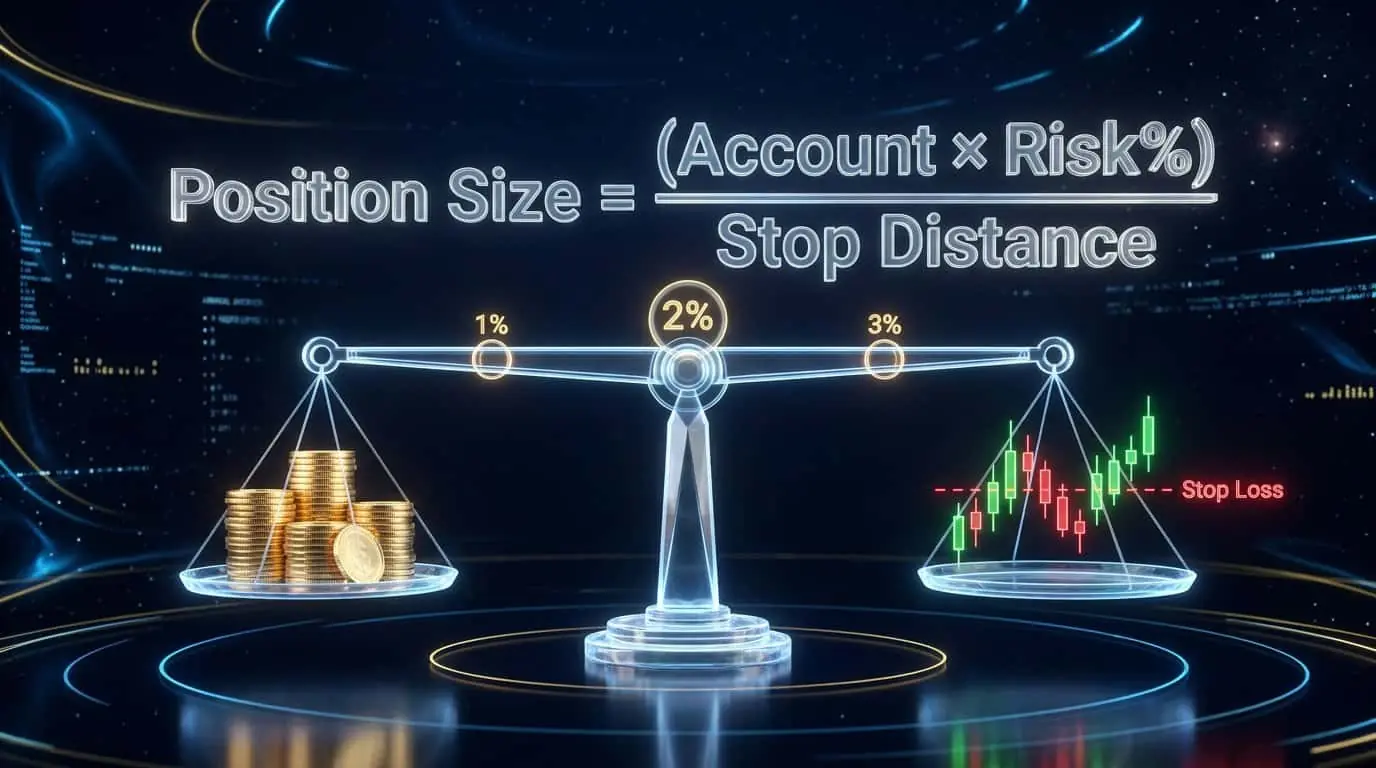
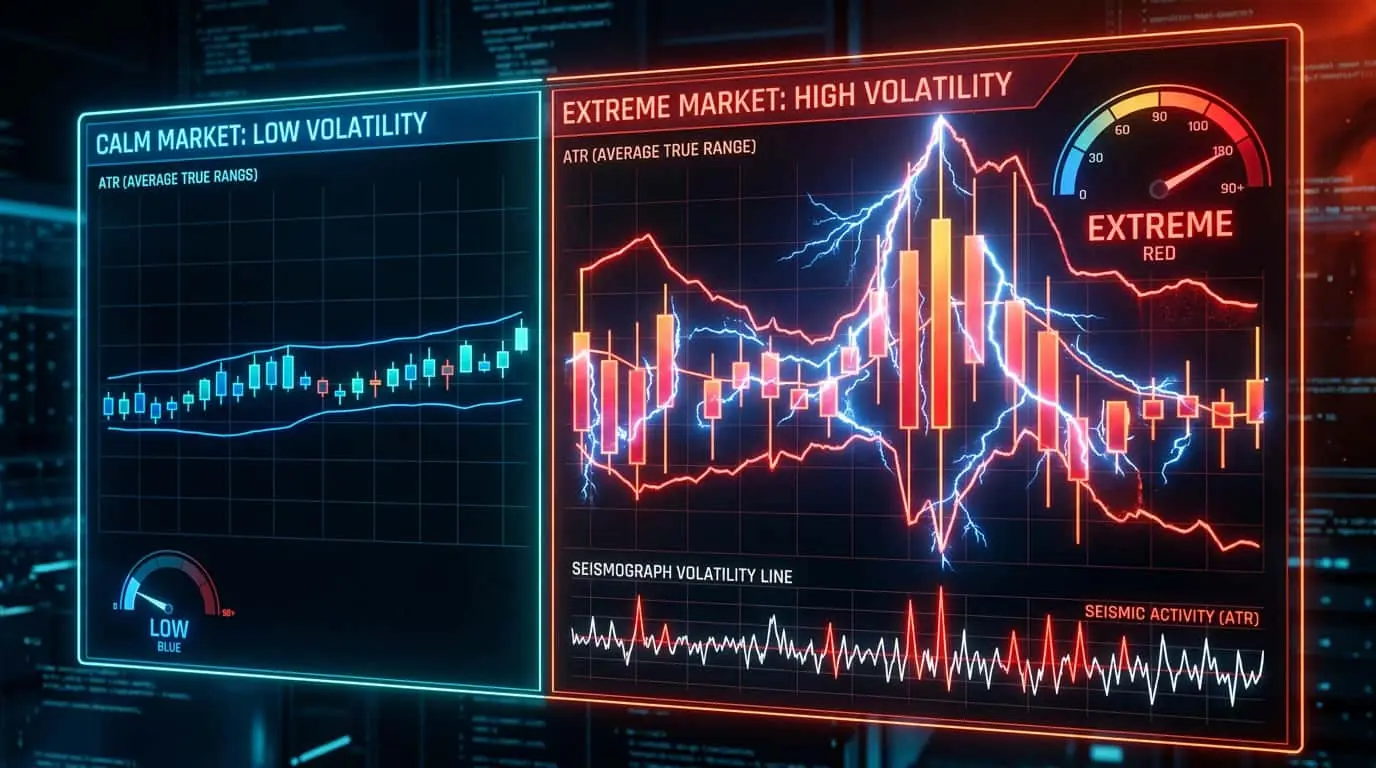
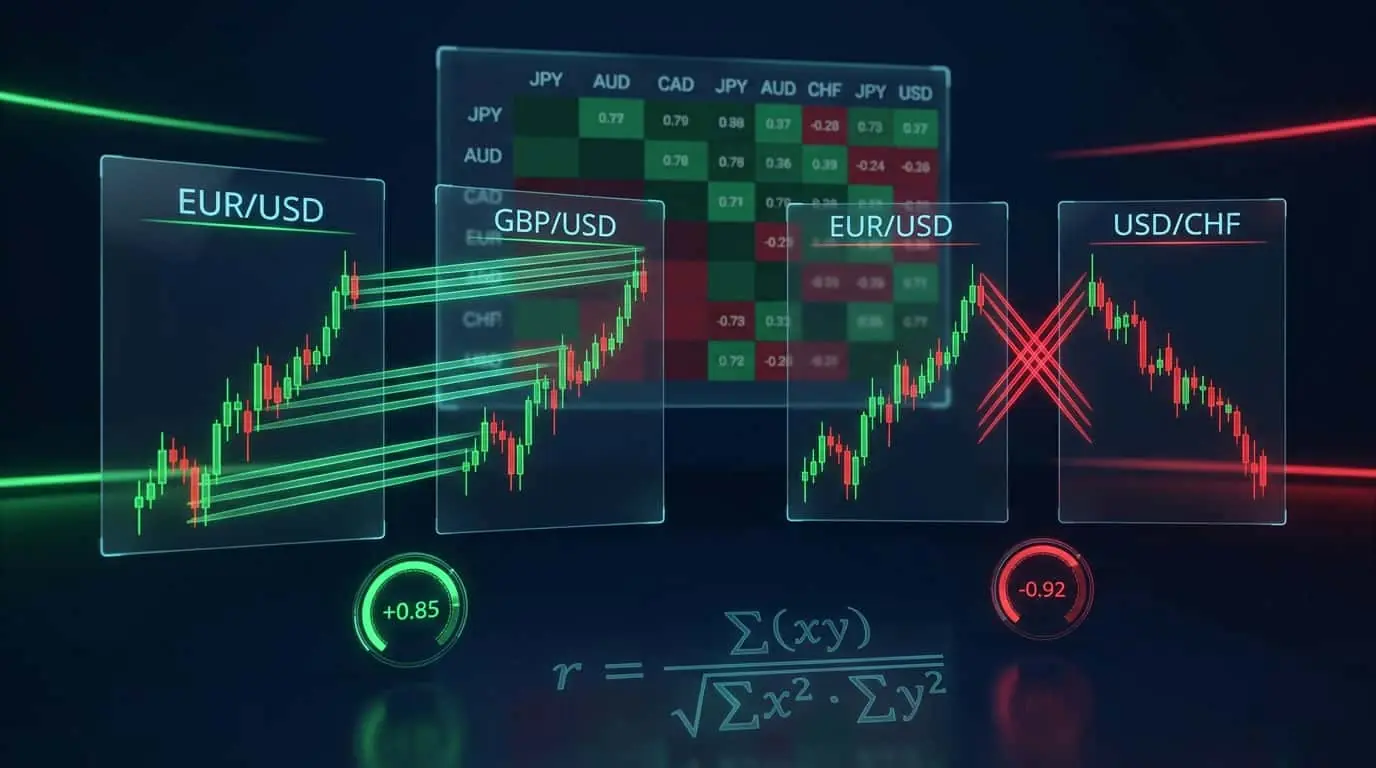
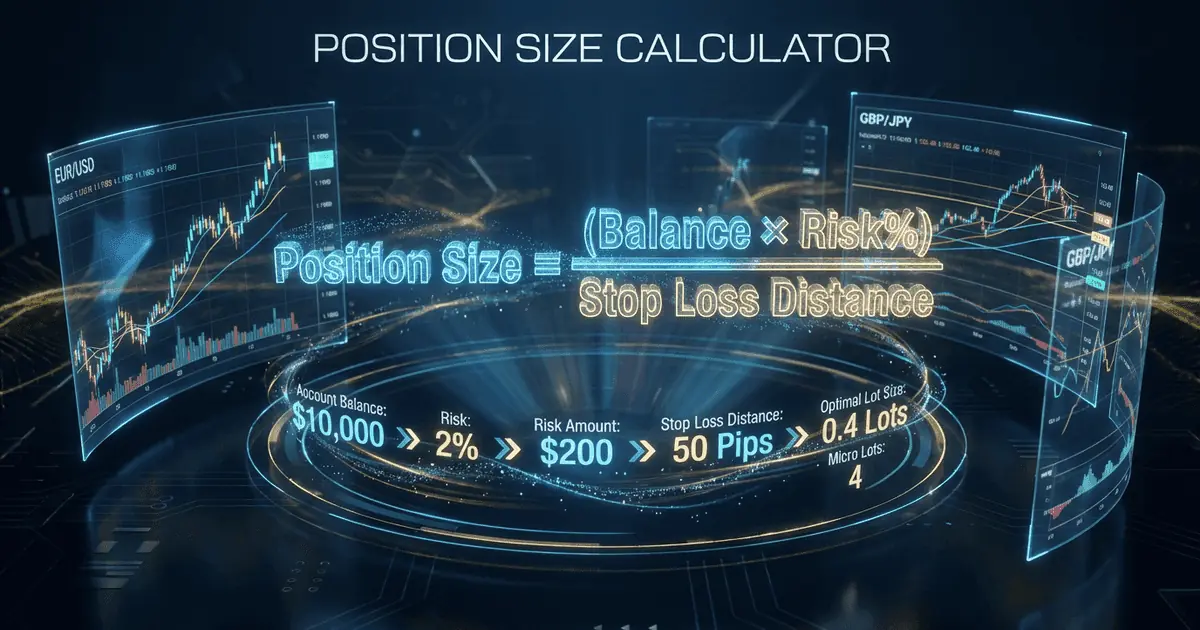
The most effective way to reduce MDD is proper position sizing. Risking 1% per trade limits MDD to approximately 10-15% over most strategy lifetimes, while 2% risk keeps MDD typically under 20-25%. Beyond position sizing, several techniques can reduce MDD. Equity curve filtering pauses the strategy when the equity curve falls below its moving average, avoiding trades during drawdown periods. Correlation-based diversification combines uncorrelated strategies so that drawdowns in one are offset by performance in another. Volatility scaling reduces position size when market volatility increases (using VIX, ATR, or similar measures), which prevents outsized losses during volatile periods. Drawdown-based scaling reduces position size proportionally to the current drawdown depth (e.g., halve position size after a 10% drawdown), which slows down account deterioration during losing streaks.
Mistake
Assuming the backtest maximum drawdown is the worst you will experience
Correction
Backtesting shows one path. Use Monte Carlo simulation to estimate the range of possible MDDs. Plan for the 95th percentile scenario, which is typically 1.5-2.5x the backtest MDD.
Mistake
Evaluating strategy returns without considering MDD
Correction
A 100% return with a 60% MDD is worse than a 40% return with a 10% MDD. Always calculate the return/MDD ratio to compare strategies on a risk-adjusted basis.