TL;DR
Revenge trading is the impulsive behavior of placing trades to recover losses quickly, typically after a losing trade or a series of losses. It involves abandoning your trading plan, increasing position sizes, and making emotionally-driven decisions that almost always result in even larger losses.
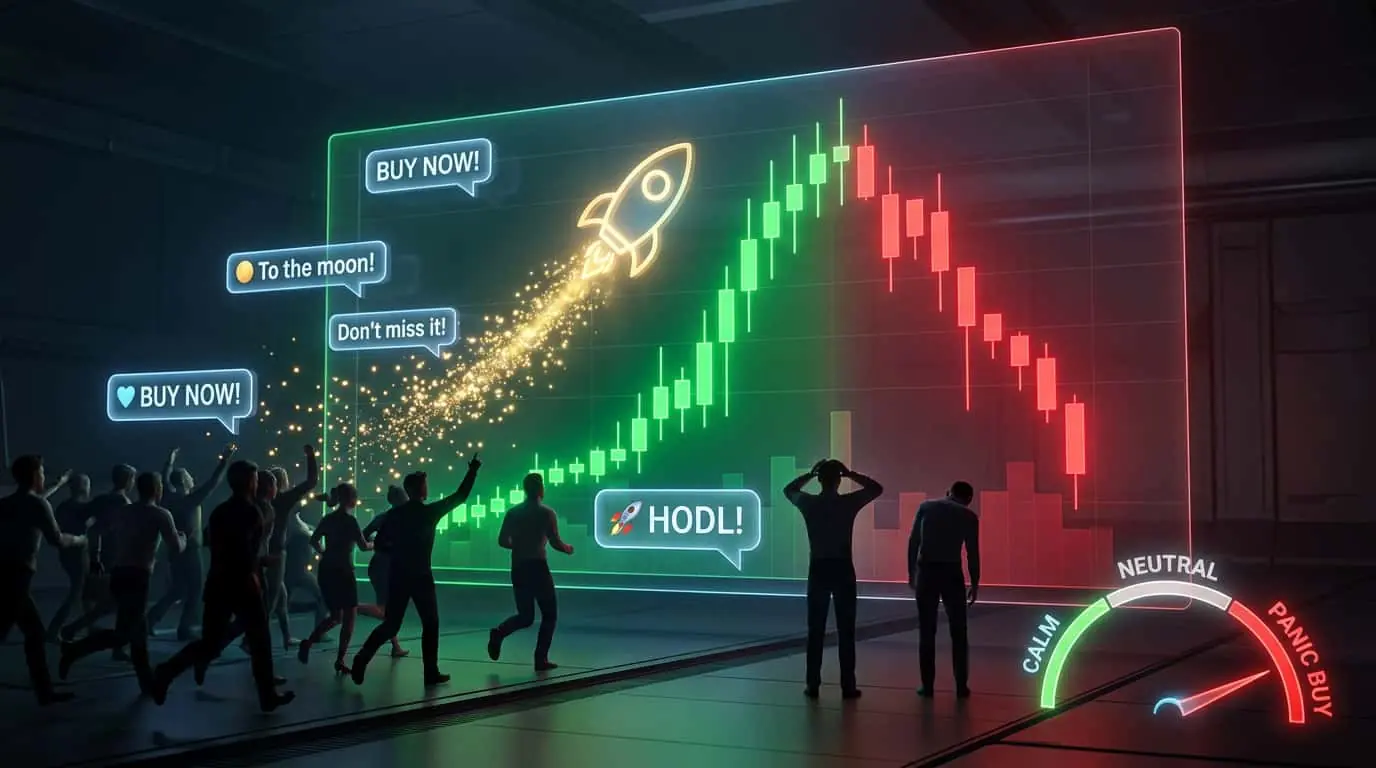
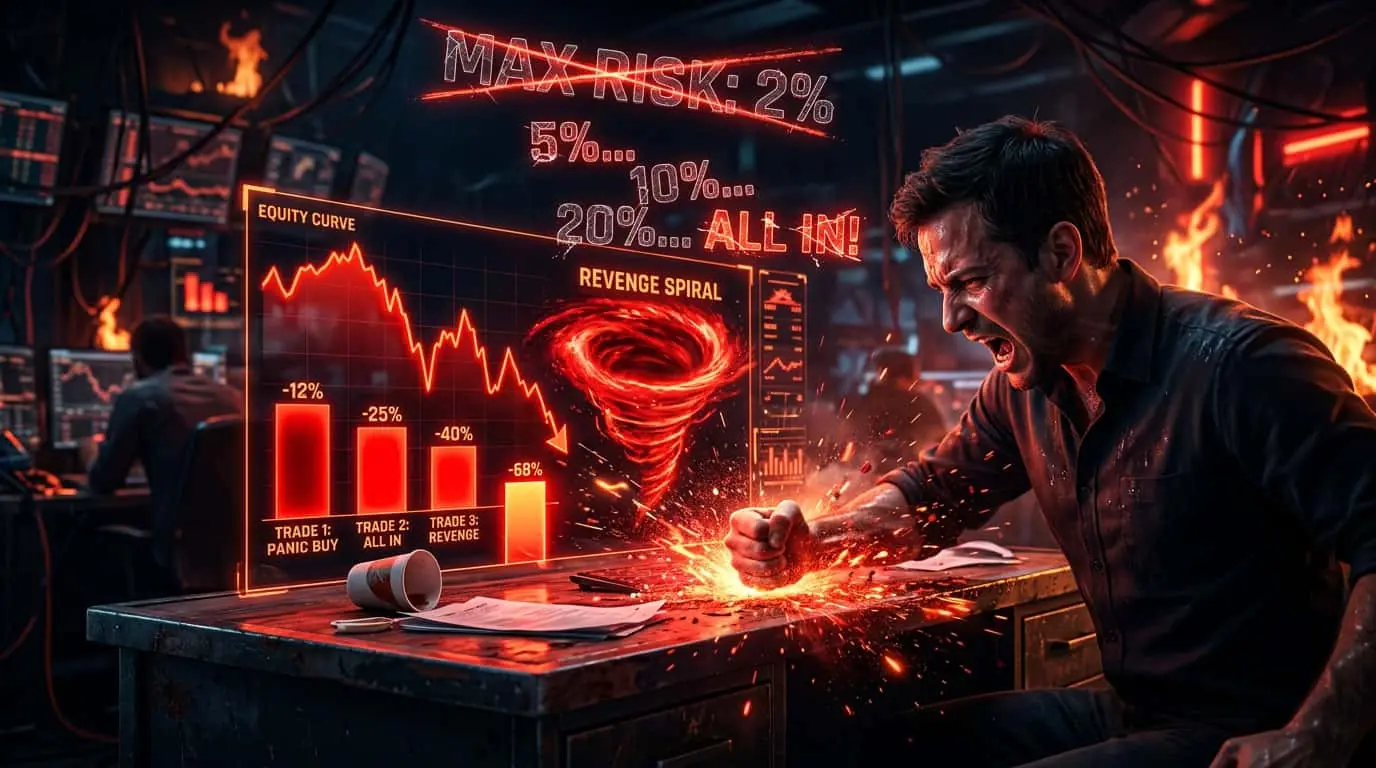
Revenge trading occurs when a trader, after experiencing a loss or a series of losses, abandons their trading plan and begins taking impulsive trades in an attempt to recover the lost money immediately. The term 'revenge' refers to the emotional motivation behind the behavior: the trader feels wronged by the market and attempts to 'get back' what was taken from them. This is fundamentally irrational because the market is an impersonal mechanism that does not owe anyone anything, but in the heat of the moment, the emotional brain does not process this logic. Revenge trading typically manifests as a rapid escalation pattern. A trader takes a normal loss according to their plan. Instead of accepting the loss and moving on to the next setup, they immediately re-enter the market -- often in the same instrument, sometimes doubling their position size. If that trade also loses, the cycle accelerates: larger sizes, looser stops or no stops at all, trades taken on instruments they do not normally trade, and entries based on nothing more than a desperate hope that the next trade will make them whole. The financial damage is often disproportionate to the initial loss. A trader might take a planned $200 loss on a valid setup, then lose $2,000 in the subsequent revenge-trading spiral. Studies of retail trading accounts consistently show that the largest single-day losses come not from bad strategies but from emotional spirals triggered by initial small losses.
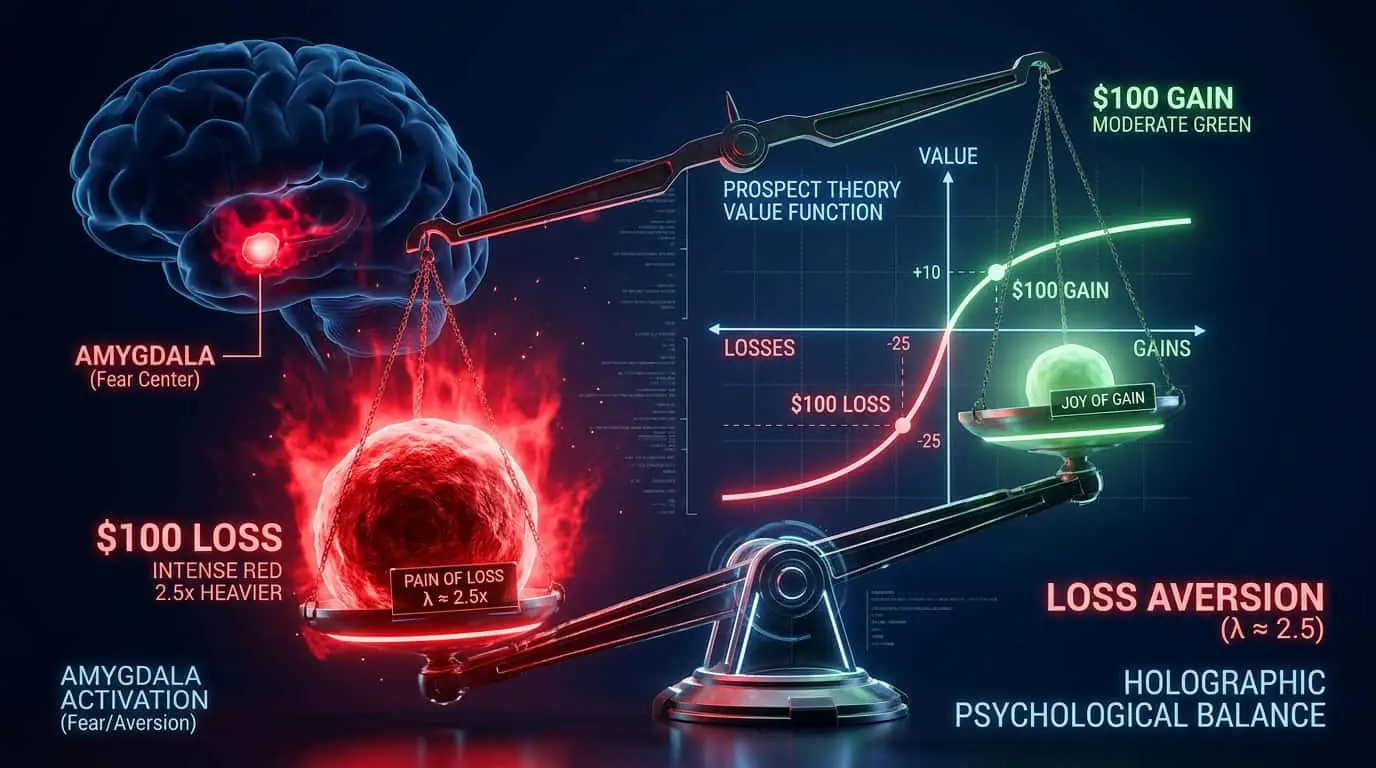
Revenge trading is driven by several well-documented cognitive biases and emotional responses. Understanding these mechanisms is the first step toward preventing them. Loss aversion, identified by Kahneman and Tversky in their prospect theory research, shows that humans experience the pain of losing roughly twice as intensely as the pleasure of gaining. A $500 loss creates a psychological 'hole' that feels like it requires a $500 gain to fill, creating an urgent drive to recover immediately rather than accepting the loss and moving on. The sunk cost fallacy compounds this effect. Once money is lost, it is gone -- it is a sunk cost that should have zero influence on future decisions. But emotionally, traders feel that they have 'invested' in that trade or that trading session, and quitting while down feels like wasting that investment. This leads to the dangerous mindset of 'I just need one more trade to get back to breakeven.' Ego protection is another powerful driver. For many traders, their identity is intertwined with their trading performance. A losing trade is not just a financial loss -- it threatens their self-image as a skilled trader. Revenge trading is an attempt to restore that self-image by quickly erasing the evidence of failure. The irony is that it almost always produces more evidence of failure.
Pro Tip
After any losing trade, implement a mandatory 10-minute 'cooling off' period. Stand up, leave your desk, drink water, and breathe deeply. This gives your prefrontal cortex time to re-engage and your cortisol levels time to decrease.
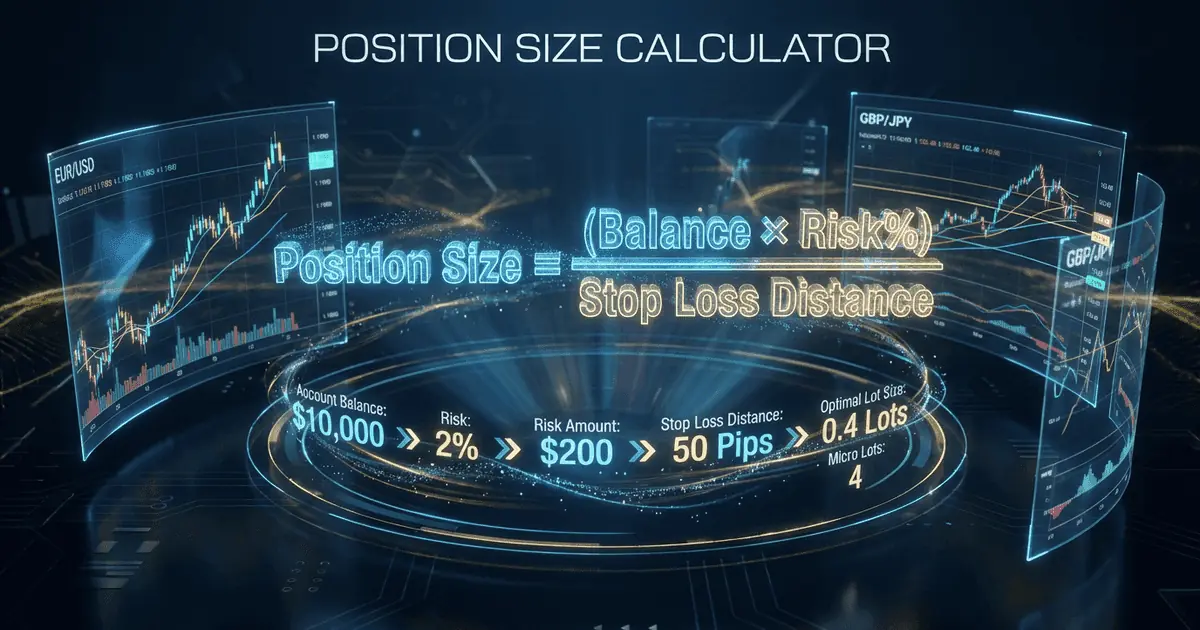
Recognizing revenge trading while it is happening is difficult because the emotional brain convinces you that each trade is rational. However, there are reliable warning signs that indicate you have crossed from disciplined trading into revenge territory. The most obvious sign is trade frequency acceleration. If your plan calls for 3-5 trades per day and you have taken 8 trades before lunch, you are likely revenge trading. Similarly, if you are entering trades within seconds of closing the previous one, without waiting for a proper setup, the motivation is emotional rather than analytical. Position size escalation is another red flag. Increasing your normal size to 'make back' what you lost violates fundamental risk management principles. If your normal risk is $300 per trade and you suddenly find yourself risking $600 or $1,000 on a 'high conviction' trade right after a loss, that conviction is coming from your emotional brain, not from genuine analysis. Other warning signs include: abandoning your normal instruments to trade something 'moving right now,' removing or widening stop losses because you 'need room,' trading outside your planned session hours, physical symptoms like elevated heart rate or clenched jaw, and an internal narrative that sounds like 'I just need one good trade' or 'the market owes me.'
| Warning Sign | What It Looks Like | What It Means |
|---|---|---|
| Rapid-fire entries | Multiple trades in minutes without setups | Emotional urgency overriding analysis |
| Position size increase | Doubling or tripling normal size | Attempting to recover losses faster |
| Stop loss removal | Widening or deleting planned stops | Refusing to accept another loss |
| Instrument switching | Jumping to unfamiliar markets | Chasing any opportunity for recovery |
| Extended session hours | Trading beyond normal planned hours | Refusing to end the day at a loss |
| Physical symptoms | Racing heart, clenched jaw, shallow breathing | Fight-or-flight response activated |
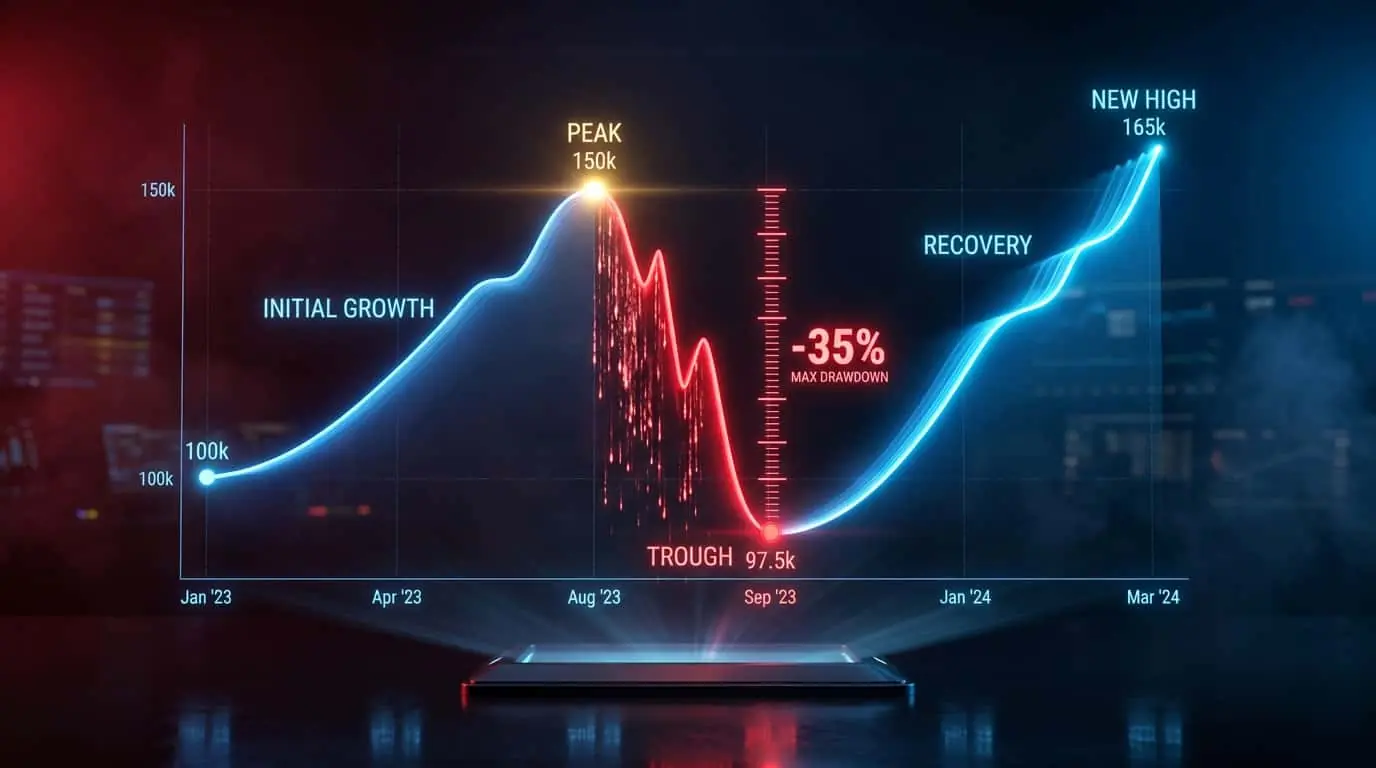
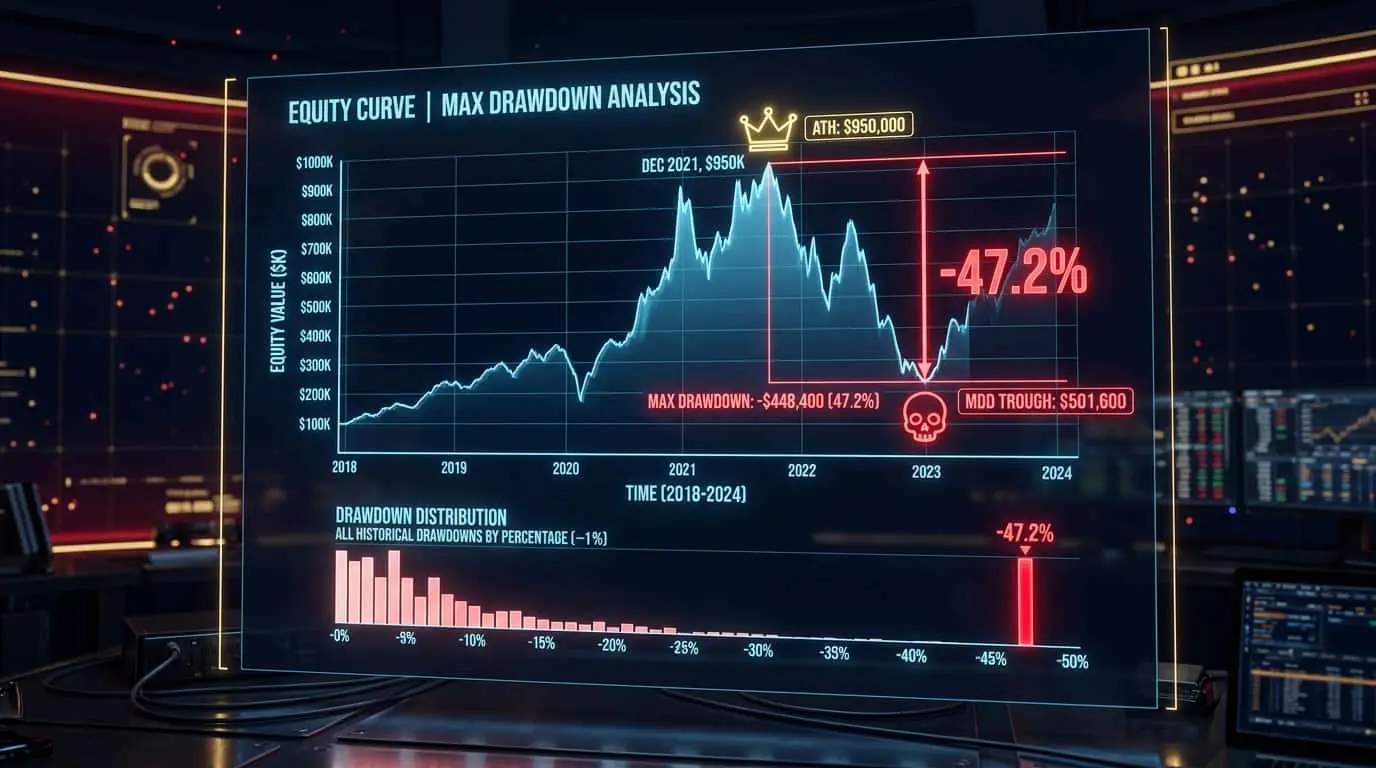
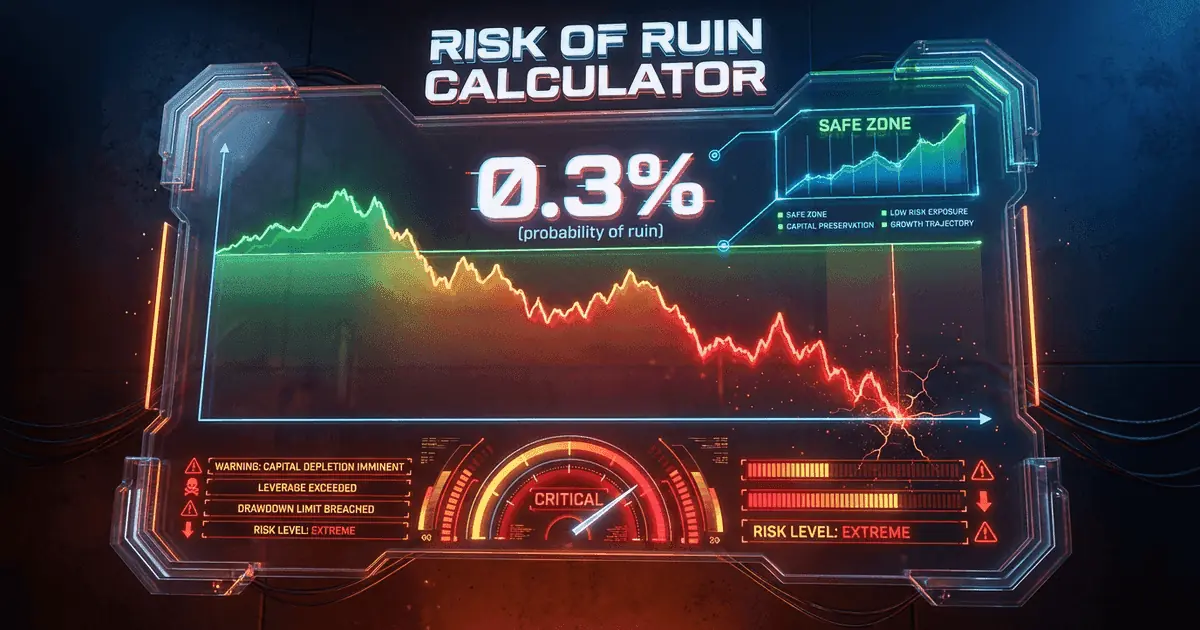
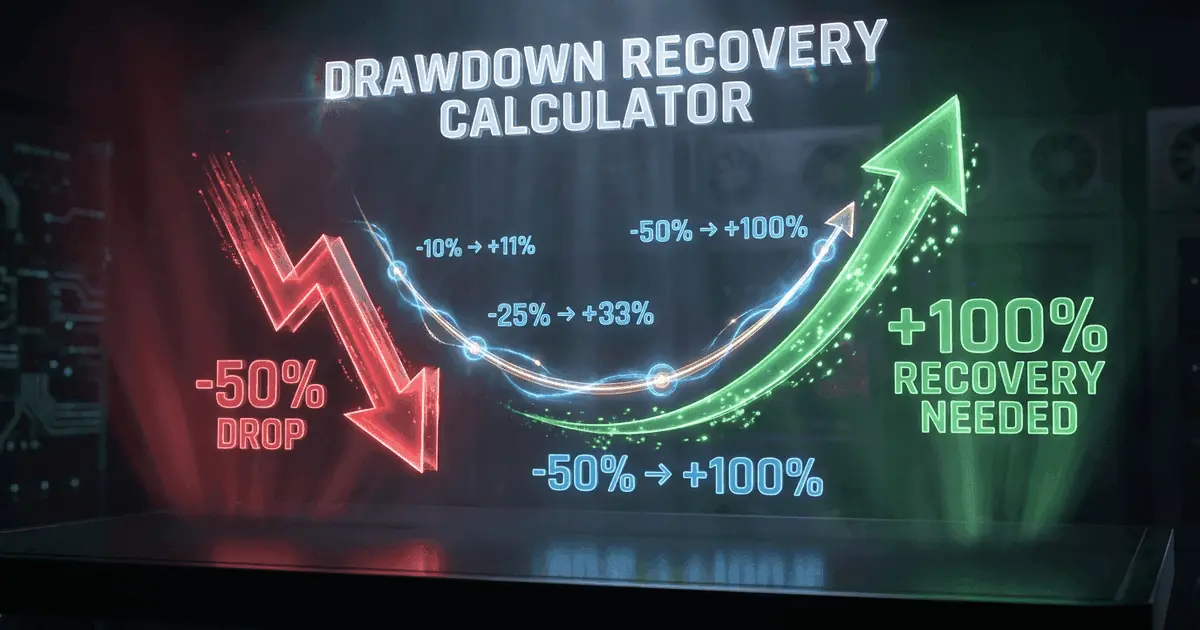
The mathematical damage of revenge trading extends far beyond the losses incurred during the spiral itself. To understand why, consider the asymmetric nature of drawdown recovery. After a 10% account loss, you need an 11.1% gain to return to breakeven. After a 20% loss, you need 25%. After a 50% loss, you need 100%. This means that a revenge-trading spiral that causes a 30% drawdown in a single day requires a 42.9% return just to get back to where you started that morning. Assume a trader has a $50,000 account and takes a planned loss of $500 (1% risk). They then revenge trade, taking four more trades at increasing sizes, losing $500, $800, $1,200, and $1,500. The total daily loss is $4,500 (9% of account) from what started as a normal $500 setback. To recover $4,500 at their normal 1% risk per trade ($500 target), they need 9 winning trades in a row at full target, which has roughly a 0.3% probability even with a 60% win rate. More realistically, recovery will take 3-6 weeks of disciplined trading -- weeks that would have been spent growing the account rather than digging out of a self-inflicted hole. Across a trading career, the cumulative cost is staggering. If a trader revenge trades just once per month with an average extra loss of $2,000, that is $24,000 per year in unnecessary drawdowns -- money that should have been compounding in the account.
Recovery % = (Loss / (1 - Loss)) x 100Loss — The percentage drawdown expressed as a decimal (e.g., 0.20 for 20%)
Recovery % — The percentage gain needed to return to the pre-loss balance
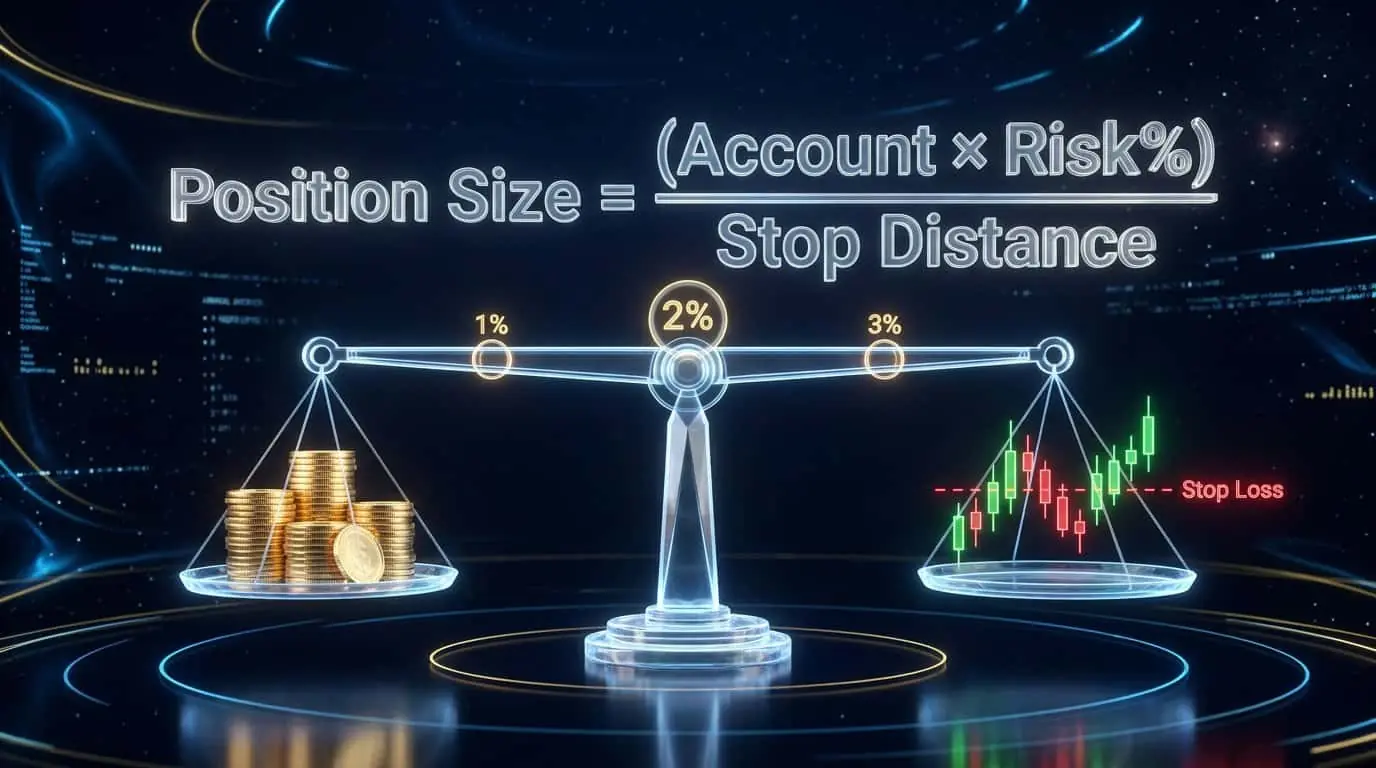
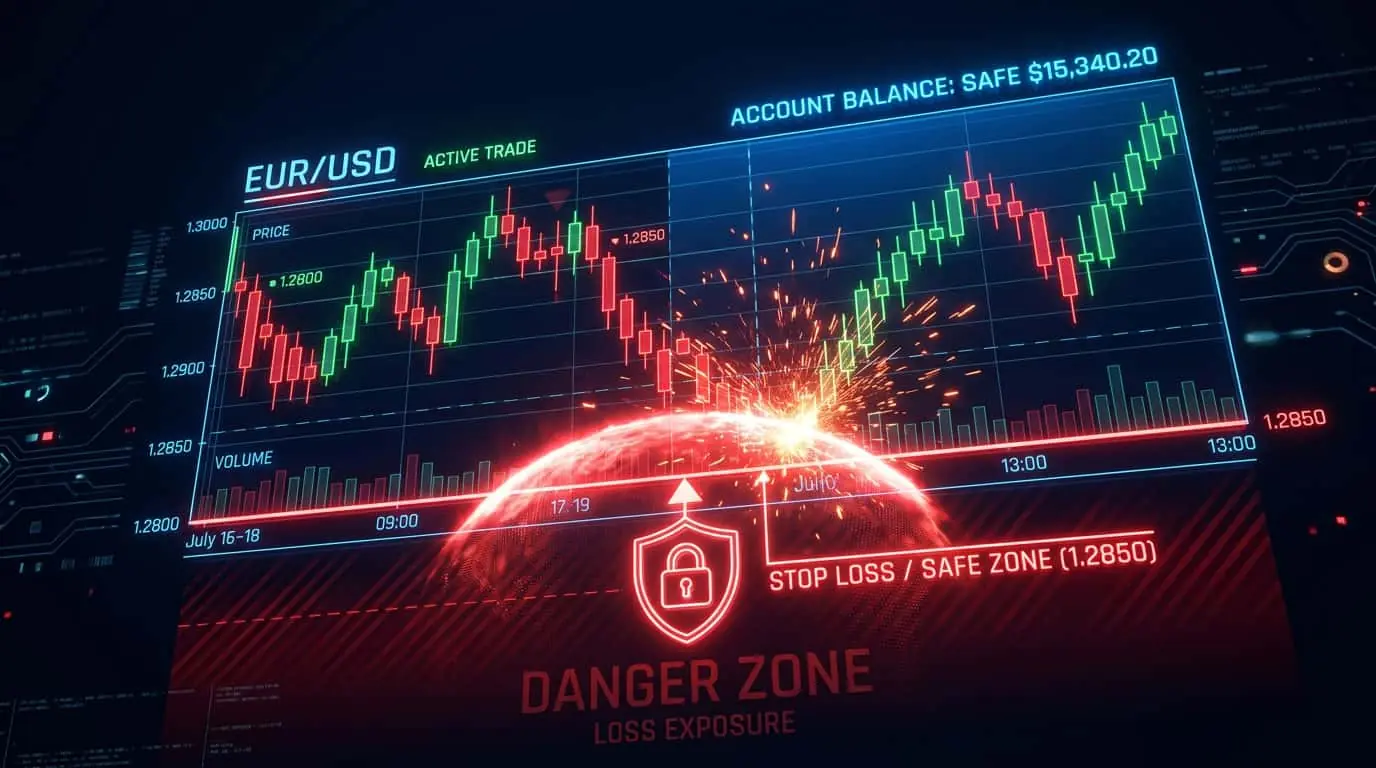
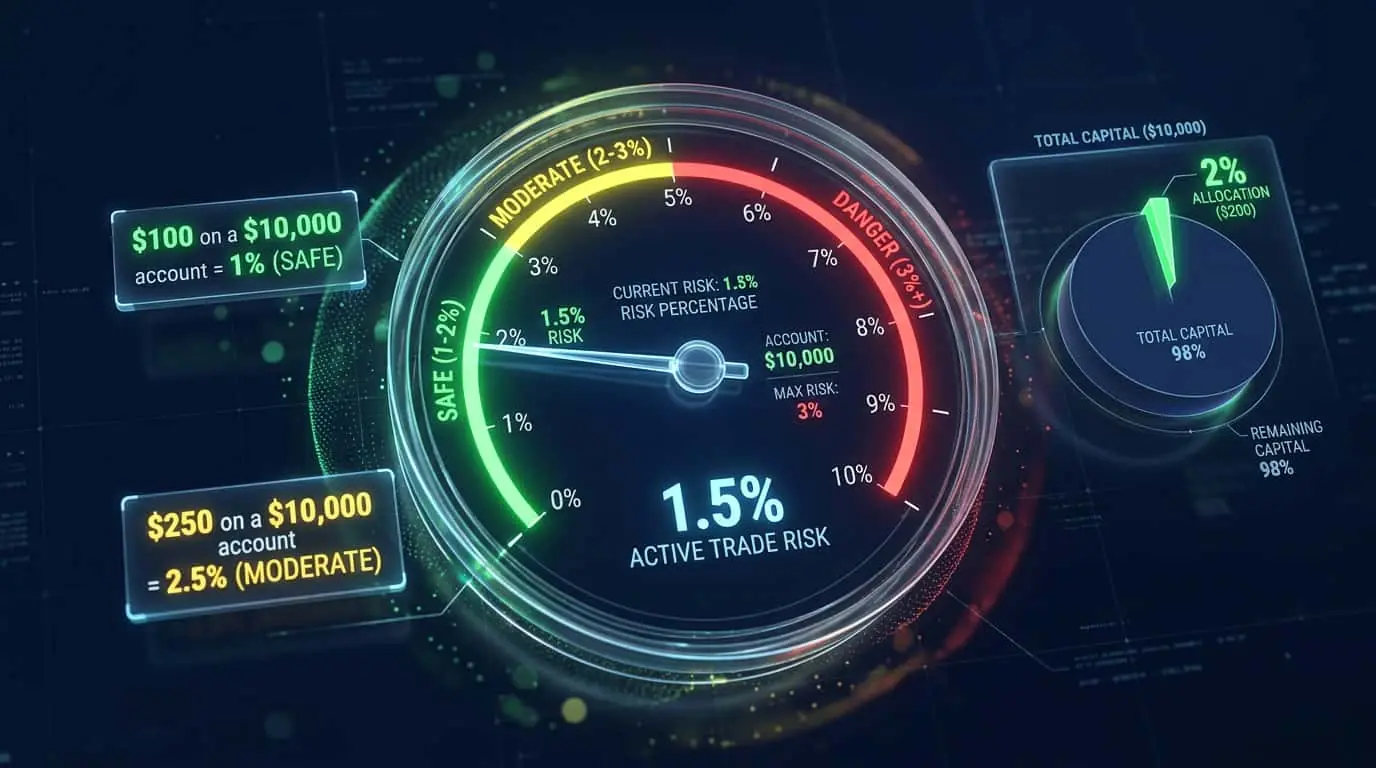
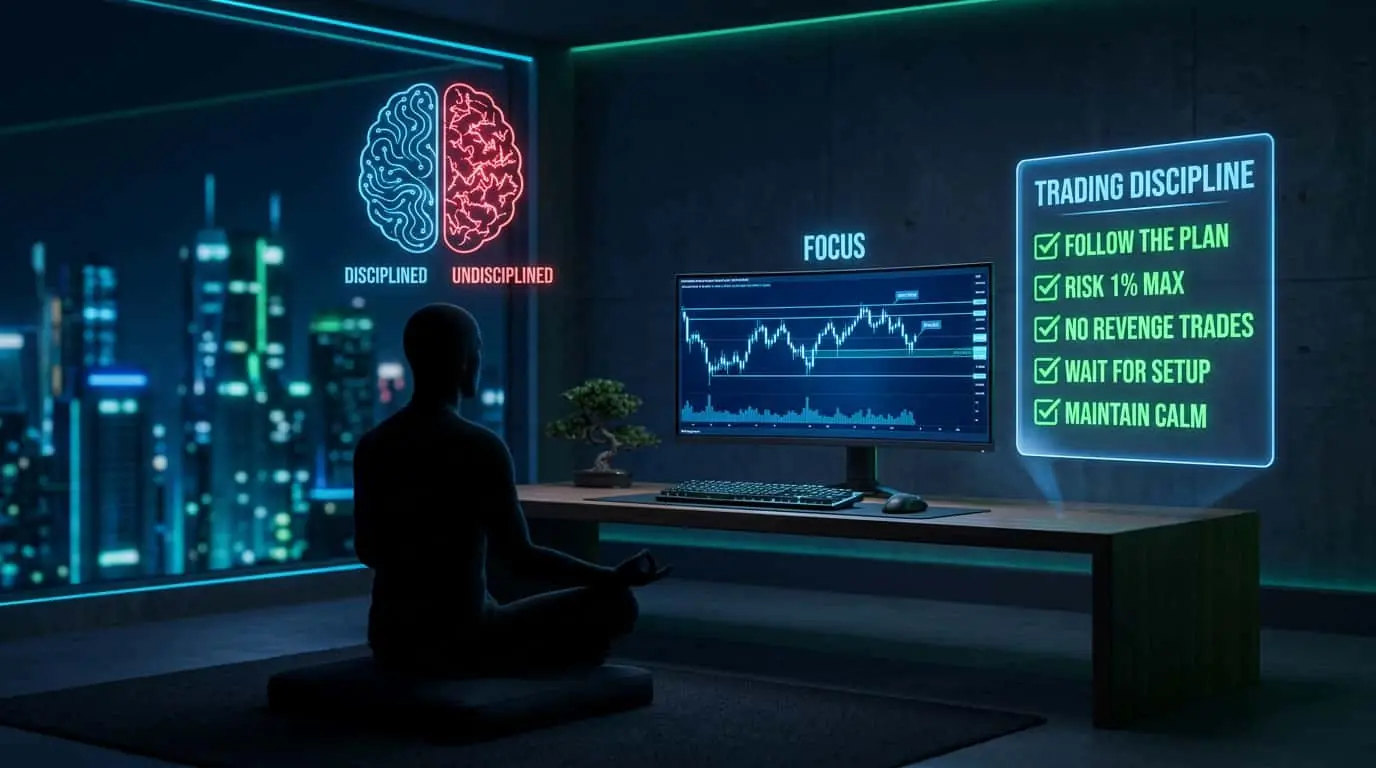
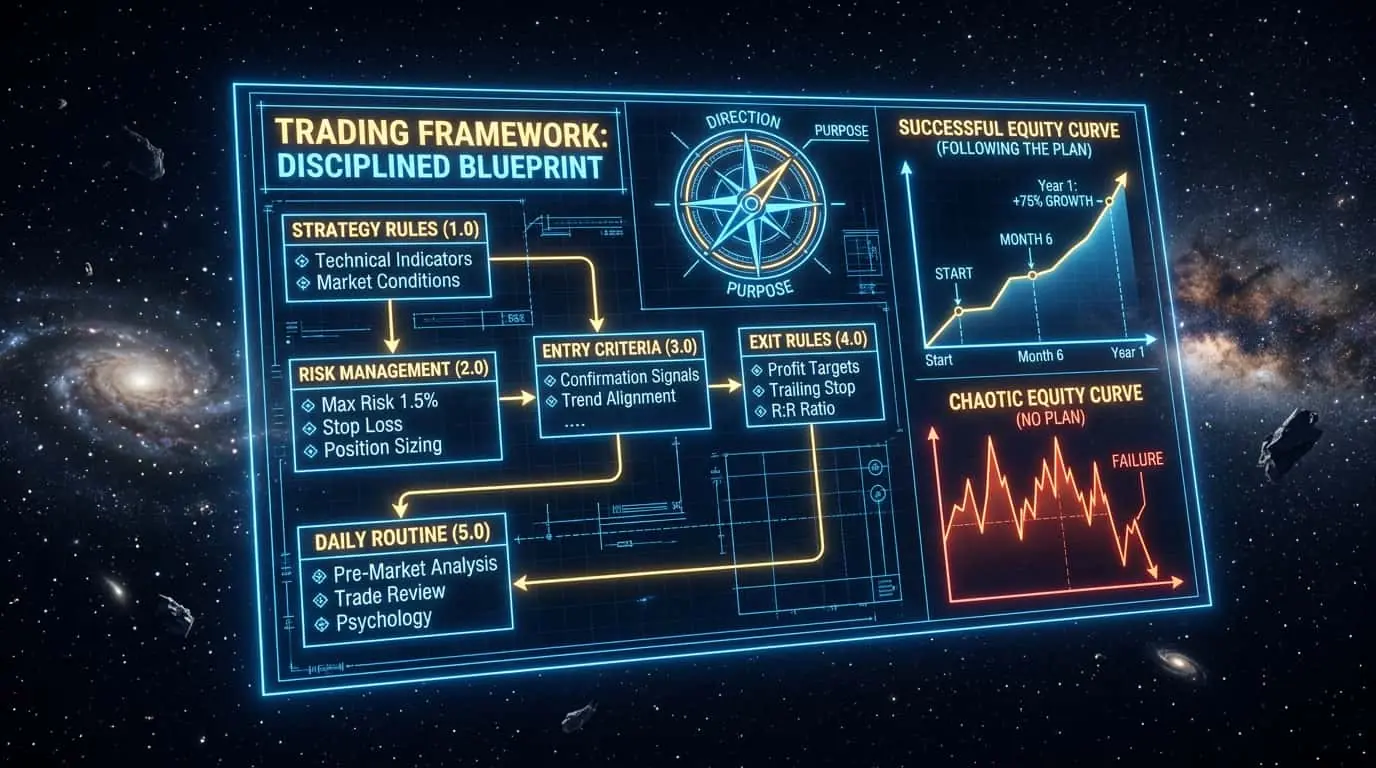
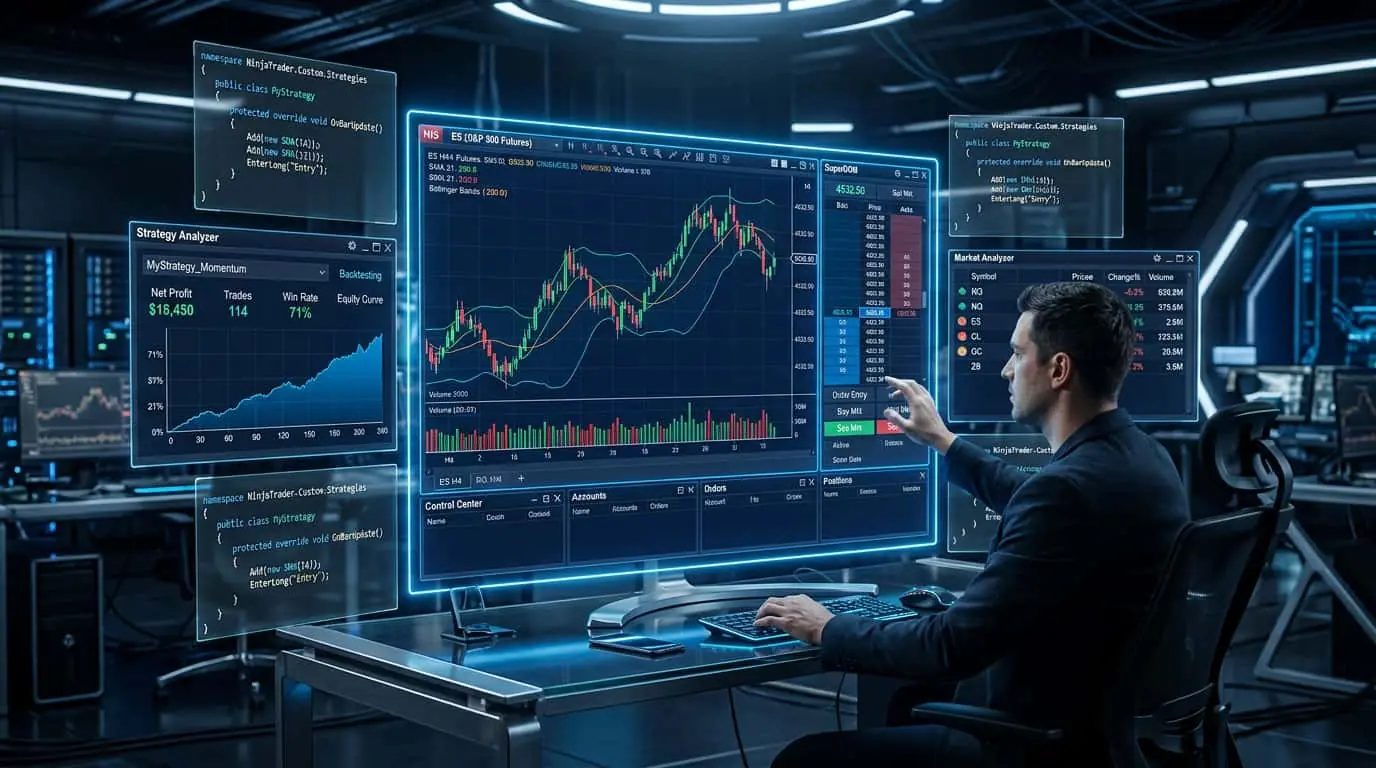
Breaking the revenge-trading cycle requires a combination of structural safeguards, behavioral routines, and psychological awareness. The most effective strategies work by removing the opportunity to revenge trade rather than relying on willpower to resist the urge in the moment. The single most impactful intervention is a firm daily loss limit enforced by your broker or platform. In NinjaTrader, you can set maximum daily loss limits that will flatten your positions and disable order entry once the threshold is reached. Set this limit before the session starts when you are calm and rational. A common setting is 2-3 times your average risk per trade. If you risk $500 per trade, set a $1,000-$1,500 daily loss limit. Implement a mandatory post-loss protocol. After any losing trade, require yourself to complete a specific sequence before taking another trade: log the trade in your journal, note your emotional state, take a 10-minute physical break, and then re-evaluate whether a valid setup exists. This protocol creates a time buffer that prevents impulsive re-entry. Reduce position size after losses rather than increasing it. Some successful traders implement a 'step-down' rule: after two consecutive losses, reduce position size by 50% for the next three trades. This makes revenge trading mathematically less destructive even if it occurs, while also reducing the emotional stakes of each subsequent trade.
Pro Tip
Create a physical 'red card' that sits on your desk. When you feel the urge to revenge trade, pick it up and read the rules you wrote on the back during a calm moment. The physical act of reaching for the card interrupts the automatic emotional response.
If you have already revenge traded and are dealing with the aftermath, the priority is preventing further damage and extracting maximum learning value from the experience. First, stop trading for the rest of the day. No exceptions, no 'just one more.' Close your platform, turn off your monitors, and physically leave your trading space. The emotional state that produced the revenge trading spiral is still active, and additional trading will almost certainly make things worse. Second, do not calculate your exact losses immediately. In the acute emotional phase, seeing the damage in precise numbers triggers shame and desperation that can carry over into the next trading session. Wait until you are calm, typically the next day, to do a full post-mortem. When you do review the episode, approach it as a learning exercise rather than self-punishment. Identify the exact point where you transitioned from planned trading to revenge trading. What was the trigger? What were you feeling? What internal narrative was driving the behavior? Write down specific structural changes you will implement to prevent recurrence. The most successful traders view revenge trading episodes not as evidence of personal weakness but as diagnostic data that reveals gaps in their discipline framework. Every trader experiences this at some point. The difference between professionals and chronic losers is that professionals use the experience to build better systems, while chronic losers simply promise to 'do better next time' without changing anything structural.
Mistake
Setting daily loss limits mentally but not in the platform
Correction
Mental limits fail when emotions are high. Use NinjaTrader's built-in risk management settings to enforce hard daily loss limits that physically prevent further trading.
Mistake
Increasing position size after a loss to recover faster
Correction
Implement the opposite: reduce position size by 50% after two consecutive losses. This makes the math work in your favor and reduces emotional pressure.
Mistake
Treating revenge trading as a willpower problem
Correction
It is a structural problem. Build systems (daily loss limits, mandatory breaks, step-down sizing) that prevent revenge trading even when willpower fails.