TL;DR
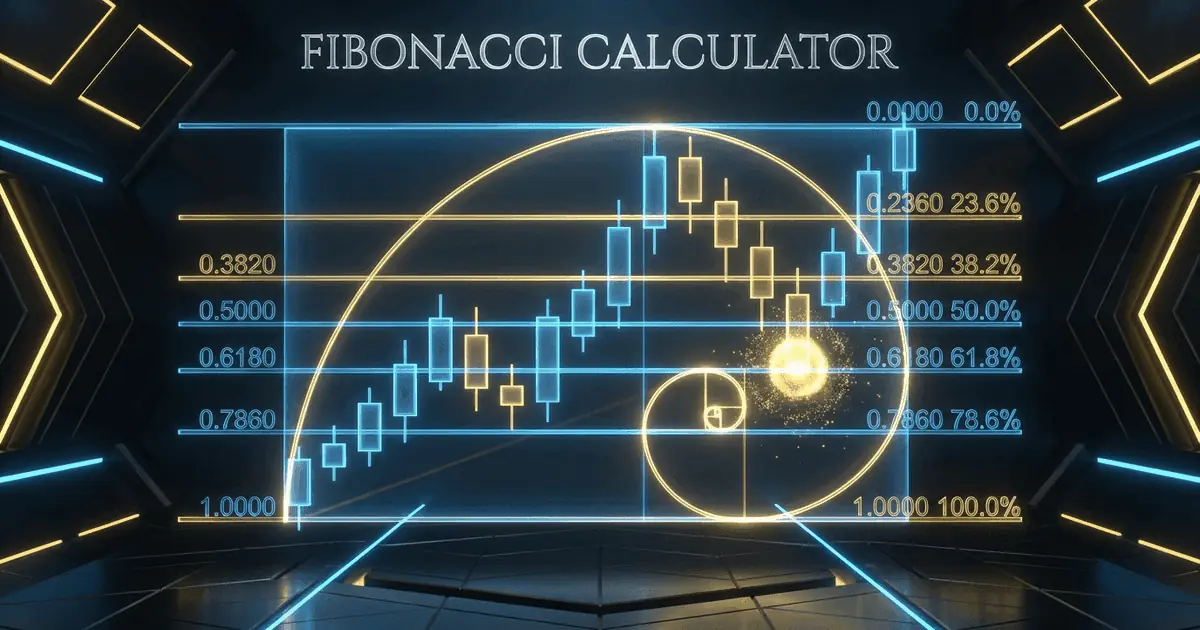
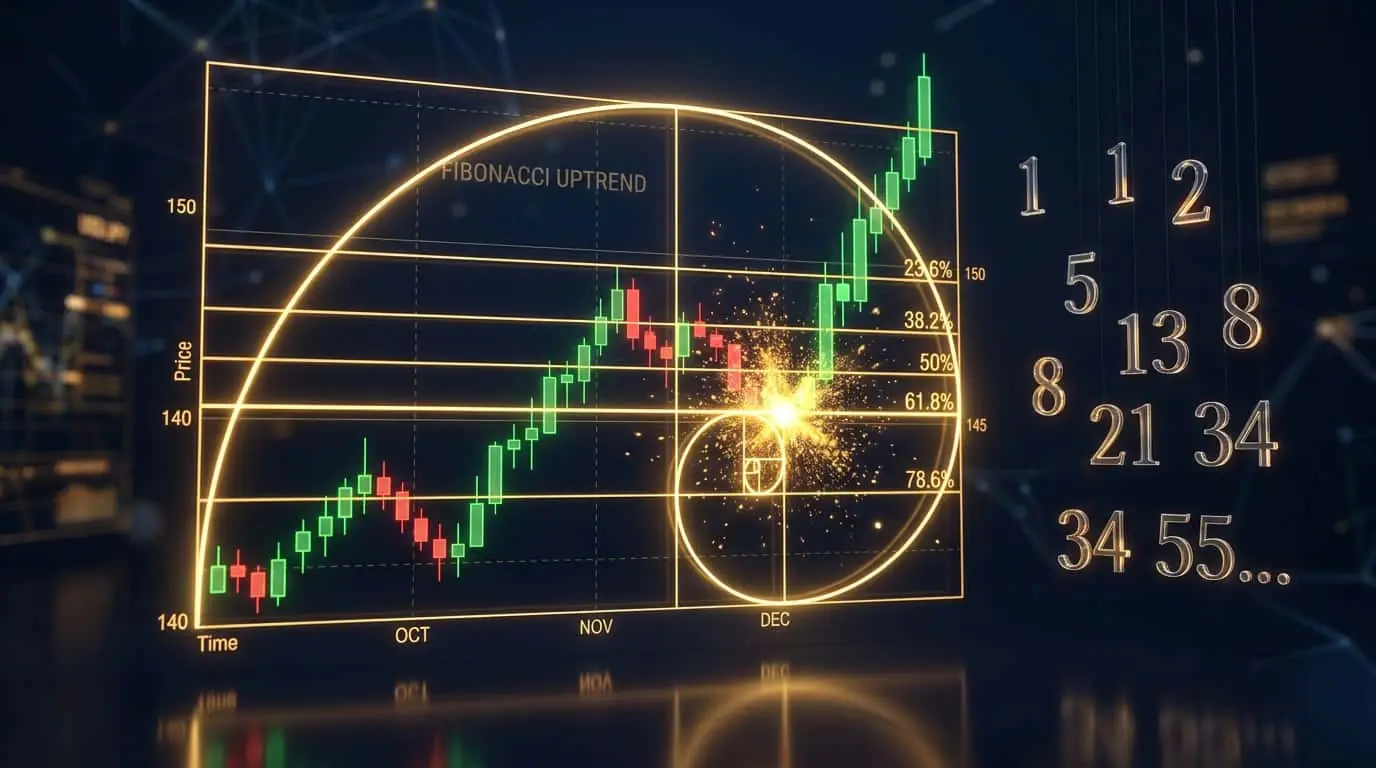
Fibonacci retracement uses horizontal lines at key ratios (23.6%, 38.2%, 50%, 61.8%, 78.6%) derived from the Fibonacci sequence to identify potential support and resistance levels where price pullbacks may reverse.
Table of Contents
Fibonacci retracement is a technical analysis tool that uses horizontal lines to indicate potential support and resistance levels where a price pullback is likely to reverse. The tool is based on the Fibonacci sequence, a mathematical series where each number is the sum of the two preceding numbers (0, 1, 1, 2, 3, 5, 8, 13, 21, 34, 55, 89...). The key ratios used in trading are derived from mathematical relationships within this sequence. The most important ratio is 61.8%, known as the golden ratio or phi, which is found by dividing any number in the sequence by the number that follows it. Other key ratios include 38.2% (dividing by the number two places to the right) and 23.6% (dividing by the number three places to the right). These ratios appear throughout nature, architecture, and financial markets, making Fibonacci retracement one of the most widely used technical analysis tools among professional traders worldwide.
Fibonacci retracement levels are plotted between a significant swing high and swing low on a price chart. Traders use these levels to anticipate where a retracement or pullback might find support in an uptrend or resistance in a downtrend. Each level represents a percentage of the total price move and has different significance in terms of how often price reacts at that level. The 38.2% level is considered a shallow retracement and is common in strong trends. The 50% level, while not technically a Fibonacci ratio, is included because of its historical significance in trading. The 61.8% level is the most watched of all Fibonacci levels and often represents the last line of defense before a trend reversal. The 78.6% level is the deepest standard retracement and often signals a potential trend change when breached.
| Level | Ratio | Significance |
|---|---|---|
| 23.6% | 0.236 | Shallow retracement, very strong trend continuation |
| 38.2% | 0.382 | Common retracement in strong trends |
| 50.0% | 0.500 | Psychologically significant, not a true Fibonacci ratio |
| 61.8% | 0.618 | Golden ratio, the most important Fibonacci level |
| 78.6% | 0.786 | Deep retracement, last level before full reversal |
Pro Tip
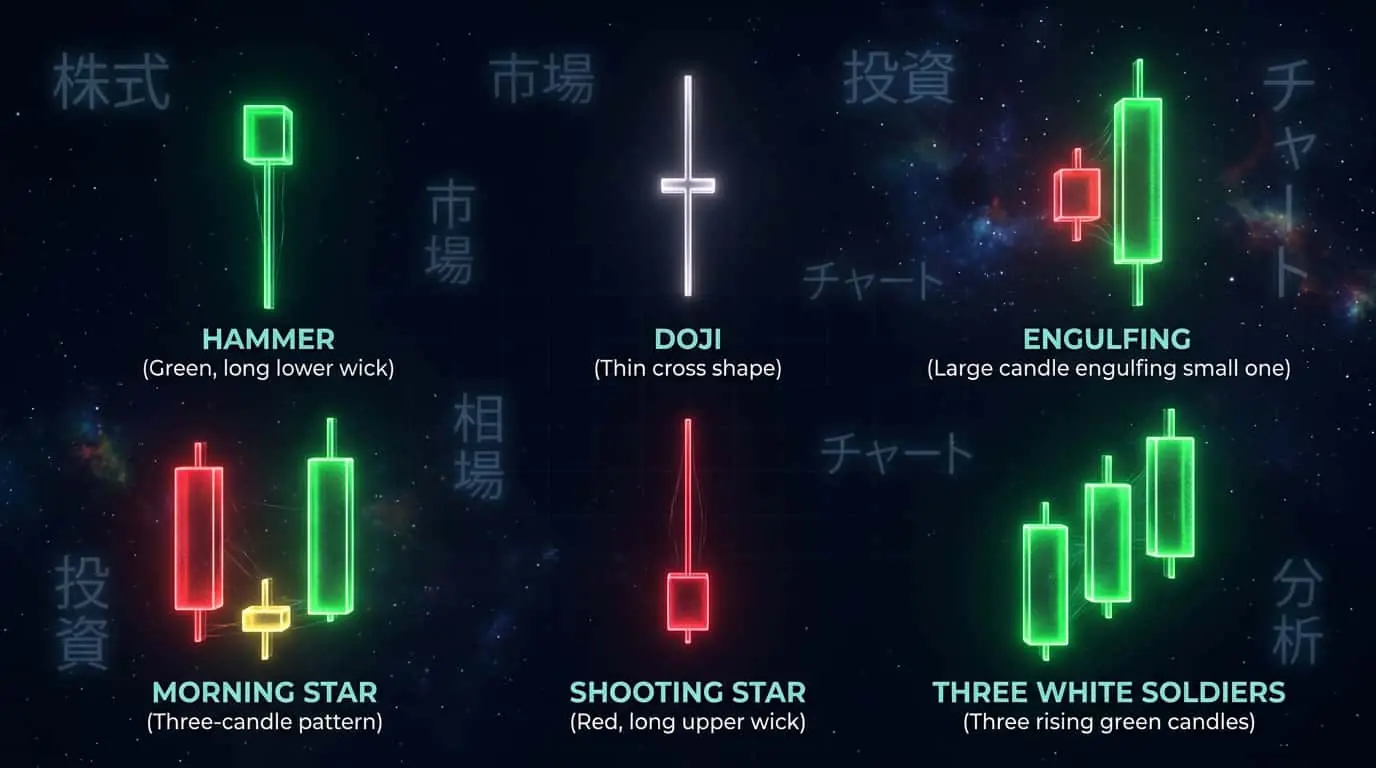
The 61.8% level is where the highest-probability reversal trades occur. When price pulls back to the 61.8% level and shows a candlestick reversal pattern (such as a hammer or engulfing candle), this confluence creates a strong entry signal.
Drawing Fibonacci retracement levels correctly is essential for accurate analysis. In an uptrend, draw the Fibonacci tool from the swing low to the swing high. The retracement levels will then appear below the swing high, indicating potential support levels where a pullback might find buyers. In a downtrend, draw from the swing high to the swing low. The retracement levels will appear above the swing low, indicating potential resistance levels where a bounce might stall. The key to accurate Fibonacci analysis is identifying significant swing points, not minor fluctuations. Use swings that are clearly visible on the timeframe you are trading. Many traders use multiple timeframes, drawing Fibonacci levels on a higher timeframe and then looking for entries on a lower timeframe when price reaches those levels.
Consider a practical example in futures trading. The E-mini S&P 500 (ES) rallies from a swing low of 4,800 to a swing high of 5,000, a 200-point move. You draw Fibonacci retracement from 4,800 to 5,000. The 38.2% retracement level falls at 4,923.60 (5,000 minus 76.40), the 50% level at 4,900, and the 61.8% level at 4,876.40. Price begins to pull back, and you watch for reaction at these levels. If price finds support at 4,923.60 with increasing volume and a bullish candlestick pattern, this is a strong signal to enter a long position. Your stop loss would go below the next Fibonacci level (50% at 4,900), and your take profit would target a retest of the 5,000 high or a Fibonacci extension level above it. This approach gives you a defined risk-reward setup based on mathematically derived price levels.
Retracement Level = High - (High - Low) x Fibonacci RatioHigh — The swing high price
Low — The swing low price
Fibonacci Ratio — 0.236, 0.382, 0.500, 0.618, or 0.786
While Fibonacci retracement identifies potential reversal levels within a move, Fibonacci extensions project potential price targets beyond the original move. Extension levels are used to set take-profit targets when trading with the trend. The most common extension levels are 127.2%, 161.8%, and 261.8%. For example, if price retraces to the 61.8% level and bounces, a trader might set their first take profit at the 100% level (the original high) and their second target at the 127.2% extension. Fibonacci extensions are calculated by taking the original swing distance and projecting it beyond the swing high in an uptrend or below the swing low in a downtrend. These levels are particularly useful for traders who want to let winners run but need defined exit targets based on mathematical principles rather than guesswork.
Fibonacci extensions project price targets beyond the original swing, and understanding all standard extension levels is critical for setting take-profit orders. The extension calculation uses three price points: the swing low (A), the swing high (B), and the retracement low (C). The extension is then projected from point C. For example, if ES rallies from 4,800 (A) to 5,000 (B), a 200-point move, and then retraces to 4,876.40 (the 61.8% level, point C), the 100% extension target would be 4,876.40 + 200 = 5,076.40. The 127.2% extension would be 4,876.40 + (200 x 1.272) = 5,130.80, and the 161.8% extension would be 4,876.40 + (200 x 1.618) = 5,200.00. These extension levels serve as measured-move targets where institutional traders often take profits, causing price to stall or reverse. In practice, the 100% extension is the most conservative first target, while the 161.8% extension is the most commonly watched for strong trend continuations. Traders who enter at the 61.8% retracement with a stop below the 78.6% level can achieve risk-reward ratios of 3:1 or better by targeting the 161.8% extension. One advanced technique is stacking Fibonacci extensions from multiple swings. When two independent extension levels converge at the same price area, that cluster becomes a very high-probability reaction zone.
Extension Target = C + (B - A) x Extension RatioA — Swing low (start of the initial move)
B — Swing high (end of the initial move)
C — Retracement low (where the pullback ended)
Extension Ratio — 1.000, 1.272, 1.618, 2.000, or 2.618
| Extension Level | Calculation (200-pt move, C = 4876.40) | Target Price | Usage |
|---|---|---|---|
| 100.0% | 4876.40 + 200.00 | 5,076.40 | Conservative first target |
| 127.2% | 4876.40 + 254.40 | 5,130.80 | Moderate target, often tested |
| 161.8% | 4876.40 + 323.60 | 5,200.00 | Primary target for strong trends |
| 200.0% | 4876.40 + 400.00 | 5,276.40 | Full measured move projection |
| 261.8% | 4876.40 + 523.60 | 5,400.00 | Aggressive target, strong momentum only |
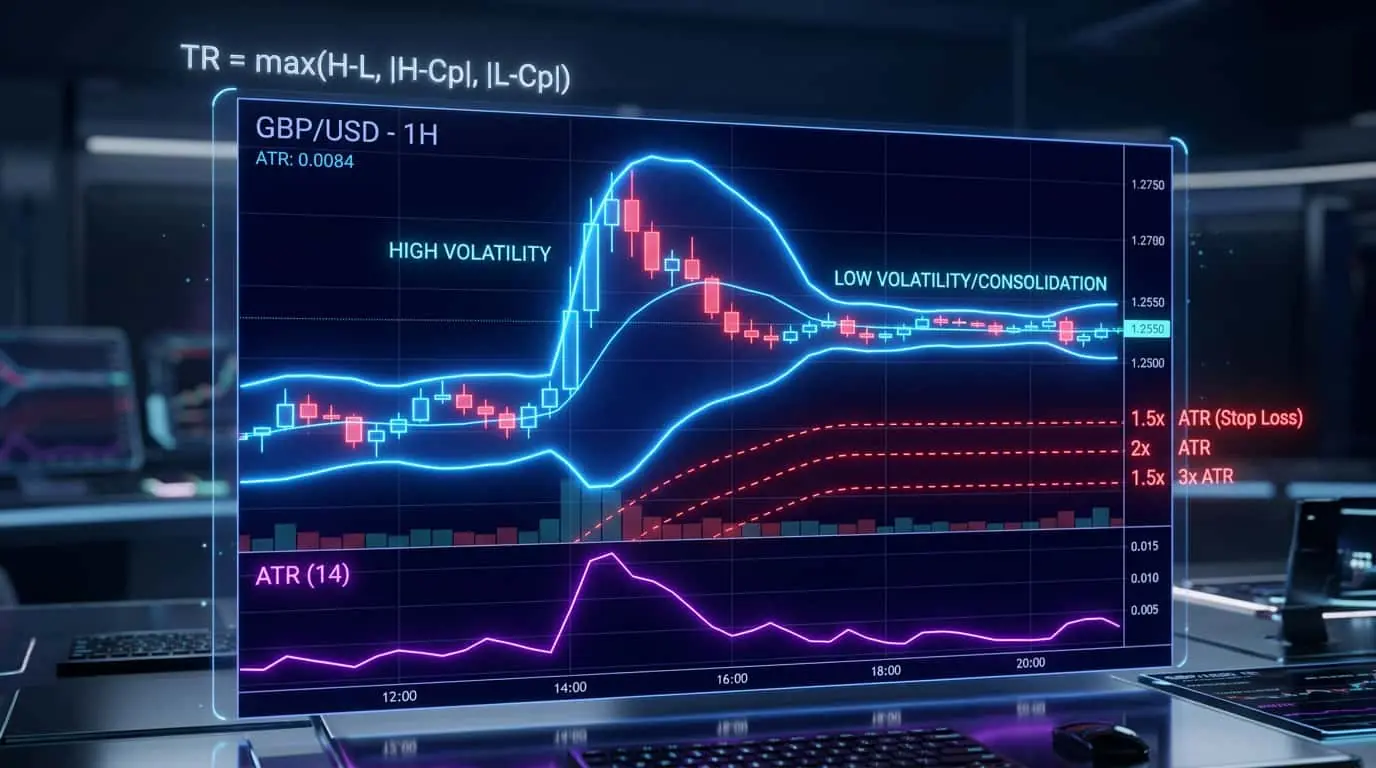
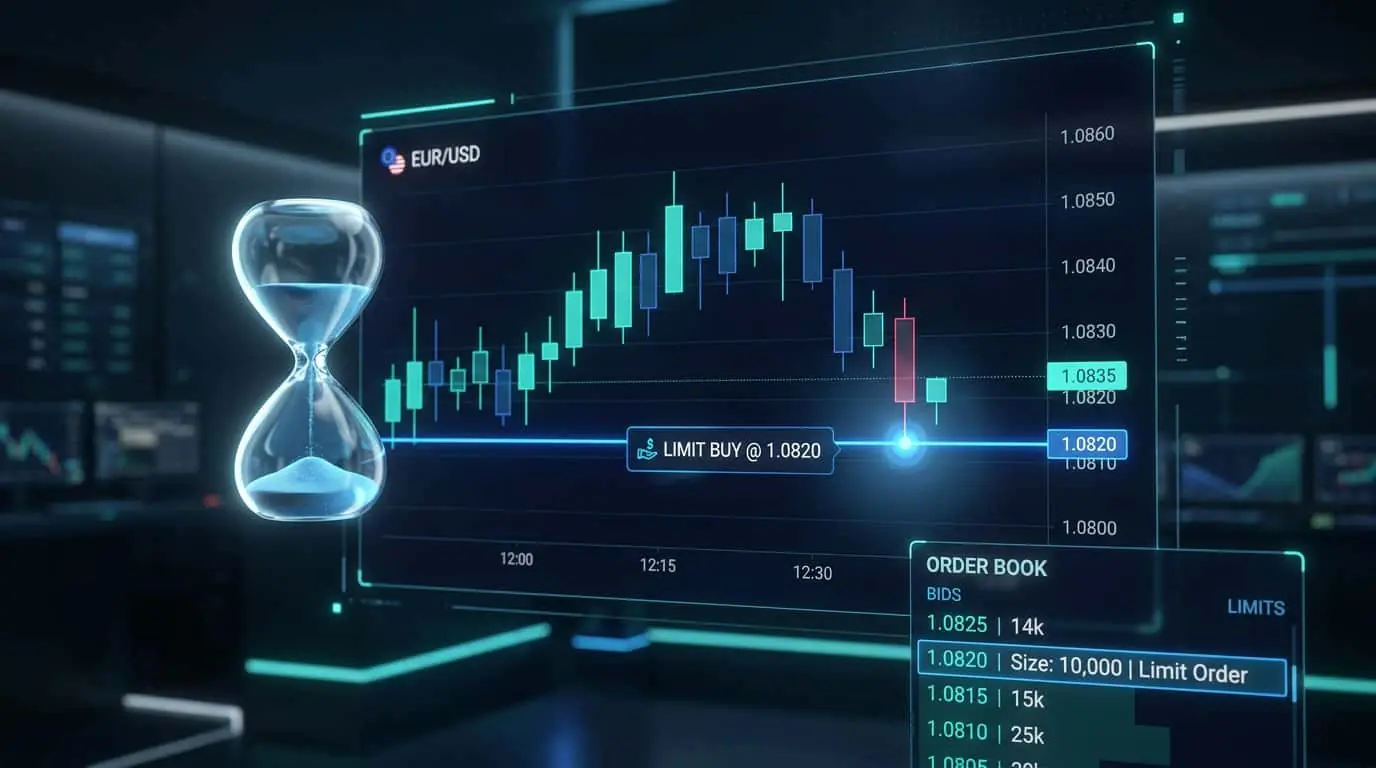
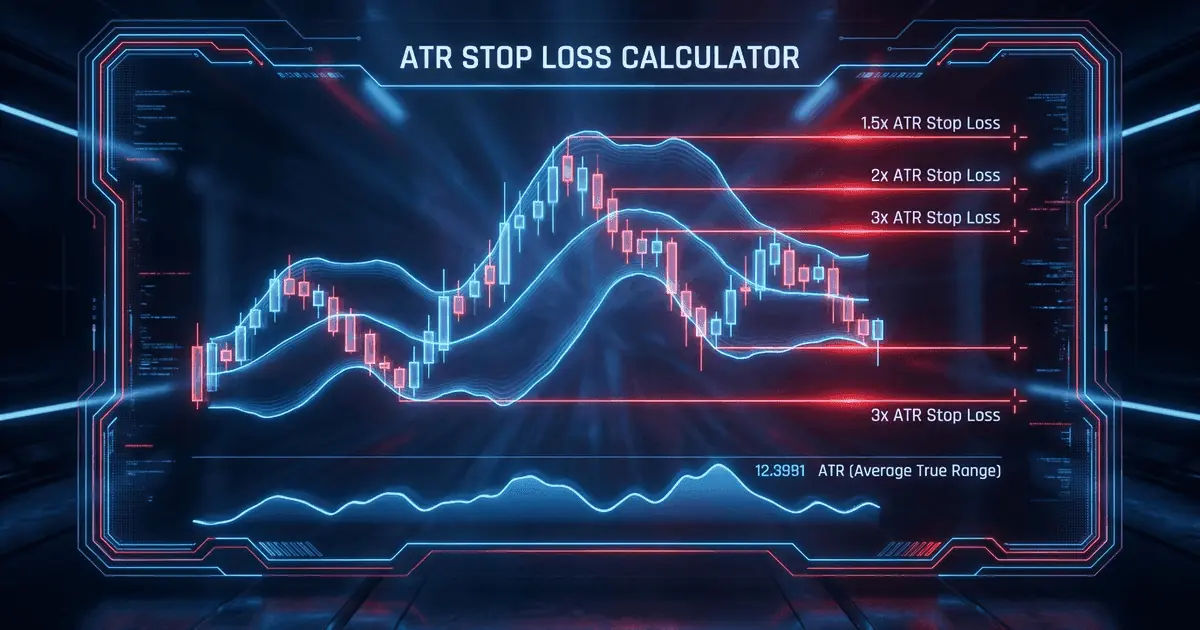
NinjaTrader 8 includes a built-in Fibonacci retracement drawing tool accessible from the toolbar. To draw Fibonacci levels, select the Fibonacci Retracement tool, click on the swing low, and drag to the swing high (for an uptrend setup). NinjaTrader automatically plots all standard retracement levels (23.6%, 38.2%, 50%, 61.8%, 78.6%) and extension levels. You can customize which levels are displayed and add custom levels through the tool's properties. A powerful NinjaTrader technique is using multiple Fibonacci drawings simultaneously. Draw Fibonacci from the daily chart's major swing and from the 4-hour chart's most recent swing. Where levels from both drawings converge, you have a high-probability confluence zone. In NinjaTrader, you can color-code different Fibonacci drawings to keep them organized. For automated strategies in NinjaScript, you can calculate Fibonacci levels programmatically. Store the swing high and swing low, then compute each level: double fib618 = swingHigh - (swingHigh - swingLow) * 0.618. This allows your NinjaScript strategy to place limit orders at Fibonacci levels automatically, which is particularly useful for strategies that enter on pullbacks to the 50% or 61.8% level. Combining Fibonacci entries with ATR-based stop losses (1.5x ATR below the 78.6% level) creates a systematic approach that balances precision entries with volatility-adaptive risk management.
Pro Tip
In NinjaTrader, set a price alert at your key Fibonacci levels so you are notified when price approaches. This prevents you from staring at the screen all day while ensuring you do not miss high-probability setups at the 50% or 61.8% retracement.
Fibonacci retracement works best when combined with other technical analysis methods to create confluence. Confluence occurs when multiple independent indicators or analysis methods identify the same price level as significant. For example, if a 61.8% Fibonacci retracement level coincides with a horizontal support level, a rising trendline, and the 200-period moving average, the probability of a reversal at that level increases significantly. Traders also combine Fibonacci with candlestick patterns (looking for reversal patterns at Fibonacci levels), volume analysis (higher volume at Fibonacci levels indicates stronger support/resistance), and momentum indicators like RSI (oversold readings at Fibonacci support levels). This multi-factor approach reduces false signals and improves the overall reliability of Fibonacci-based trading decisions.
Pro Tip
Look for Fibonacci confluence zones where the retracement level from one swing aligns with the extension level from a previous swing. These cluster zones are the highest-probability reversal areas on a chart.
Mistake
Drawing Fibonacci from insignificant or minor swing points
Correction
Use clearly visible, significant swing highs and lows that represent meaningful price movements. Minor fluctuations produce unreliable levels.
Mistake
Trading Fibonacci levels in isolation without confluence
Correction
Always look for confluence with other technical factors such as horizontal support/resistance, moving averages, trendlines, or volume. Fibonacci alone is not sufficient for high-probability entries.
Mistake
Ignoring the overall trend direction when using Fibonacci
Correction
Fibonacci retracement works best when trading in the direction of the prevailing trend. Use retracement levels as entry points to join the existing trend, not to counter-trade.