TL;DR
Liquidity refers to how easily an asset can be bought or sold without significantly affecting its price. High-liquidity markets have tight spreads, deep order books, and minimal slippage, while low-liquidity markets have wide spreads, thin order books, and unpredictable execution -- directly impacting your trading costs and risk.
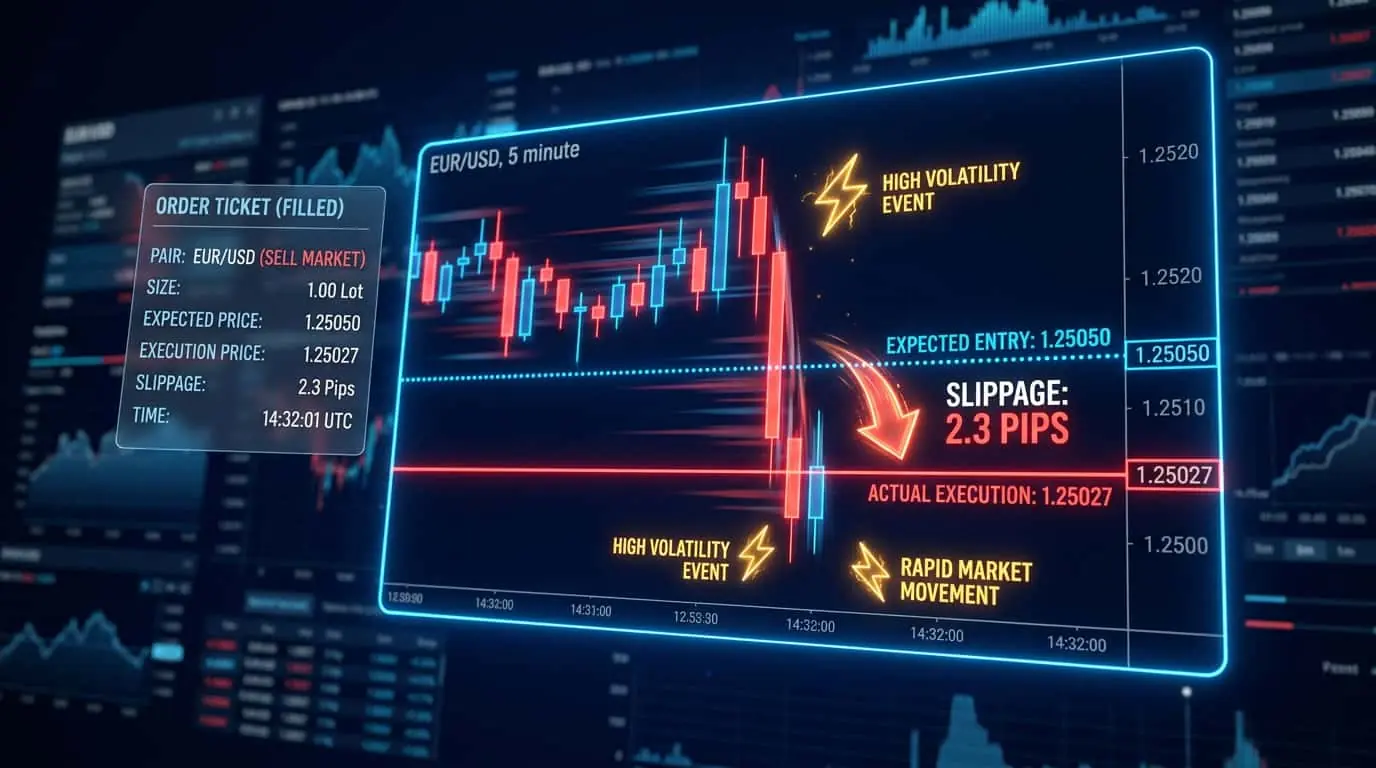
Liquidity is the measure of how quickly and efficiently an asset can be converted into cash (or another asset) at or near its current market price without causing a significant price impact. In practical trading terms, liquidity answers the question: 'If I want to buy or sell right now, how close to the quoted price will my order actually fill, and how much size can I move before the price moves against me?' A highly liquid market, such as the E-mini S&P 500 futures during US Regular Trading Hours, allows you to enter and exit positions almost instantly at the displayed price, with minimal difference between the bid and ask prices. An illiquid market, such as a thinly traded small-cap stock or an overnight futures session, may show a wide gap between bid and ask prices, and your order may fill at a significantly different price than expected (slippage), or may not fill at all if you use limit orders. Liquidity is not a static property -- it fluctuates continuously based on time of day, market events, calendar effects, and the actions of other participants. The same instrument can be highly liquid during peak hours and dangerously illiquid during off-hours. Understanding these dynamics is essential because liquidity directly determines your transaction costs, your ability to execute your trading plan as designed, and the maximum position size you can realistically manage.
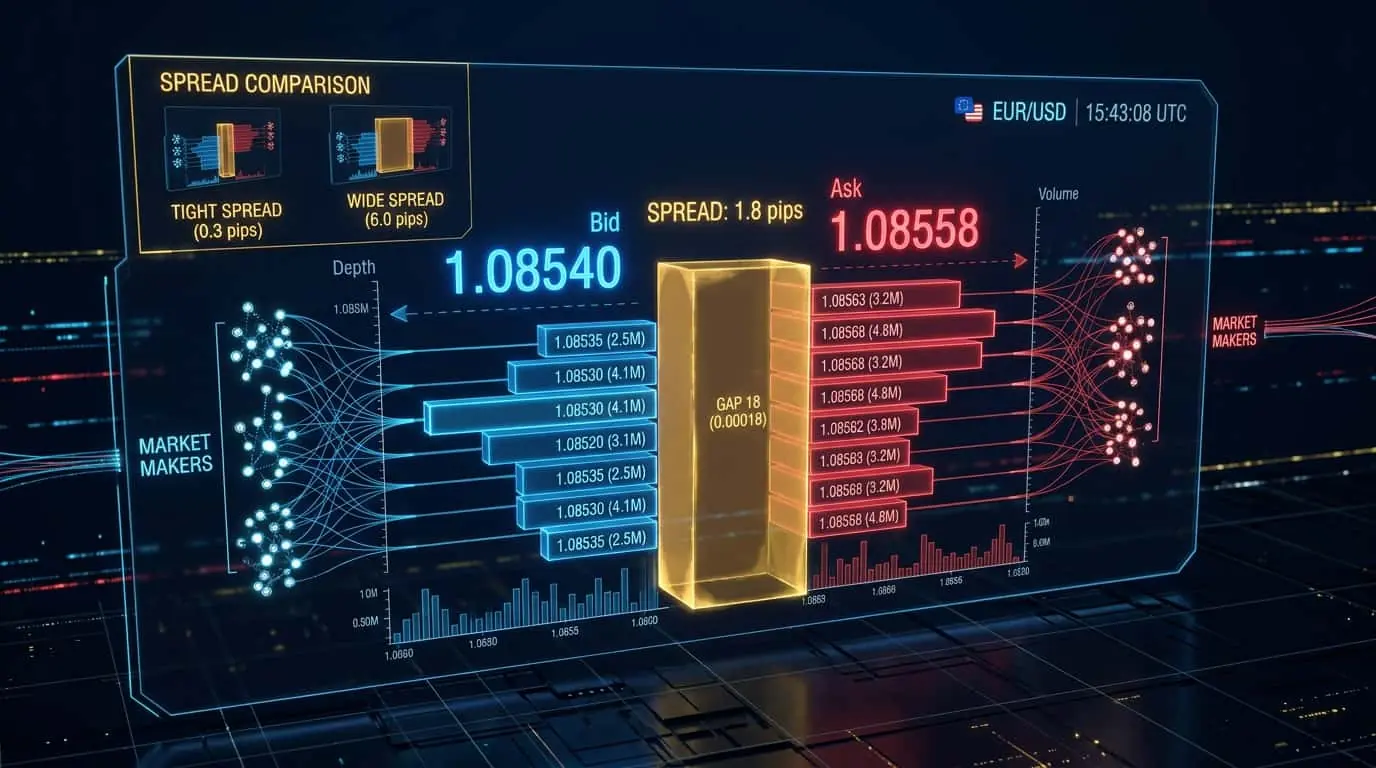
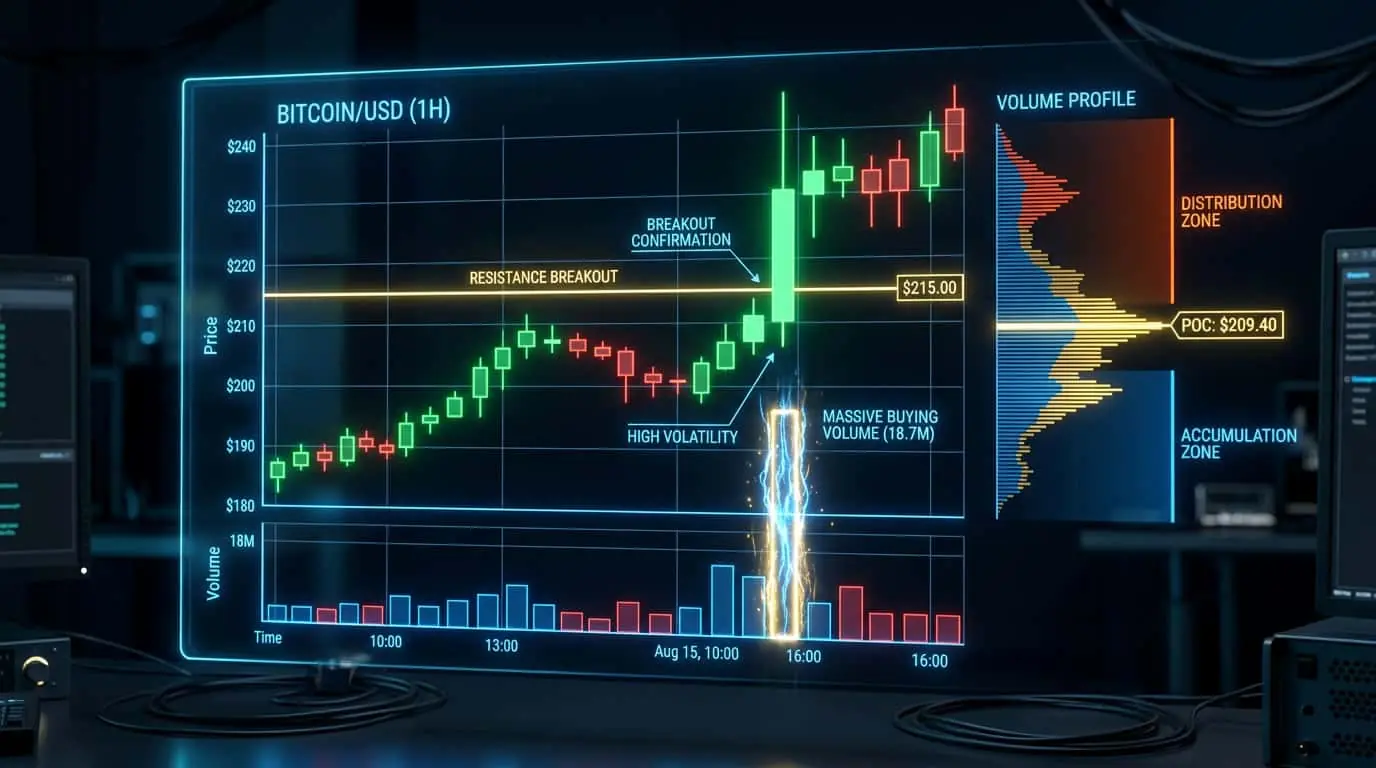
Liquidity can be measured through several observable metrics that provide different perspectives on market depth and execution quality. The bid-ask spread is the most immediate measure: the difference between the highest price a buyer is willing to pay (bid) and the lowest price a seller is willing to accept (ask). In a liquid market like the ES futures during RTH, the spread is typically one tick (0.25 points, or $12.50 per contract). In a less liquid market or during off-hours, spreads can widen to multiple ticks, increasing the cost of every round trip. Volume is a broader measure of liquidity: the total number of contracts or shares traded during a given period. Higher volume generally indicates higher liquidity, though volume alone does not capture the depth of the order book at any given moment. A market can have high daily volume but still experience liquidity gaps during specific moments. The order book depth (also called market depth or Level 2 data) shows the number of resting orders at each price level above and below the current market price. In NinjaTrader's SuperDOM, you can see exactly how many contracts are bid and offered at each price level. Deep order books absorb large orders without significant price movement, while thin order books can see prices jump several ticks on relatively modest orders. Market impact is the most practical measure: how much does the price move when you execute your order? If you consistently experience slippage beyond one tick on market orders, the market may not have sufficient liquidity for your position size.
| Liquidity Metric | What It Measures | How to Observe |
|---|---|---|
| Bid-Ask Spread | Cost of immediate execution | Level 1 quotes, NinjaTrader price ladder |
| Volume | Total contracts/shares traded per period | Volume bars on charts, daily volume statistics |
| Order Book Depth | Resting orders at each price level | NinjaTrader SuperDOM, Level 2 data |
| Market Impact | Price movement caused by your order | Compare fill price to mid-price at order submission |
| Time to Fill | How quickly limit orders execute | Order status tracking in platform |
Pro Tip
Before trading any instrument, observe its SuperDOM during your target session for at least a week. Note the typical depth at each level and how quickly it replenishes. This gives you a practical sense of how much size you can move without impacting the market.
Understanding where liquidity comes from helps you anticipate when it might disappear. Liquidity is provided by three main categories of market participants: market makers, institutional traders, and algorithmic trading systems. Market makers are firms that continuously post buy and sell orders on both sides of the order book, profiting from the bid-ask spread. In futures markets, designated market makers are incentivized by exchanges to maintain minimum depth and maximum spread widths during active sessions. They provide the baseline liquidity that allows retail traders to enter and exit positions smoothly. Institutional traders -- hedge funds, pension funds, asset managers, and banks -- provide significant liquidity as they execute large orders throughout the trading day. However, institutional liquidity is directional: institutions are buying or selling for portfolio reasons, not to provide two-sided liquidity. Their presence increases total volume and depth on one side of the book. Algorithmic trading systems, including high-frequency trading (HFT) firms, now account for a substantial percentage of total market volume. These systems provide liquidity by rapidly posting and canceling orders based on real-time analysis. However, algorithmic liquidity can be withdrawn almost instantly during high-volatility events, which is why liquidity often evaporates precisely when you need it most -- during flash crashes, major news releases, or unexpected geopolitical events. This phenomenon is sometimes called 'phantom liquidity' because the orders visible in the book are not guaranteed to be there when your market order arrives.
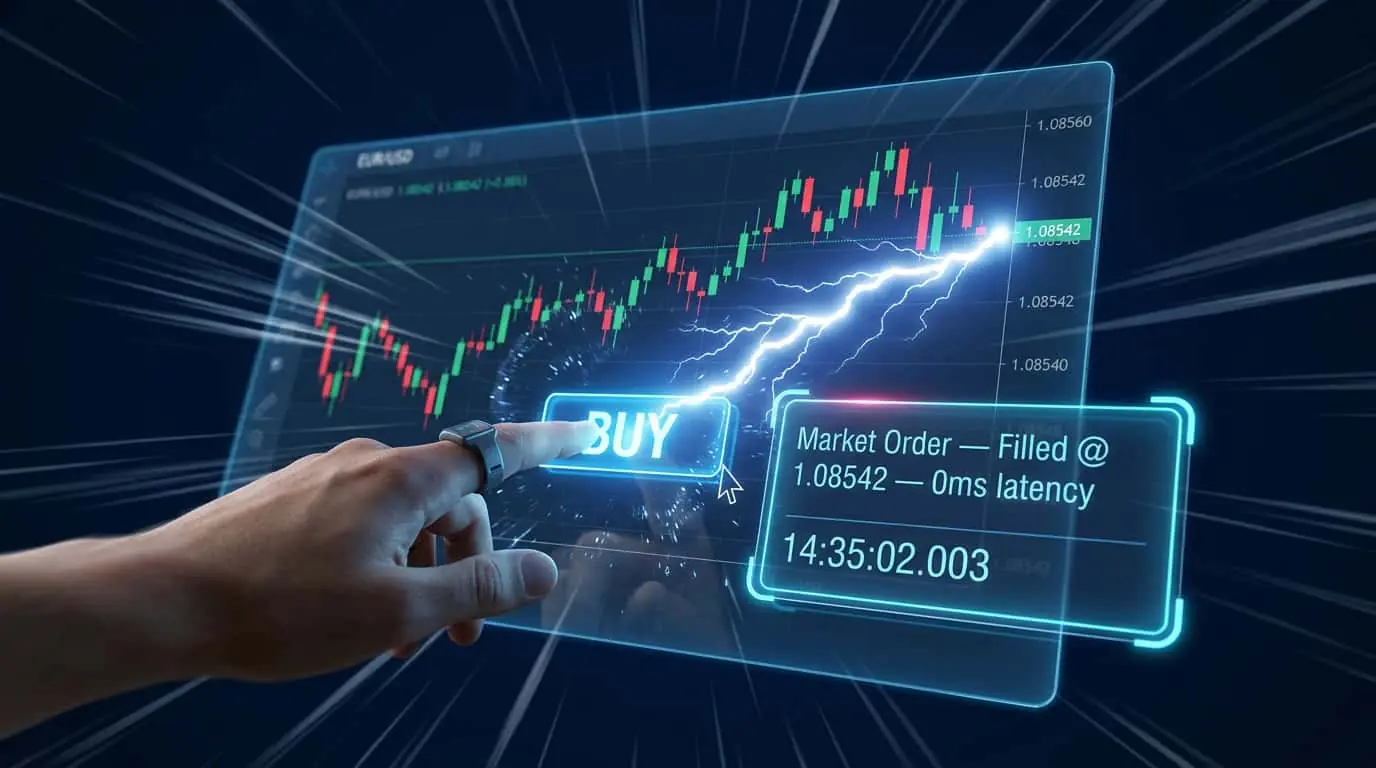
Liquidity impacts every aspect of trade execution, from the cost of entering a position to your ability to exit during adverse conditions. The most direct impact is on transaction costs. In a liquid market with a one-tick spread, a round trip (entry and exit) costs you one tick of slippage minimum. In an illiquid market with a three-tick spread, that cost triples -- and that is before accounting for any additional slippage from market impact. For an active day trader taking 5-10 round trips per day, the difference between trading a liquid versus illiquid market can amount to thousands of dollars per month in additional friction. Position sizing is directly constrained by liquidity. If the order book shows 50 contracts bid at the current price and you attempt to buy 200 contracts with a market order, your order will sweep through multiple price levels, filling at progressively worse prices. This market impact effectively increases your entry cost and reduces your edge. A general guideline is to limit your market order size to no more than 10-20% of the visible depth at your price level. Exit reliability is perhaps the most critical liquidity consideration. Your backtest assumes you can exit at your stop-loss price, but in a liquidity vacuum (often triggered by the same events that cause your stop to be hit), your actual fill may be significantly worse. During the 2010 Flash Crash, some stocks fell 90%+ before any buyer was found. While such extremes are rare in major futures markets, slippage of 5-10 ticks during fast markets is common and must be factored into your risk management.
Liquidity follows predictable daily, weekly, and seasonal cycles that you can use to optimize your trading schedule. The daily cycle is driven by market sessions. Liquidity peaks during session overlaps (particularly the London-New York overlap from 8:00 AM to 12:00 PM EST) and troughs during the transition between the New York close and the Sydney open (approximately 5:00-7:00 PM EST). For ES futures, the Regular Trading Hours (RTH) from 9:30 AM to 4:00 PM EST offer the deepest liquidity, with the first 90 minutes being the most active. The weekly cycle shows Monday and Friday as typically lower-liquidity days. Monday opens can be volatile but thin as traders assess weekend developments. Friday afternoons see reduced participation as institutions close books for the week. Tuesday through Thursday, and especially Wednesday (which often features FOMC announcements and EIA inventory data), tend to offer the most consistent liquidity. Seasonal patterns matter as well. The period from Thanksgiving through New Year's sees significantly reduced volume and liquidity as institutional traders take holidays. Summer months (July-August) can also be quieter. These reduced-liquidity periods can produce erratic price action -- sudden spikes and reversals on modest volume -- that damages strategies designed for normal liquidity conditions. Many professional traders reduce position sizes or take breaks during these periods. Scheduled events create predictable liquidity dynamics. In the minutes before a major economic release (Non-Farm Payrolls, CPI, FOMC decisions), liquidity often dries up as market makers pull their orders to avoid being caught on the wrong side. Immediately after the release, a flood of orders creates a brief period of extreme volatility with uncertain liquidity, followed by a gradual normalization over the next 5-15 minutes.
Pro Tip
Reduce your position size by 50% during low-liquidity periods (overnight sessions, holiday weeks, thin summer markets). The reduced volatility might seem appealing, but the wider spreads, increased slippage, and erratic price action more than offset any perceived advantage.
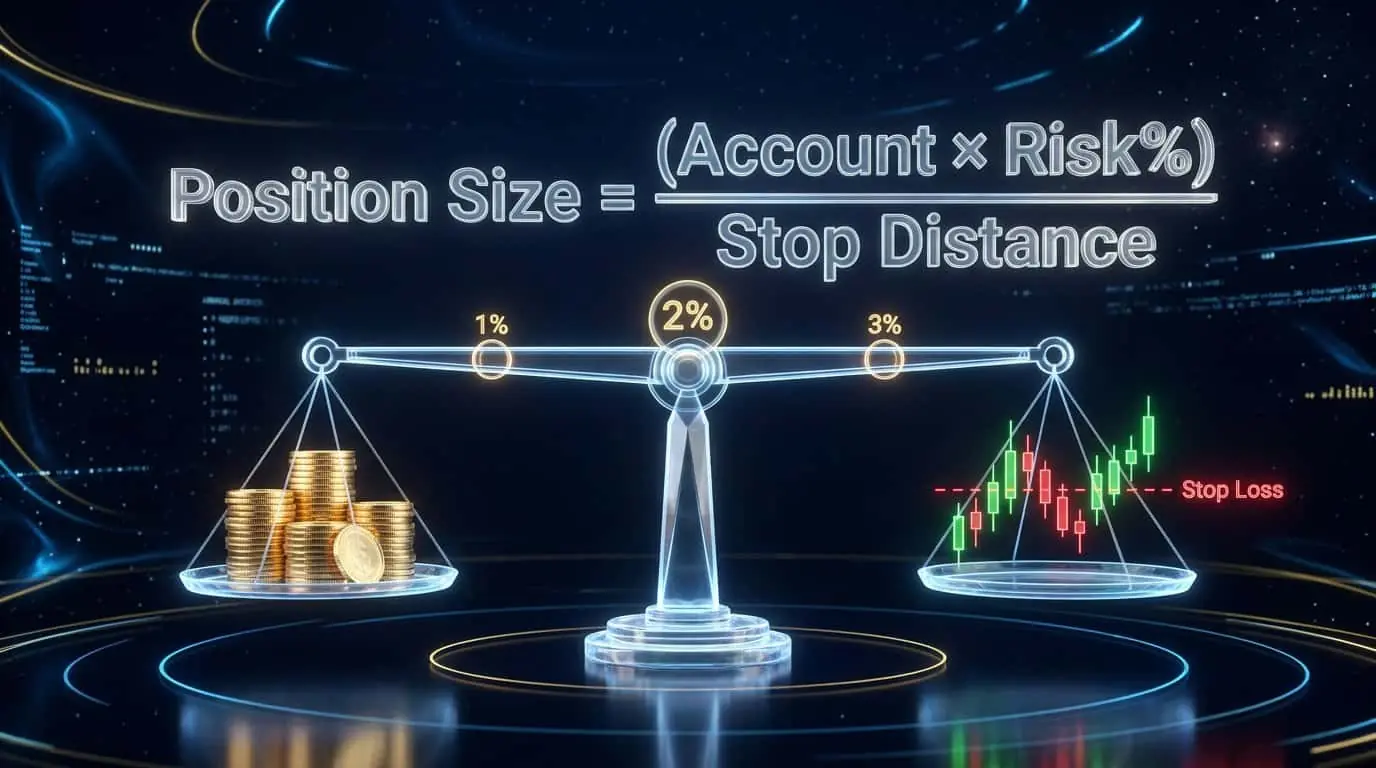
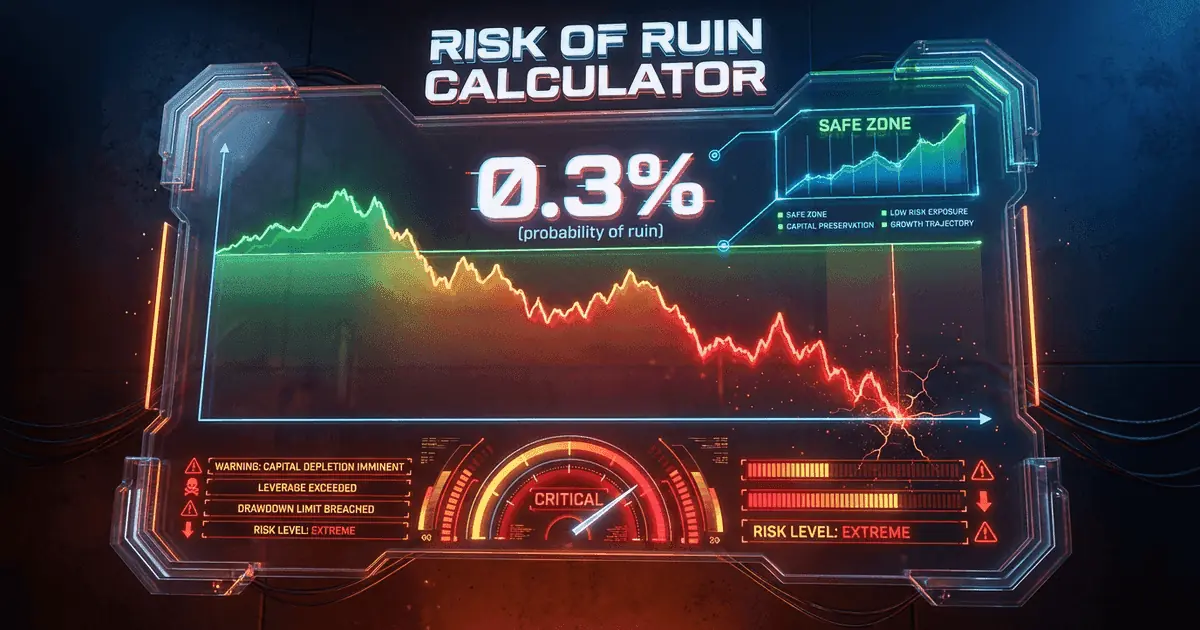
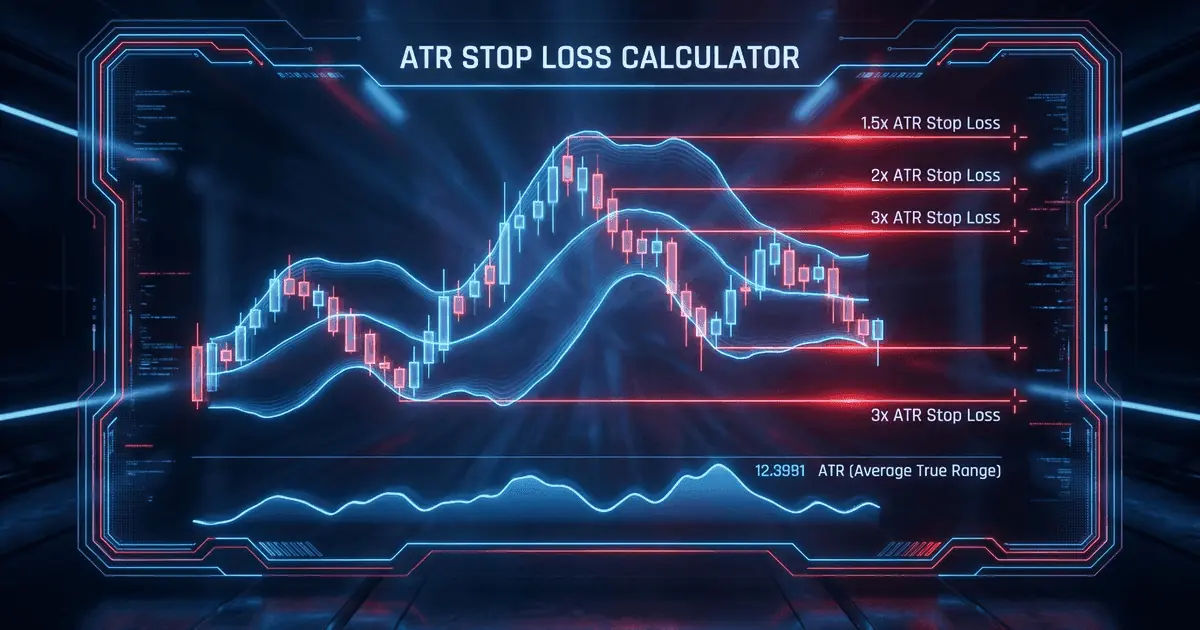
Incorporating liquidity awareness into your risk management framework is essential for protecting your capital in real-world trading conditions. The most important adjustment is to account for realistic slippage in your risk calculations. If your stop loss is 10 ticks away and you expect 2 ticks of slippage in normal conditions, your actual risk is 12 ticks, not 10. Size your positions based on the actual expected risk, not the theoretical stop distance. During low-liquidity conditions, increase your slippage assumption: if overnight ES slippage might be 4-5 ticks, your effective risk grows to 14-15 ticks, requiring a proportionally smaller position to maintain the same dollar risk. Build a 'liquidity check' into your pre-trade routine. Before entering any trade, glance at the order book depth. If you normally see 200+ contracts at the bid/ask and today you see 50, that is a signal to reduce size or wait for liquidity to return. During news events, consider using limit orders instead of market orders to protect against adverse fills, accepting the possibility of not being filled in exchange for price certainty. For risk of ruin calculations, always use your worst-case slippage scenario, not your average. One bad fill during a liquidity vacuum can represent a loss several times larger than your planned maximum, potentially turning a manageable losing trade into one that significantly damages your account. If your risk of ruin model assumes consistent 1-tick slippage but reality includes occasional 10-tick slippage events, your model is dangerously optimistic.
Mistake
Backtesting with zero slippage assumptions
Correction
Always include realistic slippage in backtests: minimum 1 tick per side for liquid futures during RTH, 2-3 ticks during off-hours or volatile periods. A strategy that is profitable with zero slippage may be a net loser with realistic execution costs.
Mistake
Using the same position size during overnight and RTH sessions
Correction
Overnight liquidity is a fraction of RTH liquidity. Reduce your position size proportionally, or avoid overnight trading entirely if your strategy requires tight execution.
Mistake
Placing market orders during major news releases
Correction
Liquidity evaporates before major announcements and returns erratically. Use limit orders to control your fill price, or wait 5-15 minutes after the release for liquidity to normalize before entering.