TL;DR
A stop loss is a predetermined price level at which you exit a losing trade to limit your loss. It is the most fundamental risk management tool in trading. Without stop losses, a single trade can wipe out months of profits.
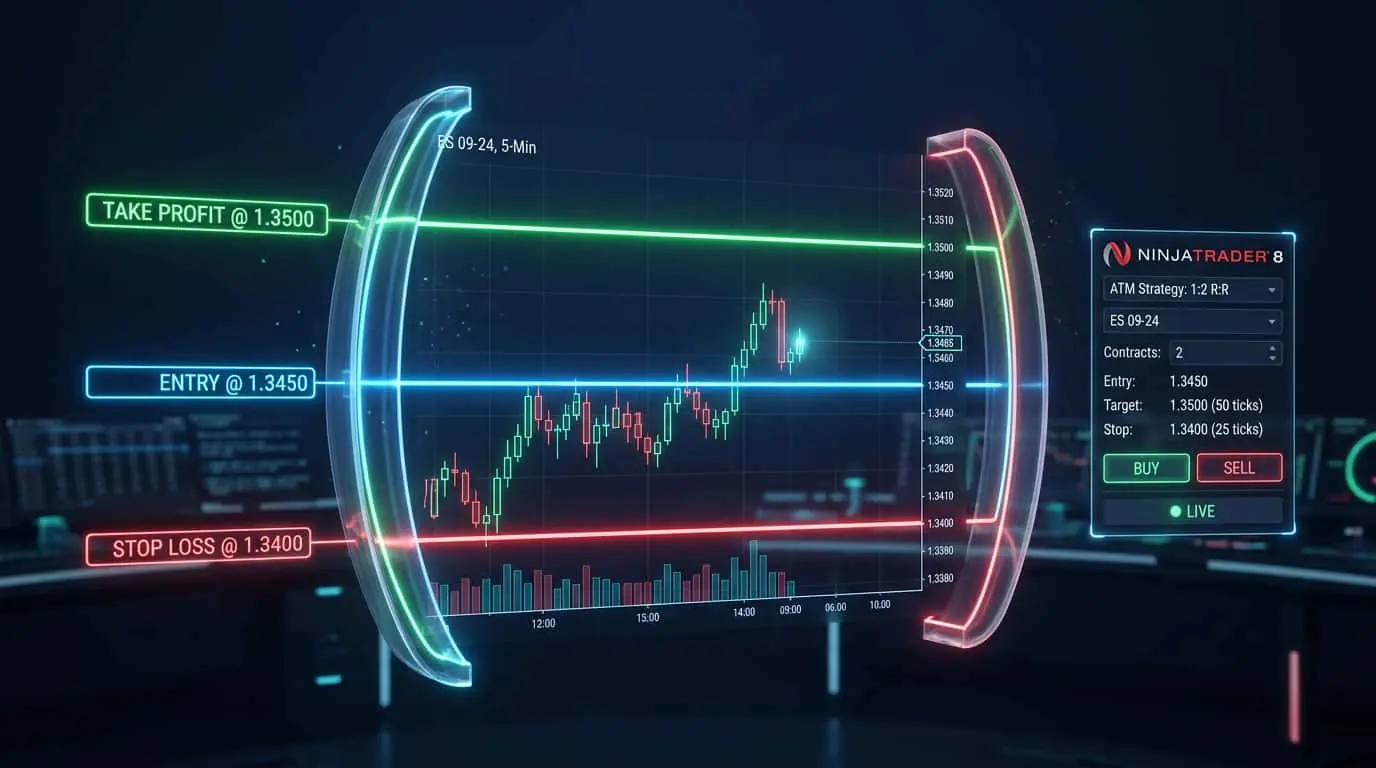
A stop loss is a predetermined price level at which a trader exits a losing position to limit their loss. It is an order placed with a broker to automatically sell (or buy, for short positions) a security when it reaches a specific price, preventing further losses beyond a defined threshold. Stop losses are the foundation of risk management in trading. They serve two critical functions: they define the maximum amount you can lose on a trade, and they remove the emotional decision of when to exit a losing position. Without a stop loss, traders face the temptation to hold losing positions, hoping for a reversal that may never come. This behavior, known as hope trading, is one of the primary reasons traders blow their accounts. Every professional trading plan includes stop losses on every trade without exception.
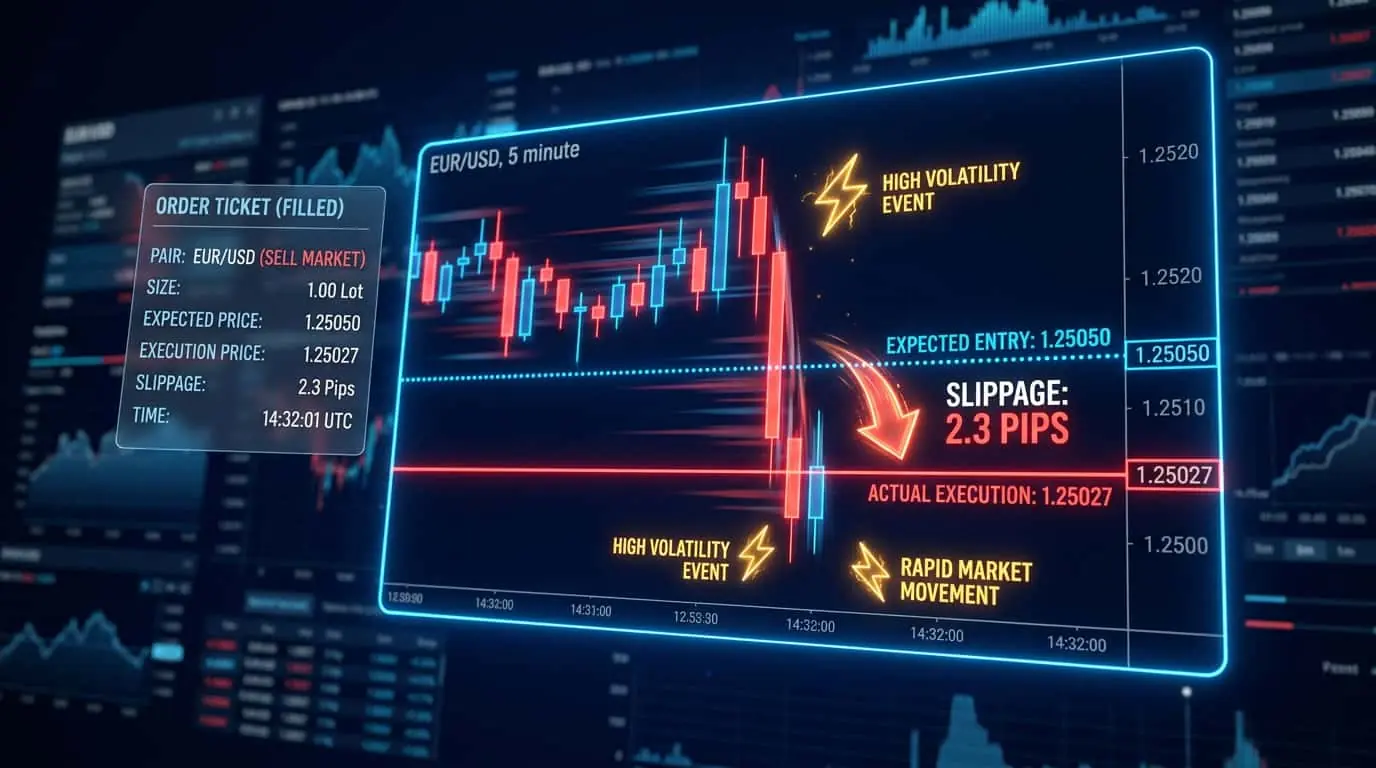
There are several types of stop loss orders, each suited to different trading situations. A standard stop loss (also called a stop market order) triggers a market order when the stop price is reached, guaranteeing execution but not the exact price. A stop limit order triggers a limit order at the stop price, guaranteeing the price but not execution, meaning in fast-moving markets, the order may not be filled at all. A mental stop is a price level the trader watches manually without placing an actual order. Mental stops are generally not recommended because they rely on the trader's discipline and reaction time. A guaranteed stop loss (available with some brokers for an additional fee) guarantees execution at the exact stop price, even during gaps or extreme volatility.
| Stop Type | Execution Guarantee | Price Guarantee | Best For |
|---|---|---|---|
| Stop Market | Yes | No (may slip) | Most trading situations |
| Stop Limit | No (may not fill) | Yes (if filled) | Low-volatility markets, wide spreads |
| Mental Stop | No (relies on discipline) | No | Not recommended for most traders |
| Guaranteed Stop | Yes | Yes (exact price) | News events, gap risk (costs extra) |
| Trailing Stop | Yes | No (may slip) | Trend following, letting winners run |
Pro Tip
Use stop market orders in most situations. The occasional slippage is far less costly than the risk of not being stopped out at all, which can happen with stop limit orders during fast moves.
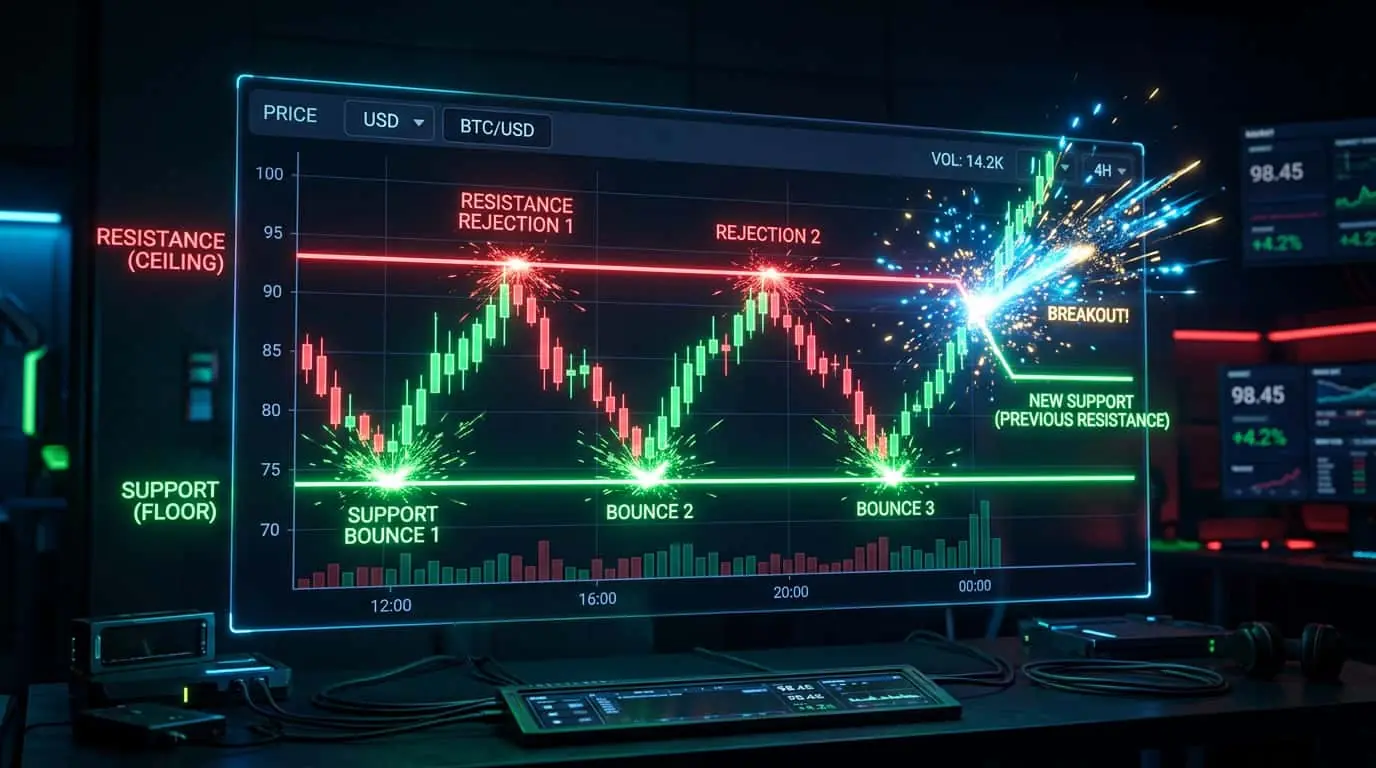
Where you place your stop loss is as important as whether you use one. There are several established methods for determining stop loss placement. The structure-based method places stops beyond key support or resistance levels identified through chart analysis. If you are long, the stop goes below the nearest support level. If you are short, it goes above the nearest resistance level. The ATR-based method uses the Average True Range indicator to set stops based on current market volatility. A common approach is placing the stop 1.5 to 2.0 ATR values away from the entry price. This method automatically adapts to changing volatility conditions. The percentage-based method sets stops at a fixed percentage from the entry price (e.g., 1% or 2% below entry for longs). While simple, this method ignores market structure and volatility. The time-based stop exits a trade if it has not reached the target within a specified time period, regardless of price.
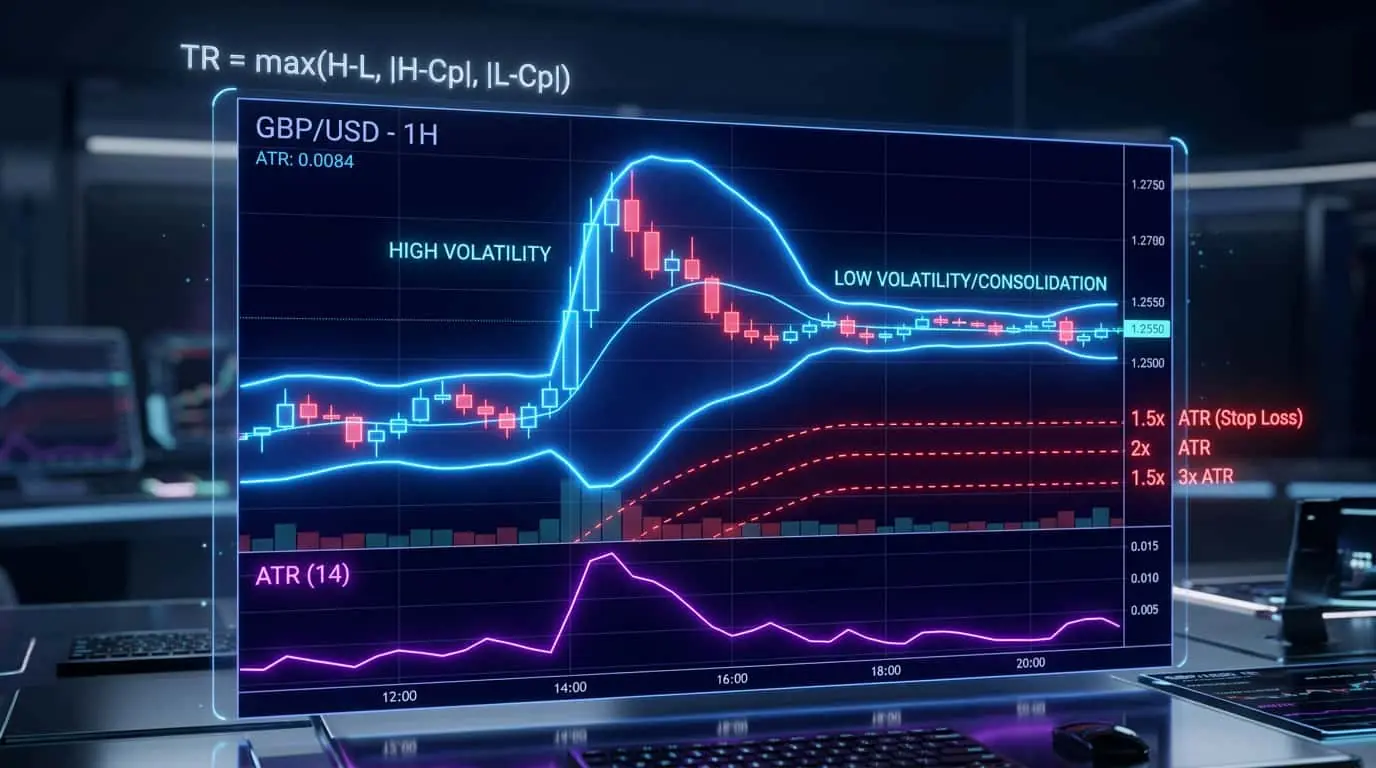
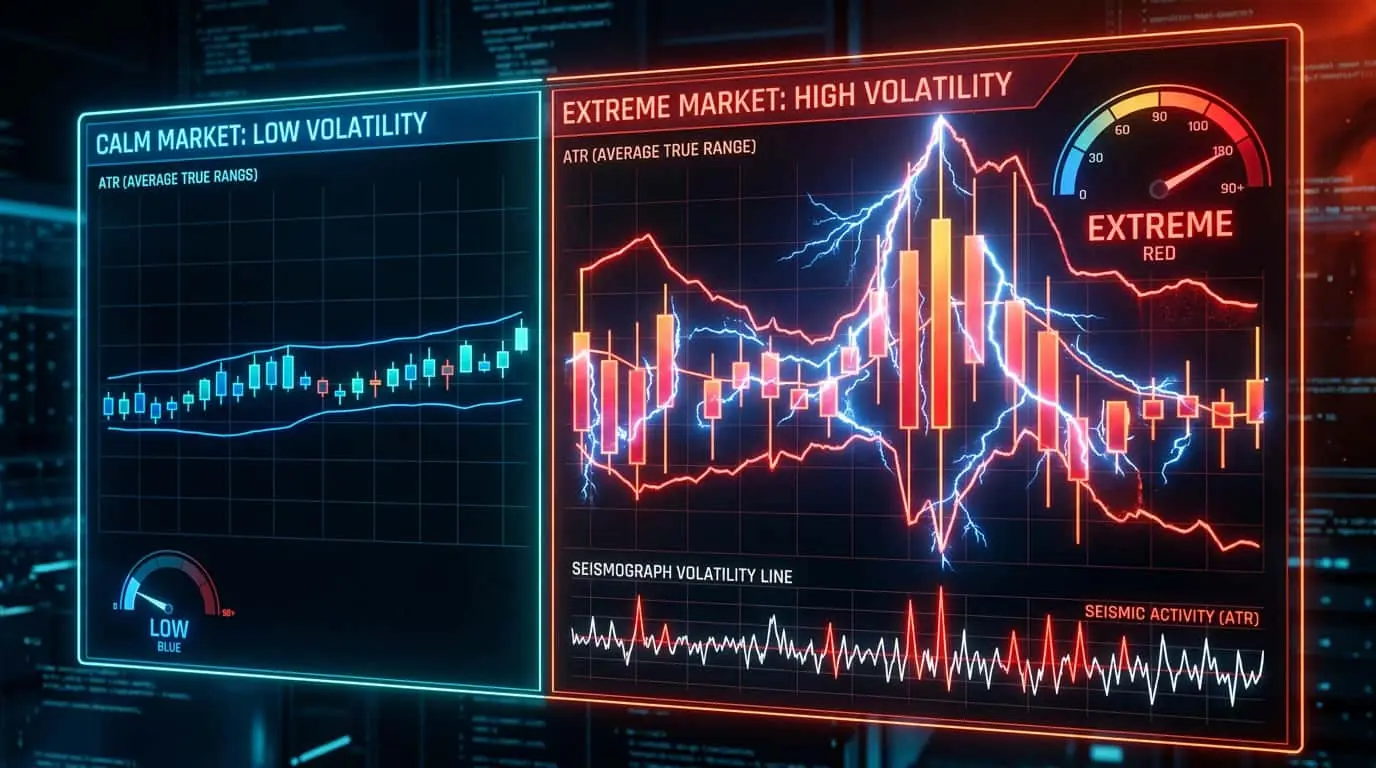
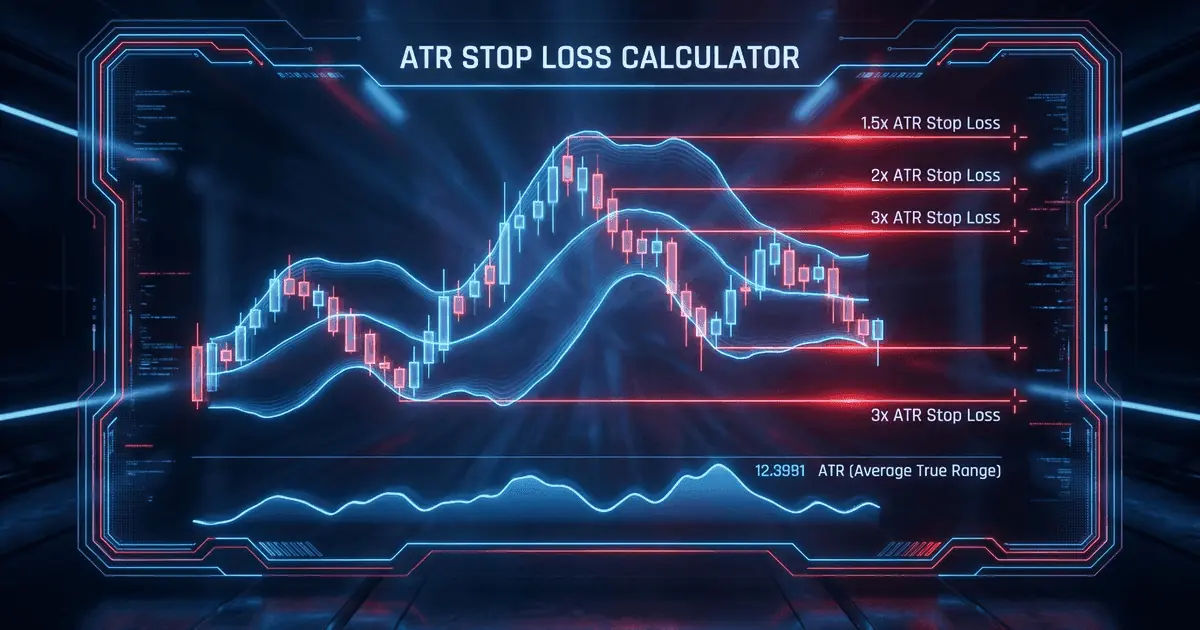
The ATR (Average True Range) method is one of the most effective stop loss techniques because it automatically adjusts to current market conditions. ATR measures the average range of price movement over a specified period (typically 14 bars). When volatility is high, ATR expands, and your stop is placed further away to avoid being stopped out by normal market noise. When volatility is low, ATR contracts, and your stop tightens to protect profits. The standard approach is to multiply the current ATR value by a factor (typically 1.5 to 3.0) and subtract this from your entry price for long trades or add it for short trades. A 2x ATR stop on a stock with a 14-period ATR of $1.50 would be placed $3.00 from the entry price. This method works across all markets and timeframes because ATR naturally scales with the instrument's volatility.
Stop Loss = Entry Price - (ATR x Multiplier) [for long trades]Entry Price — The price at which you enter the trade
ATR — Average True Range value (typically 14-period)
Multiplier — ATR multiplier, typically 1.5 to 3.0 (2.0 is most common)
Pro Tip
Use a 2x ATR stop on the daily timeframe as your starting point, then adjust based on market structure. If a key support level is at 1.8x ATR, place your stop just below support rather than exactly at 2x ATR.
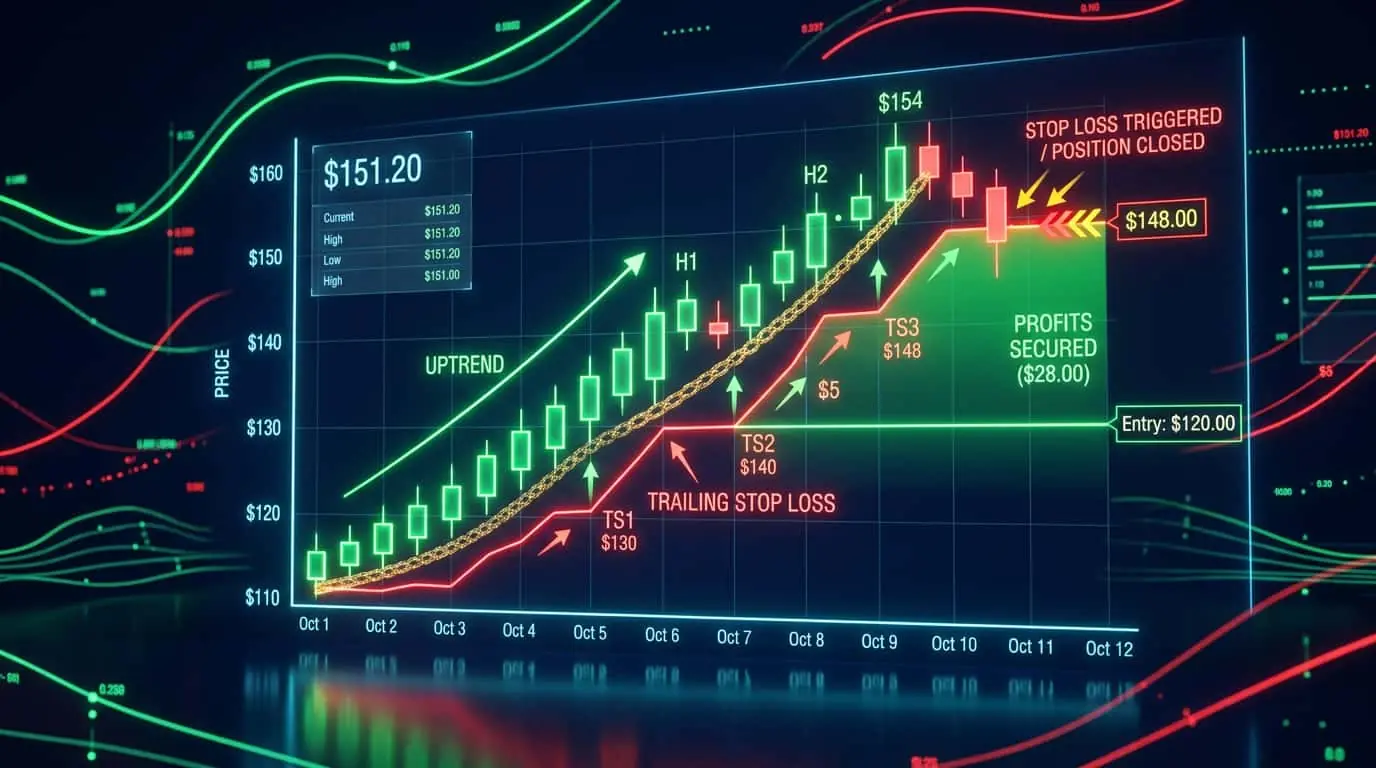
A trailing stop loss moves in the direction of a profitable trade, locking in gains while allowing the trade to continue running. Unlike a fixed stop loss that stays at the same price, a trailing stop adjusts as the price moves in your favor. There are several trailing mechanisms. A fixed-distance trail moves the stop a set number of points or pips behind the current price. An ATR trail uses the ATR value to determine the trailing distance, adapting to volatility. A chandelier exit trails from the highest high (for longs) minus an ATR multiple. A breakeven trail moves the stop to the entry price once the trade has moved a certain distance in your favor, eliminating risk on the trade. Many traders use a two-stage approach: first, move the stop to breakeven after the trade moves 1R in their favor, then switch to a trailing stop (e.g., ATR-based) to capture further gains while protecting profits.
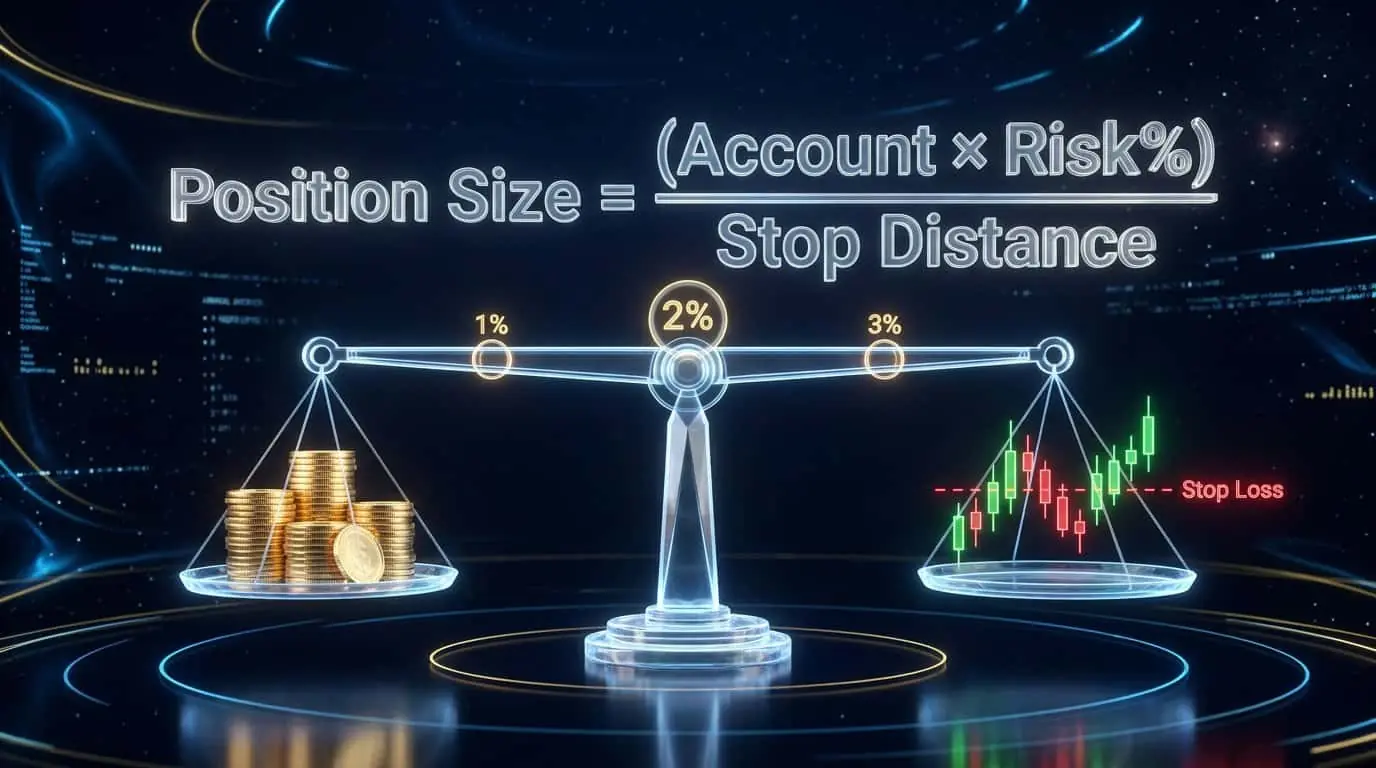
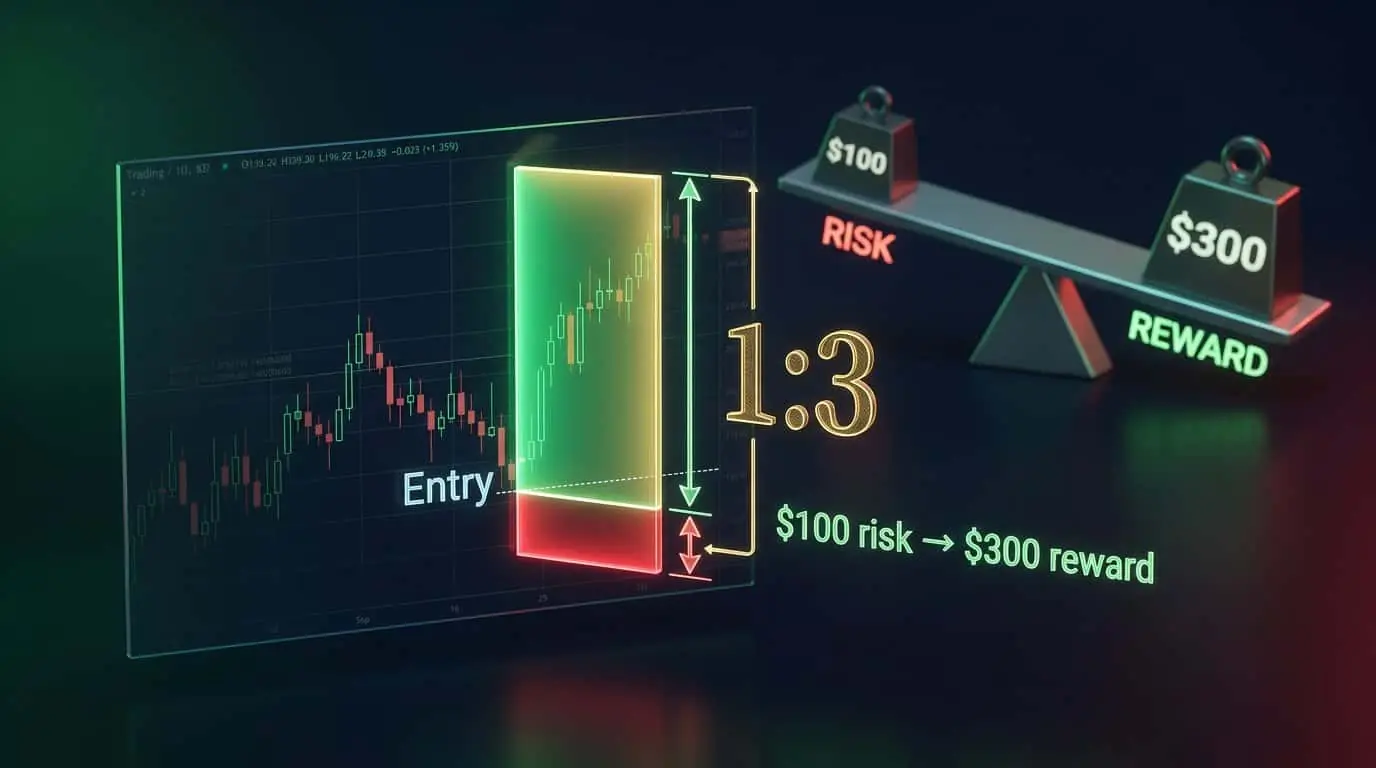
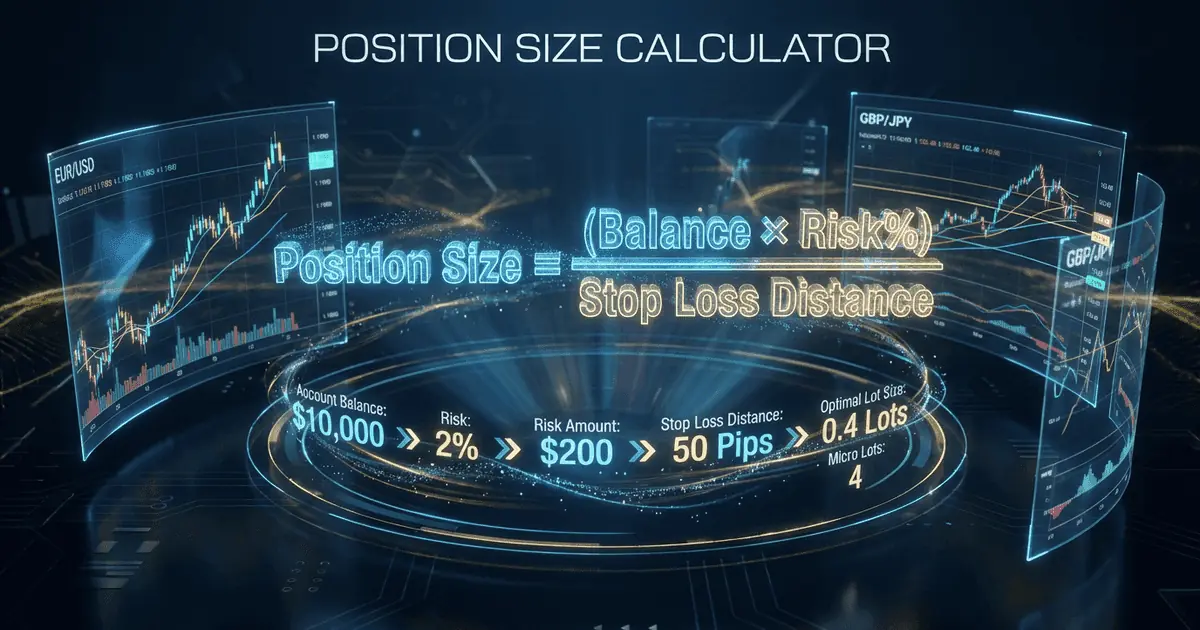
Stop losses and position sizing are inseparable components of risk management. The stop loss defines your risk per unit (per share, per contract, per lot), and position sizing determines how many units to trade so that the total risk equals your target percentage. Without a stop loss, you cannot calculate position size. Without proper position sizing, your stop loss does not fully protect you because an oversized position will still cause excessive losses. The workflow for every trade should be: identify the trade setup, determine the stop loss level based on market structure or ATR, calculate position size using the formula (Account x Risk%) / Stop Distance, set the take profit based on your target R:R, and only then enter the trade. This process ensures that every trade has a predefined risk before you commit capital. Deviating from this workflow by entering first and setting stops later is one of the most common and costly mistakes traders make.
Position Size = (Account x Risk%) / (Entry - Stop Loss)Account — Total account balance or equity
Risk% — Target risk per trade (typically 1-2%)
Entry — The trade entry price
Stop Loss — The stop loss price level
Mistake
Moving a stop loss further away to avoid being stopped out
Correction
Moving a stop further away increases your risk beyond what you planned. If the trade hits your original stop, accept the loss. The stop was placed at the level where your trade idea was invalidated.
Mistake
Placing stops at obvious round numbers
Correction
Place stops a few ticks or pips beyond key levels rather than exactly on them. Round numbers and obvious swing points attract stop hunting. Adding a small buffer (e.g., 2-5 pips beyond the level) reduces the chance of being stopped out by noise.
Mistake
Using mental stops instead of actual stop orders
Correction
Always place a physical stop loss order with your broker. Mental stops fail when emotions run high, internet connections drop, or prices move too fast. The only way to guarantee your risk is limited is to have the order in the market.