TL;DR
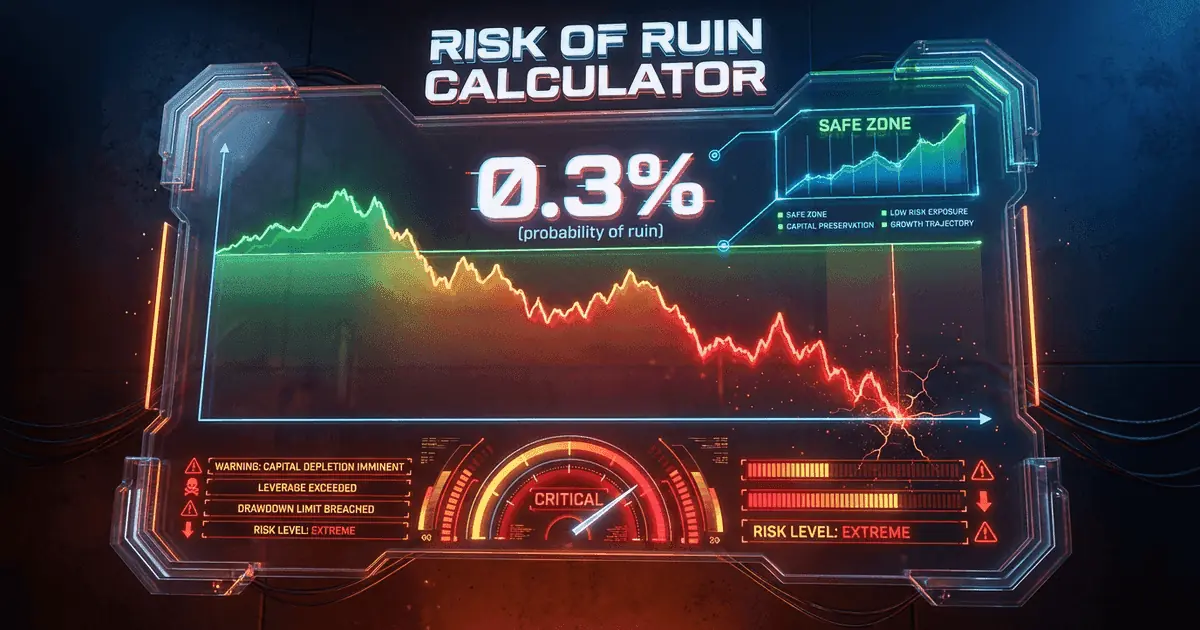
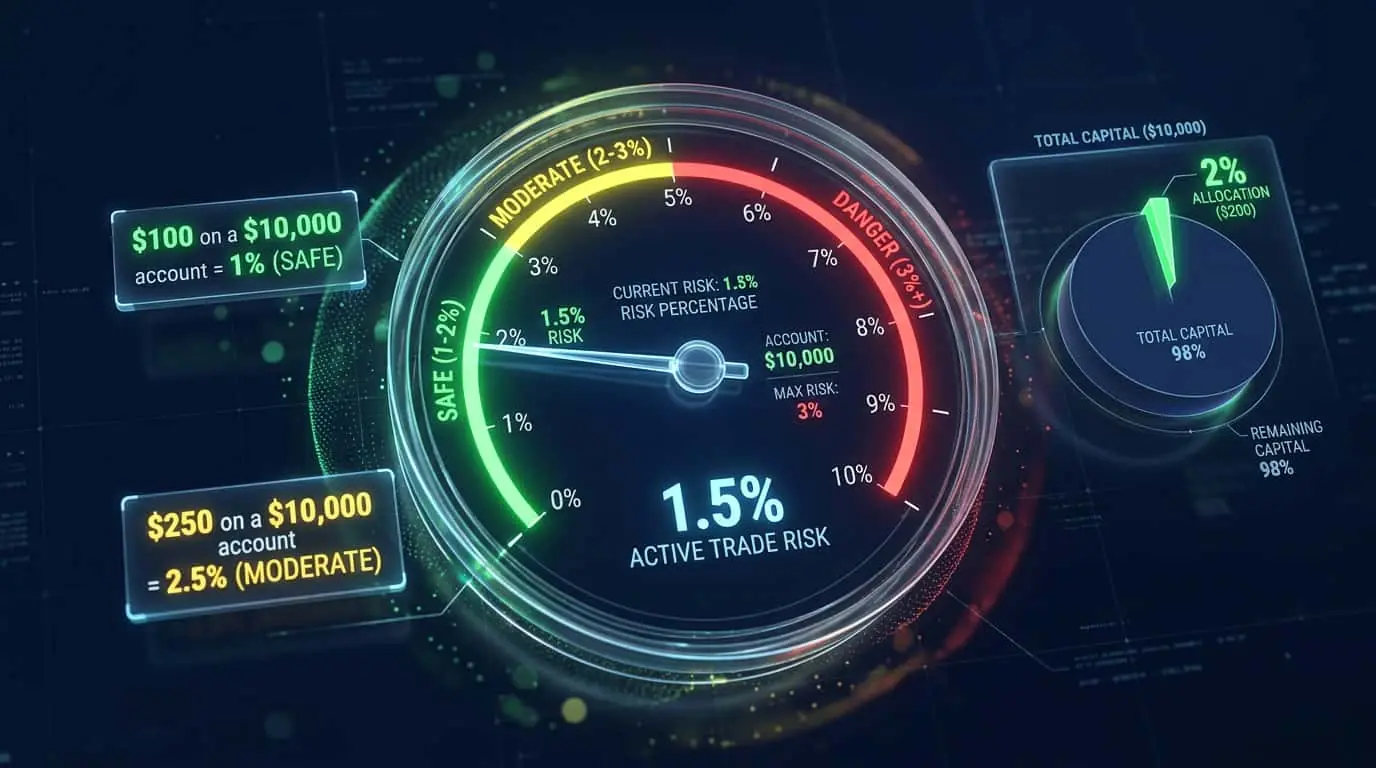
Risk per trade is the maximum amount of capital you are willing to lose on a single trade, expressed as a percentage of your account. The widely accepted standard is 1-2% per trade. This single parameter has the greatest impact on your long-term survival as a trader.
Risk per trade is the maximum amount of capital a trader is willing to lose on any single trade, typically expressed as a fixed percentage of the total account balance. It is the most fundamental parameter in a trading plan because it directly determines position size, drawdown depth, risk of ruin, and long-term survival. The widely accepted standard among professional traders is to risk between 1% and 2% of account equity per trade. This means on a $50,000 account, each trade risks between $500 (1%) and $1,000 (2%). When the stop loss is hit, the trader loses exactly this amount. Risk per trade should not be confused with the stop loss distance (which is measured in price units like pips or points) or with position size (the number of units traded). Risk per trade is the bridge that connects stop loss distance to position size through the position sizing formula.
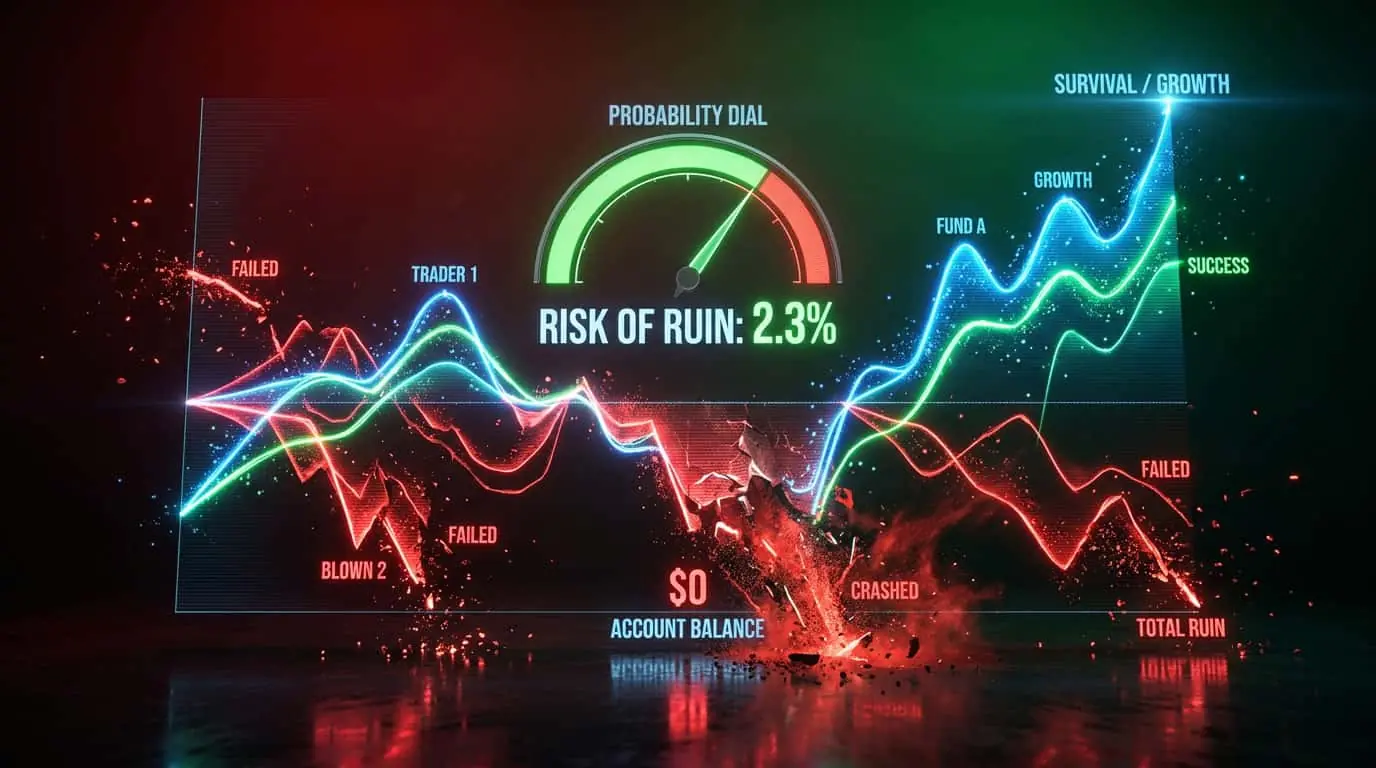
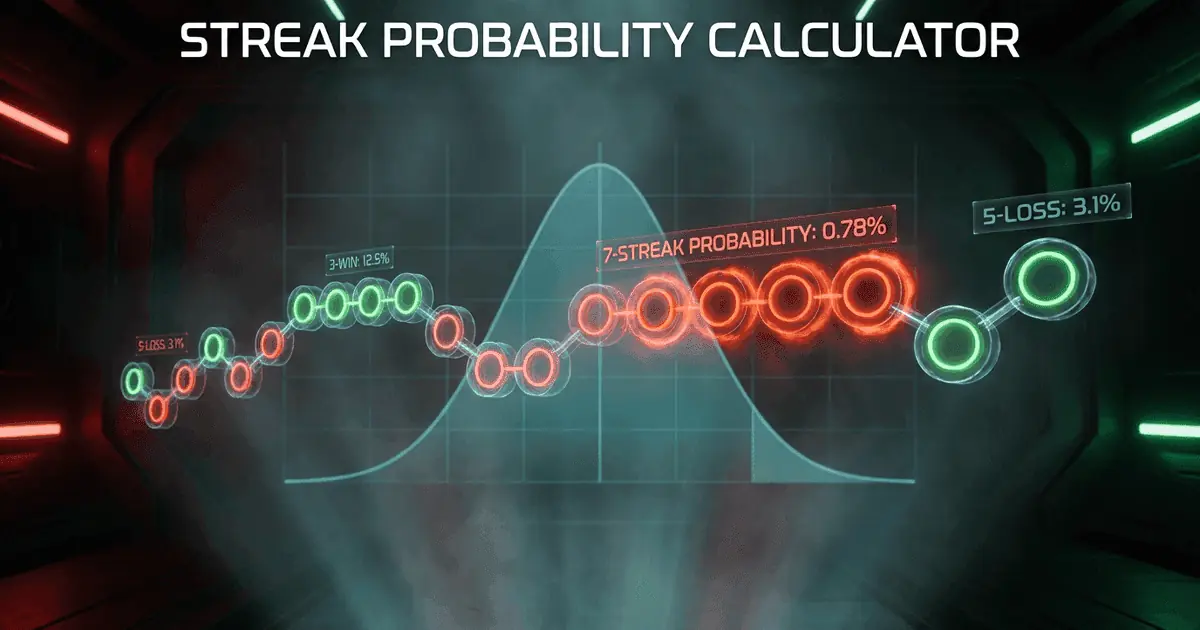
The 1% rule and 2% rule are the two most widely recommended risk per trade guidelines in trading education and professional practice. The 1% rule states that no single trade should risk more than 1% of your account balance. It is recommended for beginners, traders with smaller accounts, traders in prop firm evaluations, and strategies with lower win rates. The 2% rule allows risking up to 2% per trade and is used by experienced traders with proven strategies and larger accounts. The difference between 1% and 2% may seem small, but over time it has significant implications. At 1% risk, a 10-trade losing streak costs approximately 9.6% of the account. At 2%, the same streak costs approximately 18.3%. For a strategy with a 50% win rate, a 10-trade losing streak has about a 0.1% chance of occurring on any given set of 10 trades, but over 1,000 trades, it is almost guaranteed to happen at least once.
| Risk Level | Account: $10K | Account: $25K | Account: $50K | Account: $100K |
|---|---|---|---|---|
| 0.5% | $50 | $125 | $250 | $500 |
| 1% | $100 | $250 | $500 | $1,000 |
| 2% | $200 | $500 | $1,000 | $2,000 |
| 3% | $300 | $750 | $1,500 | $3,000 |
| 5% | $500 | $1,250 | $2,500 | $5,000 |
Pro Tip
If you are unsure whether to use 1% or 2%, start with 1%. You can always increase later after proving your edge over 100+ trades. You cannot recover from ruin caused by over-sizing.
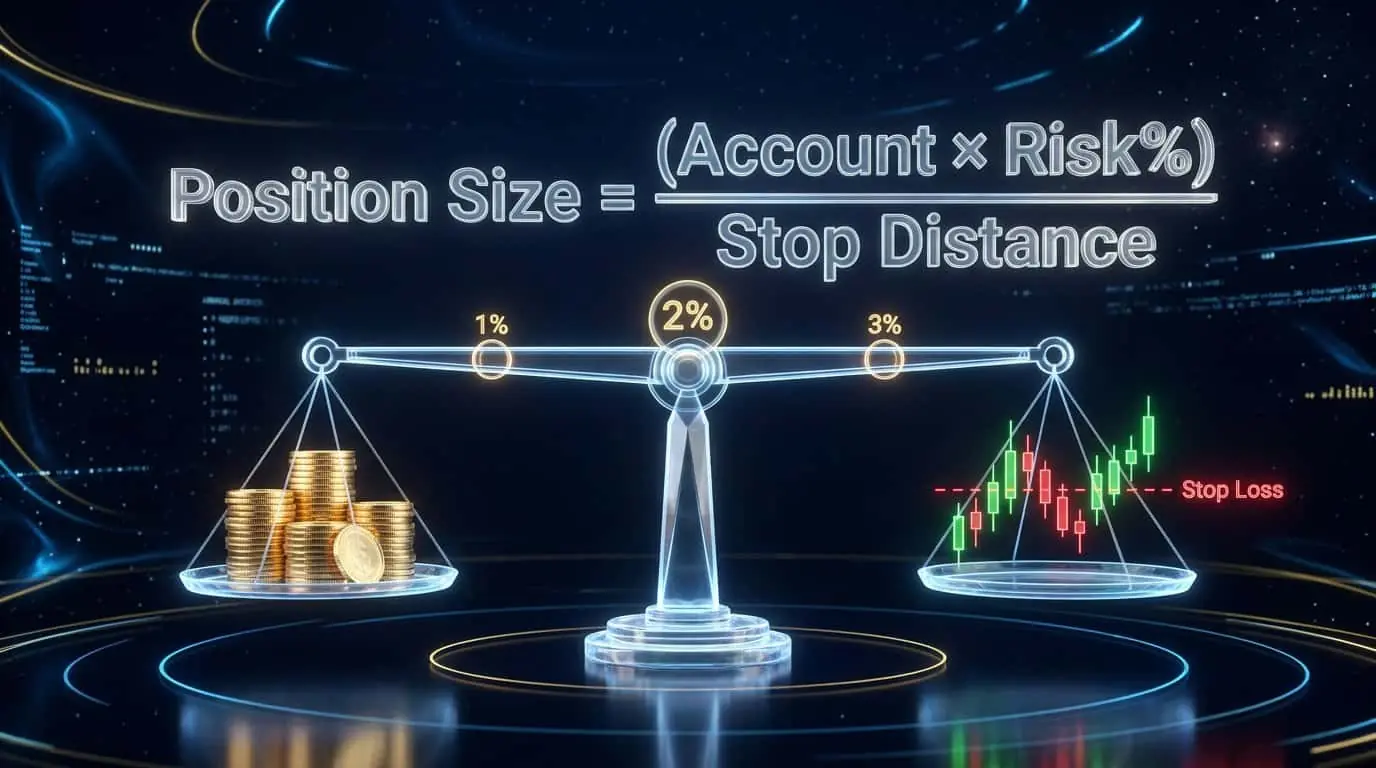
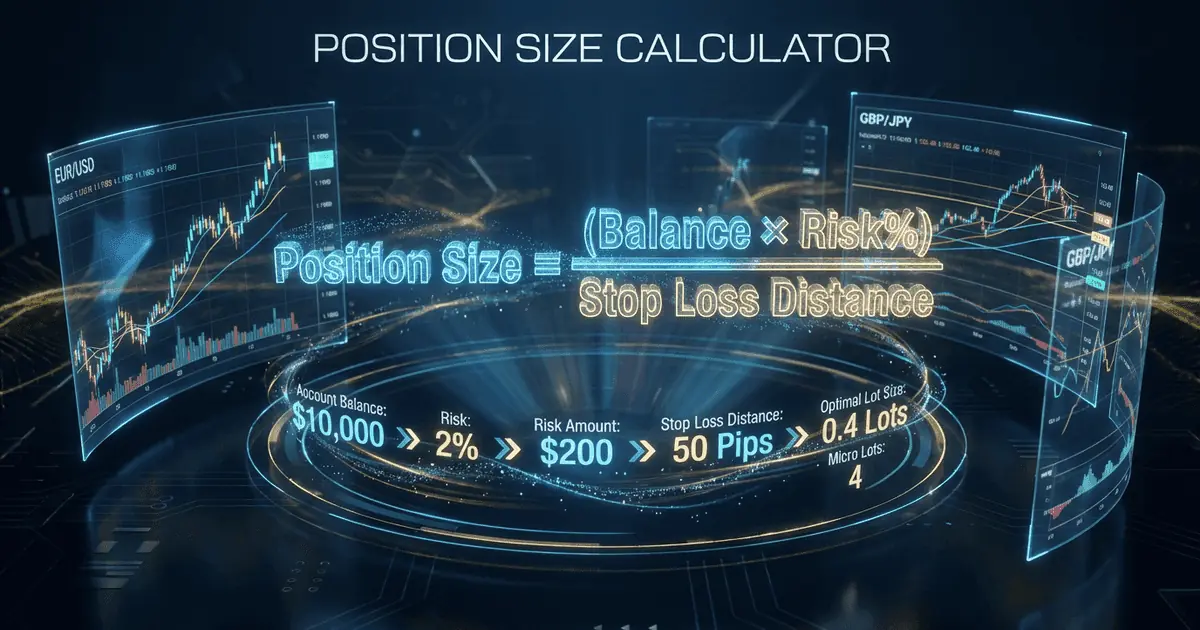
Risk per trade is the input that makes position sizing work. Without a defined risk per trade, you cannot calculate position size. The relationship is straightforward: your risk per trade (in dollars) divided by the risk per unit (stop loss distance in dollars per share/contract/lot) equals your position size. For example, a trader with a $30,000 account risking 2% ($600) sees a trade setup with a stop loss 15 points away on the E-mini Nasdaq (NQ). Each NQ point is worth $20 per contract, so the risk per contract is 15 x $20 = $300. Position size = $600 / $300 = 2 contracts. If the stop loss were 30 points away instead, the risk per contract would be $600, and the position size would be 1 contract. The risk per trade stays constant at $600 regardless of the stop loss distance. This automatic adjustment is the key benefit of the system.
Position Size = (Account x Risk%) / (Stop Distance x Dollar per Point)Account — Total account balance
Risk% — Risk per trade as a decimal (e.g., 0.02 for 2%)
Stop Distance — Distance from entry to stop loss in points/pips
Dollar per Point — The dollar value of one point/pip for the instrument
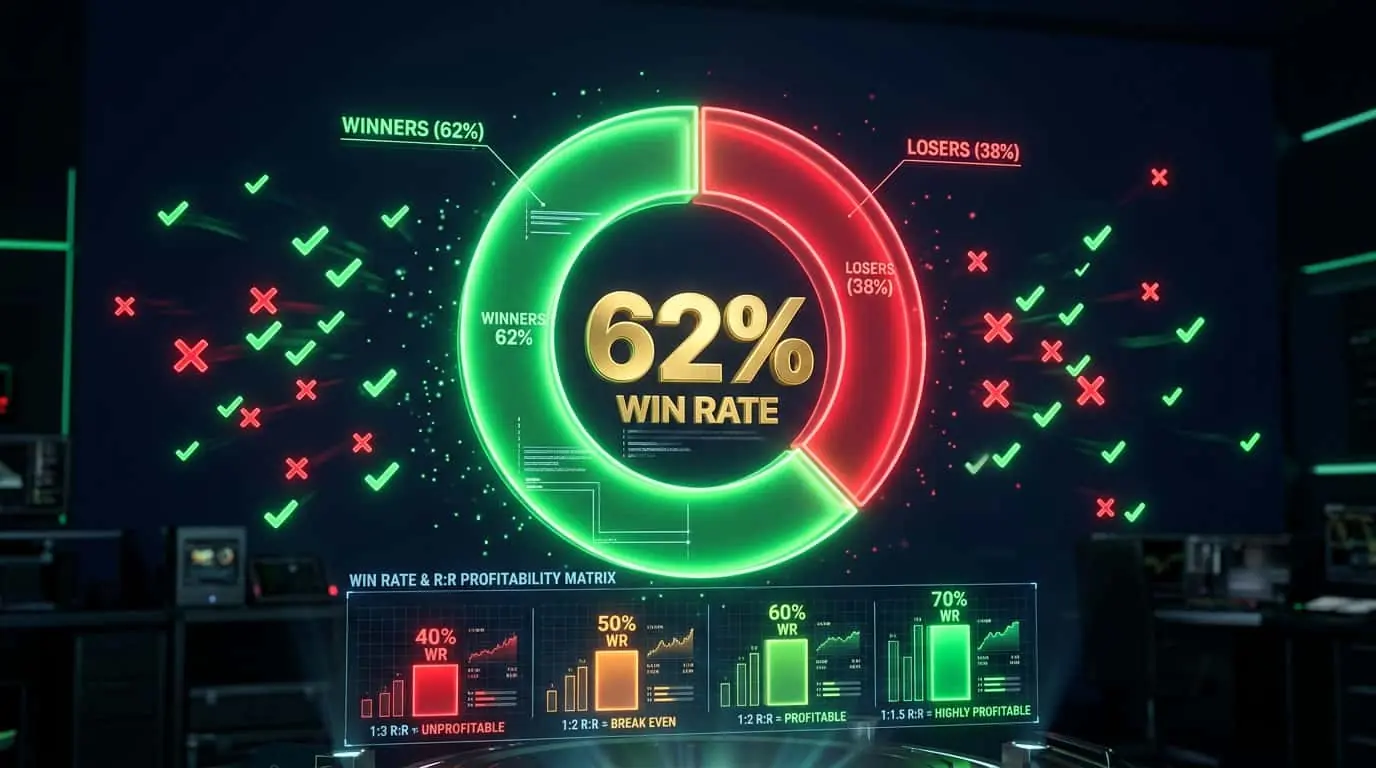
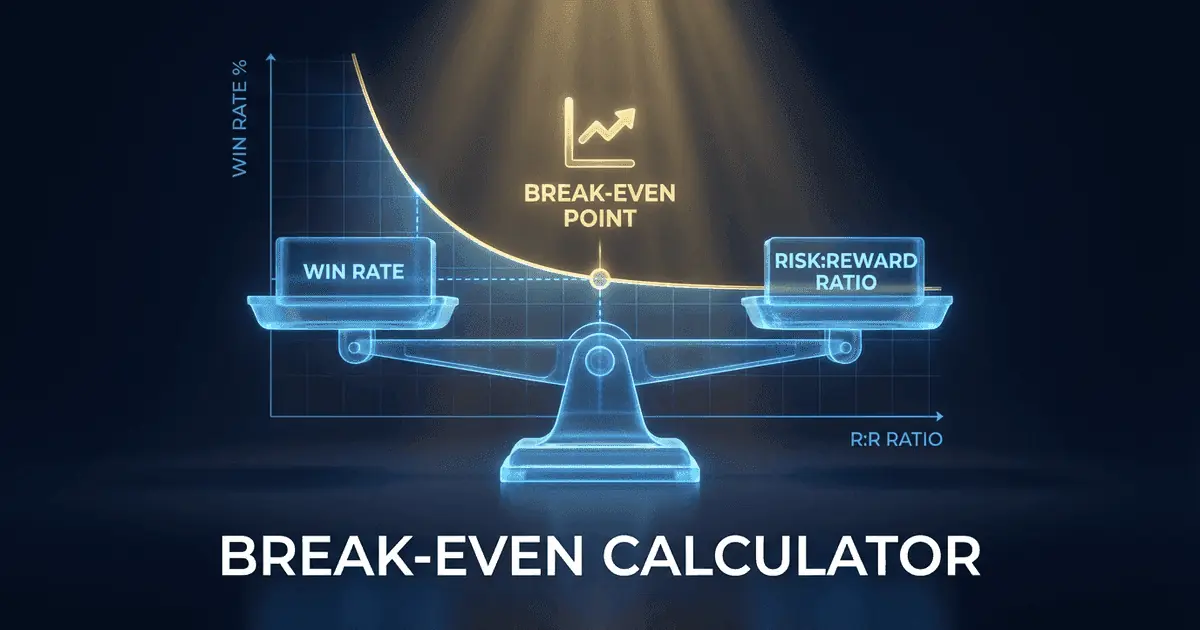
The right risk percentage depends on several factors: your strategy's win rate and R:R, your account size, your psychological tolerance for drawdowns, and any external constraints (like prop firm rules). Strategies with higher win rates (60%+) can tolerate slightly higher risk per trade because losing streaks are shorter. Strategies with lower win rates (30-40%) require lower risk because long losing streaks are more frequent. Smaller accounts may need to risk slightly more (up to 3%) if the minimum position size at 1% is too small to trade. Larger accounts can afford to risk less (0.5-1%) because the dollar amounts are sufficient for proper diversification. The Kelly Criterion provides a mathematical framework for determining optimal risk based on your edge, but most traders should use a fraction of the Kelly amount (quarter to half Kelly) and cap at 2% maximum regardless of what Kelly suggests.
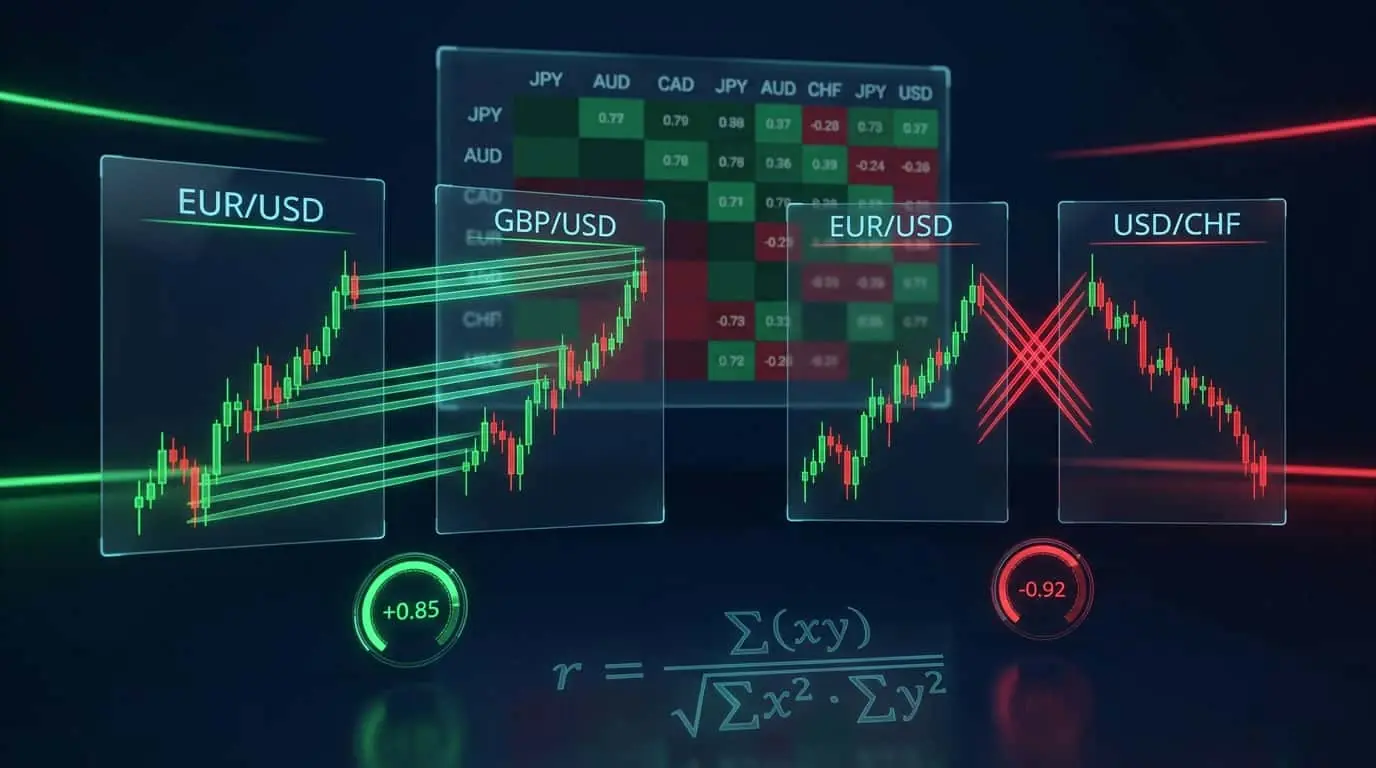
While risk per trade controls individual trade risk, total portfolio risk (or heat) controls the aggregate risk of all open positions at any given time. A trader risking 2% per trade who has 5 open positions simultaneously is risking up to 10% of their account if all positions are stopped out at the same time. If those positions are correlated (e.g., all in the same sector or currency), the probability of simultaneous stop-outs is significant. Professional traders typically limit their total portfolio risk to 6-10% at any given time. This means with 2% risk per trade, they hold a maximum of 3-5 open positions. If positions are highly correlated, the limit may be even lower. Some traders reduce individual trade risk when holding multiple positions: for example, risking 1% per trade when holding 5 positions instead of the usual 2% to keep total risk at 5%. The key principle is that total portfolio risk must be managed independently of individual trade risk.
| Number of Open Trades | Risk per Trade | Maximum Portfolio Risk | Recommendation |
|---|---|---|---|
| 1-2 | 2% | 2-4% | Standard risk, comfortable |
| 3-4 | 1.5% | 4.5-6% | Moderate, manageable |
| 5-6 | 1% | 5-6% | Requires correlation awareness |
| 7-10 | 0.5-1% | 5-10% | Only with uncorrelated positions |
Pro Tip
Before opening a new position, calculate your total portfolio risk by summing the risk of all open positions. If adding the new position would push total risk above 6-8%, either skip the trade or reduce the size of an existing position.
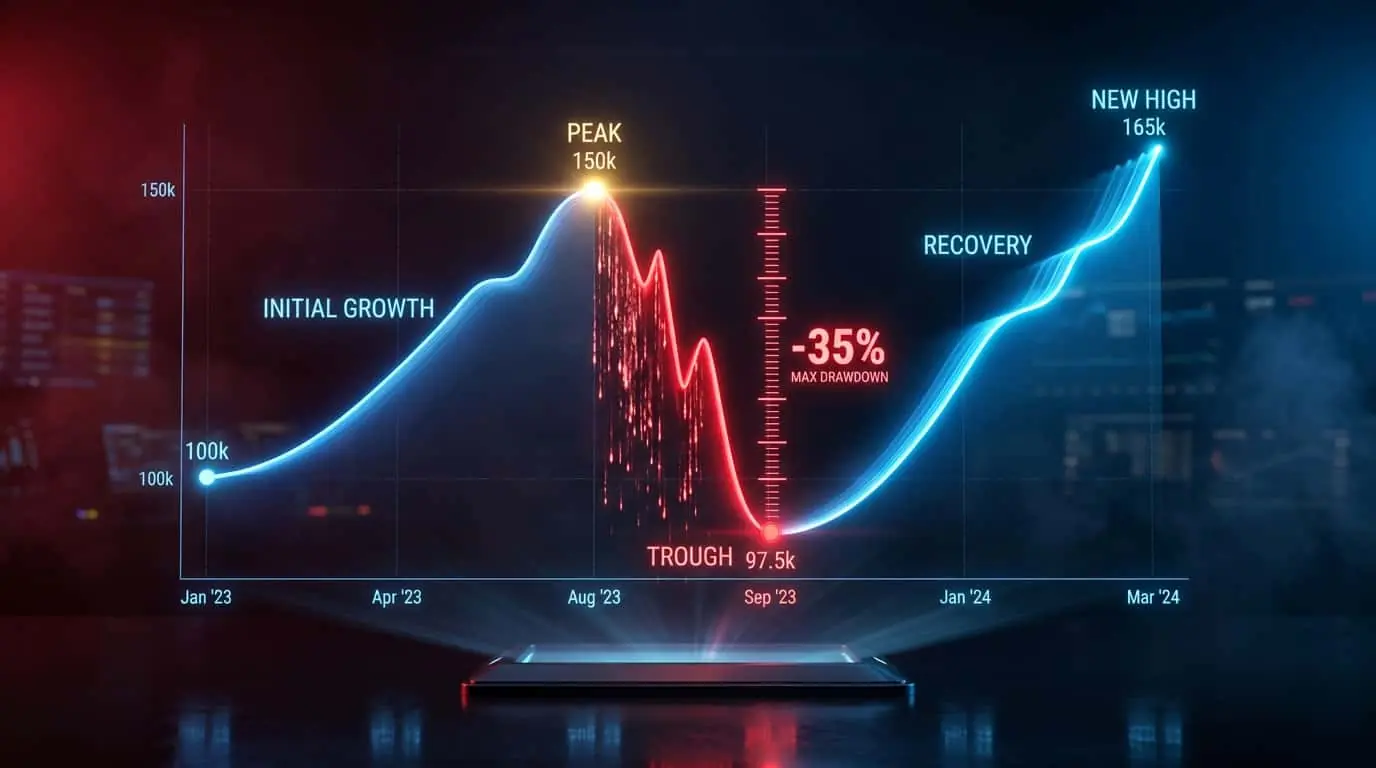
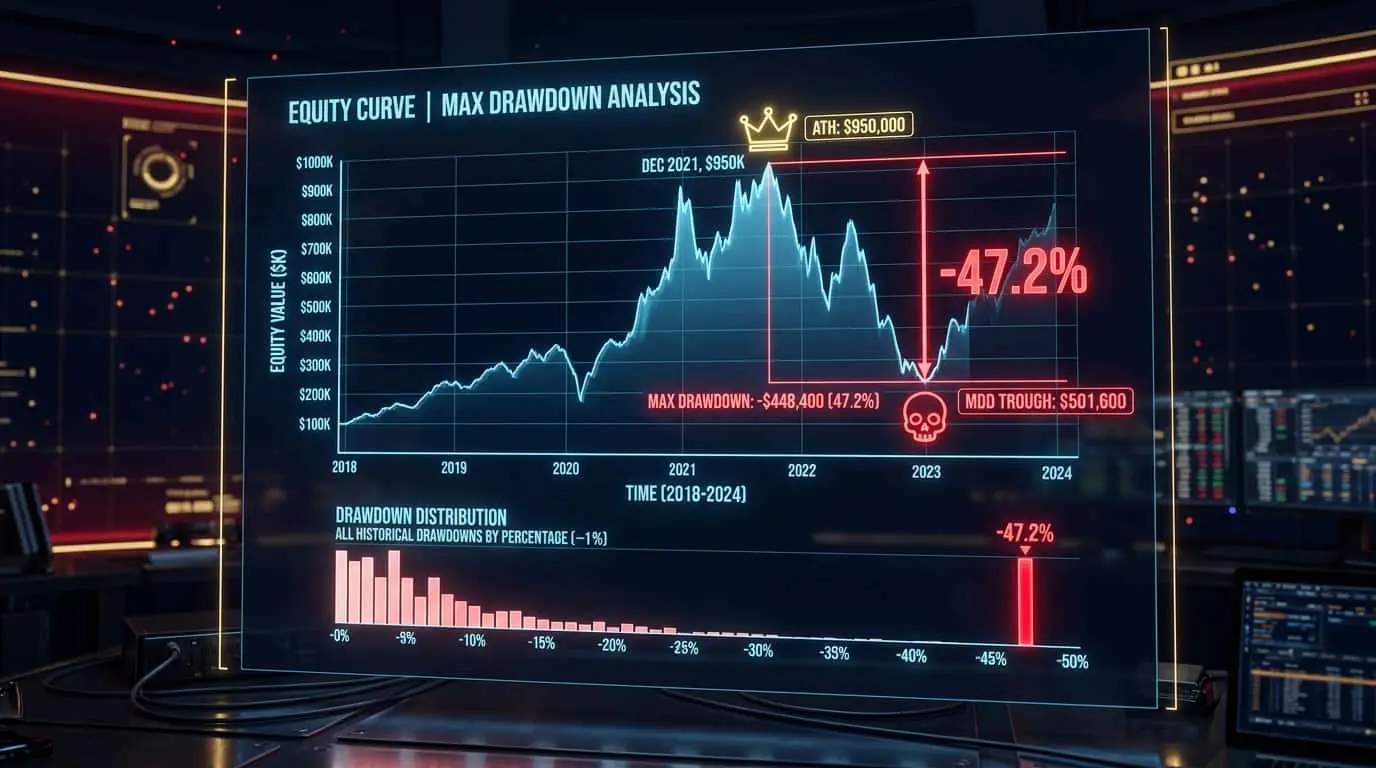
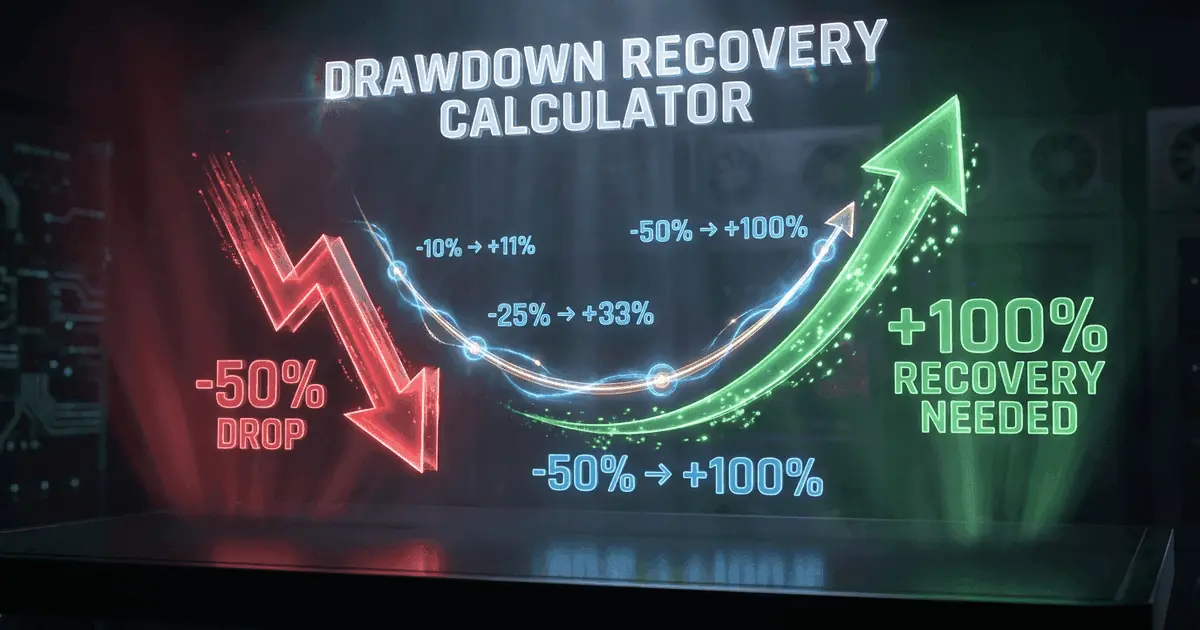
Your risk per trade should not remain static forever. As your account grows, the fixed fractional method automatically increases your dollar risk (2% of $100,000 is more than 2% of $50,000), so you do not need to manually increase the percentage. However, there are legitimate reasons to adjust the percentage itself. If you are in a drawdown exceeding 15%, reducing risk to 1% (or even 0.5%) slows the bleeding and gives your strategy time to recover. If you have proven your edge over 200+ trades with strong metrics, you might increase from 1% to 1.5% or 2%. If you are entering a prop firm evaluation, you might reduce to 0.5-1% to protect against the strict drawdown limits. The key rule is that adjustments should be systematic and planned in advance, not emotional reactions to individual wins or losses. Write your risk adjustment rules in your trading plan before you need them.
Mistake
Risking a fixed dollar amount instead of a fixed percentage
Correction
A fixed dollar amount ($100 per trade) means you risk a decreasing percentage as your account grows and an increasing percentage as it shrinks. Use a fixed percentage (e.g., 2%) so that dollar risk automatically scales with account size.
Mistake
Not accounting for total portfolio risk when holding multiple positions
Correction
Risk per trade only controls individual trade risk. If you have 5 open positions at 2% risk each, your total portfolio risk is up to 10%. Monitor total exposure and reduce individual position sizes when holding multiple correlated trades.
Mistake
Increasing risk after a losing streak to recover faster
Correction
Increasing risk during a drawdown accelerates losses if the streak continues. Instead, reduce risk (e.g., from 2% to 1%) during drawdowns to slow deterioration, and let the strategy recover naturally.