TL;DR
A trading plan is a comprehensive written document that defines your trading strategy, risk management rules, entry and exit criteria, position sizing methodology, and daily routines. It transforms trading from impulsive decision-making into a repeatable, measurable business process.
A trading plan is a complete, written set of rules and guidelines that governs every aspect of your trading activity. It defines what you trade, when you trade, how you enter and exit positions, how much you risk per trade, and what you do when things go wrong. Think of it as the business plan for your trading operation -- no successful business operates without a plan, and trading is no exception. The trading plan serves three critical functions. First, it provides a decision-making framework that works in advance, when you are calm and rational, so that you do not have to make high-stakes decisions in real-time when emotions are running high. Second, it creates accountability and measurability: you can objectively evaluate whether you followed your plan, independent of whether individual trades made or lost money. Third, it enables systematic improvement, because you can isolate variables and test changes methodically rather than changing everything at once in response to a losing streak. Research consistently shows that traders with written trading plans significantly outperform those without. A study published in the Journal of Behavioral Finance found that the act of writing down trading rules and reviewing them regularly improved adherence by over 40% compared to traders who held their rules only in memory. This is consistent with broader psychological research on implementation intentions -- specific if-then plans dramatically increase follow-through on any goal.
A complete trading plan covers every decision point a trader faces, leaving as little as possible to real-time improvisation. While the specific content varies by trading style, strategy, and market, every plan should address the following core areas. Markets and instruments define your universe of tradeable assets. A futures trader might specify ES, NQ, and CL. Narrowing your focus prevents the impulsive switching to 'hot' markets that characterizes undisciplined trading. Session hours define when you trade. 'I trade ES from 9:30 AM to 11:30 AM EST and NQ from 9:30 AM to 12:00 PM EST' is specific and enforceable. 'I trade during the US session' is vague and opens the door to overtrading. Setup criteria define exactly what constitutes a valid trade entry. This should be specific enough that another trader could read your plan and identify the same setups. Entry rules specify how you enter: market order, limit order, stop order, and at what specific price relative to the setup. Risk management rules define your per-trade risk, daily loss limit, weekly loss limit, and maximum drawdown threshold. Exit rules define your stop-loss placement, take-profit targets, and any trailing stop methodology. Each of these components should be detailed enough that following them is mechanical rather than discretionary.
| Plan Component | Example | Why It Matters |
|---|---|---|
| Markets | ES, NQ futures only | Prevents impulsive instrument switching |
| Session Hours | 9:30 AM - 11:30 AM EST | Prevents overtrading and fatigue-driven errors |
| Setup Criteria | Pullback to 20 EMA in established trend with volume confirmation | Ensures every trade has a defined edge |
| Entry Rules | Limit order at 20 EMA, cancel if not filled within 5 bars | Eliminates chasing and impulsive entries |
| Risk Per Trade | 1% of account equity, max $500 | Prevents catastrophic single-trade losses |
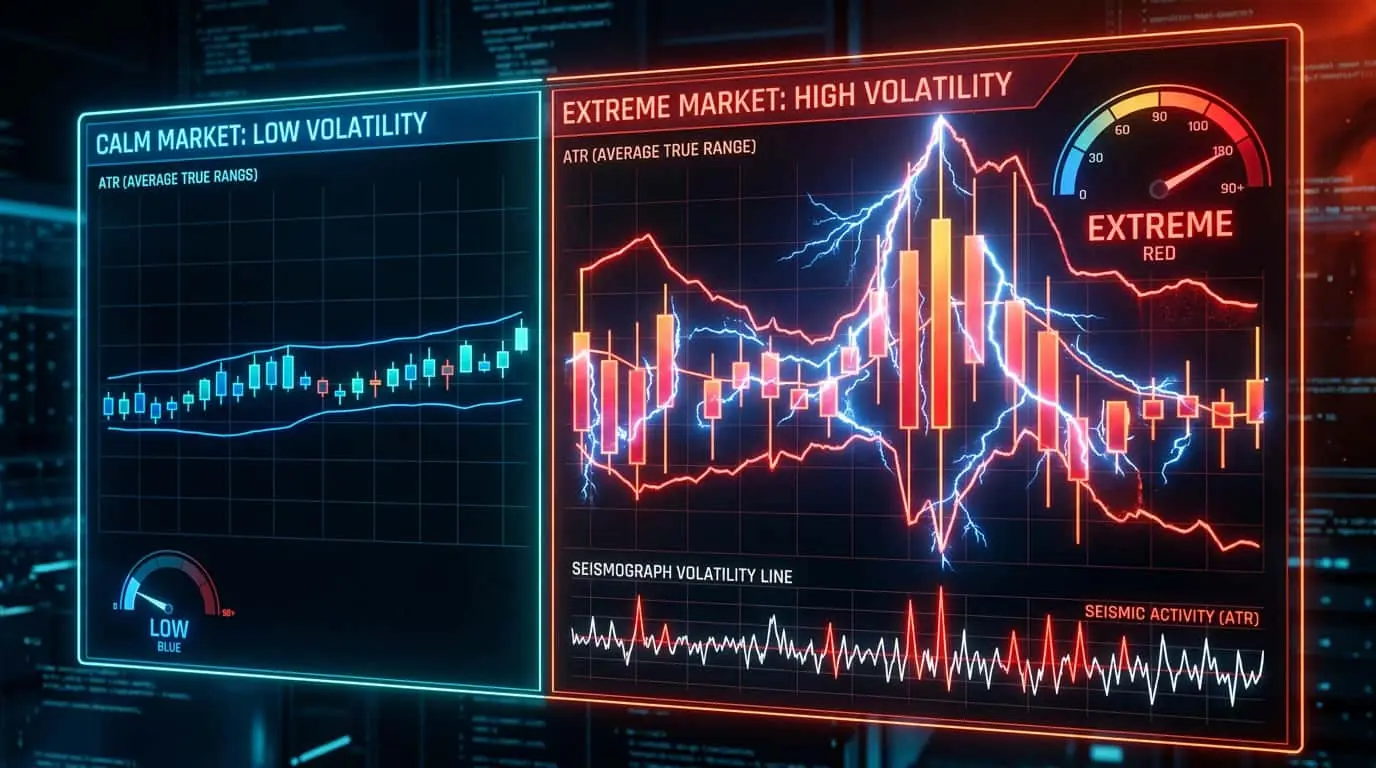
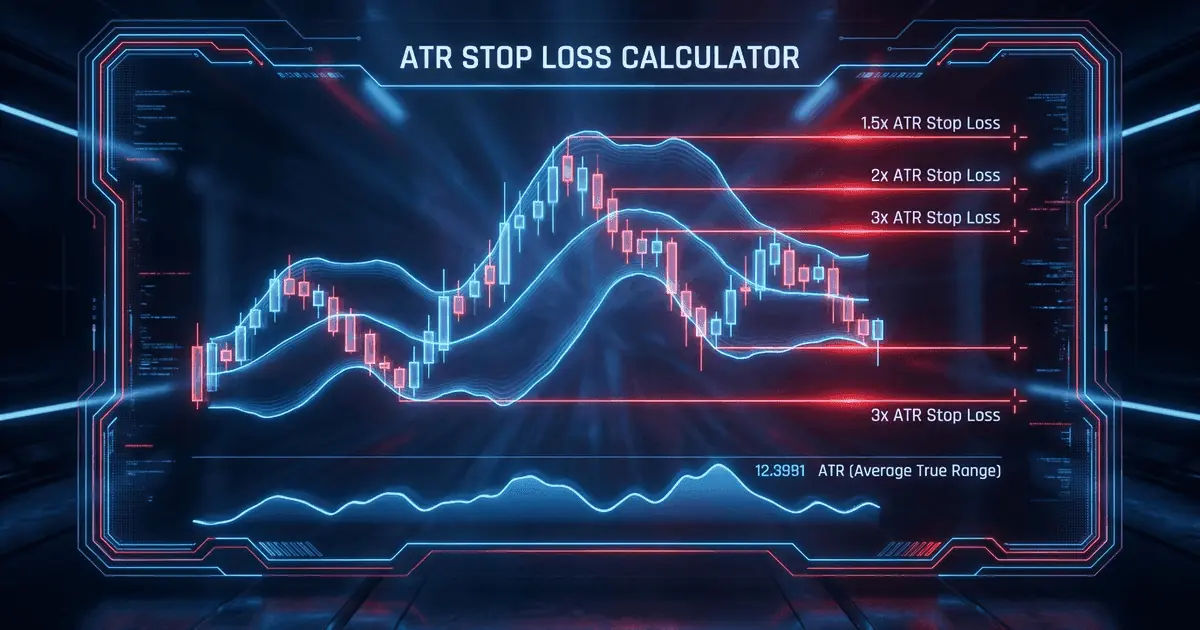
| Stop Loss | Below the pullback low, minimum 2 ATR from entry | Defines exact exit point before entry |
| Profit Target | 2:1 reward-to-risk minimum, trail at 1:1 | Ensures positive expectancy on winning trades |
| Daily Loss Limit | 3x per-trade risk ($1,500) | Prevents revenge trading spirals |
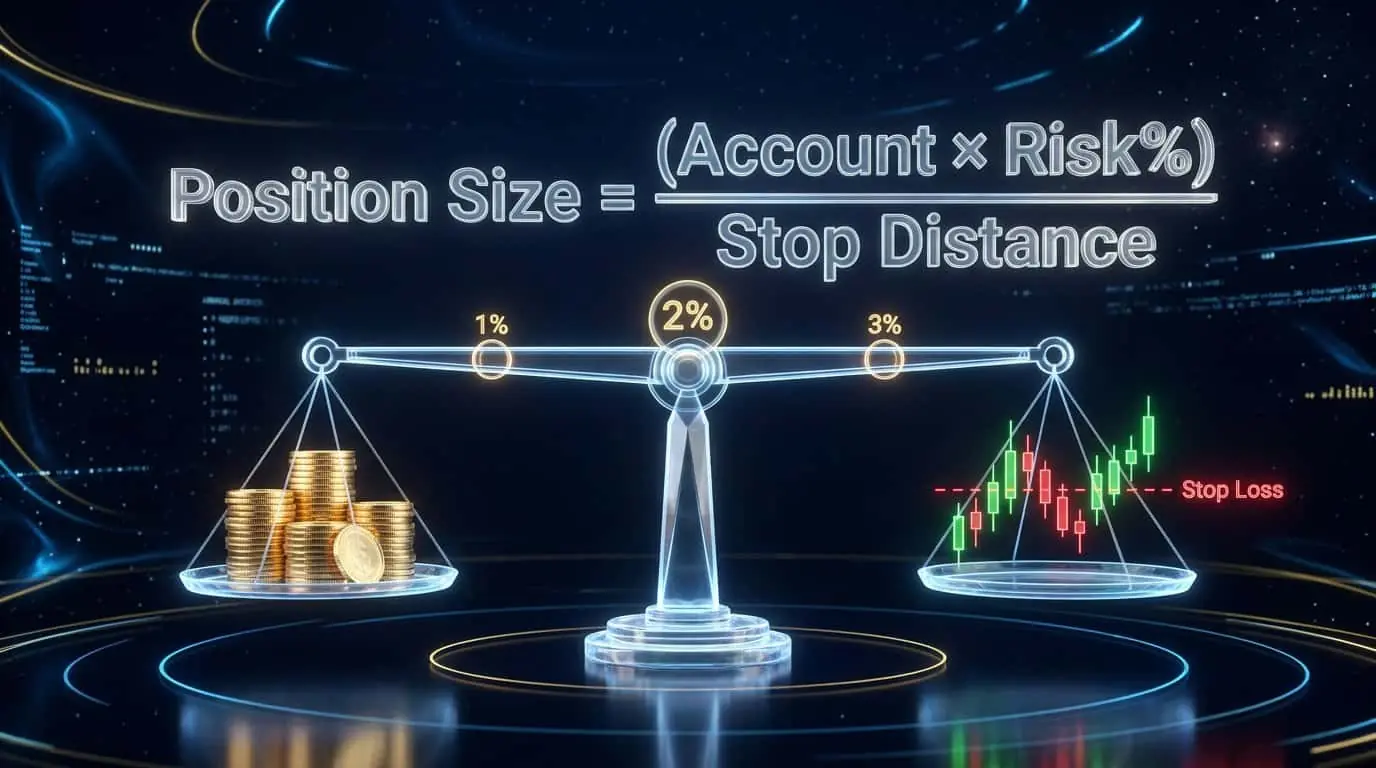
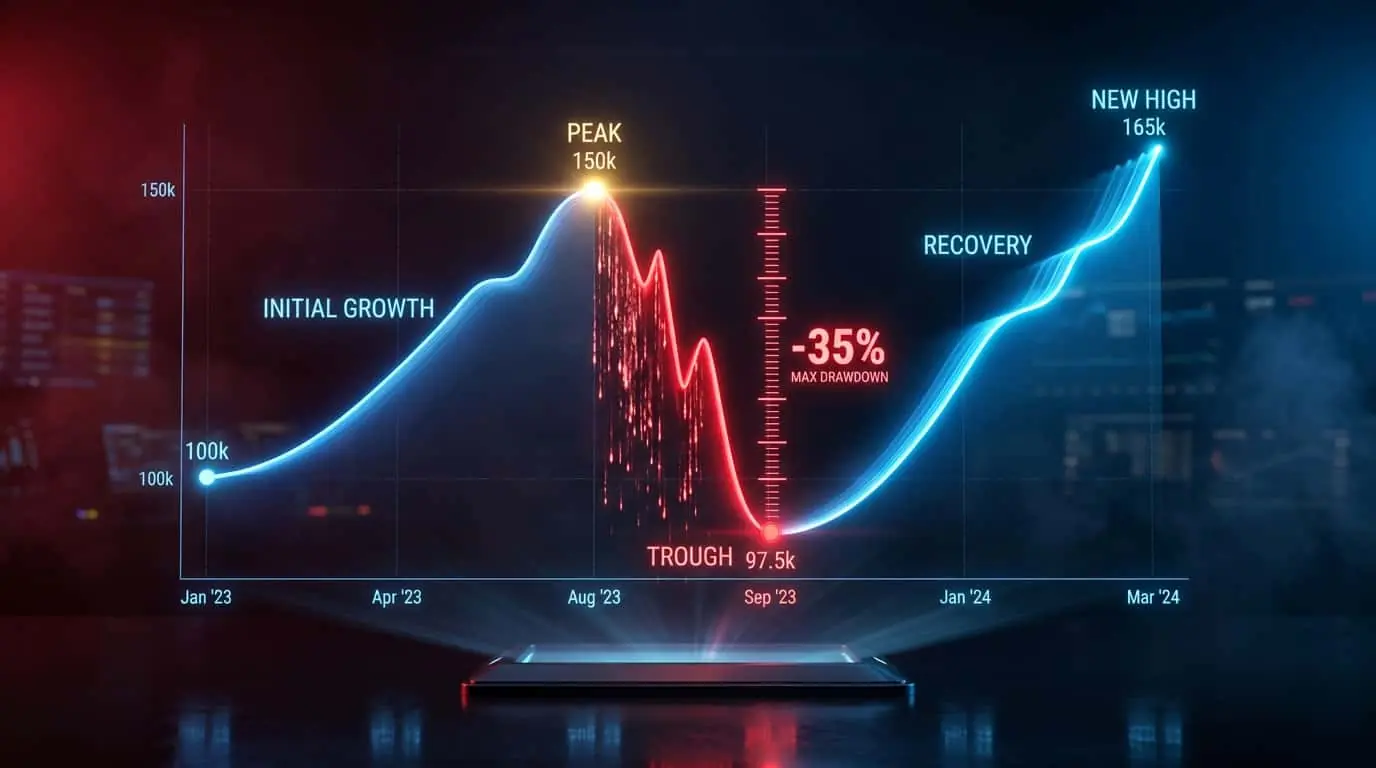
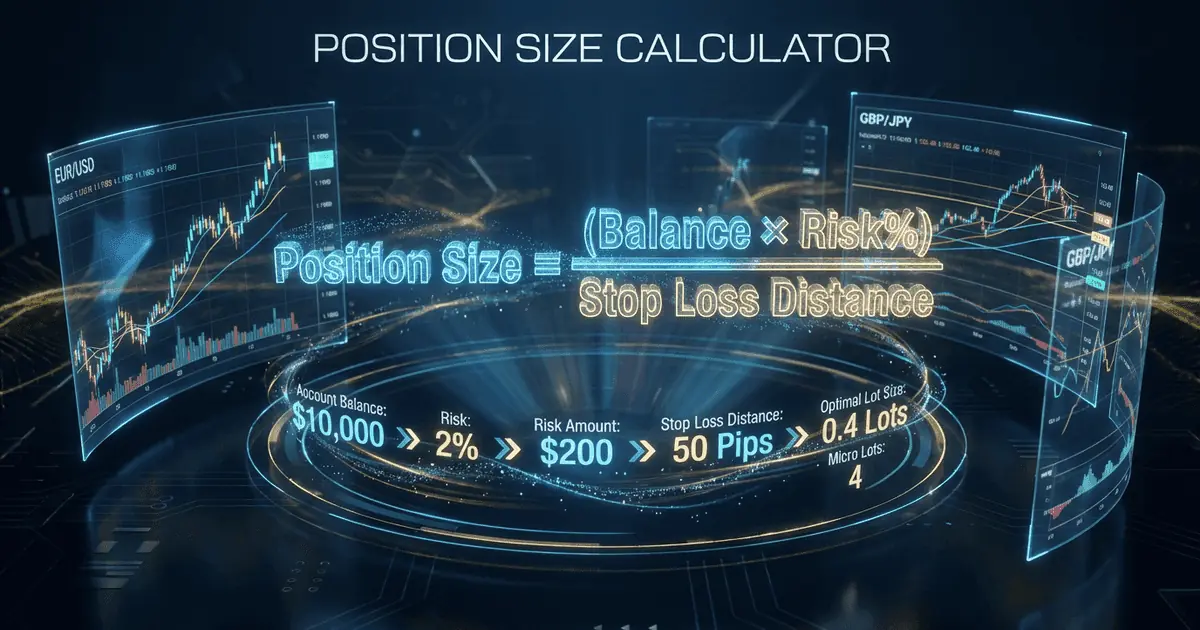
The risk management section is the most important part of your trading plan because it determines whether your account survives long enough to realize your strategy's edge. Without proper risk management, even a strategy with a 70% win rate can blow up an account through a few oversized losses. Your plan should specify a fixed risk per trade, typically expressed as a percentage of account equity. The industry standard for retail traders is 1-2% of account equity per trade. This means on a $50,000 account, you risk $500-$1,000 per trade. This risk limit is non-negotiable -- it applies to every trade regardless of how 'certain' you feel about a setup. Position sizing flows directly from your risk per trade. If you risk 1% ($500) and your stop loss is 10 points on the ES (each point = $50), your position size is $500 / (10 x $50) = 1 contract. The plan should specify this calculation explicitly, not leave position sizing to intuition. Daily loss limits prevent catastrophic single-session drawdowns. A common rule is 2-3x your per-trade risk. If you risk $500 per trade, your daily loss limit is $1,000-$1,500. When this limit is hit, you stop trading for the day -- no exceptions. Weekly and monthly loss limits provide additional safety layers. A weekly limit of 5% of account equity and a monthly limit of 10% ensure that extended losing periods do not compound into account-threatening drawdowns. Your plan should also specify what happens when you reach your maximum drawdown threshold -- typically a mandatory break of 1-2 weeks to review your strategy and reset psychologically.
Position Size = Risk Per Trade / (Stop Distance x Point Value)Risk Per Trade — Dollar amount at risk, typically 1-2% of account equity
Stop Distance — Distance from entry to stop loss in points/ticks
Point Value — Dollar value per point of price movement (e.g., $50 for ES, $20 for NQ)
Pro Tip
Never risk more than 1% on a single trade during your first year of live trading. The lower risk gives you more trades to learn from before you run out of capital. You can always increase risk later once you have proven consistent profitability.
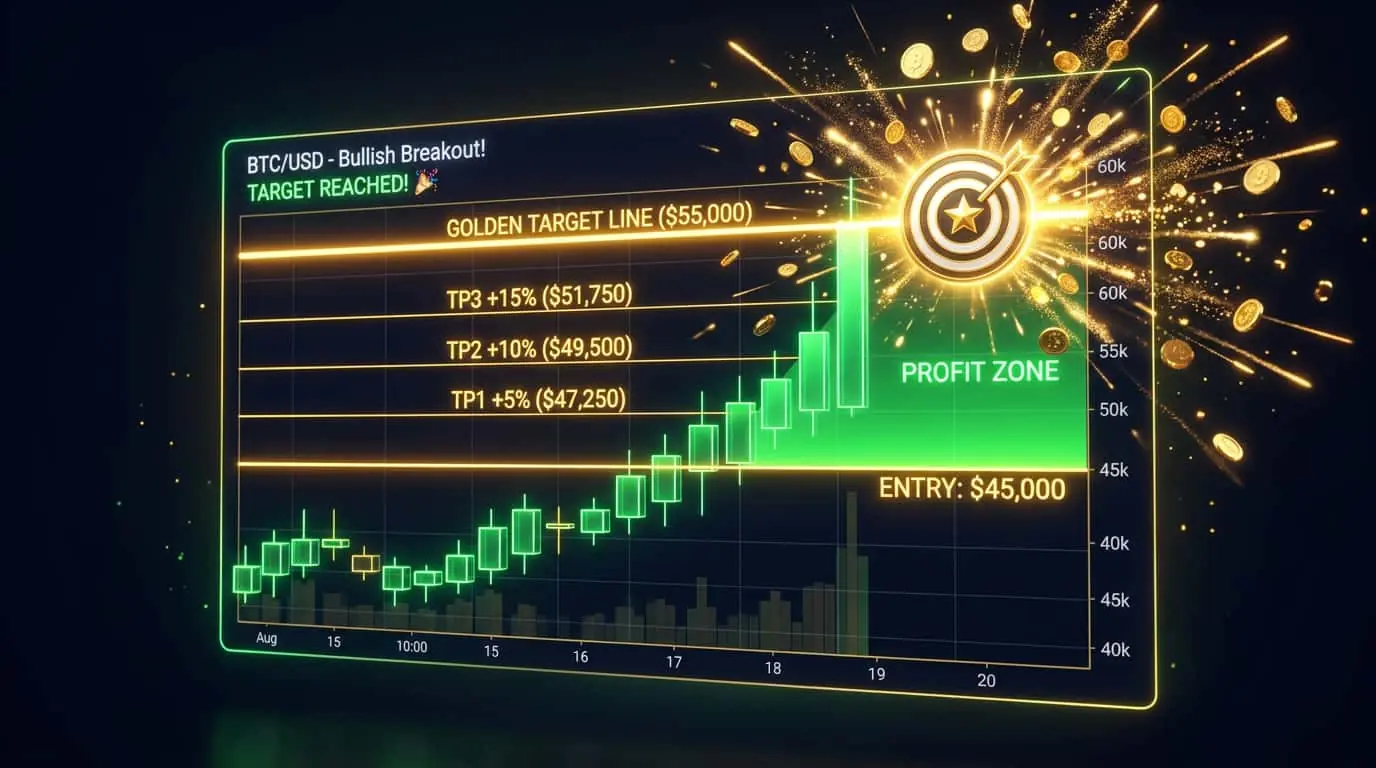
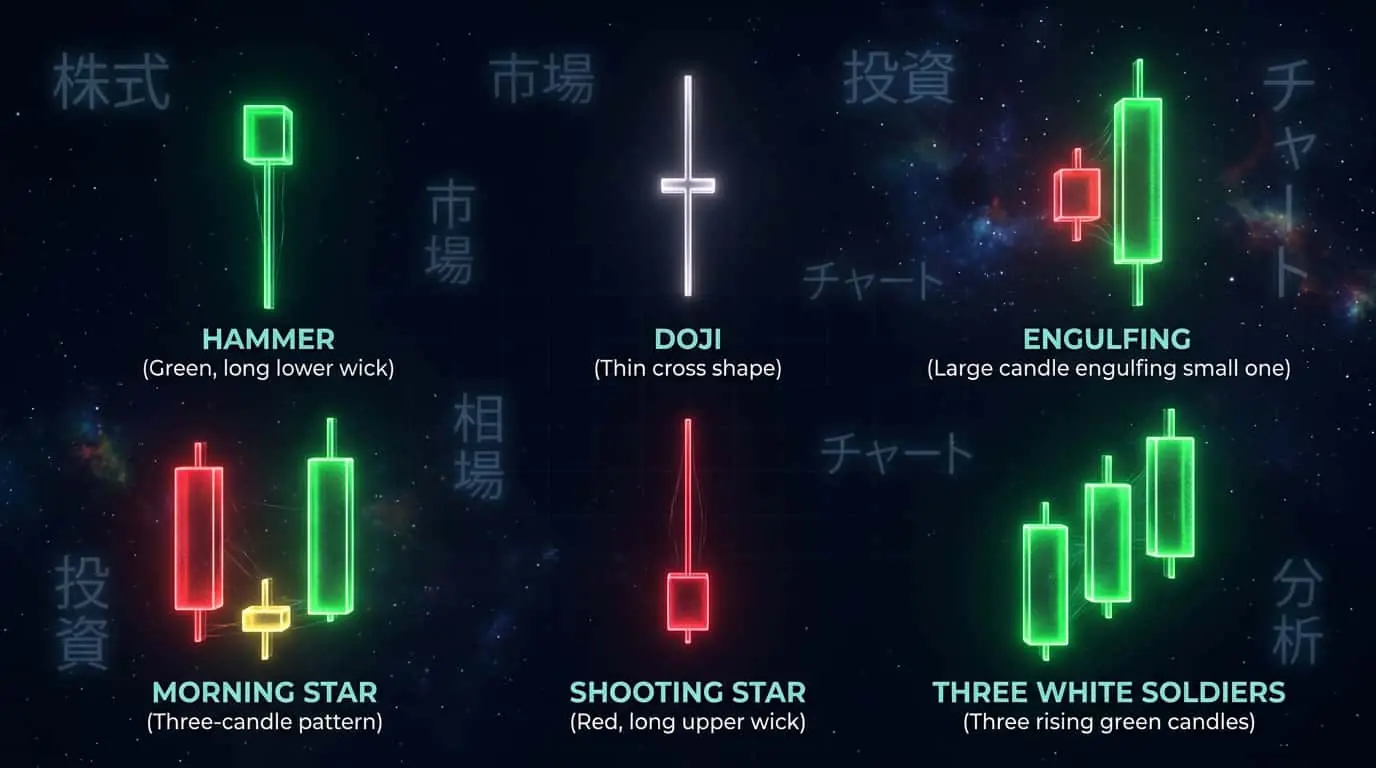
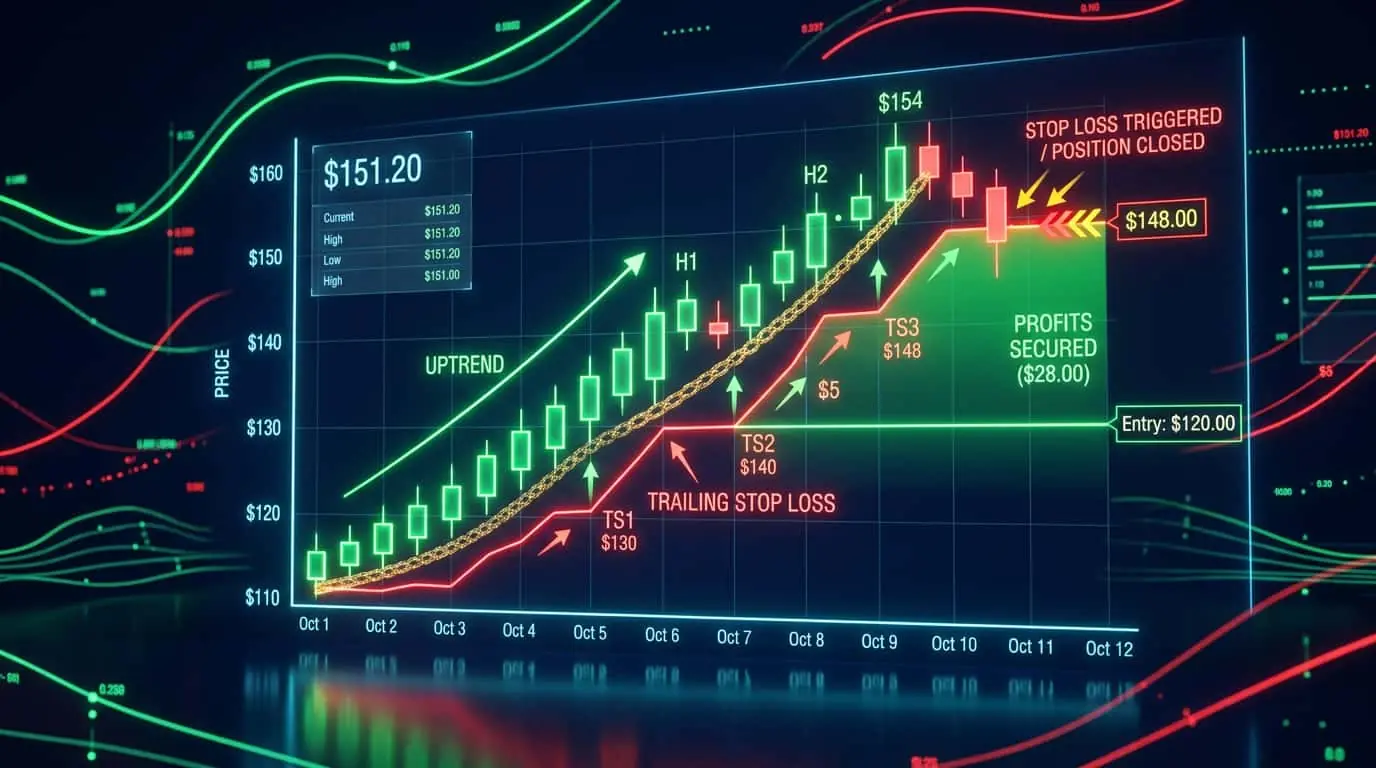
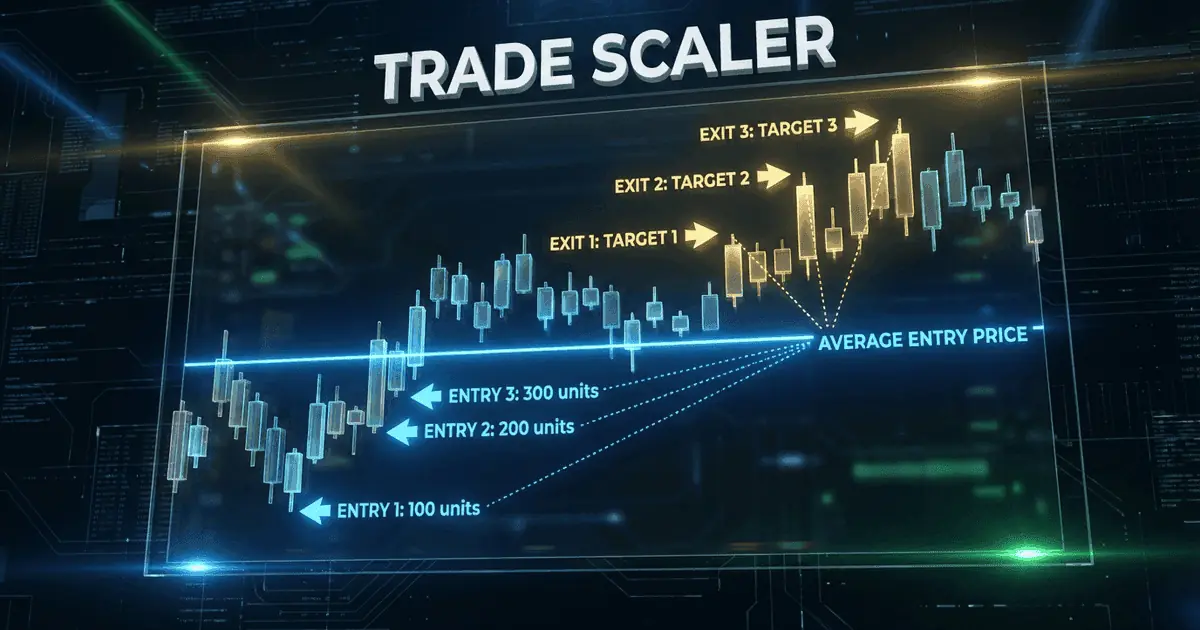
Your entry and exit rules are where your market thesis meets execution. These rules should be specific enough to remove ambiguity but flexible enough to accommodate normal market variation. A good entry rule reads like a checklist with clear yes/no criteria. For example: '(1) ES is above the 50 EMA on the 15-minute chart, confirming an uptrend. (2) Price pulls back to within 2 points of the 20 EMA. (3) A bullish reversal candle forms (hammer, engulfing, or pin bar) on the 5-minute chart. (4) Volume on the reversal candle exceeds the 20-bar volume average. If all four conditions are met, enter long with a limit order at the close of the reversal candle.' Exit rules should address three scenarios: the trade goes against you (stop loss), the trade reaches your target (take profit), and the trade moves in your favor but stalls (time-based or trailing stop exit). Your stop loss should be placed at a level where your trade thesis is invalidated, not at an arbitrary dollar amount. If you entered on a pullback to the 20 EMA, the stop belongs below the pullback low -- that is the point where the pullback thesis fails. Profit targets should reflect a minimum acceptable reward-to-risk ratio, typically 2:1 or higher. If your stop loss is 10 points, your minimum profit target is 20 points. The plan should also specify whether you use partial profit-taking (e.g., exit 50% at 1:1, trail the remainder) or all-or-nothing exits. Finally, include rules for trades that neither hit your stop nor your target within a reasonable timeframe. A time stop might specify: 'If the trade has not reached 1:1 profit within 30 bars, exit at market regardless of current P&L.'
A trading plan is not just a set of trade rules -- it is a complete operating procedure that includes routines before, during, and after the trading session. These routines ensure you are mentally prepared, focused during execution, and continuously learning from your results. The pre-market routine (30-60 minutes before your session starts) should include: reviewing your trading plan rules, checking the economic calendar for scheduled news events, analyzing overnight price action and marking key levels on your charts, reviewing open positions if any, setting alerts at your planned entry levels, and a brief mental preparation exercise (deep breathing, visualization, or reviewing your journal). During the session, your plan should specify what you do between trades. This includes monitoring your active instruments, updating your levels if market structure changes, logging trades immediately after execution, monitoring your daily P&L against your daily loss limit, and noting emotional state at regular intervals. The post-market routine (15-30 minutes after your session ends) should include: logging all trades with full details in your journal, calculating daily statistics (win rate, average R, total P&L), noting any plan deviations and their causes, identifying lessons learned, and preparing initial analysis for the next session. This routine converts every trading day into a learning opportunity, whether you made money or not. Traders who consistently follow post-market review routines improve measurably faster than those who only review after losing days.
Pro Tip
Create a one-page 'quick reference' version of your plan that contains just the entry criteria, exit rules, and risk parameters. Pin this next to your monitor. The full plan is your reference document; the quick reference is your in-session guide.
A trading plan is a living document, but changes should be deliberate, data-driven, and implemented outside of trading hours. Never modify your plan during a trading session or in the immediate aftermath of a losing day. The emotional state during and after trading is the worst possible time to make strategic decisions. Schedule plan reviews at regular intervals: weekly for minor adjustments (e.g., adding a new observation to your setup notes), monthly for performance-based modifications (e.g., adjusting a filter that your data shows improves win rate), and quarterly for major strategic changes (e.g., adding a new market, changing your trading timeframe, or modifying your core setup criteria). The decision to change your plan should be supported by data, not by feelings. If you want to add a filter to your entry criteria, backtest the filter against your last 100 trades to verify it would have improved results. If you want to change your profit target methodology, compare the performance of the proposed method against the current method using historical trade data. Version your plan changes. When you make a modification, note the date, the change, the rationale, and the data that supports it. This creates a record that allows you to revert changes that do not work and build on changes that do. Without versioning, plans tend to drift incoherently as random adjustments accumulate.
Mistake
Writing a vague plan with subjective criteria like 'enter when it looks bullish'
Correction
Use specific, objective criteria: 'enter when price is above the 50 EMA, pulls back to the 20 EMA, and forms a bullish reversal candle with above-average volume.' If you cannot define it precisely, you cannot execute it consistently.
Mistake
Creating a plan but never reviewing or updating it
Correction
Schedule weekly and monthly plan reviews. Your plan should evolve based on your trading data. A plan written 6 months ago that has never been updated is not serving you as well as it could.
Mistake
Modifying the plan in the middle of a trading session
Correction
Never change rules while the market is open. Note the proposed change in your journal and evaluate it during your post-market review with supporting data. Changes made during emotional sessions are almost always wrong.