TL;DR
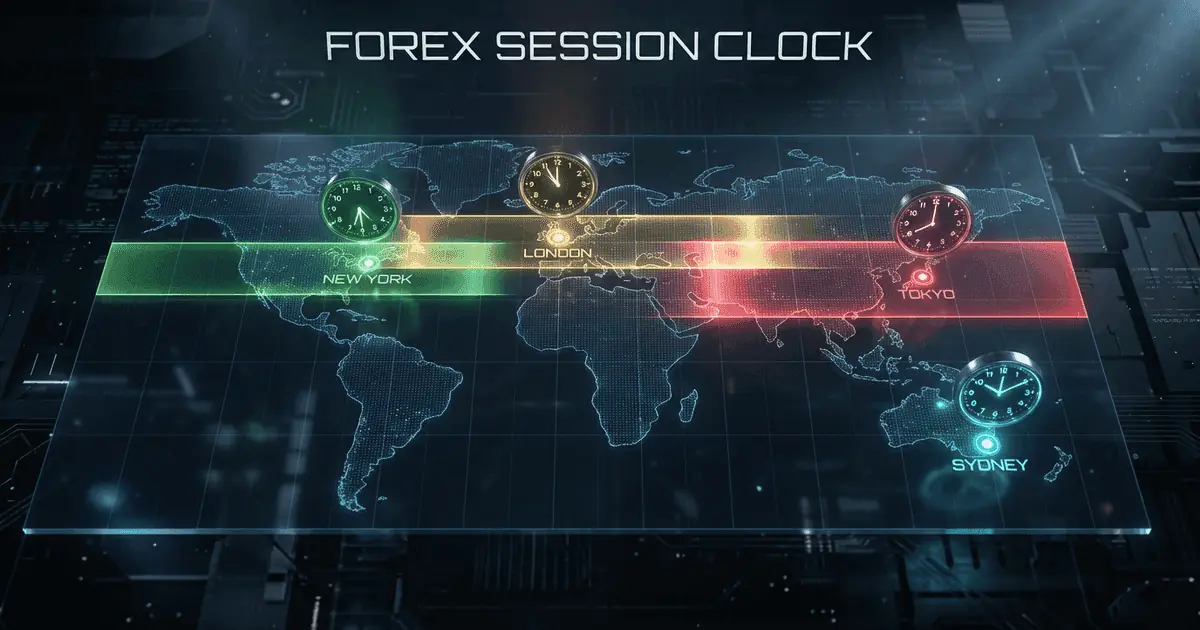
Market sessions are the four major trading periods that correspond to the business hours of the world's largest financial centers: Sydney, Tokyo, London, and New York. Each session has distinct characteristics in terms of volatility, liquidity, and the instruments that are most active, making session awareness essential for timing entries and managing risk.
Market sessions refer to the distinct time periods during the 24-hour trading day when specific global financial centers are open for business. While the forex and futures markets technically operate around the clock from Sunday evening to Friday evening, trading activity is not evenly distributed. Instead, it concentrates around the business hours of four major financial hubs: Sydney (representing Oceania and early Asian markets), Tokyo (representing the Asian session), London (representing the European session), and New York (representing the North American session). Understanding market sessions is fundamental because they determine when you will find the liquidity, volatility, and price movement necessary for profitable trading. Trading during a quiet session when your target instrument is barely moving leads to choppy, range-bound price action that chews up accounts through repeated small losses and slippage. Trading during the peak hours of a session overlap, when two major centers are simultaneously active, provides the directional moves, tight spreads, and deep liquidity that make trading strategies work as designed. For futures traders, particularly those trading the E-mini S&P 500 (ES), E-mini Nasdaq (NQ), or Crude Oil (CL), the New York session is the primary session. However, understanding all four sessions provides context for overnight price action, gap risk, and how global macro events flow through the markets.
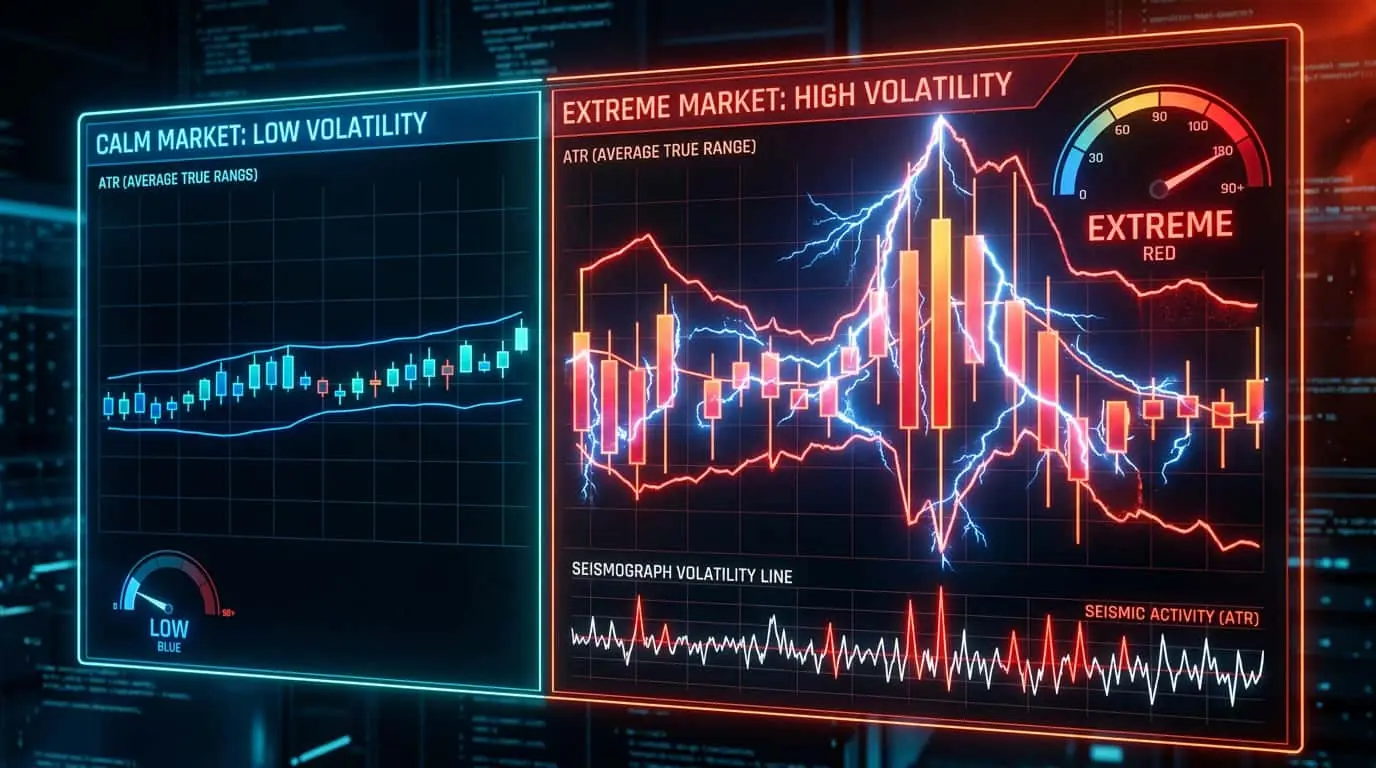
Each market session has unique characteristics driven by the economic activity, institutional participants, and trading culture of its region. The Sydney session opens the trading week and sets the initial tone. It is the least volatile of the four sessions, with relatively thin liquidity. The Tokyo session brings significantly more volume as the Japanese, Chinese, Hong Kong, and Singapore markets come online. The yen crosses (USD/JPY, EUR/JPY) and Asian equity indices see their highest activity during this period. The London session is the most important session for forex trading, accounting for approximately 35-40% of total daily forex volume. When London opens, volatility typically increases sharply as European institutions enter the market. Major trends often establish their direction during the first two hours of the London session. The New York session brings the second-largest pool of liquidity. The period when London and New York are both open (the London-New York overlap) is consistently the highest-volume, highest-volatility period of the entire 24-hour cycle.
| Session | Local Hours | UTC | EST | Key Characteristics |
|---|---|---|---|---|
| Sydney | 7:00 AM - 4:00 PM AEDT | 8:00 PM - 5:00 AM | 3:00 PM - 12:00 AM | Low volatility, AUD/NZD most active, sets weekly opening tone |
| Tokyo | 9:00 AM - 6:00 PM JST | 12:00 AM - 9:00 AM | 7:00 PM - 4:00 AM | Moderate volatility, JPY pairs active, follows China/Asia macro events |
| London | 8:00 AM - 5:00 PM GMT | 8:00 AM - 5:00 PM | 3:00 AM - 12:00 PM | Highest forex volume, major trends initiate, EUR/GBP pairs peak |
| New York | 8:00 AM - 5:00 PM EST | 1:00 PM - 10:00 PM | 8:00 AM - 5:00 PM | US futures peak, London overlap creates max volatility, USD pairs dominant |
Pro Tip
Note that these times shift by one hour during daylight saving time transitions. The US and Europe do not always change clocks on the same date, creating a 2-3 week period twice per year when the overlap timing shifts. Mark these dates on your calendar to avoid being caught off-guard.
Session overlaps occur when two major financial centers are simultaneously active, creating periods of heightened liquidity, tighter spreads, and larger directional moves. There are two significant overlaps in the 24-hour cycle, and understanding them is essential for timing your trading activity. The Tokyo-London overlap (approximately 3:00 AM - 4:00 AM EST / 8:00 AM - 9:00 AM UTC) is a brief window where Asian markets are closing and European markets are opening. This overlap can produce sharp moves as European traders react to overnight Asian developments. Currency pairs like EUR/JPY and GBP/JPY often see significant movement during this transition. The London-New York overlap (approximately 8:00 AM - 12:00 PM EST / 1:00 PM - 5:00 PM UTC) is the single most important time window for active traders. During these four hours, the world's two largest financial centers are both operating at full capacity. This overlap accounts for an outsized percentage of daily volume and typically produces the day's largest directional moves in most instruments. For US futures traders, the period from 9:30 AM to 11:30 AM EST (the first two hours after the NYSE opens, within the London-New York overlap) is statistically the most volatile and liquid period of the entire day. This is when most day traders focus their activity, and when the majority of daily range is established. Trading outside this window can work, but the characteristics change: spreads may widen, false breakouts increase, and trending moves are less common.
Different market sessions favor different trading approaches because the underlying market dynamics shift throughout the 24-hour cycle. During the Asian session (Tokyo), markets often trade in tighter ranges as they consolidate the previous day's moves from London and New York. Range-bound strategies, such as fading moves to session highs and lows, tend to perform well. Breakout strategies often produce false signals because there is not enough volume to sustain directional moves. Key levels to watch are the previous day's high and low, and the Asian session's own developing range. During the London session opening (3:00-5:00 AM EST), breakout strategies become more viable as fresh institutional volume enters the market. London traders often look to break out of the Asian session range, so the Asian session high and low become important reference levels. A common strategy is to wait for the London session to establish a direction (first 30-60 minutes) and then trade pullbacks in that direction. During the New York session (8:00 AM-12:00 PM EST), momentum and trend-following strategies work best. The confluence of London and New York liquidity creates the conditions for sustained directional moves. The 9:30 AM NYSE open often triggers significant volume and volatility, making it a key timing reference for US futures traders. After the London close (around 12:00 PM EST), the character of the New York session changes. Volume decreases, and the afternoon session (12:00-4:00 PM EST) often produces more choppy, range-bound price action. Many professional day traders end their sessions before or shortly after the London close.
Pro Tip
Build a session profile for your specific instrument. Track the average range, average volume, and your win rate during each session over 30+ trading days. You will likely find that 70-80% of your profits come from one specific session or overlap period. Focus your time and energy there.
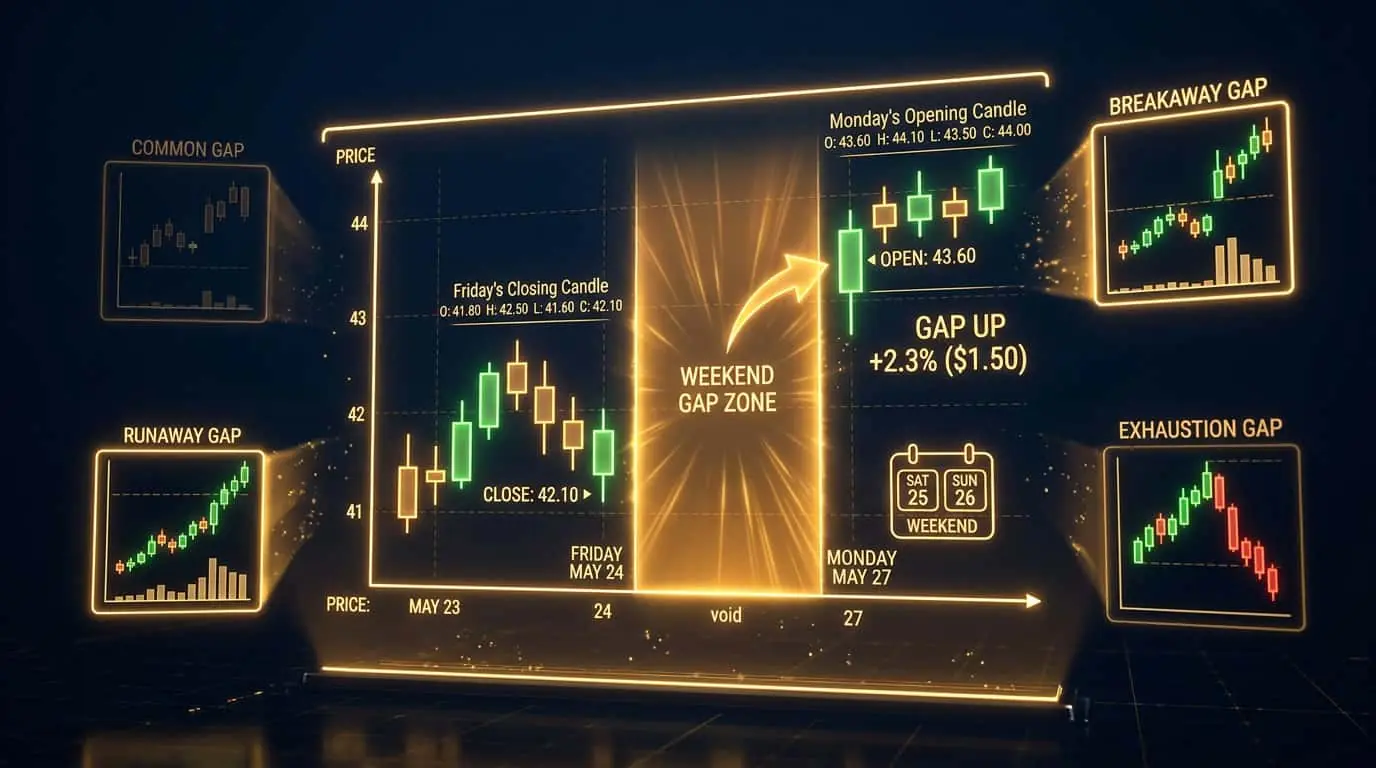
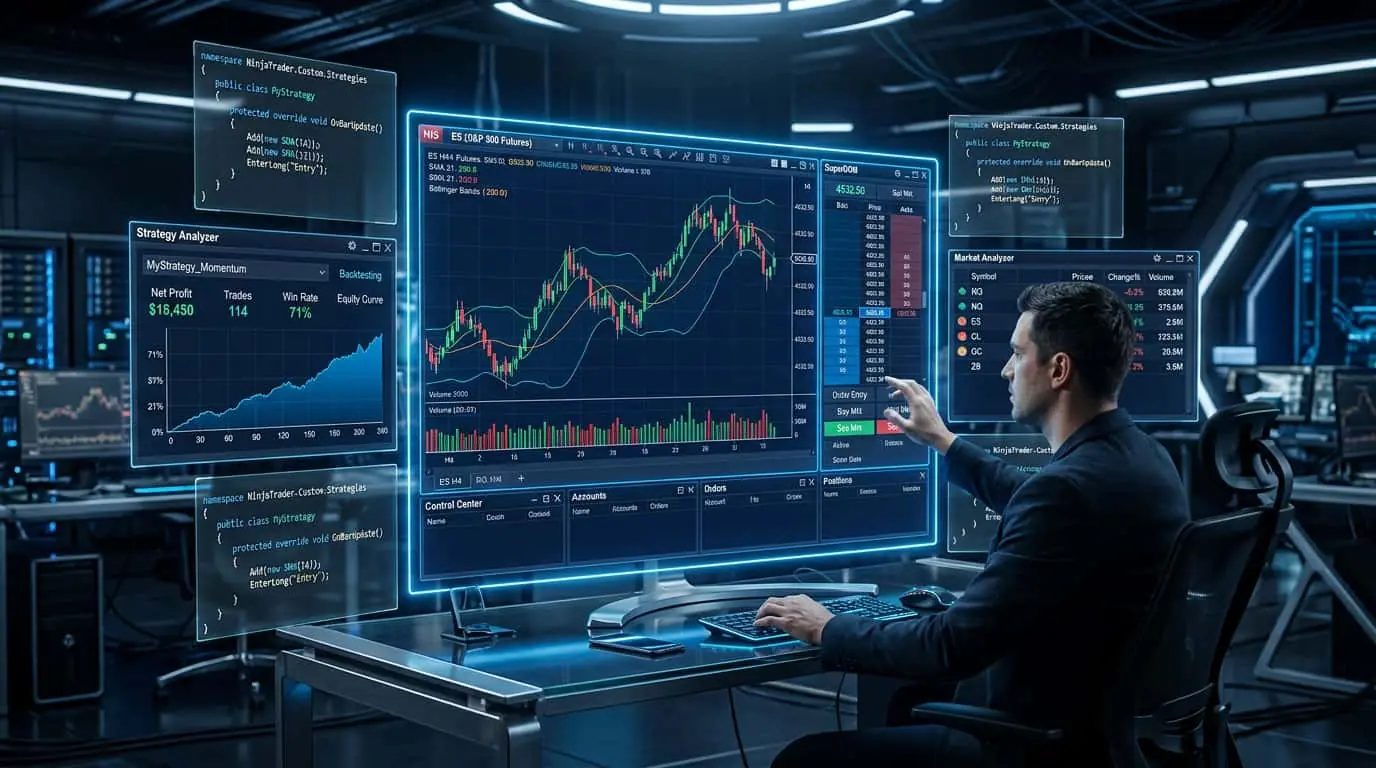
For futures traders on NinjaTrader, understanding session structure is particularly important because futures contracts trade nearly 24 hours but exhibit dramatically different behavior depending on the active session. The CME Globex electronic trading platform opens on Sunday at 5:00 PM EST and operates continuously until Friday at 4:00 PM EST, with a daily maintenance break from 4:00-5:00 PM EST (or 4:15-4:30 PM EST for equity index futures). The overnight session (also called the Globex session) from 5:00 PM to 9:30 AM EST encompasses the Asian and early European sessions. During this period, ES and NQ futures trade with lower volume, wider effective spreads, and smaller ranges. However, major global events (Chinese economic data, European Central Bank decisions, geopolitical developments) can trigger significant moves during the overnight session that create gaps relative to the previous day's close. The Regular Trading Hours (RTH) session from 9:30 AM to 4:00 PM EST is when the majority of volume and price discovery occurs for US equity index futures. NinjaTrader allows you to configure your charts to show only RTH data, which many traders prefer because it eliminates the noise of the low-volume overnight session. However, viewing the full 24-hour session can provide important context about overnight support and resistance levels. Crude Oil (CL) has a different session profile because it responds to global supply and demand dynamics. CL can see significant moves during the Asian and European sessions, particularly around OPEC announcements, Middle East geopolitical events, or API/EIA inventory reports.
| Futures Contract | Peak Session (EST) | Peak Volume Period | Key Session Events |
|---|---|---|---|
| ES (S&P 500) | 9:30 AM - 4:00 PM | 9:30 - 11:30 AM | NYSE open, economic data releases |
| NQ (Nasdaq) | 9:30 AM - 4:00 PM | 9:30 - 11:30 AM | Tech earnings, FOMC decisions |
| CL (Crude Oil) | 9:00 AM - 2:30 PM | 9:00 - 11:00 AM | EIA inventory (Wed 10:30 AM), OPEC events |
| GC (Gold) | 8:20 AM - 1:30 PM | 8:20 - 11:00 AM | USD strength/weakness, inflation data, geopolitics |
| 6E (Euro FX) | 3:00 AM - 12:00 PM | 3:00 - 5:00 AM, 8:00 - 11:00 AM | ECB decisions, European economic data |
Integrating session awareness into your trading plan transforms it from a time-agnostic set of rules into a context-sensitive system that adapts to the natural rhythm of global markets. The most practical implementation starts with defining your active trading window based on your timezone, your target instruments, and the sessions that produce the best conditions for your strategy. If you are a US-based futures trader focusing on ES and NQ, your primary window is likely 9:00 AM to 12:00 PM EST, capturing the pre-market moves, the NYSE open, and the London-New York overlap. Define this in your trading plan as your 'A session' -- the hours when you actively look for entries. Your 'B session' might be 12:00 PM to 2:00 PM EST, when you manage open positions but do not take new entries because the post-London-close environment is less favorable. Incorporate overnight session analysis into your pre-market routine. Before the US session opens, review the overnight price action: where did the Asian session range form relative to the previous day's close? Did the London open break the Asian range, and if so, in which direction? Were there any significant overnight levels (high, low, VWAP) that might act as support or resistance during the RTH session? This context is invaluable for understanding the 'story' of the market before you start trading. Use NinjaTrader's session templates to configure your charts correctly. You can create custom session definitions that show only the data relevant to your trading window, or you can overlay session boundaries on your charts to visualize when transitions occur.
Mistake
Trading US futures during the Asian session expecting normal volatility
Correction
ES and NQ volume during the Asian session is a fraction of RTH volume. Spreads widen, false breakouts increase, and strategies designed for the US session often underperform. If you trade overnight, adjust your expectations and position sizes accordingly.
Mistake
Ignoring session transitions and trading through the London close
Correction
The London close (around 12:00 PM EST) often marks a significant shift in market character. Volume drops, and the afternoon session can be choppy. Many professional traders stop taking new entries after the London close and manage existing positions only.
Mistake
Not adjusting for daylight saving time changes
Correction
Mark DST transition dates on your calendar and verify session times during the 2-3 week periods when the US and Europe are on different schedules. Being one hour off can mean missing the entire overlap period or trading during a dead zone.